
Fentanyl & Ibogaine Treatment in Mexico: Risks vs. Safety
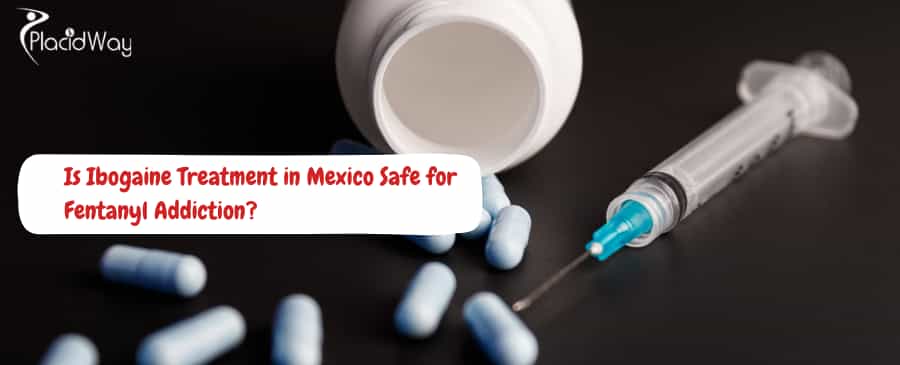
Hello and welcome. If you're reading this, you or someone you care about might be looking for a way out of the grip of fentanyl addiction. You've likely heard whispers about Ibogaine treatment in Mexico, a powerful, alternative option that promises profound results. But with that promise comes a big, flashing question: is it safe? Especially for something as potent and dangerous as fentanyl? The short answer is complex. Ibogaine treatment *can* be administered safely for fentanyl addiction, but this safety is entirely dependent on the clinic's medical standards, protocols, and expertise. It is not a casual undertaking and carries serious potential risks if not managed correctly. Fentanyl's unique properties, particularly its long half-life and how it's stored in the body, make treating it with ibogaine more complicated than other opioids.
This isn't your typical treatment path. It's a plant-based psychoactive substance that's illegal in the United States, which is why so many seek it out in places like Mexico. It's known for its ability to interrupt addiction, often in a single session, by resetting opioid receptors and providing a deeply introspective experience that can help address the root causes of addiction. However, the dangers are real, including heart complications. This post will walk you through everything you need to know, from the specific risks related to fentanyl addiction, to what makes a clinic safe, what to expect, and how to tell the good from the bad. We're here to provide clear, helpful information so you can understand the full picture of Ibogaine treatment.
What exactly is Ibogaine?
Ibogaine is a naturally occurring compound with powerful psychoactive properties. For centuries, it has been a central part of spiritual practices for the Bwiti people of West Africa, used to induce visions and promote spiritual discovery. In the 20th century, its anti-addictive properties were discovered, reportedly by accident.
Chemically, it works differently from traditional addiction treatments like methadone or buprenorphine. It is believed to interact with a wide range of neurotransmitter systems in the brain. Most notably for addiction, it helps 'reset' the brain's opioid receptors to a pre-addicted state, which is why it's known for significantly reducing or even eliminating withdrawal symptoms from substances like heroin, prescription painkillers, and yes, fentanyl. It also has a 'long-tail' effect, where its metabolite, noribogaine, stays in the system for weeks or months, continuing to reduce cravings.
Why is Ibogaine treatment for fentanyl so different and risky?
This is the most critical point to understand. Fentanyl (and its analogs) are lipophilic, meaning they bind to and are stored in the body's fat tissues. This is different from natural opioids like heroin. Even after a person stops using fentanyl, the substance can continue to be released from fat stores into the bloodstream for days or even weeks.
Ibogaine works by aggressively stripping opioid molecules from the brain's receptors. If a person still has fentanyl in their system when they take ibogaine, the ibogaine will instantly "kick" all those molecules off the receptors at once. This causes an abrupt and severe form of withdrawal that can be medically catastrophic, placing extreme stress on the heart and other vital systems. This is why Ibogaine treatment in Mexico for fentanyl requires a much longer and more careful pre-detoxification period than for any other substance.
Is Ibogaine treatment legal in Mexico?
The legal status of ibogaine is a major reason why Mexico has become a hub for this treatment. In the U.S., its Schedule I classification means it's considered to have a high potential for abuse and no accepted medical use, making research and treatment virtually impossible. Canada and most of Europe have similar restrictions.
Mexico's unregulated environment allows for the existence of Ibogaine treatment centers, but this is a double-edged sword. On one hand, it provides access for people who are out of options. On the other hand, the lack of government oversight means the quality, safety, and medical expertise of these clinics can vary dramatically. It places the entire burden of research and vetting on the patient and their family.
What are the main risks of Ibogaine treatment?
This cannot be overstated. Ibogaine has a direct effect on the heart's electrical activity. This is why pre-screening is not just important—it's a matter of life and death. Anyone with a pre-existing heart condition, an abnormal EKG, or an electrolyte imbalance is at high risk and should not take ibogaine. Other risks include:
- Seizures: While less common, ibogaine can lower the seizure threshold.
- Psychological Risks: The psychoactive experience is incredibly intense and can be terrifying or disorienting, potentially worsening pre-existing psychiatric conditions.
- Fatalities: Deaths have occurred during Ibogaine treatment. Almost all reported cases have been linked to pre-existing heart conditions, taking ibogaine while still on opioids (especially fentanyl), or attempting treatment without proper medical supervision.
What makes an Ibogaine clinic in Mexico 'safe'?
Vetting a clinic is the most important step you will take. A safe clinic is not a retreat center, a shaman's hut, or a house on the beach. It is a medical facility, period. Here is a checklist of non-negotiable safety standards:
- Comprehensive Medical Screening: This must include a recent EKG (electrocardiogram) and a full panel of blood work to check liver function, kidney function, and electrolyte levels. The clinic's medical director should review these *before* you are approved for treatment.
- Strict Fentanyl Protocol: The clinic MUST have a specific, non-negotiable protocol for fentanyl addiction. This involves a pre-detox period of at least 7-14 days (sometimes longer) where you are switched to a short-acting opioid (like morphine) *before* the ibogaine is administered. They must be able to test for fentanyl in your system to ensure it's completely clear.
- Medical Staff: A doctor should be on-site. Nurses trained in ACLS should be present 24/7.
- Monitoring Equipment: You must be hooked up to a cardiac monitor (EKG) and a pulse oximeter *before*, *during*, and for at least 24 hours *after* the ibogaine administration.
- Emergency Equipment: The facility must have a crash cart with a defibrillator and all necessary medications to handle a cardiac emergency.
If a clinic dismisses these requirements, calls them "unnecessary," or pressures you to come without a full medical workup, do not go. They are putting your life at risk.
How much does Ibogaine treatment cost in Mexico?
The price tag can be high, but it's crucial to understand what that cost covers. A "cheaper" clinic (in the $2,000 - $4,000 range) is almost certainly cutting corners on medical safety, staffing, and equipment. The higher costs associated with fentanyl treatment are justified by the need for a longer stay (10-21 days vs. 7-10 for other opioids) and the 24/7 medical care required to safely transition you off fentanyl before the ibogaine flood dose.
Here is a general breakdown of what costs often cover and how they compare. Be wary of any program that seems too cheap, as safety is where they are likely saving money.
Cost Comparison of Ibogaine Treatment Programs
| Price Range | Typical Inclusions (or lack thereof) | Safety & Suitability |
|---|---|---|
| Low-End ($2,000 - $4,500) | - Often a non-medical or "shamanic" setting. - Minimal or no pre-screening (EKG/labs). - No medical staff (doctors/nurses) on-site. - No cardiac monitoring. - Unlikely to have a fentanyl protocol. |
Extremely Dangerous. Not suitable for any opioid addiction, and especially not for fentanyl addiction. These places have the highest risk of fatal complications. |
| Mid-Range ($5,000 - $8,000) | - Basic medical screening (EKG). - May have a nurse or "on-call" doctor. - Basic monitoring (e.g., blood pressure cuff). - Shorter stays (5-7 days). - May *claim* to treat fentanyl but lack the proper extended detox. |
High Risk for Fentanyl. May be minimally safe for other substances, but they often lack the 24/7 cardiac monitoring and strict fentanyl protocols required for safety. |
| High-End / Medically-Supervised ($8,500 - $15,000+) | - Full medical facility with hospital-grade equipment. - Comprehensive pre-screening (EKG, full bloods, liver panel). - 24/7 on-site doctors and ACLS-certified nurses. - Continuous EKG and vital signs monitoring. - Specific Fentanyl Protocol: Extended 10-21 day stay for medically supervised transition. |
The Only Safe Option. This is the *only* type of facility that should be considered for Ibogaine treatment for fentanyl addiction. The cost reflects the necessary medical infrastructure and expertise. |
What is the pre-detox protocol for fentanyl?
This "opioid switch" is the key to safety. The medical team will administer controlled doses of the short-acting opioid to keep you comfortable and out of withdrawal. This allows the fentanyl that is stored in your fat cells to gradually clear out of your system. They will use regular drug testing to monitor the levels.
Only when your system is confirmed to be 100% clear of fentanyl and its long-acting metabolites will they schedule the ibogaine flood dose. This process takes patience and cannot be rushed. It is the only way to prevent the life-threatening precipitated withdrawal that makes treating fentanyl addiction so dangerous.
What happens during an Ibogaine 'flood dose'?
The experience is typically described in three phases:
- The Acute Phase (4-8 hours): This is the most intense part. You will be lying down with your eyes closed. Most people experience a 'panoramic' review of their life, seeing memories and events, often from a detached, third-person perspective. This is a dream-like state, but you are awake. It can be emotionally intense. Physiologically, this is when withdrawal symptoms are eliminated.
- The Evaluative Phase (8-24 hours): After the acute phase, the "visions" subside, and a long period of introspection begins. This is when people often process what they saw and gain insights into their addiction, behaviors, and past traumas.
- The Residual Phase (24-72+ hours): You will likely feel tired but mentally clear. A feeling of "reset" is common. The ibogaine is still working, and you will have little to no desire for opioids.
During this entire time, you will be hooked up to a cardiac monitor. Nurses will be checking on you constantly, taking your vital signs, and helping you with water or using the restroom. You will not be left alone.
Will I be 'cured' after Ibogaine treatment?
This is a common misconception. Ibogaine gives you a clean slate, which is an incredible gift. You get to bypass the agony of withdrawal and the misery of cravings. But it does not "fix" your life. All the triggers, habits, and underlying reasons you used in the first place will still be there when you get home.
What ibogaine *does* do is give you the clarity and the physical freedom to finally do the hard work of recovery. This is why aftercare is just as important as the treatment itself. A good clinic will help you set up a plan, whether it's therapy, coaching, or a new living environment, to build a new life during the "reset" period.
What are the psychological effects?
The psychoactive part of the journey is often what people are most curious or nervous about. It is not a recreational "trip" like with LSD or psilocybin. It is often described as more challenging and analytical. People report seeing their life choices and their consequences with a powerful, objective clarity.
This experience can be healing, but it can also be difficult. It's not uncommon to confront painful memories. However, most report that the experience gives them a new perspective and a sense of peace with their past, allowing them to move forward. This is where the deep psychological healing, which is so crucial for long-term recovery from fentanyl addiction, begins.
How do I find a reputable clinic?
Here are some red flags to watch for during your research:
- Vague answers: If they aren't clear about their medical staff or fentanyl protocol, hang up.
- No doctor: If they say a doctor is "on-call" but not on-site, it's not safe.
- No EKG required: This is the biggest red flag. It shows a complete disregard for the primary risk of ibogaine.
- One-size-fits-all: If they treat fentanyl the same as heroin (e.g., a short 5-7 day stay), they don't know what they're doing.
- Pressure tactics: If they try to rush you, offer "special discounts" to book today, or downplay the risks, they care about money, not your safety.
Ask to speak to their medical director. Ask for a virtual tour of their facility. Ask what specific monitoring equipment they use. A safe, professional clinic will welcome these questions and be proud to show you their standards of care.
What is aftercare and why is it essential?
The period after ibogaine is a "neuroplastic" window. Your brain is more open to change and forming new, healthy habits. But it's also a time of vulnerability. Returning to the same people, places, and stresses that fueled your fentanyl addiction is a recipe for relapse.
A good aftercare plan is personalized but should include:
- Therapy or Counseling: To work through the insights from your ibogaine experience and address the root causes of your addiction.
- A Safe Environment: This may mean a sober living home or making significant changes to your home environment.
- Support System: Connecting with recovery groups, supportive family, or an integration coach.
- New Habits: Focusing on health, a new hobby, or work/school to build a life that is more rewarding than using.
Are there alternatives to Ibogaine for fentanyl addiction?
Ibogaine is not the right choice for everyone. It's critical to know all your options:
- Medical Detox: A 7-10 day inpatient stay where you are tapered off fentanyl using medications to manage withdrawal symptoms. This is safer than quitting "cold turkey" but has a low long-term success rate on its own.
- MAT (Methadone/Buprenorphine): This involves replacing fentanyl with a different, legal, long-acting opioid. It's very effective for stabilizing your life, stopping illicit drug use, and reducing harm. However, many people feel "trapped" on these substances for years.
- Inpatient Rehab: A 30-90 day program focused on therapy, group counseling, and behavioral changes. This is often the best option when combined with a medical detox first.
Ibogaine treatment is often sought by those who have "failed" at these other methods or who do not want to be on MAT for the long term. Its main appeal is the *interruption* of addiction and the "clean slate" it provides, which these other methods do not.
What if I have a pre-existing health condition?
This is for your own safety. The same goes for certain psychiatric conditions, such as schizophrenia or bipolar disorder, as the intense psychoactive experience can trigger psychosis. You must be completely honest and transparent about your entire medical history with the clinic's medical team. A good clinic will conduct a thorough review to ensure you are medically and psychologically stable enough for the treatment.
How long does Ibogaine stay in your system?
This "long-tail" effect is one of the most unique and beneficial aspects of Ibogaine treatment. It's not a one-and-done event. For weeks and months after your treatment, the noribogaine is still in your system, acting as a "booster" for your recovery. It helps keep post-acute withdrawal symptoms (PAWS) and cravings at bay, giving your brain time to heal and giving you time to build your new sober life.
Will I experience any withdrawal during the treatment?
The goal of the pre-detox and the "opioid switch" is to get you to a place where you can safely receive the ibogaine. The medical team will time the flood dose to coincide with the very beginning of withdrawal from the short-acting opioid (like morphine). As the withdrawal symptoms would normally begin to ramp up, the ibogaine instead "catches" you and stops them from ever fully developing. Most people report feeling a "reset" and waking up the next day free from the physical sickness of withdrawal for the first time in years.
What does the recovery in Mexico look like after the flood dose?
The days immediately following the flood dose are a recovery period. The ibogaine experience is physically and mentally exhausting. You will sleep a lot. You will need to re-hydrate and eat. Clinics will provide nutritious food, IV vitamins, and a peaceful environment. This is also a good time for light integration therapy, perhaps talking with a counselor about your experience and firming up your aftercare plan for when you return home. It is not recommended to fly home the day after your flood dose; this recovery time is a necessary part of the process.
Ready to Explore Your Path to Recovery?
Finding a safe and effective solution for addiction can feel overwhelming, but you don't have to do it alone. If you're considering your options, PlacidWay is here to help you navigate the world of medical healthcare and find reputable, vetted providers.
.png)



.png)
.png)
.png)
.png)





Share this listing