


Common Penile Augmentation Procedures in Mexico
Considering medical procedures abroad, especially something as sensitive as penile augmentation, can seem appealing due to lower costs or easier access. Mexico has become a notable destination for various medical tourism services, including cosmetic and elective surgeries. However, it's essential to understand that pursuing penile augmentation in Mexico comes with its own set of unique challenges and potential dangers that patients might not fully anticipate.
This article aims to shed light on the various risks associated with undergoing penile augmentation in Mexico. We'll explore everything from the direct surgical complications to the broader implications of seeking treatment in a foreign country where medical standards and legal protections might differ significantly from what you're accustomed to. Our goal is to provide comprehensive, factual information so you can make an informed decision about your health and well-being.
What are the common medical risks of penile augmentation surgery?
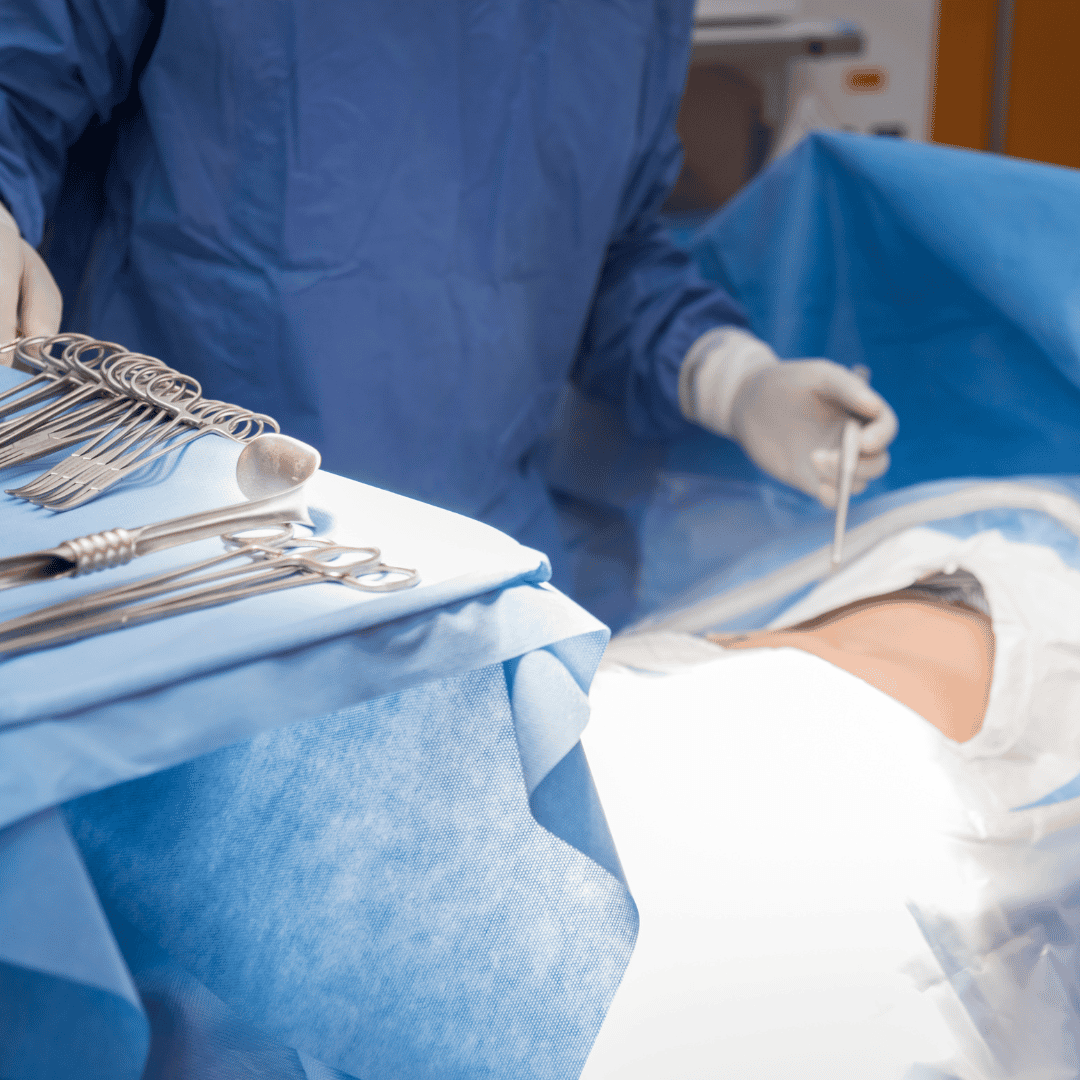
Penile augmentation, whether through fat grafting, filler injections, or implant procedures, is a surgical intervention that carries inherent medical risks, regardless of location. These risks are amplified when performed by inadequately trained surgeons or in facilities that do not adhere to strict medical protocols. Patients considering this procedure should be fully aware of these potential complications.
Some of the most frequently reported medical risks include:
- Infection: Any surgical procedure can lead to infection, but in environments with less stringent hygiene standards, the risk increases significantly. Infections can range from mild skin infections to severe systemic infections requiring extensive treatment, and in extreme cases, may lead to tissue necrosis or loss of the penis.
- Bleeding and Hematoma: Excessive bleeding during or after surgery can lead to hematoma formation, which is a collection of blood under the skin. This can cause pain, swelling, and may require further surgical intervention to drain.
- Nerve Damage: The penis contains numerous sensitive nerves. Damage to these nerves during surgery can result in permanent loss of sensation, altered sensation, or even chronic pain, significantly impacting sexual function and quality of life.
- Disfigurement and Scarring: Poor surgical technique can lead to uneven results, significant scarring, lumps, bumps, or an unnatural appearance. In some cases, the aesthetic outcome can be worse than the original state.
- Unsatisfactory Cosmetic or Functional Results: The promised increase in size may not be achieved, or the outcome might not meet the patient's expectations. There's also a risk of functional problems, such as difficulty with erections, changes in orgasmic sensation, or pain during intercourse.
- Material Migration or Rejection: If fillers or implants are used, there is a risk of the material migrating from its intended location, causing lumps or asymmetry. In some cases, the body may reject the foreign material, leading to inflammation, pain, and the need for removal.
Why is Mexico a popular destination for penile augmentation?
The allure of medical tourism to Mexico for procedures like penile augmentation is multi-faceted. For many individuals, the primary driving factor is cost. Surgeries and medical treatments in Mexico can be considerably cheaper than in the United States, Canada, or Europe, making them financially accessible to a broader range of people.
Beyond cost, other factors contribute to Mexico's popularity:
- Accessibility: For patients in the US, particularly those in border states, Mexico is geographically close and easily reachable. Short travel times and the ability to combine medical treatment with a vacation can be appealing.
- Less Stringent Regulations: While some clinics in Mexico maintain high standards, the overall regulatory environment for cosmetic and elective procedures can be less strict than in more developed nations. This can mean faster scheduling and fewer pre-procedure requirements, which some patients might view as a benefit, despite the associated risks.
- Marketing and Advertising: Many Mexican clinics actively market their services to international patients, often highlighting the cost savings and the perceived ease of access.
What are the specific risks of choosing unregulated clinics in Mexico for penile augmentation?
The lack of consistent regulation across all medical facilities in Mexico presents a significant hazard, especially in the realm of elective cosmetic surgeries like penile augmentation. While many reputable, internationally accredited hospitals and clinics exist, a parallel industry of unregulated or poorly regulated clinics also operates. These can pose serious threats to patient safety and outcomes.
Specific risks associated with unregulated clinics include:
- Unqualified Practitioners: Surgeons may lack proper certification, specialized training in urology or plastic surgery, or sufficient experience in penile augmentation. Some may even be general practitioners or individuals with no medical degree performing complex surgeries.
- Substandard Facilities: Unregulated clinics may operate in unsanitary conditions, lack essential medical equipment, or use outdated technology. This significantly increases the risk of infection and other complications.
- Non-Medical Grade Materials: There's a risk that clinics may use unauthorized or non-medical grade fillers or implants, which can cause severe adverse reactions, allergic responses, chronic inflammation, or permanent damage. These materials might not be approved for human use and can be toxic.
- Poor Post-Operative Care: Follow-up care might be inadequate or non-existent, which is crucial for monitoring recovery and addressing complications early. Patients returning home often find themselves without local support to manage issues that arise.
- No Legal Recourse: If complications occur due to negligence or malpractice at an unregulated clinic, seeking legal redress in Mexico can be exceedingly difficult and costly, often leaving patients without compensation for damages or corrective procedures.
- Anesthesia Risks: Administering anesthesia in an unregulated setting without proper monitoring equipment or by an unqualified anesthetist dramatically increases the risk of severe complications, including cardiac arrest or brain damage.
How do infection rates compare for penile augmentation in Mexico versus other countries?
Comparing specific infection rates for a niche procedure like penile augmentation across different countries is challenging due to varying reporting standards and data availability. However, general observations in medical tourism suggest that infection rates can be higher in countries where regulatory oversight is less stringent.
In well-regulated countries like the United States, Canada, or Western Europe, surgical facilities must adhere to strict sterilization protocols, infection control guidelines, and continuous monitoring by health authorities. Surgeons are typically board-certified and operate in accredited hospitals or surgical centers. These measures significantly minimize the risk of surgical site infections.
In contrast, while many Mexican hospitals and clinics are indeed world-class and adhere to international standards, others, particularly those targeting medical tourists with very low prices, might compromise on these critical safety measures. Factors contributing to potentially higher infection rates in some Mexican clinics include:
- Less rigorous sterilization of instruments.
- Inadequate ventilation systems in operating rooms.
- Poor hand hygiene practices among staff.
- Use of unsterile or compromised surgical materials.
- Insufficient pre-operative screening for patient infection risks.
These factors, combined with the stress of travel and recovery in a foreign environment, can collectively elevate the risk of post-operative infections for patients undergoing penile augmentation in Mexico.
What legal protections exist if complications arise from penile augmentation in Mexico?
One of the most significant yet often overlooked risks of medical tourism, especially for procedures like penile augmentation in Mexico, pertains to legal recourse in the event of complications or malpractice. When you undergo surgery in your home country, there are established legal frameworks for medical negligence and malpractice claims. This is often not the case or is significantly more complicated when the procedure is performed abroad.
For international patients in Mexico, navigating the legal system can be a daunting challenge:
- Jurisdiction: Any legal action would typically need to be filed in Mexico, under Mexican law. This means hiring a Mexican attorney, dealing with language barriers, and understanding a different judicial process.
- Cost and Time: Litigation in a foreign country is expensive and can take many years to resolve, making it impractical for most medical tourists. The cost of travel, legal fees, and expert witness testimony can quickly outweigh any potential compensation.
- Regulatory Gaps: If the clinic is unregulated or operating without proper licenses, it becomes even harder to hold them accountable. Proving negligence against an uncertified practitioner or an informal clinic is extremely difficult.
- Insurance Limitations: Most domestic health insurance policies do not cover complications arising from elective surgeries performed abroad. Travel insurance might offer some coverage for medical emergencies, but not typically for follow-up treatment of pre-existing conditions or complications from elective surgeries.
Patients are often left to bear the financial and emotional burden of corrective surgeries and long-term care themselves, with little to no legal recourse against the foreign provider.
Are the materials used in penile augmentation in Mexico safe and approved?
The type and quality of materials used in penile augmentation are critical for both the safety and success of the procedure. These materials can include synthetic implants, injectable fillers (like hyaluronic acid or polymethyl methacrylate), or autologous fat grafts (fat taken from the patient's own body). The concern in Mexico, particularly with less reputable providers, lies in the variability of these materials.
Key considerations regarding materials include:
- Approved vs. Unapproved Fillers/Implants: In countries with strict medical regulations, only products approved by health authorities (e.g., FDA in the US, CE mark in Europe) can be used. These products undergo rigorous testing for safety and efficacy. In unregulated settings, clinics might use cheaper, unapproved, or even counterfeit materials that have not been tested and can cause severe complications like granulomas, chronic inflammation, necrosis, or systemic reactions.
- Fat Grafting Concerns: While autologous fat is generally safe, its harvesting and preparation must follow sterile techniques. If not done correctly, the fat cells may not survive, leading to uneven results, lumps, or infection.
- Lack of Transparency: Patients might not be fully informed about the specific type or brand of material being used. It is crucial to ask for documentation about the product, including its origin and regulatory approvals.
The use of unsafe or unapproved materials can lead to irreversible damage, chronic pain, and the need for costly and complex removal surgeries, which may not fully restore the affected area.
What is the average cost of penile augmentation in Mexico, and does it reflect quality?
One of the primary drivers for patients considering penile augmentation in Mexico is the significant cost difference compared to procedures in their home countries. While exact figures vary widely depending on the type of augmentation (e.g., fillers, fat grafting, or surgical implants), the clinic's reputation, and the surgeon's experience, the cost is typically a fraction of what it would be in the US or Canada.
However, it is a critical mistake to equate lower cost with equivalent value or quality:
- Cost vs. Quality: A surprisingly low price for a complex surgical procedure like penile augmentation should raise immediate red flags. Reputable clinics with highly qualified surgeons, modern equipment, and strict safety protocols have operational costs that prevent them from offering extremely cheap services.
- What the Price Includes: Be wary of packages that seem too good to be true. Ensure the quoted price includes all aspects: surgeon's fees, anesthesia, facility fees, materials, post-operative care, and any necessary follow-up appointments. Hidden costs can quickly accumulate.
- The "Bargain" Trap: Clinics offering rock-bottom prices often achieve this by cutting corners on essential elements such as:
- Hiring less qualified or uncertified surgeons.
- Operating in non-accredited or unsanitary facilities.
- Using cheaper, unapproved, or even diluted materials.
- Skipping crucial pre-operative assessments or post-operative follow-ups.
Investing in a safe, high-quality procedure, even if it means a higher upfront cost, is always preferable to risking severe complications that could lead to even greater financial and health burdens in the long run.
How can one verify the credentials of a surgeon performing penile augmentation in Mexico?
Before undergoing any medical procedure, especially one as intimate as penile augmentation, it is absolutely crucial to thoroughly vet the surgeon and the facility. This due diligence is even more critical when traveling abroad, as access to information and verification processes can be less straightforward. Here's how you can attempt to verify credentials:
Steps for Verification:
- Check Medical License: In Mexico, all licensed medical professionals are registered with the Dirección General de Profesiones (DGP) of the Secretaría de Educación Pública (SEP). You can often search their online database using the surgeon's full name and professional license number (cédula profesional).
- Verify Specialty Board Certification: For plastic surgery, the relevant board is the Consejo Mexicano de Cirugía Plástica Estética y Reconstructiva (CMCPER). A certified plastic surgeon will be listed here. For urological procedures, look for certification from the Consejo Mexicano de Urología (CMU). Ensure the surgeon has specific training and certification in the specialty relevant to penile augmentation.
- Look for Hospital Privileges and Affiliations: Reputable surgeons usually have affiliations with accredited hospitals or surgical centers. Confirming their hospital privileges can indicate a higher standard of practice.
- Seek International Accreditations: Some top-tier Mexican hospitals and clinics seek international accreditation from organizations like the Joint Commission International (JCI) or the Accreditation Association for Ambulatory Health Care (AAAHC). These accreditations signify adherence to global patient safety and quality-of-care standards.
- Consult Professional Organizations: Check if the surgeon is a member of reputable professional organizations like the Mexican Association of Plastic, Aesthetic, and Reconstructive Surgery (AMCPER) or international bodies like the International Society of Aesthetic Plastic Surgery (ISAPS).
- Request Before-and-After Photos and Patient Testimonials: While these should be taken with a grain of salt, they can provide some insight into a surgeon's work, but always prioritize official credential checks.
If a clinic or surgeon is evasive about providing credentials or if you cannot independently verify them, consider that a major red flag.
What are the long-term outcomes and potential complications of penile augmentation?
While the immediate post-operative period can reveal certain complications, many of the more severe and debilitating issues associated with penile augmentation, especially when performed poorly, manifest over the long term. Understanding these potential lasting consequences is crucial for anyone considering the procedure.
Long-term complications can include:
- Chronic Pain: Persistent pain in the penis, sometimes due to nerve damage, scar tissue, or implant issues, can significantly affect daily life and sexual function.
- Permanent Sensation Loss or Alteration: Damage to nerves can lead to irreversible changes in sensitivity, impacting sexual pleasure and overall comfort.
- Disfigurement and Deformity: Uneven results, lumps, indentations, or an unnatural shape can become permanent. Scar tissue can contract, leading to penile shortening or curvature (Peyronie's-like disease).
- Material-Related Issues:
- Filler Migration: Injected fillers can migrate over time, creating an uneven appearance or lumps in unintended areas.
- Granulomas/Nodules: The body's reaction to foreign materials can form hard, sometimes painful, lumps (granulomas) that may be difficult to remove.
- Implant Erosion or Extrusion: Penile implants can, in rare cases, erode through the skin, requiring urgent removal and potentially reconstructive surgery.
- Erectile Dysfunction (ED): While not a primary risk of all augmentation types, severe complications or extensive scarring can sometimes impact the erectile mechanism.
- Psychological Distress: Living with chronic pain, disfigurement, or functional impairment resulting from a failed augmentation can lead to significant psychological distress, anxiety, depression, and body image issues.
- Need for Revision Surgeries: Many long-term complications require additional, often more complex and expensive, revision surgeries to correct the issues or remove problematic materials. These surgeries may not always fully restore the penis to its original state or alleviate all symptoms.
What post-operative care should I expect after penile augmentation in Mexico?
The quality and extent of post-operative care are as crucial as the surgery itself for a successful recovery and to minimize complications. When undergoing penile augmentation in Mexico, the type of post-operative care you receive can vary dramatically depending on the clinic chosen.
What to expect from a reputable clinic:
- Detailed Instructions: You should receive clear, written instructions on wound care, medication schedules (antibiotics, pain relievers), activity restrictions, and signs of potential complications to watch for.
- Follow-up Appointments: Reputable clinics will schedule at least one or more follow-up appointments while you are still in Mexico to check on your healing progress, remove sutures if necessary, and address any immediate concerns.
- Emergency Contact: You should be provided with an emergency contact number to reach the medical team if issues arise after hours or once you return home.
- Remote Support: Some clinics offer limited remote support via email or video calls, though this is often not sufficient for serious complications.
What to expect from an unregulated or low-cost clinic:
- Minimal or No Follow-up: You might be discharged with very basic instructions and no scheduled follow-up, leaving you to manage your recovery independently.
- Lack of Communication: Language barriers or an unwillingness to communicate after payment can make it impossible to get help if complications arise.
- No Local Support upon Return: The biggest challenge for medical tourists is managing complications once they return home. Your local doctor may be unfamiliar with the specific procedure or materials used, and your insurance may not cover corrective treatment from a foreign surgery.
It's vital to discuss the full scope of post-operative care, including how emergencies will be handled and what support is available upon your return, before committing to any procedure in Mexico.
What are common types of medical tourism scams to watch out for in Mexico?
While Mexico offers many legitimate and high-quality medical services, the boom in medical tourism has also attracted unscrupulous individuals and clinics looking to exploit patients. Being aware of common scams can help protect you from potential harm, especially when considering elective procedures like penile augmentation.
Here are some red flags and common types of scams:
- Deceptive Advertising: Clinics may misrepresent surgeon qualifications, facility accreditations, or success rates. They might show impressive photos of modern facilities that are not actually where your procedure will take place.
- Too-Good-To-Be-True Pricing: Extremely low prices, significantly below the regional average even for Mexico, are often a bait to lure patients. These prices usually come with hidden costs or reflect severe compromises in quality, safety, or materials.
- Bait-and-Switch Tactics: Patients might be promised a consultation or surgery with a highly experienced, named surgeon, only to find a different, less qualified surgeon performs the actual procedure.
- Unapproved or Counterfeit Materials: As discussed, some clinics might use non-medical grade or fake implants/fillers, which are cheaper but highly dangerous.
- Pressure Sales Tactics: Clinics that pressure you into making immediate decisions, demanding upfront full payment, or discouraging you from seeking second opinions are often untrustworthy.
- Lack of Transparency: Refusal to provide detailed medical records, clear treatment plans, or information about the materials being used is a major warning sign.
- Cash-Only Payments: While common in some parts of Mexico, clinics insisting only on cash payments for large medical procedures can make financial recourse difficult if things go wrong.
- Unlicensed Practitioners or Facilities: Operating without proper medical licenses or facility permits is a direct threat to patient safety and indicates a disregard for legal and ethical standards.
Always conduct thorough research, ask for extensive documentation, and trust your instincts. If something feels off, it likely is.
Why is comprehensive research crucial before opting for penile augmentation in Mexico?
Given the significant risks and potential pitfalls associated with penile augmentation in Mexico, comprehensive and meticulous research is not just recommended; it is absolutely vital. This due diligence can be the difference between a successful outcome and life-altering complications.
Here's why thorough research is indispensable:
- Patient Safety: The primary reason is to ensure your safety. Research helps you identify clinics and surgeons that adhere to high medical standards, have appropriate accreditations, and prioritize patient well-being over profit.
- Informed Decision-Making: Understanding the potential complications, the types of materials used, and the expected recovery process allows you to make an informed decision, weighing the pros and cons realistically.
- Avoiding Scams and Malpractice: Research equips you with the knowledge to identify red flags, avoid fraudulent clinics, and protect yourself from unqualified practitioners.
- Managing Expectations: Realistic expectations about the results of penile augmentation are crucial. Researching reputable surgeons' typical outcomes and reading honest patient reviews can help manage these expectations.
- Financial Protection: Understanding all costs upfront, including potential costs for revision surgery or complication management, protects you from unexpected financial burdens.
- Legal and Ethical Considerations: Researching the legal landscape for medical tourism in Mexico helps you understand your rights and the limitations of legal recourse if something goes wrong.
Relying solely on glossy websites or persuasive marketing can be dangerous. Instead, invest time in verifying credentials, seeking independent reviews, contacting past patients if possible, and consulting with local medical professionals about the proposed procedure and its risks.
What resources are available for patients considering medical tourism for sensitive procedures?
For individuals considering medical tourism for sensitive procedures like penile augmentation, knowing where to find reliable information and support is paramount. While self-research is crucial, several resources can aid in making a safer and more informed decision.
Here are some valuable resources:
- Medical Tourism Facilitators: Reputable facilitators act as intermediaries, connecting patients with accredited hospitals and certified doctors abroad. They can help with travel logistics, language translation, and provide vetted options, though it's important to choose facilitators with a strong track record and transparent processes.
- International Accreditation Bodies: Organizations like the Joint Commission International (JCI) or the Accreditation Association for Ambulatory Health Care (AAAHC) accredit hospitals and clinics worldwide that meet rigorous international standards for patient care and safety. Checking for these accreditations is a strong indicator of quality.
- Government Health Advisories: Your home country's government health department or travel advisories often provide information and warnings about medical tourism in various regions, including potential risks and recommendations.
- Online Patient Forums and Support Groups: Engaging with online communities can offer anecdotal experiences, but always cross-reference information and be wary of overly positive or negative unverified claims. Look for groups focused on medical tourism or specific procedures.
- Independent Medical Review Websites: Some websites specialize in reviewing medical facilities and doctors globally, offering ratings and patient feedback. Again, verify the source and methodology of these reviews.
- Consultation with Home Doctors: Discussing your plans with your local doctor can provide a professional medical opinion on the procedure itself, potential risks, and implications for your overall health, including post-operative care planning.
Utilizing a combination of these resources will provide a more comprehensive picture and help mitigate the risks associated with seeking medical care, particularly sensitive procedures, abroad.
Considering a medical procedure abroad? PlacidWay offers solutions related to medical tourism, connecting you with trusted healthcare providers worldwide. Explore your options with PlacidWay to make informed decisions about your health and well-being.



.png)
.png)
.jpg)











Share this listing