
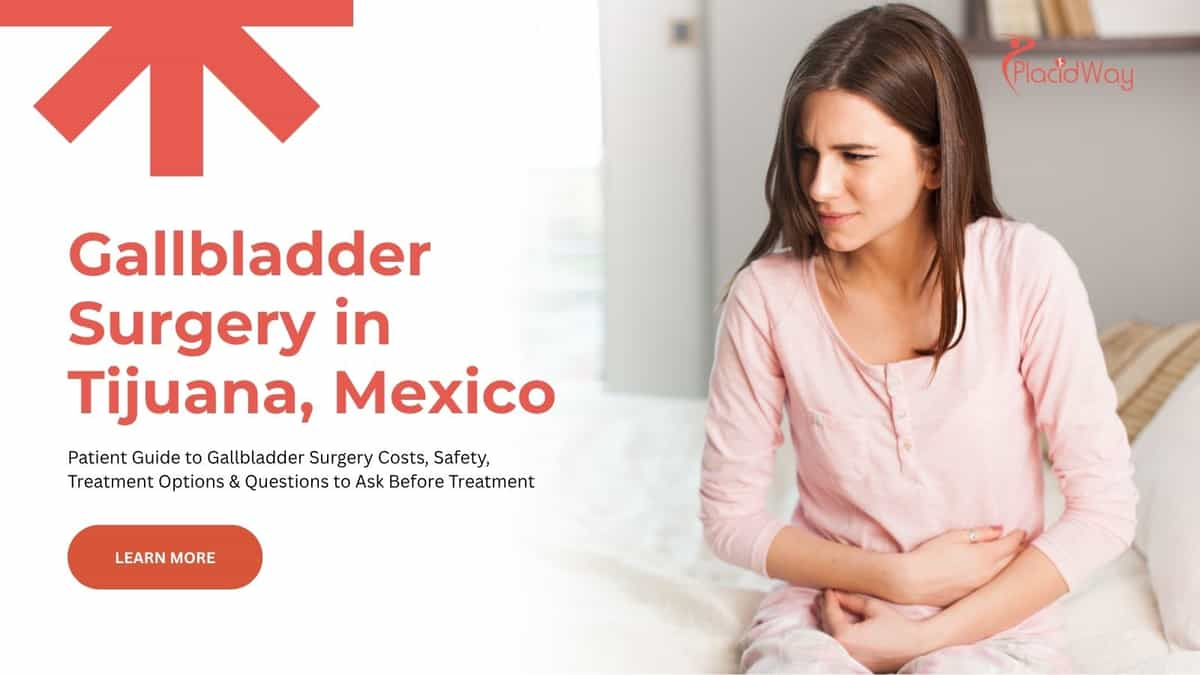
If you are struggling with severe abdominal pain from gallstones but facing high medical deductibles or long wait times at home, traveling across the border for medical care requires careful planning. This comprehensive guide helps you evaluate if cholecystectomy in Baja California is the right choice for your health needs and budget. We will explore expected out-of-pocket costs, explain essential safety certifications like COFEPRIS to verify before booking, and outline exactly what to expect from your consultation to your journey home.
- Estimated Cost: Typically ranges between $4,500 and $6,500 USD for an all-inclusive surgical package.
- Safety Overview: Highly safe when performed at a facility licensed by the Mexican Ministry of Health and COFEPRIS.
- Ideal Candidate: Individuals with symptomatic gallstones who are medically cleared for travel and elective surgery.
- Recovery Time: Usually requires one night in the hospital and four to seven days of light recovery in a local hotel before traveling home.
- Main Reason to Travel: Significant cost savings compared to US healthcare prices, coupled with immediate access to board-certified general surgeons.
- Important Caution: Always verify that your surgeon holds active credentials from the Mexican Association of General Surgery before proceeding.
Understanding Gallbladder Surgery in Tijuana Mexico
Gallbladder removal, medically known as a cholecystectomy, is a standard surgical procedure to treat gallstones and related biliary complications. When your gallbladder becomes inflamed or blocked by stones, it can cause intense pain, nausea, and digestive issues that severely impact your daily life. Because this organ is not strictly essential for survival, surgically removing it is often the most effective way to eliminate these symptoms permanently.
Many international patients look southward because the Mexican healthcare system operates alongside the US border, providing high-quality care at a fraction of standard American hospital rates. In Tijuana, leading general surgeons routinely perform this procedure using minimally invasive laparoscopic techniques. This approach reduces trauma to your abdominal wall and encourages a much smoother healing process.
Main Reasons Patients Travel for Gallbladder Removal
Living with chronic gallstone pain while waiting for an affordable surgical date can be incredibly stressful. In the United States and Canada, uninsured or underinsured patients often encounter overwhelming hospital estimates that delay their necessary care. Tijuana offers an accessible alternative right across the San Diego border, combining modern medical infrastructure with immediate scheduling availability.
Medical tourists primarily choose this destination to regain control over their health timelines and finances. By bypassing complex insurance networks and utilizing transparent, cash-pay medical packages, you can address your painful symptoms promptly. Furthermore, many dedicated medical tourism clinics employ bilingual staff and offer comprehensive assistance that simplifies the cross-border journey.
- Transparent upfront pricing
- Minimal to no wait times
- Proximity to major US airports
- Highly experienced surgical teams
- Requires international travel
- Post-op follow-up occurs remotely
- Must arrange travel companions
- Need to verify clinic credentials carefully
How Much Does Gallbladder Surgery Cost in Tijuana Mexico
Pricing transparency is one of the most compelling reasons individuals seek medical treatment abroad. In Tijuana, most specialized clinics offer all-inclusive surgical packages designed specifically for international patients. These packages typically cover the surgeon's fee, anesthesiologist costs, operating room time, standard medications, and your initial overnight hospital stay.
On average, you can expect to pay between $4,500 and $6,500 USD for a straightforward laparoscopic cholecystectomy. However, this base price can fluctuate depending on your specific anatomical needs, the hospital's prestige, and whether you require additional diagnostic imaging before the operation. It is essential to request a detailed, itemized quote so you know exactly what your payment covers.
| Expense Category | Estimated Cost Range in USD |
|---|---|
| Surgical Procedure Package | $4,500 - $6,500 |
| Pre-operative Blood Tests | Included or up to $150 |
| Abdominal Ultrasound | Included or up to $200 |
| Post-operative Medications | $50 - $100 |
| Local Hotel Accommodation | $80 - $150 per night |
Cost Comparison Between Tijuana and the United States
Understanding the dramatic price difference helps clarify why cross-border medical travel is so popular. In the United States, a hospital-based gallbladder removal without insurance can easily generate bills exceeding $15,000 to $30,000. Even with private insurance, high deductibles and co-pays can leave you responsible for several thousand dollars out of pocket.
Tijuana clinics maintain lower operational overhead, reduced administrative burdens, and lower liability insurance premiums compared to their American counterparts. These systemic savings are passed directly to you through affordable flat-rate packages. This financial relief allows you to receive prompt medical attention without depleting your life savings.
| Country | Average Estimated Cost USD | Wait Time Expectation |
|---|---|---|
| United States | $15,000 - $30,000+ | Weeks to Months |
| Canada | Fully Covered Publicly | Often 6 to 12 Months |
| Tijuana Mexico | $4,500 - $6,500 | Days to Weeks |
Hidden Costs to Consider Before Your Medical Trip
While the advertised medical packages are highly inclusive, smart financial planning requires budgeting for expenses outside the hospital walls. Many patients focus solely on the surgical fee and forget to account for the logistical aspects of international travel. Planning for these secondary costs ensures your medical journey remains stress-free and within your overall budget.
You must factor in your transportation to San Diego or directly into Tijuana, alongside food and lodging for both you and your travel companion. Additionally, if your medical evaluation reveals a complex infection or requires an open surgery rather than a laparoscopic approach, your medical costs may increase. Always set aside a contingency fund for unexpected travel or medical variations.
- Round-trip flights or gas money
- Hotel stay for recovery days in Mexico
- Meals and ground transportation
- International phone or data plans
- Medical complications insurance policy
How to Choose a Safe Clinic and Surgeon in Tijuana
Your safety and surgical outcome depend entirely on the quality of the medical provider you select. Tijuana boasts numerous world-class medical facilities, but it also has clinics that may lack the appropriate intensive care infrastructure. Thoroughly vetting your prospective surgeon and hospital is the most crucial step in your medical tourism journey.
Always prioritize facilities that operate like fully equipped hospitals rather than standalone cosmetic surgery centers. A reputable clinic for general surgery will have an on-site Intensive Care Unit, modern diagnostic imaging, and an in-house laboratory. Furthermore, your chosen surgeon should exclusively specialize in general or gastrointestinal surgery, with a proven history of performing successful cholecystectomies.
| Verification Step | What to Look For |
|---|---|
| Surgeon Experience | Specialization in general or digestive surgery with high case volume. |
| Medical Board Status | Active certification with the Mexican Board of General Surgery. |
| Facility Capability | Access to an ICU and emergency transfer protocols. |
| Transparency | Provides direct communication and itemized written quotes. |
Essential Mexican Healthcare Regulations and Certifications
Navigating healthcare credentials in a foreign country can feel confusing, but Mexico has clear regulatory bodies that enforce medical standards. The primary organization you must look for is COFEPRIS, the Federal Commission for the Protection against Sanitary Risk. Any clinic operating legally in Tijuana must hold a current COFEPRIS license, which dictates strict hygiene, safety, and equipment standards.
Beyond basic licensing, top-tier hospitals often pursue national accreditation from the Consejo de Salubridad General. This council applies rigorous quality evaluations similar to international accrediting bodies. While international accreditations like JCI are excellent indicators of quality, they are not mandatory; a clinic heavily regulated by national Mexican authorities is typically very safe.
Understanding Laparoscopic versus Open Gallbladder Surgery
During your consultation, your surgeon will determine the safest surgical technique based on your specific gallbladder condition. The overwhelming majority of cholecystectomies in Tijuana are performed laparoscopically. This modern method involves making three or four tiny incisions in your abdomen, using a camera and specialized instruments to detach and remove the diseased gallbladder.
In rare instances, severe inflammation, dense scar tissue from previous surgeries, or unexpected anatomical complexities may require an open surgery. An open cholecystectomy requires a single larger incision below your right rib cage. While an open procedure extends your recovery time, surgeons only choose this method when it is absolutely necessary to ensure your safety during the operation.
| Feature | Laparoscopic Approach | Open Approach |
|---|---|---|
| Incisions | Three to four very small cuts | One large cut below the ribs |
| Hospital Stay | Typically one night | Two to three nights |
| Recovery Time | Usually one to two weeks | Four to six weeks |
| Post-op Pain | Generally mild to moderate | More significant requiring rest |
Who Is an Ideal Candidate for Gallbladder Removal Abroad
Traveling for surgery requires a stable baseline of health to endure both the procedure and the journey. You may be an excellent candidate for treatment in Tijuana if you suffer from symptomatic gallstones, biliary colic, or chronic gallbladder inflammation but are otherwise in good general health. Patients with clear diagnostic imaging confirming the need for a cholecystectomy typically proceed smoothly through the medical tourism process.
Conversely, cross-border treatment may not be appropriate if you suffer from severe, unmanaged conditions such as advanced heart disease, complex bleeding disorders, or active acute infections like severe pancreatitis. Your Mexican surgical team will thoroughly review your medical history, blood work, and ultrasound results during your initial virtual consultation to ensure traveling is medically sound.
| Ideal Candidates Usually Have | Cautious Candidates Usually Have |
|---|---|
| Diagnosed gallstones causing pain | Uncontrolled diabetes or high blood pressure |
| Ability to travel comfortably | Recent heart attacks or strokes |
| A support person to travel with them | Morbid obesity complicating anesthesia |
| Clear understanding of recovery needs | Active severe systemic infections |
Step by Step Gallbladder Surgery Process in Mexico
Understanding the exact sequence of events helps calm pre-surgical anxiety and allows you to plan your travel logistics efficiently. Your journey begins long before you cross the border, starting with the secure transmission of your medical records and ultrasound images to your chosen clinic. Once the surgical team reviews your case, they will issue a preliminary approval and help you select a surgery date.
Upon arriving in Tijuana, you will complete in-person pre-operative testing to verify your fitness for anesthesia. The surgery itself takes approximately one to two hours under general anesthesia. Afterward, you will wake up in a private recovery room where nursing staff will monitor your vitals, manage any discomfort, and help you transition to walking to prevent blood clots.
- Day 1: Arrival, pre-op bloodwork, and surgical consultation.
- Day 2: Surgery is performed; overnight stay in the hospital.
- Day 3: Discharge from hospital; move to a local recovery hotel.
- Day 4-6: Rest at the hotel with remote or in-person nursing check-ins.
- Day 7: Final surgical clearance and travel back home.
Patient Demographics and Travel Trends for Tijuana
The landscape of cross-border healthcare has grown significantly as patients seek high-quality, affordable relief for general surgical needs. Recent healthcare travel data from 2024 and 2025 highlights that patients heading to Baja California for procedures like cholecystectomy are remarkably diverse. While cost savings remain a primary motivator, timely access to care drives a large volume of North American patients southward.
Data from recent medical tourism registries indicates that the majority of patients seeking gallbladder surgery are between the ages of 30 and 60, reflecting the typical onset of symptomatic gallstones. Furthermore, there has been a steady, verified upward trend in general surgery volumes in Tijuana between 2024 and 2026, as word-of-mouth recommendations and transparent clinic practices build international trust.
Patient Age Distribution for Cross-Border General Surgery (2025 Data)
This bar chart illustrates the typical age brackets of North American patients traveling to Tijuana for elective abdominal procedures, based on 2025 medical tourism demographic surveys.
Cross-Border Patient Volume Trend (2024-2026)
Tracking the verified growth of US and Canadian patient arrivals for elective general surgery in Baja California over a three-year period.
Expected Recovery Timeline After Gallbladder Removal
Because the laparoscopic approach is minimally invasive, your body begins to recover remarkably quickly. In the immediate days following your surgery, you will experience soreness near the incision sites and possible shoulder pain. This shoulder discomfort is a very common side effect caused by the carbon dioxide gas used to safely inflate your abdomen during the operation.
Your digestive system will also need time to adjust to functioning without a gallbladder. Bile will now flow directly from your liver into your intestines continuously, rather than being stored. Consequently, your surgeon will recommend eating small, frequent, and low-fat meals during the first few weeks to prevent temporary digestive upsets such as diarrhea or bloating.
| Timeframe | Clinical Healing Process | Patient Sensation | Activity Required |
|---|---|---|---|
| Days 1 to 3 | Incision sites close; anesthesia clears. | Abdominal soreness, fatigue, shoulder pain. | Short, frequent walks; strictly rest. |
| Days 4 to 7 | Internal swelling reduces; gas dissipates. | Improving energy; mild digestive changes. | Light activity; begin travel back home. |
| Weeks 2 to 4 | Deep tissue healing; digestion adapts. | Feeling mostly normal; rare fatigue. | Return to desk work; avoid heavy lifting. |
Potential Risks and How to Manage Complications Abroad
All surgical interventions carry a baseline level of clinical risk, regardless of whether they are performed in the United States or Mexico. While laparoscopic gallbladder removal is statistically one of the safest abdominal surgeries, potential complications can include wound infections, minor bleeding, or rare injuries to the common bile duct. Managing these risks begins with strict compliance to your surgeon's pre-operative instructions.
If a complication arises after you return to your home country, you must have a plan in place. Reputable medical tourism clinics provide detailed surgical operative reports in English that you can share with your local primary care physician or local emergency department. Additionally, purchasing medical complications insurance before your trip can help cover unexpected medical expenses back home.
| Potential Risk | Prevention Strategy |
|---|---|
| Incision Infection | Keep wounds clean and dry; complete all prescribed antibiotics. |
| Blood Clots | Walk frequently after surgery; stay adequately hydrated. |
| Digestive Issues | Slowly introduce bland, low-fat foods; avoid greasy meals. |
| Bile Leak (Rare) | Choose an experienced, board-certified surgeon with high success rates. |
Travel Planning and Crossing the Border into Tijuana
Reaching Tijuana is a straightforward process for North American patients, primarily facilitated through the nearby San Diego International Airport. From the airport, the border crossing at San Ysidro is only about a twenty-minute drive. Most high-quality medical clinics offer complimentary VIP ground transportation, sending a bilingual driver to pick you up in San Diego and escort you directly to the hospital.
You must carry a valid passport for your return journey into the United States. Furthermore, if your doctor prescribes pain medication for your recovery, ask the clinic to provide an official medical letter explaining the necessity of these prescriptions. This documentation ensures a smooth and legal re-entry process when interacting with US Customs and Border Protection officers.
| Time Before Travel | Travel Planning Action Required |
|---|---|
| 4 Weeks Prior | Verify passport validity; submit medical records to the clinic. |
| 2 Weeks Prior | Book flights to San Diego; confirm hotel and transfer details. |
| 1 Week Prior | Pack comfortable, loose-fitting clothing; review medication lists. |
| Day of Travel | Follow fasting instructions; meet your clinic driver in San Diego. |
Preparing for Your Surgery and Hospital Stay
Proper preparation is the key to minimizing anxiety and ensuring optimal healing. Your surgeon will ask you to stop taking specific medications, such as blood thinners, certain anti-inflammatory drugs, or herbal supplements, well before your procedure. Adhering to these medication guidelines is critical to prevent excessive bleeding during the operation.
Pack a light hospital bag focused purely on comfort. Because your abdomen will be swollen and tender after surgery, bring slip-on shoes, loose sweatpants, and button-up shirts that do not put pressure on your stomach. Remember to bring entertainment like a tablet or books, as your hospital room will serve as your quiet recovery sanctuary for the first twenty-four hours.
Post Operative Care and Traveling Back Home Safely
Once your surgical team clears you for discharge, you will transition to a nearby hotel to recover for a few days before attempting a long flight or drive. During this period, you must focus entirely on gentle movement, deep breathing exercises to keep your lungs clear, and staying hydrated. Avoid lifting anything heavier than five pounds, including your own luggage.
When you are ready to travel home, prioritize comfort during transit. If you are flying, request wheelchair assistance at the airport to avoid strenuous walking through long terminals. During the flight or drive, wear a seatbelt carefully over your lap—not directly across your abdominal incisions—and plan to take short breaks to stand and stretch to maintain healthy circulation.
Frequently Asked Questions About Gallbladder Surgery
Is it safe to have gallbladder surgery in Tijuana?
Yes, it is generally safe when you choose a reputable hospital certified by COFEPRIS and a surgeon board-certified in general surgery. The surgical techniques, anesthesia protocols, and equipment used in top-tier Tijuana clinics meet stringent international standards.
How long do I need to stay in Mexico for the procedure?
Most patients stay in Tijuana for about four to five days total. This includes one night in the hospital and three to four days resting at a nearby hotel before the surgical team clears you for travel back home.
What diet should I follow after my gallbladder is removed?
Your doctor will recommend starting with clear liquids and slowly progressing to bland, low-fat foods. You should temporarily avoid fried foods, rich dairy, and spicy meals to allow your digestive system to adapt to the continuous flow of bile.
Will there be a language barrier with the surgical team?
Reputable medical tourism clinics in Tijuana cater heavily to American and Canadian patients. The lead surgeons and coordinating staff are highly fluent in English, ensuring clear communication regarding your care and recovery instructions.
Does US health insurance cover surgery in Mexico?
Most standard US health insurance plans do not cover elective treatments performed outside the country. However, the out-of-pocket cash price in Tijuana is often lower than the deductible you would pay at a local hospital.
Can I travel alone for my surgery?
While some clinics offer comprehensive nursing care to assist solo travelers, it is highly recommended to bring a friend or family member. A companion can help carry luggage, assist you in the hotel, and provide emotional support.
How do I cross the border back into the United States?
You will cross the border via car or a dedicated medical shuttle lane. You must present your valid passport to customs officials. Ensure you have copies of your medical records and prescriptions to explain your recent surgery.
What happens if the surgeon discovers a complication during surgery?
If intense inflammation or scar tissue prevents a safe laparoscopic procedure, the surgeon may convert to an open surgery. You will be informed of this possibility beforehand, as an open procedure requires a longer hospital stay.
How soon can I return to work after returning home?
If you work a desk job, you can typically return within one to two weeks after a laparoscopic procedure. If your job requires heavy lifting or strenuous physical activity, you may need four to six weeks of modified duty.
Are the costs quoted for surgery truly all inclusive?
Most medical packages cover the surgeon, anesthesia, facility fees, and the first night of hospitalization. However, hotels, flights, and meals are usually your responsibility. Always ask for a written, itemized estimate before making a deposit.
Ready to Explore Your Surgical Options in Mexico?
PlacidWay can help you compare trusted providers, review detailed treatment costs, and request information from certified clinics in Tijuana.
Request Your Free Quote TodayDisclaimer: This information is for educational purposes only and does not replace professional medical advice. Always consult a qualified healthcare provider before making medical decisions.
References
- Cholecystectomy Educational Guide – American College of Surgeons
- Health Services Regulation and Safety Standards – COFEPRIS Mexico
- Treatment for Gallstones and Gallbladder Removal – National Institute of Diabetes and Digestive and Kidney Diseases
- Medical Tourism Travel Health Guidelines – Centers for Disease Control and Prevention
- Laparoscopic Cholecystectomy Clinical Overview – StatPearls NCBI
- Patient Information for Laparoscopic Gallbladder Removal – Society of American Gastrointestinal and Endoscopic Surgeons
- Cross-Border Healthcare and Medical Tourism Trends 2024 – Medical Tourism Training Journal























Share this listing