


Overview of Penile Augmentation Procedures in Mexico
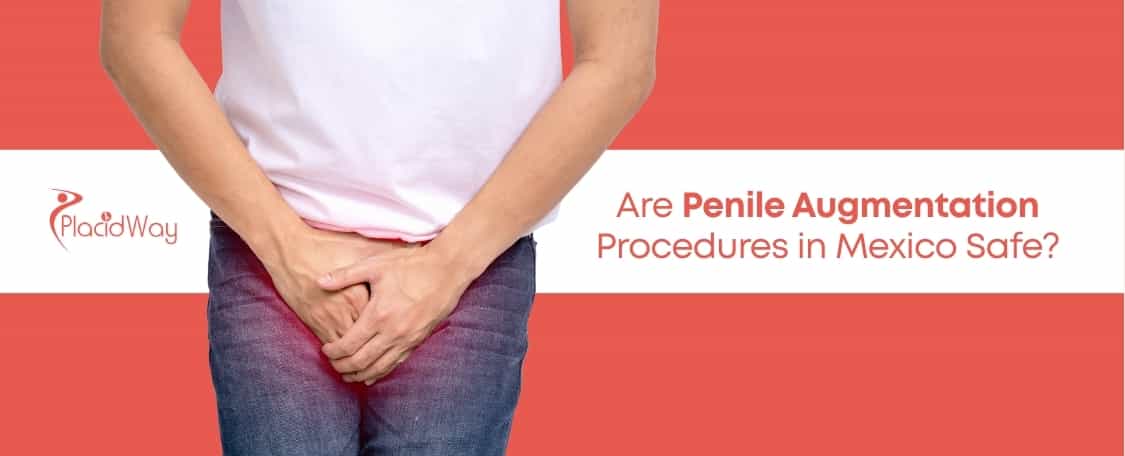
Considering penile augmentation procedures in Mexico is a significant decision that naturally brings up questions about safety, effectiveness, and the overall experience. Many individuals explore medical tourism in Mexico due to potentially lower costs compared to their home countries, especially for elective cosmetic procedures.
However, the appeal of affordability must always be balanced with a rigorous evaluation of safety standards and the qualifications of medical professionals. Navigating the landscape of male enhancement procedures, particularly in a foreign country, requires diligent research and an understanding of what constitutes a safe and reputable practice.
While Mexico hosts many world-class clinics and highly skilled surgeons, it also has facilities that may not adhere to international safety guidelines. This article aims to provide comprehensive answers to common questions, helping you make an informed decision about penile augmentation in Mexico.
Are Penile Augmentation Procedures in Mexico Generally Safe?
Many clinics in Mexico that cater to medical tourists maintain high standards of care, comparable to those found in the United States or Canada. These reputable facilities often employ surgeons with international training and certifications, utilize modern equipment, and follow strict hygiene protocols.
They also typically have transparent processes for patient consultations, pre-operative evaluations, and post-operative care. However, the safety of penile augmentation in Mexico is not universal across all providers. There is a range of quality, and it is crucial for prospective patients to conduct extensive due diligence.
Choosing a clinic solely based on price without verifying credentials and facility accreditations can lead to complications and unsatisfactory outcomes. It's essential to look for specific markers of quality and safety to ensure a positive experience.
What Types of Penile Augmentation Procedures Are Offered in Mexico?
Mexico offers a variety of penile augmentation options, similar to what you would find in other countries. The most sought-after procedures typically address concerns about girth or length.
- Fat Transfer (Autologous Fat Grafting): This procedure involves liposuction to harvest fat from another part of the patient's body (e.g., abdomen, thighs), which is then processed and injected into the shaft of the penis to increase girth. It's a popular option due to its natural feel and reduced risk of allergic reactions, as the material comes from the patient's own body.
- Dermal Fillers: Non-surgical options using hyaluronic acid-based fillers can temporarily increase penile girth. These procedures are less invasive than fat transfer but require repeat treatments as the body gradually absorbs the filler. While popular, patients need to understand that the results are not permanent.
- Suspensory Ligament Release: For length enhancement, surgeons may partially or fully sever the suspensory ligament that attaches the penis to the pubic bone. This can allow a portion of the penis normally inside the body to extend outwards, potentially adding visible length. This procedure often requires significant post-operative stretching to maintain results.
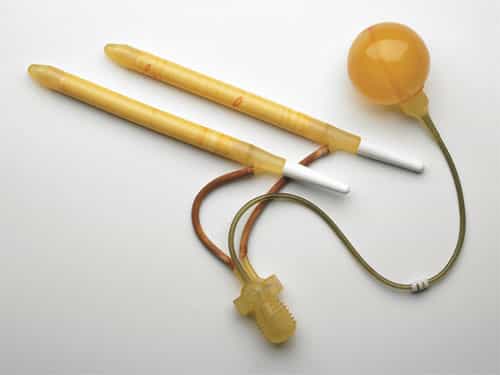
- Penile Implants (Prosthesis): Primarily used to treat erectile dysfunction, penile implants also provide rigidity and can result in a perceived increase in length or girth when flaccid. These are more complex surgical procedures, typically reserved for patients with severe erectile dysfunction who have not responded to other treatments.
How Can I Verify the Safety and Credentials of Clinics in Mexico?
Verifying the legitimacy and quality of a medical facility and its staff is paramount for your safety and satisfaction. Here are key steps:
- Accreditation: Look for clinics accredited by international bodies such as the Joint Commission International (JCI) or the Accreditation Association for Ambulatory Health Care (AAAHC). These accreditations signify adherence to rigorous international standards for patient care and safety.
- Surgeon's Credentials: Ensure your surgeon is board-certified in urology or plastic surgery. Verify their training, years of experience, and their specific expertise in penile augmentation procedures. You can often check this through national medical boards in Mexico or international medical societies they may belong to.
- Facility Standards: Inquire about the operating room's safety standards, sterilization protocols, and emergency preparedness. Ask if the facility has an anesthesiologist on staff for surgical procedures.
- Patient Reviews and Testimonials: Search for independent patient reviews on trusted medical tourism platforms, forums, and social media. Be wary of clinics with only overwhelmingly positive, generic reviews. Look for balanced feedback.
- Direct Communication: Engage in thorough consultations, preferably virtual and then in-person, to ask all your questions. A reputable clinic and surgeon will be transparent and willing to provide detailed information about the procedure, risks, recovery, and their qualifications.
What Are the Common Risks Associated with Penile Augmentation Surgery?
Like any surgical or invasive procedure, penile augmentation carries potential risks. Understanding these risks before proceeding is critical.
- Infection: Any incision site can become infected. This risk is minimized with proper sterile techniques during surgery and diligent post-operative care.
- Hematoma or Seroma: Accumulation of blood (hematoma) or fluid (seroma) under the skin, which may require drainage.
- Uneven or Asymmetrical Results: The augmentation may not be perfectly symmetrical, leading to an undesirable aesthetic outcome. This is a particular concern with fat transfer and filler injections.
- Nerve Damage: Though rare, there is a risk of temporary or permanent nerve damage, which could affect sensation or erectile function.
- Scarring: All surgical procedures result in some degree of scarring. Surgeons aim to place incisions discreetly, but visible scars are possible.
- Pain and Swelling: Expected post-operative symptoms, but prolonged or severe pain should be reported to the medical team.
Complications Specific to Procedure:
- Fat Transfer: Fat reabsorption (leading to loss of volume), fat necrosis (hard lumps), calcification.
- Dermal Fillers: Migration of filler, granuloma formation, vascular compromise.
- Suspensory Ligament Release: Instability of the penis during erection, changes in angle, persistent pain.
What is the Typical Cost of Penile Augmentation in Mexico Compared to the US?
One of the primary reasons individuals consider medical tourism for penile augmentation in Mexico is the cost savings. The exact price varies based on the specific procedure, the surgeon's reputation, the clinic's location, and the complexity of the case. Here is a general comparison:
| Procedure Type | Estimated Cost in Mexico (USD) | Estimated Cost in US (USD) |
|---|---|---|
| Fat Transfer (Girth) | $3,000 - $6,000 | $8,000 - $12,000+ |
| Dermal Fillers (Girth) | $1,500 - $4,000 (per session) | $4,000 - $8,000 (per session) |
| Suspensory Ligament Release (Length) | $4,000 - $8,000 | $10,000 - $15,000+ |
These figures are estimates and can vary widely. It is crucial to get a detailed quote from any clinic you consider, ensuring it includes all aspects such as surgeon's fees, anesthesia, facility costs, and post-operative care. Remember that while cost is a factor, it should not be the sole determinant when choosing a medical provider for a sensitive procedure.
Is Medical Tourism for Penile Augmentation Common in Mexico?
Mexico has established itself as a global hub for medical tourism, attracting hundreds of thousands of patients annually, particularly from the United States and Canada. Its proximity to these countries, combined with favorable exchange rates and the presence of many modern, well-equipped hospitals and clinics, makes it an attractive destination for various medical and cosmetic procedures.
While specific statistics for penile augmentation are not widely publicized, it falls under the broader category of cosmetic surgery, which is a significant driver of medical tourism to Mexico. Patients seeking male enhancement procedures often travel to cities like Tijuana, Cancun, Guadalajara, and Mexico City, where there is a concentration of clinics specializing in aesthetic and reconstructive surgery.
The prevalence of medical tourism for these procedures means that many clinics are experienced in catering to international patients, offering services like airport transfers, accommodation assistance, and multilingual staff.
What Post-Operative Care is Required After Penile Augmentation?
Proper post-operative care is just as crucial as the surgery itself for ensuring a successful outcome and minimizing complications. Your surgeon will provide specific instructions tailored to your procedure. General post-operative guidelines often include:
- Rest: Limiting physical activity and ensuring adequate rest is essential for healing. Strenuous exercise, heavy lifting, and activities that could strain the surgical area are typically restricted for 4-6 weeks.
- Sexual Abstinence: Refraining from sexual intercourse and masturbation for a period, usually 4-8 weeks, is critical to allow the tissues to heal properly and prevent disruption of the augmentation.
- Pain Management: Mild to moderate pain and discomfort are common. Your surgeon will prescribe pain medication to manage this.
- Swelling and Bruising: These are normal and usually subside within a few weeks. Applying cold compresses (as advised by your surgeon) can help reduce swelling.
- Wound Care: Keeping the surgical area clean and dry is vital to prevent infection. You will receive instructions on how to care for incisions, including dressing changes.
- Compression: For girth procedures like fat transfer, some surgeons may recommend wearing a mild compression garment to help reduce swelling and aid in contouring.
- Follow-up Appointments: It is essential to attend all scheduled follow-up appointments, both immediately after surgery and in the weeks following, to monitor healing and address any concerns. If you are traveling, discuss arrangements for remote follow-ups or local care with your surgeon.
Are There Non-Surgical Options for Penile Enhancement Available in Mexico?
For those hesitant about surgery, Mexico also offers various non-surgical approaches to penile enhancement. These methods generally involve less downtime and fewer risks than surgical procedures, but their results can be temporary or less dramatic.
- Dermal Fillers: As mentioned previously, hyaluronic acid fillers are a popular non-surgical option for increasing girth. They are injected directly into the penile shaft and provide immediate, though temporary, results. The effects typically last 12-24 months before the filler is naturally absorbed by the body, requiring repeat treatments.
- Platelet-Rich Plasma (PRP) Injections: The "P-Shot" involves injecting concentrated platelets derived from the patient's own blood into the penis. While some proponents suggest it can improve erectile function, sensation, and even size, scientific evidence supporting significant size augmentation is limited and results vary widely among individuals.
- Vacuum Devices and Extenders: These external devices are designed to increase length over time through consistent, gentle traction or suction. While they can offer modest results for some, they require dedication and long-term use, and their efficacy is not universally proven for significant and permanent size changes. Clinics may offer guidance on their use as part of a comprehensive approach.
What Should I Ask a Surgeon Before Undergoing a Procedure in Mexico?
A thorough consultation is your opportunity to gather all necessary information and assess the surgeon's expertise and the clinic's professionalism. Here's a checklist of questions:
Surgeon's Qualifications:
- "Are you a board-certified urologist or plastic surgeon?"
- "How many years of experience do you have performing penile augmentation procedures?"
- "Can you share before-and-after photos of your previous patients for the specific procedure I am interested in"
Procedure Details:
- "What specific technique will you use, and why is it best for my case?"
- "What are the realistic expected outcomes and potential limitations?"
- "What are the potential risks and complications, and how do you manage them?"
Clinic and Anesthesia:
- "Is your facility accredited by any international bodies (e.g., JCI)?"
- "Who will administer the anesthesia, and what are their qualifications?"
- "What emergency protocols are in place?"
Recovery and Aftercare:
- "What is the expected recovery timeline, and what activities should I avoid?"
- "What post-operative care will be provided, and for how long? "
- "How will follow-up appointments be handled once I return home?"
Cost and Logistics:
- "What is the total cost, and what exactly is included (surgeon's fee, anesthesia, facility, follow-ups, medications)?"
- "Are there any hidden fees?"
- "What is your policy regarding revisions or complications?"
How Does Mexico's Medical Regulations Compare to Other Countries for These Procedures?
Mexico has a robust framework of medical regulations governing healthcare providers, facilities, and medical practices. The General Health Law (Ley General de Salud) and regulations by COFEPRIS (Comisión Federal para la Protección contra Riesgos Sanitarios), which is Mexico's equivalent of the FDA, set standards for medical facilities, pharmaceuticals, and professional conduct.
However, the implementation and enforcement of these regulations can differ across the country. In larger cities and areas frequented by medical tourists, many private clinics and hospitals proactively seek international accreditations (like JCI) to demonstrate their commitment to high-quality care and patient safety, often surpassing local minimum requirements.
These facilities aim to meet or exceed standards found in countries with highly regulated healthcare systems. Conversely, in less scrupulous or smaller, unaccredited clinics, the adherence to these regulations might be laxer. This disparity means that while top-tier medical care in Mexico is excellent and safe, there is a greater onus on the individual patient to thoroughly vet their chosen provider.
In contrast, countries like the US, Canada, or the UK have highly standardized and centrally enforced regulatory bodies that ensure a consistent baseline level of safety and quality across nearly all licensed medical establishments. This difference underscores why personal research and verification of credentials are even more critical when considering procedures in Mexico.
Looking for trusted medical solutions abroad? Explore how PlacidWay connects you with top-tier healthcare providers and services worldwide. Visit PlacidWay to learn more about safe and effective medical tourism options for a variety of procedures.







.png)










Share this listing