


Understanding CAR-T Therapy for Lupus in China
CAR-T for Lupus in China is safe when performed at accredited international-standard facilities. China leads globally in autoimmune CAR-T research, offering rigorous safety protocols, expert medical teams, and comprehensive patient monitoring.
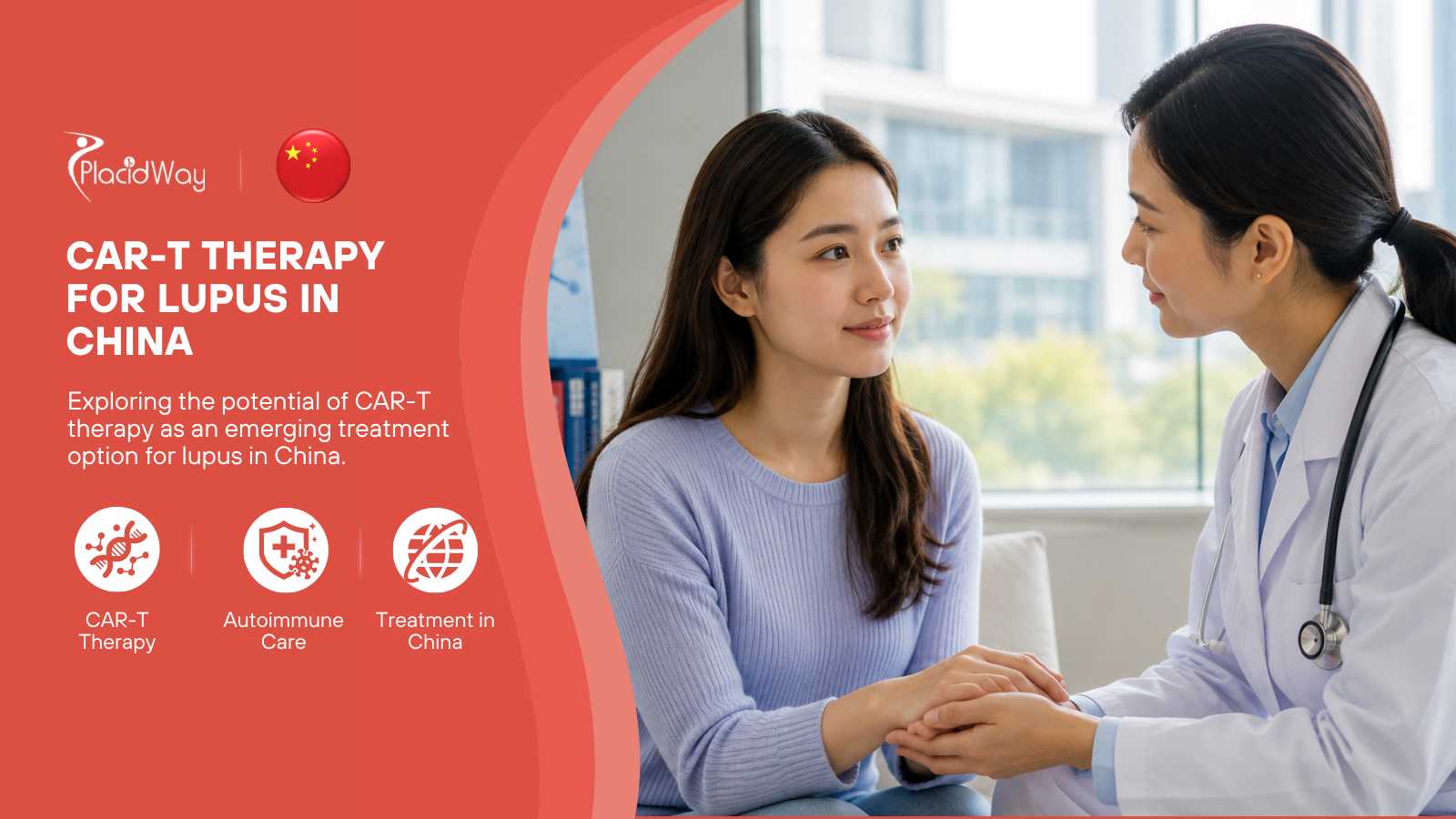
Key Takeaways: Advanced Autoimmune Care
- Pioneering Research Hub: Chinese researchers currently conduct the highest volume of cellular therapy trials for autoimmune disorders worldwide.
- Deep Remission Rates: Clinical data demonstrates unprecedented drug-free remission in patients with severe refractory systemic lupus erythematosus.
- Intensive Monitoring: Treatment protocols mandate extended inpatient hospitalization to proactively manage severe immune reactions like cytokine release syndrome.
- Cost Effectiveness: Patients access cutting-edge cellular engineering at a fraction of the projected commercial cost in Western healthcare systems.
- Targeted Mechanism: The therapy completely resets the immune system by selectively depleting the autoreactive B cells responsible for organ damage.
How does CAR T cell therapy treat Systemic Lupus Erythematosus?
This therapy extracts patient immune cells and reprograms them to target and destroy abnormal B cells causing lupus. This resets the immune system and halts the autoimmune attack on healthy organs.
Chimeric Antigen Receptor T-cell therapy represents a massive paradigm shift in treating severe autoimmune diseases. In systemic lupus erythematosus, malfunctioning B cells produce autoantibodies that relentlessly attack the patient's own healthy tissues, leading to severe kidney, heart, and skin damage. Traditional treatments simply suppress the entire immune system, leaving patients vulnerable to infections while rarely providing a total cure.
The cellular engineering process changes this dynamic completely. Medical specialists harvest the patient's own T cells and genetically modify them in a highly sterile laboratory to express synthetic receptors. These new receptors are specifically designed to hunt down cells presenting the CD19 protein, a marker found almost exclusively on the surface of B cells. Once reinfused into the bloodstream, these engineered super-cells multiply and begin their targeted eradication.
By completely wiping out the defective B-cell population, the therapy essentially forces a total immune system reboot. Once the engineered cells have completed their task, the body gradually generates a brand-new population of healthy, non-autoreactive B cells from the bone marrow. This deep tissue reset allows damaged organs to heal and has shown the potential to put even the most severe, treatment-resistant lupus into profound, long-lasting remission without the need for daily medications.
What is the average CAR-T for Lupus cost in China compared to other countries?
The CAR-T for Lupus cost in China typically ranges from $40,000 to $70,000 depending on the facility and specific protocol. This represents a fraction of the anticipated cost in Western healthcare systems.
- Cellular Extraction: The price includes the initial apheresis procedure where your blood is filtered to collect the necessary T cells.
- Laboratory Engineering: A significant portion of the cost covers the highly complex genetic modification and expansion of your cells in a specialized clean-room.
- Conditioning Chemotherapy: The mandatory lymphodepleting chemotherapy required to prepare your body for the new cells is factored into the total price.
- Inpatient Hospitalization: Comprehensive quotes include the required specialized hospital stay in a positive-pressure isolation room to protect your compromised immune system.
- Critical Care Monitoring: The cost encompasses around-the-clock monitoring by specialized hematologists and the preemptive medications required to manage potential severe side effects.
- Global Comparison: For context, similar oncological cellular therapies in the United States routinely exceed $400,000, making international options highly attractive for self-paying patients.
How do patients identify a safe CAR-T for Lupus clinic in China?
Finding a verified CAR-T for Lupus clinic in China requires checking for international accreditations and verifiable clinical trial history. Patients must prioritize facilities with dedicated cellular therapy intensive care units.
Selecting the right medical facility for an advanced cellular therapy is the most critical decision a patient will make. Because this is an emerging science, not all hospitals possess the specialized infrastructure required to safely execute the protocol. Patients should exclusively seek out tertiary academic medical centers or highly specialized research hospitals that have a documented history of successfully administering these cellular infusions.
A premier facility will possess an internationally certified Good Manufacturing Practice laboratory onsite or have an exclusive partnership with a top-tier biotechnology firm. This ensures the extracted cells are handled, engineered, and transported under the strictest sterile conditions imaginable. Furthermore, these facilities must have a dedicated transplant or cellular therapy ward equipped with High-Efficiency Particulate Air filtration systems to shield recovering patients from airborne pathogens.
Equally important is the multidisciplinary nature of the medical team. A safe clinic will not rely on a single doctor. The care team must seamlessly integrate rheumatologists who understand the nuances of lupus, hematologists experienced in handling engineered cells, and intensive care specialists trained specifically to mitigate sudden severe immune responses. Comprehensive pre-treatment consultations should always involve this entire board of specialists.
What are the severe risks associated with autoimmune CAR T therapy?
The most significant risks include Cytokine Release Syndrome and immune effector cell-associated neurotoxicity syndrome. Both require immediate specialized medical intervention and continuous inpatient monitoring.
While the potential for remission is incredibly promising, the therapy carries substantial medical risks that require profound respect and preparation. The most common severe complication is Cytokine Release Syndrome. When the engineered cells begin rapidly destroying the targeted B cells, they release massive amounts of inflammatory proteins called cytokines into the bloodstream. This can trigger an extreme systemic inflammatory response causing dangerously high fevers, drastic drops in blood pressure, and severe breathing difficulties.
Another serious complication is immune effector cell-associated neurotoxicity syndrome. This condition occurs when the inflammatory response breaches the blood-brain barrier, leading to sudden neurological issues. Patients experiencing this may exhibit profound confusion, difficulty speaking, tremors, and in severe cases, seizures or temporary coma. The onset can be rapid and terrifying for the patient and their family.
Because of these severe risks, top medical centers preemptively stock specific rescue medications like tocilizumab, which rapidly neutralizes the most dangerous inflammatory proteins. Highly trained nursing staff conduct rigorous neurological assessments every few hours during the critical post-infusion window. Prompt administration of corticosteroids and targeted biological inhibitors allows skilled medical teams to safely navigate patients through these potentially life-threatening storms.
How long does the entire treatment and recovery process take?
International patients should expect to stay abroad for approximately four to six weeks for the complete protocol. This timeline covers cell extraction, manufacturing, infusion, and the critical monitoring period.
- Initial Assessment Window: The first few days involve exhaustive cardiac, pulmonary, and renal testing to finalize medical clearance.
- Cellular Harvesting: The apheresis process takes one to two days, where blood is continuously cycled through a machine to separate the T cells.
- Manufacturing Wait Time: Patients experience a two to three-week waiting period while laboratory scientists genetically engineer and multiply the cells.
- Conditioning Phase: Just prior to the infusion, patients undergo three days of low-dose chemotherapy to create biological space for the new cells.
- Critical Monitoring Phase: Following the brief infusion, patients remain hospitalized for ten to fourteen days for intense observation and management of sudden immune reactions.
What makes medical tourism in China favorable for cellular therapies?
Patients pursue medical tourism in China because the country approves and innovates advanced cellular treatments rapidly. State support for biotechnology creates accessible pathways for compassionate use and clinical trials.
The landscape of global biotechnology has shifted dramatically over the past decade, positioning specific Asian markets at the absolute forefront of cellular engineering. Massive government investment in biomedical innovation has created a robust ecosystem of highly advanced laboratories operating alongside premier research hospitals. This proximity allows for rapid translational medicine, moving breakthrough therapies from the laboratory bench to the patient bedside much faster than heavily bureaucratized Western systems allow.
Furthermore, the high volume of cellular engineering taking place drives down the aggregate cost of manufacturing. By producing these customized therapies at scale for their massive domestic population, laboratories achieve economies of scale that make the price point remarkably accessible for international patients. These structural advantages mean patients can access next-generation treatments years before they achieve commercial approval in their home countries.
The regulatory environment also supports progressive clinical pathways for compassionate use. When patients with life-threatening, refractory autoimmune diseases exhaust all standard options, international healthcare hubs often provide accelerated ethical board approvals for experimental interventions. This provides a vital lifeline for individuals suffering from severe organ deterioration who simply cannot wait five to ten years for sluggish international regulatory bodies to finalize their approval processes.
Which lupus patients qualify for this advanced cellular treatment?
This therapy is strictly reserved for patients with severe refractory systemic lupus erythematosus who have failed standard immunosuppressive therapies. It is not currently utilized as a first-line treatment option.
- Treatment Resistance: Candidates must demonstrate documented failure of multiple conventional therapies, including high-dose corticosteroids and biological agents.
- Severe Organ Involvement: The protocol targets patients experiencing active, severe organ threat, such as advanced lupus nephritis affecting kidney function or cardiopulmonary involvement.
- Adequate Baseline Health: Despite severe autoimmune activity, patients must possess sufficient cardiac output and liver function to safely withstand the required conditioning chemotherapy.
- No Active Malignancies: Patients with a concurrent history of active cancers or severe uncontrolled chronic infections are typically excluded from current protocols.
- Psychological Readiness: Candidates must undergo psychological screening to ensure they understand the experimental nature of the treatment and can cope with the stressful isolation period.
What pre-treatment evaluations are necessary before the procedure?
Comprehensive evaluations assess cardiac function, renal health, and active infection status to ensure the patient can withstand conditioning chemotherapy. These baseline tests determine final eligibility for cell extraction.
Before any cellular harvesting can commence, medical teams mandate a rigorous battery of physiological tests to guarantee patient safety. Because systemic lupus erythematosus damages multiple organ systems simultaneously, specialists must determine exactly how much strain the body can handle. A cornerstone of this evaluation is a comprehensive echocardiogram and pulmonary function test to ensure the heart and lungs can survive potential extreme inflammatory responses post-infusion.
Infectious disease screening is incredibly strict. Doctors will test for latent viruses, including Hepatitis B, Hepatitis C, and HIV, as well as tuberculosis. The lymphodepleting chemotherapy required before the cellular infusion destroys the body's natural immune defenses. If a patient harbors a dormant virus, this immunosuppression could trigger a rapid, fatal viral reactivation. Any underlying infections must be aggressively treated and fully resolved prior to cellular extraction.
Finally, precise nephrological assessments evaluate kidney clearance rates. Lupus nephritis often severely compromises renal function. Because the kidneys must filter out the massive amounts of cellular debris created when the engineered cells destroy the targeted B cells, inadequate kidney function could lead to acute renal failure. These meticulous pre-treatment hurdles ensure that only patients with a high statistical probability of surviving the aggressive intervention are approved for the protocol.
Why Choose PlacidWay for organizing your autoimmune treatment abroad?
PlacidWay connects patients with fully vetted and accredited international medical centers offering advanced cellular therapies. Our platform ensures transparent pricing and direct access to leading cellular therapy specialists.
Rigorous Facility Vetting: We perform comprehensive verification of international medical facility credentials, ensuring hospitals possess the vital intensive care infrastructure required for complex cellular interventions.
Seamless Medical Review: We facilitate the rapid, secure transfer of your complex rheumatology records directly to specialized international medical review boards for accurate preliminary eligibility assessments.
Financial Transparency: We provide detailed, all-inclusive pricing structures that eliminate hidden medical fees, unexpected laboratory charges, and surprise hospital billing.
Dedicated Patient Advocacy: You gain immediate access to dedicated patient coordinators who expertly navigate hospital communication barriers and manage complex medical scheduling on your behalf.
Expert Teleconsultations: We organize secure, pre-treatment video consultations directly with certified international hematologists and leading researchers, allowing you to ask critical medical questions before making commitments.
Frequently Asked Questions About Cellular Therapies Abroad
Does CAR T therapy cure systemic lupus erythematosus completely?
Current clinical data indicates that CAR T cell therapy can induce deep and sustained drug-free remission in severe lupus patients. While researchers hesitate to use the word cure definitively at this early stage, long-term follow-ups show profound disease reset without returning symptoms.
Are Chinese cellular laboratories internationally certified?
Top-tier medical facilities offering cellular therapies in major Chinese cities hold international accreditations such as Joint Commission International. Their cellular laboratories adhere to strict Good Manufacturing Practice standards equivalent to Western regulatory requirements.
How soon do lupus symptoms improve after cell infusion?
Patients often report significant improvement in energy levels and joint pain within weeks of the infusion. Objective clinical markers like proteinuria and autoantibody levels typically normalize within one to three months post-treatment.
Will I need lifelong immunosuppressants after CAR T therapy?
The primary goal of this advanced treatment is to achieve a drug-free remission. Most successful trial participants have successfully tapered off their maintenance corticosteroids and immunosuppressants completely within months of receiving their modified cells.
Is it safe to travel back home immediately after the procedure?
Patients must remain near the treatment facility for at least four weeks post-infusion to monitor for delayed side effects like neurotoxicity or late-onset infections. Doctors will provide medical clearance only when immune markers indicate stable recovery.
What happens if I develop an infection during the recovery phase?
Because the conditioning chemotherapy depletes your immune system temporarily, you will be given prophylactic antibiotics and antivirals. If an active infection occurs, the hospital will admit you immediately for targeted intravenous antimicrobial therapy.
Do international medical insurance plans cover this procedure abroad?
Because this application of cellular therapy for autoimmune disease is still considered experimental in many jurisdictions, standard insurance rarely covers it. Patients typically rely on self-funding or specialized medical loans for these out-of-pocket expenses.
What dietary restrictions exist during the immune recovery phase?
Patients must adhere to a strict neutropenic diet to prevent foodborne illnesses while their white blood cell counts are low. This involves consuming only thoroughly cooked foods and avoiding unpasteurized dairy, raw fruits, and undercooked meats.
How long do the engineered T cells survive in the body?
The modified cells can persist in the bloodstream for months to years, acting as a living drug that continuously patrols for abnormal B cells. Even after the CAR T cells are no longer detectable, the newly regenerated B-cell population remains healthy and non-autoreactive.
What is the difference between autologous and allogeneic therapy?
Current autoimmune protocols utilize autologous therapy, meaning the cells are harvested from your own body, minimizing rejection risks. Allogeneic therapy uses donor cells and is currently less common due to higher risks of graft-versus-host disease.
Explore Advanced Lupus Treatments Today
References
Anti-CD19 CAR T cell therapy for refractory systemic lupus erythematosus – Nature Medicine
Understanding CAR T-Cell Therapy Research – Lupus Foundation of America
Guidelines for the Management of Systemic Lupus Erythematosus – American College of Rheumatology
.png)




.png)








Share this listing