
Clinic Accreditation for Abdominoplasty in Mexico

The idea of combining a medical procedure with international travel, often referred to as medical tourism, has gained significant popularity, especially for cosmetic surgeries like abdominoplasty. Many individuals are drawn to Mexico for tummy tucks due to the attractive cost savings and the opportunity to recover in a pleasant environment. However, a crucial question that often arises is: "Is it truly safe to get an abdominoplasty in Mexico?"
The straightforward answer is that safety, much like any medical procedure anywhere in the world, largely depends on diligent research, careful selection, and proper preparation. Mexico boasts many highly skilled, board-certified plastic surgeons and state-of-the-art medical facilities that adhere to international safety standards. With the right approach, choosing a reputable provider and understanding the process, patients can indeed have a safe and successful abdominoplasty experience. This guide aims to answer your most pressing questions, helping you navigate the decision-making process with confidence and clarity.
Is Abdominoplasty in Mexico as Safe as in the US or Canada?
The safety of an abdominoplasty, or tummy tuck, in Mexico can be comparable to procedures performed in the US or Canada, provided specific criteria are met. The key factors are the surgeon's qualifications, the accreditation of the medical facility, and the adherence to rigorous patient safety protocols. Many Mexican plastic surgeons receive training in the US, Europe, or other internationally recognized programs, and some hold dual certifications.
Modern hospitals and clinics in popular medical tourism destinations in Mexico are often equipped with advanced technology and follow strict hygiene and safety standards. Many facilities even seek international accreditations, such as those from the Joint Commission International (JCI), which signifies a commitment to high-quality patient care and safety that mirrors standards found in top medical institutions worldwide. Therefore, focusing on these indicators during your research is crucial for ensuring a safe experience.
How Can I Verify a Surgeon's Qualifications for a Tummy Tuck in Mexico?
Verifying your surgeon's qualifications is perhaps the most critical step in ensuring a safe abdominoplasty in Mexico. The primary certification body for plastic surgeons in Mexico is the Consejo Mexicano de Cirugía Plástica Estética y Reconstructiva (CMCPER). A surgeon certified by CMCPER has undergone extensive training, passed rigorous examinations, and committed to ongoing education, indicating a high level of expertise and ethical practice.
Beyond CMCPER certification, consider these verification steps:
- Hospital Privileges: Ensure your surgeon has admitting and operating privileges at accredited hospitals, not just private clinics.
- Experience: Inquire about their experience with abdominoplasty specifically, including the number of procedures performed and their success rates.
- Professional Memberships: Look for memberships in international professional organizations like the American Society of Plastic Surgeons (ASPS) or the International Society of Aesthetic Plastic Surgery (ISAPS), which often require adherence to global standards.
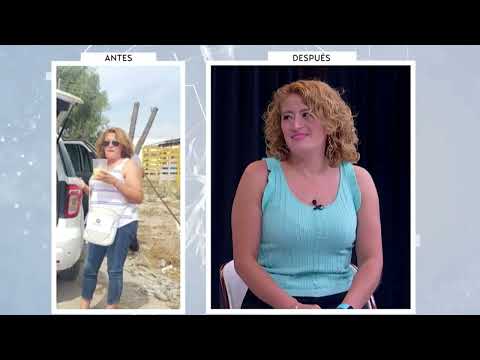
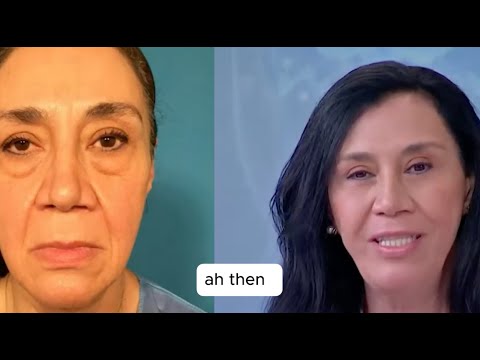
- Patient Testimonials & Reviews: While not a sole indicator, positive reviews and before-and-after photos can provide insight into a surgeon's patient care and aesthetic results.
- Virtual Consultation: Schedule a virtual consultation to discuss your goals, assess their communication style, and address any concerns directly before travel.
What Type of Facilities Should I Look for When Considering Abdominoplasty in Mexico?
The facility where your abdominoplasty is performed plays a significant role in your safety and the success of your recovery. Opting for a facility with proper accreditation demonstrates a commitment to high standards of patient care, safety, and hygiene. The Joint Commission International (JCI) is a globally recognized accrediting body, and facilities with JCI accreditation meet stringent international benchmarks for patient safety and quality.
When evaluating facilities, look for these features:
- Accreditation: Prioritize JCI-accredited hospitals or those with reputable national accreditations.
- Modern Equipment: Ensure the facility has up-to-date surgical equipment and technology.
- Sterilization Protocols: Confirm that the facility follows strict sterilization and infection control procedures.
- Anesthesia Team: The facility should have a dedicated and qualified anesthesia team, often board-certified anesthesiologists.
- Emergency Preparedness: The facility should be equipped for emergencies, with appropriate life support systems and protocols in place.
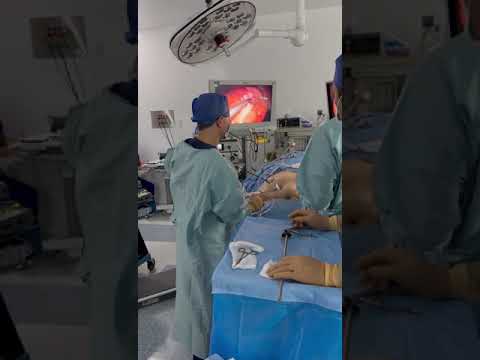
Private hospitals are generally preferred over smaller clinics for more complex procedures like abdominoplasty, as they typically offer a broader range of services, including intensive care units, should they be needed.
What are the Potential Risks of Getting a Tummy Tuck in Mexico?
Like any major surgical procedure, abdominoplasty carries inherent risks, regardless of where it's performed. These risks include:
- Infection: A risk with any incision, which can be mitigated by proper surgical technique and post-operative care.
- Bleeding or Hematoma: Accumulation of blood under the skin, which may require drainage.
- Seroma: Fluid accumulation under the skin, also potentially requiring drainage.
- Poor Wound Healing: Can lead to prolonged recovery or aesthetic concerns.
- Anesthesia Complications: Reactions to anesthesia, though rare, can occur.
- Numbness or Nerve Damage: Temporary or, less commonly, permanent changes in skin sensation.
- Unfavorable Scarring: While scars are inevitable, some individuals may develop raised or discolored scars.
- Asymmetry: Unevenness in the treated area.
When undergoing the procedure in Mexico, additional considerations might include language barriers, which can complicate communication with medical staff if not properly addressed, and potential travel complications during the recovery phase. It is essential to discuss all potential risks thoroughly with your surgeon and have a clear understanding of how they are managed.
What is the Average Cost of an Abdominoplasty in Mexico Compared to Other Countries?
One of the primary drivers for medical tourism to Mexico for abdominoplasty is the considerable cost savings. The cost of a tummy tuck in Mexico can be significantly lower than in countries like the United States or Canada, often ranging from $4,000 to $8,000 USD. This typically includes the surgeon's fees, anesthesia, and facility costs. In contrast, the same procedure in the US or Canada can range from $8,000 to $15,000 or even higher, excluding additional fees.
The reasons for this cost difference are multifaceted, including lower overhead expenses for medical facilities, lower malpractice insurance rates for surgeons, and more favorable exchange rates. It's crucial, however, to ensure that lower costs do not equate to lower standards of care. Always obtain a comprehensive quote that details everything included in the price, such as pre-operative consultations, post-operative garments, and follow-up visits, to avoid hidden costs.
How Long is the Recovery Period for an Abdominoplasty, and What Does it Involve?
The recovery from an abdominoplasty is a gradual process, with initial healing taking several weeks and full results appearing over many months. Immediately after surgery, you can expect some pain, swelling, and bruising, which can be managed with prescribed medication. You will also need to wear a compression garment to help reduce swelling and support the healing tissues.
Key aspects of the recovery period include:
- Initial Rest (1-2 weeks): Limiting physical activity, avoiding strenuous movements, and getting plenty of rest are crucial. Many patients find it comfortable to sleep in a slightly reclined position.
- Light Activity (2-4 weeks): Gradually increasing light walking to promote circulation and prevent blood clots, while still avoiding heavy lifting and bending.
- Compression Garment: Wearing this garment continuously for several weeks, as advised by your surgeon, is essential for optimal healing and contouring.
- Swelling Reduction: Swelling can persist for several weeks or even months, but will gradually subside.
- Scar Care: Your surgeon will provide instructions on how to care for your incision to minimize scarring.
For patients undergoing abdominoplasty in Mexico, it's vital to plan for an extended stay of at least 1-2 weeks post-surgery before traveling back home to ensure adequate initial recovery and follow-up with your surgical team.
What are the Requirements for Patients Considering a Tummy Tuck in Mexico?
To be considered a good candidate for an abdominoplasty, whether in Mexico or elsewhere, certain health and lifestyle criteria are generally required to ensure safety and optimal results. These requirements are put in place to minimize risks and enhance the success of the procedure.
Ideal candidates typically:
- Are in Good General Health: Free from medical conditions that could impair healing or increase surgical risks.
- Have a Stable Weight: It's recommended that patients be at or near their ideal body weight for at least 6-12 months prior to surgery. Abdominoplasty is not a weight-loss procedure.
- Are Non-Smokers: Smoking significantly increases the risk of complications, including poor wound healing and infection. Patients are usually required to stop smoking several weeks before and after surgery.
- Have Realistic Expectations: Understanding what the surgery can and cannot achieve is crucial for patient satisfaction.
- Have Excess Abdominal Skin and Fat: Often a result of significant weight loss or pregnancy, which diet and exercise cannot resolve.
A thorough pre-operative medical evaluation, including blood tests and a review of your medical history, will be conducted by your surgeon to ensure you are a suitable candidate.
How Should I Plan for Post-Operative Care and Follow-Up After My Tummy Tuck in Mexico?
Effective post-operative care and follow-up are vital for a smooth recovery and achieving the best results from your abdominoplasty. When undergoing surgery in Mexico, careful planning for this phase is especially important due to travel. You should allocate sufficient time for recovery within Mexico before attempting to travel back home. A stay of 1 to 2 weeks post-surgery is generally recommended to allow for initial healing, removal of drains if used, and the surgeon's initial follow-up appointments.
Before leaving Mexico, ensure you have:
- Clear Post-Operative Instructions: Detailed written instructions regarding wound care, medication, activity restrictions, and signs of potential complications.
- Emergency Contact Information: The direct contact details for your surgical team in case of concerns after returning home.
- Virtual Follow-Up Plan: Discuss options for virtual consultations or photo updates with your surgeon after you return home.
- Local Physician Coordination: Inform your local doctor about your surgery and provide them with all relevant medical records from your Mexican surgeon to ensure continuity of care. This is especially important for monitoring your healing process and addressing any unforeseen issues.
Are There Any Specific Concerns for Patients with Pre-existing Medical Conditions Getting Surgery in Mexico?
For individuals with pre-existing medical conditions, extra precautions and thorough planning are essential when considering any surgery, including abdominoplasty in Mexico. Conditions such as diabetes, hypertension, heart disease, or blood clotting disorders can significantly increase surgical risks. It is paramount to provide your Mexican surgeon with a complete and accurate medical history during your initial consultations.
Additionally, you should obtain comprehensive pre-operative clearances from your local primary care physician or specialists before traveling for surgery. These clearances should confirm that your condition is well-managed and that you are medically fit to undergo a major surgical procedure and general anesthesia. Your Mexican surgical team will review these clearances to ensure they can safely proceed with your abdominoplasty and manage any potential complications related to your specific health issues.
Transparency about your health status is not just a recommendation, it's a critical safety measure that allows your surgical team to make informed decisions and tailor your care plan appropriately, minimizing risks and ensuring the best possible outcome.
What Should I Do if I Experience Complications After My Abdominoplasty in Mexico?
While selecting a qualified surgeon and accredited facility significantly reduces risks, complications can sometimes occur after any surgery. Knowing what steps to take if you experience complications after your abdominoplasty in Mexico is crucial for your well-being. The first and most immediate action should be to contact your surgical team in Mexico.
They are intimately familiar with your procedure and medical history, making them the best resource for initial guidance. Ensure you have their direct contact information (phone, email) before you leave their care. If you have already returned home and encounter an issue:
- Contact Your Mexican Surgeon: Reach out immediately to explain your symptoms and follow their advice. They may request photos or a virtual consultation.
- Consult a Local Physician: Simultaneously, visit your local primary care doctor or an urgent care facility for an in-person assessment. Provide them with all surgical reports and contact details for your Mexican surgeon to facilitate communication and coordinated care.
- Emergency Services: For severe or life-threatening symptoms (e.g., heavy bleeding, severe pain, signs of deep vein thrombosis), seek immediate emergency medical attention at your nearest hospital.
Having medical travel insurance that covers complications from elective procedures can also provide a financial safety net and access to medical care upon your return home.
Considering medical travel for your abdominoplasty or other healthcare needs? Explore PlacidWay to connect with world-class facilities and qualified specialists worldwide, ensuring a safe and informed journey to better health and aesthetics.






.jpg)

.png)
.png)

.jpg)
.jpg)
.jpg)
.jpg)










Share this listing