


Affordable Stem Cell Treatment for Pulmonary Fibrosis in Mexico
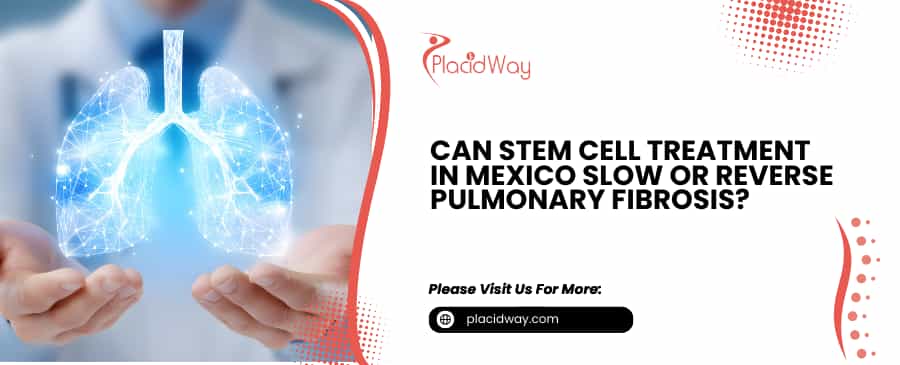
Pulmonary fibrosis is a challenging and progressive lung disease that significantly impacts a person's quality of life. For many years, conventional treatments have focused on managing symptoms and slowing disease progression, but a definitive cure remains elusive. This reality often leads individuals and their families to explore innovative and alternative options, with stem cell treatment in Mexico emerging as a topic of significant interest and discussion.
The idea that stem cells could offer a new pathway to healing is incredibly hopeful for those facing the daily struggles of pulmonary fibrosis. Mexico has become a notable destination for various advanced medical therapies, including stem cell treatments, primarily due to more relaxed regulations compared to other countries, offering accessibility to procedures that are still in experimental stages elsewhere. This blog post aims to shed light on whether stem cell treatment in Mexico can indeed slow or reverse pulmonary fibrosis, answering common questions and providing clarity on what patients can expect.
Can stem cell treatment in Mexico slow or reverse pulmonary fibrosis?
Pulmonary fibrosis is characterized by scarring of the lung tissue, which makes it increasingly difficult to breathe. While conventional treatments focus on managing the symptoms and slowing the disease's advancement, they do not repair the existing damage. Stem cell therapy offers a new approach by potentially reducing inflammation, modulating the immune system, and promoting tissue regeneration within the lungs.
In Mexico, many clinics offer stem cell treatments, often utilizing mesenchymal stem cells (MSCs) derived from umbilical cord tissue or adipose (fat) tissue. These cells are known for their immunomodulatory and regenerative properties. While some anecdotal evidence and small studies suggest positive outcomes for patients with pulmonary fibrosis, it is important to understand that these treatments are not yet FDA-approved in the United States and are not considered a cure. Patients often experience a stabilization of their condition, a reduction in symptoms like shortness of breath and coughing, and an overall improvement in their ability to perform daily activities.
What exactly is pulmonary fibrosis?
To understand the potential role of stem cells, it's crucial to grasp what pulmonary fibrosis entails. The word "pulmonary" refers to the lungs, and "fibrosis" means the formation of excess fibrous connective tissue, or scarring. In pulmonary fibrosis, the delicate air sacs in the lungs, called alveoli, and the surrounding tissue become stiff and thick due to scar tissue. This process, often idiopathic (meaning the cause is unknown, known as IPF), makes the lungs less elastic and less efficient at oxygen exchange.
Symptoms typically include shortness of breath, a persistent dry cough, fatigue, and clubbing of the fingers and toes. As the disease progresses, daily activities become increasingly difficult, and oxygen therapy may be required. Current conventional treatments aim to slow the progression of scarring and manage symptoms, but they cannot remove existing scar tissue. This is why researchers and patients alike look to regenerative therapies like stem cell treatment for new hope.
How do stem cells theoretically help with pulmonary fibrosis?
The therapeutic potential of stem cells for pulmonary fibrosis lies in their unique properties. Mesenchymal stem cells (MSCs) are multipotent stromal cells that can differentiate into various cell types, but their primary benefit in lung diseases like pulmonary fibrosis comes from their paracrine effects – meaning they release bioactive molecules that influence surrounding cells and tissues. These effects include:
- Anti-inflammatory properties: MSCs can suppress inflammation, which is a key driver of fibrosis progression. By reducing inflammatory responses in the lungs, they may help prevent further scarring.
- Immunomodulation: They can regulate the immune system, helping to prevent inappropriate immune responses that contribute to tissue damage.
- Antifibrotic effects: MSCs can secrete factors that inhibit fibroblast activation and collagen deposition, processes central to scar tissue formation.
- Angiogenesis and regeneration: Some studies suggest MSCs can promote the formation of new blood vessels and release growth factors that support the regeneration of damaged lung tissue, potentially improving lung function.
While these mechanisms are promising, it's a complex disease, and the extent to which stem cells can reverse established fibrosis is still under investigation. Most clinics aim for a reduction in inflammation and a slowing of progression, which can significantly improve a patient's quality of life.
Is stem cell therapy for pulmonary fibrosis legal in Mexico?
One of the primary reasons patients consider medical tourism to Mexico for stem cell treatments is the regulatory landscape. In the United States, the Food and Drug Administration (FDA) heavily regulates stem cell therapies, and most are not approved for general use outside of clinical trials. This is due to stringent requirements for demonstrating safety and efficacy through rigorous testing.
Mexico, on the other hand, has a different regulatory framework. While there are regulations in place, they tend to be less restrictive regarding the use of autologous (from the patient's own body) and allogeneic (from a donor, like umbilical cord) stem cells for therapeutic purposes. This allows clinics to offer treatments that are considered investigational or experimental in other countries. It's important for patients to research clinics thoroughly to ensure they choose a facility that adheres to professional medical standards and ethical practices, even within this more open regulatory environment.
What types of stem cells are used for pulmonary fibrosis treatment in Mexico?
Mesenchymal stem cells (MSCs) are the workhorses in most regenerative treatments offered in Mexico for pulmonary fibrosis. These cells are preferred due to their established safety profile, potent immunomodulatory capabilities, and ability to differentiate into various cell types. The source of these MSCs can vary:
- Umbilical Cord Blood/Tissue MSCs: These are often considered "younger" cells, harvested from donated umbilical cords after birth. They are highly potent, readily available, and carry a lower risk of rejection.
- Adipose-Derived Stem Cells (ADSCs): These are obtained from a patient's own fat tissue through a mini-liposuction procedure. They are abundant, relatively easy to extract, and eliminate the risk of immune rejection since they are autologous.
- Bone Marrow-Derived Stem Cells (BMSCs): Harvested from the patient's own bone marrow, these are also autologous. The extraction process is more invasive but these cells have a long history of therapeutic use.
The choice of stem cell source can depend on the clinic's protocol, the patient's condition, and specific considerations. Clinics in Mexico often specialize in one or more of these sources, tailoring their treatment plans accordingly. The goal is to introduce healthy, potent cells that can contribute to the regenerative and anti-inflammatory processes within the lungs.
What is the typical cost of stem cell treatment for pulmonary fibrosis in Mexico?
One of the compelling reasons for medical tourism to Mexico is the potential cost savings compared to similar experimental treatments offered in other countries. However, "cost" is a broad term, and prices for stem cell treatment for pulmonary fibrosis can vary significantly. Factors influencing the total cost include:
- Clinic Reputation and Location: Established clinics in popular medical tourism cities might charge more.
- Stem Cell Source and Quantity: Treatments using a higher number of cells or specific cell types (e.g., umbilical cord-derived MSCs) can be more expensive.
- Number of Treatment Sessions: Many patients require multiple sessions spaced over several months or a year.
- Ancillary Therapies: Some clinics include supportive therapies like IV drips, oxygen therapy, or nutritional counseling in their packages.
- Pre- and Post-Treatment Care: Initial consultations, diagnostic tests, and follow-up care can add to the total.
It's crucial for patients to obtain a detailed quote from any prospective clinic, clearly outlining what is included in the price. Patients should also factor in travel expenses, accommodation, and personal costs during their stay in Mexico. While it might seem like a substantial investment, many find it a more accessible option than available alternatives elsewhere, especially when considering the potential benefits for quality of life.
What should I expect during a stem cell treatment procedure in Mexico for pulmonary fibrosis?
A typical stem cell treatment protocol in Mexico for pulmonary fibrosis usually spans a few days. Here's a general overview of what patients can expect:
- Initial Consultation and Evaluation: Upon arrival, you'll undergo a thorough medical review, including physical exams, blood tests, and imaging (such as CT scans of the lungs) to assess your current health and the extent of your pulmonary fibrosis.
- Cell Sourcing (if autologous): If using your own adipose or bone marrow stem cells, a minor surgical procedure will be performed to harvest the cells. This is typically done under local anesthesia.
- Cell Preparation: The harvested cells (or donated umbilical cord MSCs) are then processed in a specialized laboratory to isolate, purify, and concentrate the stem cells to create a therapeutic dose.
- Stem Cell Administration: The most common methods for administering stem cells for pulmonary fibrosis include:
- Intravenous (IV) Infusion: The concentrated stem cells are delivered directly into the bloodstream, allowing them to circulate throughout the body and potentially home in on inflamed or damaged lung tissue.
- Nebulization: In some cases, stem cells might be delivered via a nebulizer, allowing for direct inhalation into the lungs.
- Post-Treatment Monitoring and Follow-up: After the infusion, patients are monitored for a short period. Most clinics provide guidance on post-treatment care and schedule follow-up appointments, either in person or remotely, to track progress.
The entire process is usually outpatient, allowing patients to return to their accommodation each day. The focus is on patient comfort and safety throughout the treatment journey.
What are the potential risks and side effects of stem cell therapy for pulmonary fibrosis?
While stem cell therapy is generally considered safe, particularly with autologous MSCs, it's essential to be aware of potential risks and side effects. Most side effects are mild and temporary:
- Infection: Any invasive procedure carries a risk of infection at the injection or harvest site. Reputable clinics follow strict sterile protocols to minimize this.
- Temporary Discomfort: Patients might experience soreness, bruising, or swelling at the injection or harvest sites.
- Flu-like Symptoms: Some individuals report fever, chills, fatigue, or headache following the infusion, which usually subsides within 24-48 hours.
- Immune Reaction: While rare with MSCs, especially autologous ones, there's a slight possibility of an immune response when using allogeneic (donor) cells. Clinics typically screen for compatibility and monitor patients closely.
- Unintended Tissue Growth: A theoretical concern with some stem cell types is the potential for uncontrolled growth or tumor formation. However, studies involving MSCs have generally shown a low risk of oncogenicity.
It's crucial to discuss all potential risks with your medical team in Mexico and ensure they have emergency protocols in place. Choosing a clinic with strong ethical standards and experienced medical professionals is paramount to minimizing risks associated with stem cell treatment for pulmonary fibrosis.
Why do patients choose Mexico for stem cell treatment for pulmonary fibrosis?
The decision to seek medical treatment abroad, particularly for a serious condition like pulmonary fibrosis, is a significant one. Mexico has emerged as a popular destination for stem cell therapy for several key reasons:
- Regulatory Environment: As mentioned, Mexico's regulations surrounding stem cell therapies are more flexible, allowing for treatments that are not yet approved or widely available in countries with stricter oversight. This offers an option for patients who have exhausted conventional treatments.
- Cost-Effectiveness: The overall cost of medical procedures, including stem cell treatments, is often significantly lower in Mexico compared to the United States, Canada, or Europe, even when factoring in travel expenses.
- Geographic Proximity: For patients in the United States and Canada, Mexico is easily accessible, making travel less arduous and potentially allowing for easier follow-up visits.
- Growing Expertise: There is a developing sector of clinics in Mexico specializing in regenerative medicine, with many employing U.S.-trained or internationally experienced medical staff, offering advanced facilities, and using modern equipment.
- Access to Experimental Therapies: For progressive diseases with limited conventional options, access to experimental treatments like stem cell therapy provides hope and a chance for improved quality of life.
While these factors are compelling, it is always recommended to conduct thorough research, seek multiple opinions, and prioritize clinics with transparent practices and robust patient safety measures.
How do I find a reputable clinic for stem cell treatment in Mexico for pulmonary fibrosis?
Choosing the right clinic is perhaps the most critical step when considering stem cell treatment in Mexico for pulmonary fibrosis. Here’s a guide to help you find a reputable facility:
- Research Extensively: Use online resources, medical tourism facilitators, and forums to gather information about clinics that specifically treat pulmonary fibrosis with stem cells.
- Verify Physician Credentials: Ensure the doctors are board-certified, experienced in regenerative medicine, and have a solid background in treating lung conditions. Don't hesitate to ask for their qualifications and experience.
- Transparent Communication: A reputable clinic will be upfront about the treatment plan, costs, potential risks, and realistic outcomes. They should answer all your questions clearly and without pressure.
- Lab Accreditation and Protocols: Inquire about the lab where the stem cells are processed. Are they following Good Manufacturing Practices (GMP)? Do they perform third-party testing for purity and potency?
- Patient Testimonials and Reviews: Look for genuine patient experiences, but remain discerning. While positive stories are encouraging, be cautious of anything that sounds too good to be true.
- Accreditations and Affiliations: While Mexican clinics may not have FDA approval, look for international accreditations (e.g., from Joint Commission International if applicable) or affiliations with reputable medical organizations.
- No Guarantees: Be wary of any clinic that guarantees a cure or claims 100% success rates. Responsible medical professionals will always discuss the experimental nature of stem cell therapy and manage expectations realistically.
Due diligence is key to ensuring your safety and maximizing the potential benefits of stem cell treatment for pulmonary fibrosis in Mexico.
Considering options for stem cell treatment or other healthcare services abroad? Explore PlacidWay to connect with reputable clinics and specialists worldwide, guiding you through informed decisions for your health journey.







.png)










Share this listing