


Post-COVID Pulmonary Fibrosis (PCPF) is a serious lung complication where scar tissue forms, and Mesenchymal Stem Cell (MSC) therapy in Mexico offers a promising, less-invasive treatment option focused on reducing inflammation, slowing disease progression, and improving lung function.
Post-COVID Pulmonary Fibrosis (PCPF) is a debilitating long-term consequence for many who have recovered from severe SARS-CoV-2 infection, particularly those who experienced Acute Respiratory Distress Syndrome (ARDS). This condition involves the thickening and scarring of lung tissue, known as fibrosis, which progressively restricts breathing and diminishes quality of life. Traditional treatments often manage symptoms but do not reverse the damage.
As a leading medical tourism destination, Mexico, especially cities like Tijuana, Guadalajara, and Cancun, has become a global hub for innovative, regulated, and cost-effective regenerative medicine, including stem cell therapy for pulmonary fibrosis. PlacidWay connects patients to internationally accredited clinics specializing in these advanced protocols, offering hope for improved lung function and a better life.
Key Takeaways
-
Cost Savings: Patients can expect to save 40% to 70% on stem cell therapy for lung conditions in Mexico compared to the United States and Canada.
-
Targeted Action: Mesenchymal Stem Cells (MSCs) work primarily through immunomodulation (calming the "Cytokine Storm") and anti-fibrotic effects, aiming to slow the scarring process and promote tissue repair.
-
Mexican Clinics' Edge: Many clinics in Tijuana, Mexico City, and Guadalajara utilize high-dose, high-viability umbilical cord-derived MSCs (allogeneic) in their protocols, often considered more potent than autologous (patient's own) cells for systemic inflammation.
-
Estimated Costs: Stem Cell Therapy for Pulmonary Fibrosis in Tijuana can start from $9,000 USD, while in Guadalajara, protocols can begin from around $4,500 USD but vary significantly based on the cell count and specific protocol.
Understanding Post-COVID Pulmonary Fibrosis (PCPF)
PCPF is the scarring of lung tissue following a severe COVID-19 infection, leading to restrictive lung disease symptoms like persistent shortness of breath and chronic cough.
PCPF is categorized as an Interstitial Lung Disease (ILD) that develops as a sequel to severe viral pneumonia. The core problem is the body's overzealous inflammatory response—the cytokine storm—which not only fights the virus but also causes extensive collateral damage to the delicate lung structures. This damage triggers an abnormal wound-healing process that results in the formation of stiff, non-functional scar tissue.
Common Symptoms of PCPF
Recognizing these symptoms is the first step toward seeking advanced treatment, such as stem cell therapy in Mexico:
-
Persistent Dyspnea (Shortness of Breath): Especially during exertion, which gradually worsens.
-
Chronic Dry Cough: Often persistent and unresponsive to typical cough medicine.
-
Fatigue and Weakness: Due to reduced oxygen intake and the body's continuous struggle.
-
Clubbing: The rounding and enlargement of the fingertips and toes.
How Stem Cell Therapy Addresses Post-COVID Lung Damage
Mesenchymal Stem Cells (MSCs) are administered intravenously, where they migrate to the inflamed lung tissue and exert powerful anti-inflammatory, regenerative, and anti-fibrotic effects.
Mesenchymal Stem Cells (MSCs) are multipotent stromal cells that hold tremendous potential in regenerative medicine. For PCPF, the therapy is not a "cure" but a method to modulate the disease's progression and mitigate the severity of symptoms. The primary sources of MSCs used in clinics in Mexico are often umbilical cord tissue or adipose (fat) tissue, which are highly potent.
The Core Mechanisms of MSC Action
-
Immunomodulation: MSCs act as "police" for the immune system, detecting excessive inflammation. They release molecules that down-regulate the overactive immune response (the cytokine storm) and reduce the production of pro-inflammatory cytokines, calming the damaged lung environment.
-
Expert Insight: This immune-regulating ability is crucial because persistent inflammation is the engine of fibrosis. By stopping the engine, stem cells aim to halt the scarring process.
-
-
Anti-Fibrotic Signaling: The cells release anti-fibrotic growth factors like Hepatocyte Growth Factor (HGF). This counteracts profibrotic mediators like TGF-? (Transforming Growth Factor-Beta), the main driver of scar tissue formation. This is the direct mechanism to slow or potentially prevent further scarring in the lung parenchyma.
-
Tissue Repair and Regeneration: While direct differentiation into new lung cells is debated, MSCs secrete various trophic factors (bioactive molecules) that encourage the body's existing repair mechanisms. They stimulate the proliferation of native lung cells and can help repair the damaged alveolar epithelium.
Why Choose Stem Cell Therapy for PCPF in Mexico?
Mexico offers a compelling combination of pioneering stem cell protocols, significantly lower treatment costs, and a network of internationally recognized regenerative medicine specialists, making it a top choice for medical tourists seeking treatment for Post-COVID Pulmonary Fibrosis.
Medical tourism to Mexico for advanced treatments like stem cell therapy has grown exponentially due to the country's progressive regulations and high-quality private healthcare sector. Clinics in Tijuana, Baja California, and Guadalajara, Jalisco, are particularly known for their expertise and use of advanced techniques.
Key Advantages of Mexican Stem Cell Clinics
-
Advanced Protocols: Many Tijuana and Guadalajara clinics use high-cell-count protocols (often 100 million to 250 million+ cells per treatment), which are often more comprehensive than those available or legally restricted in other countries like the US.
-
Cost-Effectiveness: The most significant driver for patients is the massive cost savings compared to US or European clinics, without compromising on the quality of care or the technology used.
-
Regulatory Framework: Mexico’s Federal Commission for the Protection against Sanitary Risk (COFEPRIS)—the equivalent of the FDA—regulates many reputable clinics, ensuring they meet rigorous standards for stem cell preparation and administration.
Cost Analysis: Post-COVID Pulmonary Fibrosis Stem Cell Treatment
The cost of stem cell therapy for post-COVID lung damage in Mexico is highly variable, depending on the number of cells, the source (autologous vs. allogeneic), and the clinic's protocol, but it remains vastly more affordable than in the US.
The overall price of a stem cell protocol is primarily determined by the dose—the number of viable stem cells administered. A higher cell count, often recommended for systemic and chronic conditions like PCPF, typically results in a higher cost but is also associated with potentially greater efficacy.
Comparative Cost Table for Stem Cell Therapy
Cost Note: Prices for stem cell therapy in Guadalajara, Mexico, can be lower for initial, smaller-dose protocols. Always obtain a comprehensive, personalized quote from a PlacidWay-vetted specialist in Tijuana, Mexico, or other top-tier cities.
Candidacy and Preparation for Stem Cell Therapy
An ideal candidate for stem cell therapy for PCPF is a patient with a confirmed diagnosis of lung fibrosis, relatively stable overall health, and realistic expectations regarding the outcome of the therapy.
Determining Candidacy
Eligibility for regenerative medicine in Mexico is determined through a thorough review of the patient's medical records. Specialists will look at:
-
Imaging: High-Resolution Computed Tomography (HRCT) scans to confirm the extent and pattern of fibrosis.
-
Lung Function Tests (PFTs): Specifically Forced Vital Capacity (FVC) and Diffusing Capacity of the Lung for Carbon Monoxide (DLCO) to measure the severity of restrictive lung disease.
-
Overall Health: The absence of active infections or uncontrolled severe comorbidities (e.g., advanced heart failure).
Preparation and Logistics for Treatment in Mexico
Preparation for your journey to a clinic in Tijuana or Cancun is straightforward. Your PlacidWay Care Coordinator will assist with:
-
Medical Documents: Gathering and translating all necessary CT reports, PFT results, and doctor’s notes.
-
Medication Review: A specialist will advise on which current medications (e.g., immunosuppressants, antifibrotics like Nintedanib or Pirfenidone) may need temporary adjustments before the stem cell infusion.
- Travel Arrangements: Coordinating accommodation, ground transportation, and translation services in the city of treatment.
The Procedure and Expected Recovery
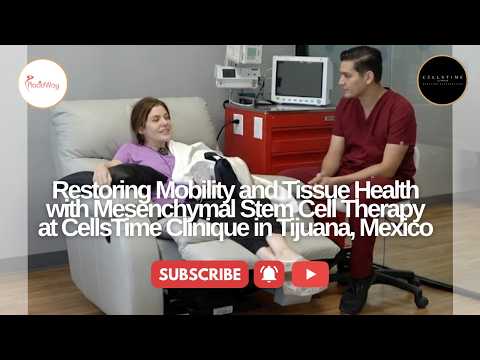
The administration of Mesenchymal Stem Cells (MSCs) is minimally invasive, typically involving an intravenous (IV) infusion lasting 30-60 minutes, followed by a short observation period and no major downtime.
The stem cell protocol is generally an outpatient procedure. Upon arrival at the accredited clinic in Mexico City or Puerto Vallarta, the patient undergoes final health checks.
The Treatment Protocol
-
Cell Preparation: The high-dose MSCs (often cryopreserved and thawed on-site) are prepared in the clinic's specialized lab or brought from a certified, regulated tissue bank.
-
Administration: The cells are administered intravenously (IV Infusion), allowing them to travel systemically, often homing in on the inflamed and damaged lung tissue through a process known as tropism. In some specialized protocols, nebulization (inhalation) may be used as an adjuvant route.
-
Observation: A short post-treatment observation period (a few hours) is required to monitor for any immediate reactions, which are rare due to the cells' low immunogenicity.
Recovery and Long-Term Follow-up
Patients typically experience minimal downtime and can return to their hotel or recovery housing the same day.
-
Initial Recovery: Patients are advised to rest, stay well-hydrated, and avoid strenuous activity for the first few days.
-
Long-Term Effects: The therapeutic effects of the MSCs are not immediate. The immunomodulatory and anti-fibrotic processes can take weeks to months. The patient’s specialist in Mexico will outline a follow-up schedule, often involving PFTs and HRCTs at 3, 6, and 12 months to track objective improvements in lung function (FVC and DLCO) and stabilization of the fibrotic changes.
Frequently Asked Questions (FAQ)
Is stem cell therapy for post-COVID pulmonary fibrosis legal in Mexico?
Yes, stem cell therapy is legal and regulated in Mexico under the Federal Commission for the Protection against Sanitary Risk (COFEPRIS), allowing for the use of high-viability, allogeneic (donor) cells in specialized private clinics, particularly in major medical tourism cities like Tijuana.
What are the risks of stem cell therapy for PCPF?
The risks are generally minimal in accredited clinics and mostly involve mild, temporary side effects like fever or headache. A significant, though rare, concern is the potential for cell clumping in the lungs during infusion, which is mitigated by proper cell preparation and IV administration techniques by experienced specialists in Mexico.
How long do the effects of the stem cell treatment last?
The goal is to halt or significantly slow the progression of fibrosis and improve lung function. While not a permanent cure, the immunomodulatory effects can last for many months, and many patients choose to receive booster treatments every 6 to 18 months, depending on their condition and the doctor’s recommendation.
Will my insurance cover the cost of stem cell therapy in Mexico?
Currently, most private insurance companies and national health services (like Medicare) do not cover experimental or investigative treatments like stem cell therapy for PCPF in Mexico. Patients typically pay out-of-pocket, but the significant savings in Tijuana or Guadalajara make it financially viable compared to potential treatment in the US or other high-cost areas.
How effective is stem cell therapy for improving breathing after COVID-19 damage?
While results are highly individualized, clinical studies and clinical experience in Mexico suggest MSCs can lead to objective improvements in symptoms, reduced inflammation markers (like C-reactive protein), and, in some cases, measurable stabilization or improvement in lung function tests (DLCO, FVC). This is an adjuvant therapy aiming to improve the quality and duration of life.
What type of stem cells are used for post-COVID lung damage in clinics in Mexico?
The most common and preferred type is Mesenchymal Stem Cells (MSCs), often sourced from the umbilical cord tissue (UC-MSCs). These allogeneic cells are highly potent, non-controversial, and do not require invasive harvesting from the patient, offering a ready-to-use, high-viability treatment option.
PlacidWay: Your Trusted Partner for Regenerative Medicine
Don't let the lasting effects of Post-COVID Pulmonary Fibrosis restrict your life. PlacidWay is the global leader in medical travel, connecting you with COFEPRIS-certified regenerative medicine clinics in Mexico that specialize in cutting-edge stem cell protocols for complex lung conditions.
Our Value Proposition:
-
Vetted Excellence: Access to top lung specialists and clinics in Tijuana, Guadalajara, and Cancun, Mexico.
-
Personalized Quotes: Receive a free, no-obligation comparison of highly competitive treatment packages, including cell counts, duration, and inclusions.
-
Full Support: Comprehensive coordination of travel, accommodation, and medical appointments from your first inquiry to your post-treatment follow-up.
Take the next step toward better breathing and improved quality of life.

.png)
.png)

.png)

.png)
.png)

-(3).png)
-(10).png)
-(1).png)








Share this listing