


Understanding Stem Cell Therapy for Epilepsy in Mexico
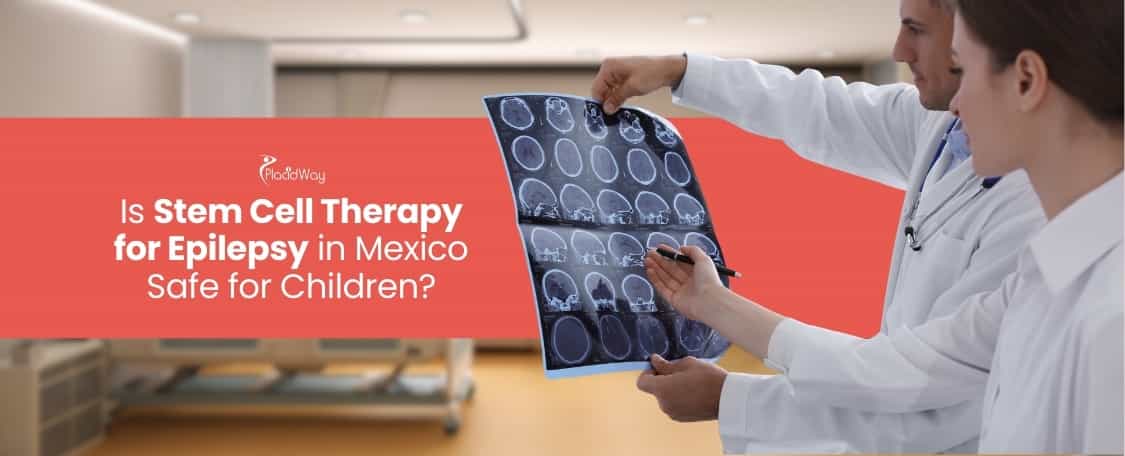
Dealing with epilepsy, especially in a child, can be an incredibly challenging journey. Parents often look for any glimmer of hope, exploring all possible avenues for treatment when conventional therapies fall short. This search sometimes leads to newer, less traditional options, such as stem cell therapy, and to destinations like Mexico, which has become known for offering various medical procedures, including regenerative treatments.
The question of whether stem cell therapy for epilepsy in children in Mexico is safe is a crucial one. It’s natural to want the best for your child, but it’s equally important to approach novel treatments with a clear understanding of the science, the risks, and the regulatory landscape. This blog post aims to provide comprehensive, factual information to help you navigate these complex considerations, offering insights into the safety, efficacy, and practical aspects of pursuing such treatment abroad.
Is stem cell therapy for epilepsy in children in Mexico safe?
The safety of stem cell therapy for children with epilepsy in Mexico is a complex issue, primarily because these treatments are often offered outside the rigorous, standardized clinical trial frameworks typically found in countries with highly regulated healthcare systems. While some Mexican clinics may claim promising results, the scientific community generally views these therapies as investigational, meaning their safety and effectiveness are not yet definitively established through extensive peer-reviewed research.
Parents considering this path must be aware that the regulatory environment in Mexico for stem cell therapies can be less stringent than in countries like the United States or Canada. This can lead to variations in the quality of care, the types of cells used, and the medical protocols followed. Potential risks can include infection, immune reactions, tumor formation (though rare with certain cell types), and complications related to the procedure itself. It is critical to investigate any clinic thoroughly and understand the specific medical oversight they operate under.
What types of stem cells are used for epilepsy treatment in Mexico?
Mesenchymal Stem Cells (MSCs) are the most commonly utilized type of stem cells in regenerative therapies for neurological conditions, including epilepsy, within clinics in Mexico. These cells are attractive because they can be sourced relatively easily and are thought to have low immunogenicity, meaning they are less likely to provoke a strong immune response from the recipient. MSCs are believed to exert their therapeutic effects through several mechanisms, including secreting growth factors that promote tissue repair, reducing inflammation, and modulating the immune system.
Sources for MSCs commonly include:
- Umbilical Cord Blood: Often preferred for pediatric applications due to its abundant supply of young, potent cells.
- Adipose Tissue (Fat): Can be harvested from the patient's own body.
- Bone Marrow: Another autologous (from the patient) source, though the collection procedure is more invasive.
While these cells have shown promise in laboratory and animal studies, and in some early-phase human trials, their precise role and long-term impact on epilepsy in children still require much more rigorous clinical investigation.
What are the potential benefits of stem cell therapy for pediatric epilepsy?
For children with refractory epilepsy, where conventional medications are ineffective, the potential benefits of stem cell therapy offer a beacon of hope. The theoretical mechanisms by which stem cells could help include:
- Neuroprotection: Stem cells might protect existing brain cells from damage caused by recurrent seizures.
- Neurogenesis: They could potentially stimulate the growth of new neurons or glial cells, which are crucial for brain function.
- Anti-inflammatory Effects: Epilepsy is often associated with brain inflammation, and stem cells are known to have anti-inflammatory properties that could calm the brain environment.
- Immunomodulation: By regulating the immune response in the brain, stem cells may help reduce seizure activity.
Some anecdotal reports from clinics suggest improvements in seizure control, cognitive function, and overall quality of life. However, it is crucial to emphasize that these observations are not yet supported by large-scale, placebo-controlled clinical trials necessary to definitively establish efficacy and rule out the placebo effect. Further research is needed to understand if these potential benefits translate into consistent, long-term improvements for children with epilepsy.
What are the risks and side effects of stem cell therapy for children with epilepsy?
As with any medical procedure, stem cell therapy carries inherent risks, particularly when administered to children and for an experimental condition like epilepsy. Parents must be fully informed about these potential adverse effects before considering treatment. The risks can generally be categorized into those related to the procedure itself and those related to the cells being introduced.
Procedural risks often include:
- Infection: Any invasive procedure carries a risk of infection at the injection or harvest site.
- Bleeding or Bruising: At the site of stem cell harvesting or injection.
- Anesthetic Complications: If sedation or general anesthesia is used.
Risks specifically related to the stem cells or their administration include:
- Immune Reaction/Rejection: Even with low-immunogenic MSCs, there's a possibility of the child's immune system reacting to the foreign cells.
- Allergic Reactions: To components in the cell preparation or delivery solution.
- Tumor Formation: While rare with MSCs, it's a theoretical concern, especially with less characterized or manipulated stem cell types.
- Exacerbation of Seizures: In some cases, unexpected neurological events or an increase in seizure activity could occur.
- Unproven Efficacy: The biggest "risk" for many is the financial and emotional investment in a treatment that may not provide the hoped-for benefits.
What is the regulatory status of stem cell therapy in Mexico for epilepsy?
Understanding the regulatory landscape is paramount when considering medical tourism for stem cell therapy. In Mexico, while there is a federal health regulatory agency (COFEPRIS), its oversight of stem cell clinics can vary. Some clinics may operate within a "loophole" where therapies are categorized as medical procedures or "cellular products" rather than pharmaceutical drugs, which would require extensive clinical trials and approvals. This distinction can mean that the same level of rigorous testing and evidence demanded by agencies like the FDA (U.S. Food and Drug Administration) is not always applied.
This less stringent environment allows clinics to offer treatments that are still considered experimental elsewhere. While this provides access to novel therapies, it also places a greater burden on patients and their families to conduct thorough due diligence regarding the clinic's credentials, the scientific basis of their treatments, and their safety record. Always look for clinics that are transparent about their protocols, sources of stem cells, and provide detailed information about their regulatory compliance.
How do I choose a reputable clinic for stem cell therapy for epilepsy in Mexico?
Selecting a clinic for stem cell therapy, especially for a child, is perhaps the most critical step. Given the experimental nature and varying regulatory oversight, careful selection is essential. Here are key factors to consider:
- Physician Credentials: Verify that the doctors are board-certified, have specific experience in treating epilepsy and regenerative medicine, and are licensed to practice in Mexico.
- Transparency and Ethics: A reputable clinic will be open about its procedures, the source and type of stem cells, potential risks, and expected outcomes. They should not make exaggerated claims or guarantee cures.
- Accreditations: Look for international accreditations (e.g., Joint Commission International - JCI) or local certifications that signify adherence to quality standards.
- Patient Safety Protocols: Inquire about their infection control, emergency procedures, and follow-up care.
- Research and Evidence: Ask about the scientific basis for their treatments. Do they participate in clinical trials or contribute to published research?
- Cost Breakdown: Ensure a clear, comprehensive understanding of all costs involved, with no hidden fees.
Always seek a second opinion from your child's neurologist or pediatrician before proceeding. They can offer guidance based on your child's specific condition and discuss the potential interactions with current treatments.
What is the cost of stem cell therapy for epilepsy in children in Mexico?
The financial aspect of medical tourism for stem cell therapy is a significant consideration for many families. The cost of stem cell therapy for epilepsy in children in Mexico is not standardized and can vary greatly. Several factors influence the overall price:
- Clinic Reputation and Facilities: More established clinics with state-of-the-art facilities and experienced medical staff may charge more.
- Type and Source of Stem Cells: Autologous (from the patient) treatments might involve additional harvesting costs, while allogeneic (from a donor, like umbilical cord) cells have different procurement and processing expenses.
- Number of Administrations/Cycles: A single treatment might be cheaper, but some protocols involve multiple infusions over a period, significantly increasing the total cost.
- Ancillary Services: Costs might or might not include consultations, diagnostic tests, medications, follow-up care, and accommodation.
It is crucial to request a detailed, itemized quote from any clinic you are considering. Also, be aware that most health insurance plans, especially those in your home country, typically do not cover experimental treatments performed abroad, so these costs will likely be out-of-pocket expenses.
What should I consider before traveling to Mexico for stem cell therapy for epilepsy?
Traveling internationally for medical treatment, particularly with a child who has a complex medical condition like epilepsy, requires careful planning beyond just selecting a clinic. Here are key considerations for medical tourism:
Logistical and Medical Preparedness:
- Child's Travel Suitability: Discuss with your child's current doctors if they are stable enough for international travel and the potential stressors involved.
- Travel Documents: Ensure all passports, visas, and necessary travel permits are up-to-date for both the child and accompanying adults.
- Medical Records: Have all your child's medical history, test results, and current medication lists translated into Spanish and readily available.
- Accommodation and Transport: Research and book child-friendly accommodation close to the clinic and arrange reliable transportation.
- Language Barrier: While many medical staff in clinics catering to international patients speak English, consider if a translator might be needed for crucial discussions or for navigating daily life.
Insurance and Emergency Planning:
- Travel Insurance: Purchase comprehensive travel insurance that covers medical emergencies, trip cancellations, and unforeseen events while abroad. Ensure it specifically covers pre-existing conditions if possible.
- Emergency Plan: Know how to access emergency medical services in Mexico if needed, and have contact information for your embassy or consulate.
These preparations help minimize stress and ensure a smoother, safer experience for your child.
Are there alternative or conventional treatments for refractory epilepsy in children?
Before considering experimental treatments like stem cell therapy, it's essential to ensure all established conventional and alternative therapies for refractory epilepsy have been thoroughly explored with a pediatric neurologist. These treatments have undergone extensive clinical trials and are recognized by major medical bodies.
Commonly employed strategies for children with epilepsy that is difficult to control include:
- Anti-Seizure Medications (ASMs): Trying different combinations or newer generations of ASMs.
- Dietary Therapies:
- Ketogenic Diet: A very high-fat, low-carbohydrate, adequate-protein diet that can be highly effective for some children.
- Modified Atkins Diet or Low Glycemic Index Treatment: Less restrictive but still beneficial for certain individuals.
- Epilepsy Surgery: For children whose seizures originate from a specific, resectable area of the brain. This can be curative for some.
- Neurostimulation Devices:
- Vagus Nerve Stimulation (VNS): A device implanted under the skin in the chest sends electrical impulses to the vagus nerve.
- Responsive Neurostimulation (RNS): An implanted device monitors brain activity and delivers electrical stimulation when it detects unusual activity.
These treatments, while not always curative, offer proven methods for reducing seizure frequency and severity, often with predictable side effect profiles and established safety records.
What questions should I ask a clinic offering stem cell therapy for epilepsy?
When communicating with potential clinics in Mexico or elsewhere, having a clear list of questions can help you gather essential information and assess their credibility. Here are some critical questions to ask:
- What specific type of stem cells do you use (e.g., umbilical cord MSCs, adipose-derived MSCs)? Where are they sourced?
- What is the scientific evidence (e.g., published clinical trials, peer-reviewed research) supporting the use of this specific therapy for pediatric epilepsy?
- What are the potential risks and side effects for my child, both short-term and long-term? How are these managed?
- What are the expected outcomes? What percentage of children with similar conditions experience improvement, and what kind of improvement? Are there guarantees? (Be wary of clinics that guarantee results.)
- What are the qualifications and experience of the doctors and medical staff who will be treating my child? Are they board-certified?
- What is your clinic's regulatory oversight in Mexico? What accreditations do you hold?
- What is the exact protocol for the treatment (number of infusions, dosage, duration)?
- What is the total cost, and what does it include (e.g., consultations, tests, medications, follow-up)? Are there any hidden fees?
- What follow-up care is provided after the treatment, and how can we manage it from our home country?
- Can you connect me with former patients or provide testimonials that I can verify?
Asking these questions empowers you with information to make the most informed decision possible for your child's health.
If you're exploring options for medical treatments and healthcare solutions abroad, including advanced therapies, PlacidWay can help you connect with reputable clinics and specialists worldwide. Visit PlacidWay.com to learn more and discover personalized care options.

.jpg)


















Share this listing