


Compare meniscus repair vs meniscectomy in Mexico
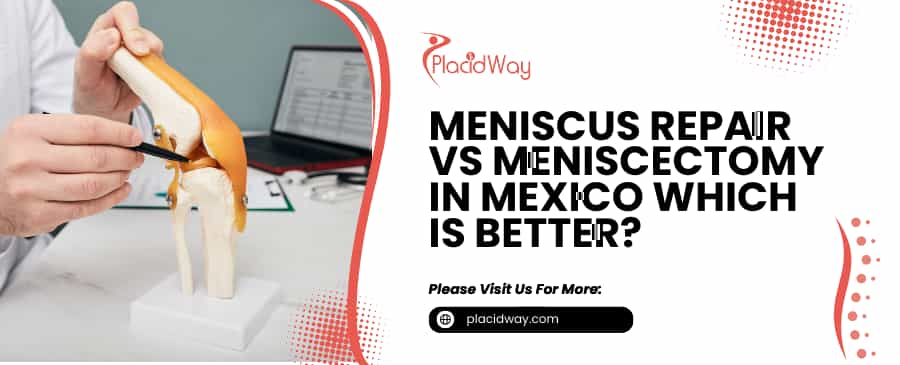
Dealing with a meniscus tear can be a real pain, literally. Whether it happened during a sports activity or just from wear and tear, the discomfort and limited mobility can significantly impact your daily life. When surgery becomes an option, two primary procedures are usually discussed: meniscus repair and meniscectomy. Both aim to alleviate symptoms, but they take very different approaches to your knee's long-term health. Understanding these differences, especially when considering medical care in a place like Mexico, is crucial for making an informed decision.
This guide will explore both meniscus repair and meniscectomy, detailing what each procedure involves, their respective benefits and drawbacks, and what to expect regarding recovery and long-term outcomes. We'll also specifically address why Mexico has become a popular destination for these knee surgeries, covering aspects like cost, quality of care, and how to navigate the medical tourism landscape to find the best solution for your knee health. Let's break down which option might be better for you.
What is Meniscus Repair Surgery?
Meniscus repair is a surgical technique designed to fix the damaged meniscus rather than remove it. The meniscus is a C-shaped piece of cartilage that acts as a shock absorber between your shinbone (tibia) and thighbone (femur). When it tears, especially in areas with good blood supply (the "red zone"), a surgeon can stitch the torn edges back together. This procedure is typically performed arthroscopically, meaning small incisions are made, and a tiny camera (arthroscope) and surgical instruments are inserted into the knee joint.
The primary goal of meniscus repair is to save the meniscus, which helps maintain the natural mechanics of the knee, distributes weight evenly, and prevents premature arthritis. Not all meniscus tears are suitable for repair; factors like the location, size, and type of the tear, along with the patient's age and overall knee health, influence whether a repair is feasible. Patients typically need a longer, more restrictive recovery period to allow the tissue to heal properly.
What is a Meniscectomy (Partial or Total)?
A meniscectomy, more commonly known as a partial meniscectomy, involves removing only the damaged or torn part of the meniscus. If the entire meniscus is beyond repair, a total meniscectomy might be performed, but this is less common due to its significant long-term impact on knee health. Like repair, a meniscectomy is usually an arthroscopic procedure. The surgeon trims away the frayed or torn edges of the meniscus, smoothing out the cartilage surface.
The main advantage of a meniscectomy is often a quicker recovery period and faster return to weight-bearing activities compared to a repair. It effectively removes the problematic tissue that causes locking, catching, and pain in the knee. However, by removing even a small portion of the meniscus, the knee’s natural shock-absorbing capacity is reduced, potentially increasing the risk of developing osteoarthritis in the long run. This trade-off between immediate relief and future joint health is a critical consideration.
Meniscus Repair vs Meniscectomy: Which is Generally Better?
The choice between meniscus repair and meniscectomy is not a simple "one-size-fits-all" answer. It depends heavily on individual circumstances.
- Meniscus Repair:
- Pros: Preserves the natural meniscus, maintaining knee biomechanics, reducing stress on articular cartilage, and lowering the risk of future osteoarthritis.
- Cons: Longer and more restrictive recovery period (often 4-6 months, non-weight bearing initially), higher risk of failure (re-tear), and not suitable for all tear types (e.g., degenerative tears, tears in avascular zones).
- Meniscectomy:
- Pros: Quicker recovery (often 2-4 weeks for light activity), faster pain relief, and immediate weight-bearing is usually allowed. Effective for tears not amenable to repair.
- Cons: Removes part of the meniscus, reducing shock absorption and increasing contact pressure within the knee, which can lead to accelerated wear and tear and earlier development of osteoarthritis.
For younger, active patients with fresh tears in the well-vascularized "red zone" of the meniscus, repair is often the preferred option to protect their knee joint for decades to come. For older patients, those with complex degenerative tears, or individuals prioritizing a rapid return to function, a meniscectomy might be more appropriate. Your surgeon will discuss these factors in detail to help you make the best decision.
What are the Typical Recovery Times for Each Procedure?
Recovery time is a significant factor in deciding between these two procedures. The differences are substantial due to the nature of the surgery.
For meniscus repair, the goal is for the torn tissue to heal. This process takes time and requires strict adherence to post-operative protocols.
| Phase | Duration | Activity/Restrictions |
|---|---|---|
| Initial Healing | 0-6 weeks | Non-weight bearing, brace, limited range of motion. |
| Progressive Weight Bearing | 6-12 weeks | Gradual increase in weight bearing, physical therapy. |
| Full Recovery/Return to Sport | 4-6 months+ | Continued strengthening, agility, and gradual return to high-impact activities. |
Meniscectomy recovery is generally much faster because the goal is simply to remove the painful tissue, not to heal it.
- First few days: Swelling and pain management. Crutches may be used for comfort, but weight-bearing is usually allowed immediately.
- 1-2 weeks: Return to light daily activities, driving. Focus on regaining full range of motion.
- 2-4 weeks: Most patients can return to work and low-impact activities. Physical therapy helps restore strength and flexibility.
- 4-8 weeks: Gradual return to more demanding activities and sports, depending on individual progress.
What are the Long-Term Outcomes of Meniscus Repair vs Meniscectomy?
The long-term outlook for your knee differs significantly between these two procedures. This is often the most important factor for many patients.
With meniscus repair, the goal is to fully restore the knee's natural cushioning and stabilizing functions. If the repair heals successfully, patients can expect a lower risk of developing early-onset osteoarthritis and may avoid further degenerative changes. Studies consistently show that preserving the meniscus protects the articular cartilage lining the bones, which is crucial for long-term knee health. While there's a small chance of re-tear, a successful repair generally means a healthier knee for many years.
Conversely, a meniscectomy, by removing part of the meniscus, alters the natural biomechanics of the knee. Even a partial removal can lead to increased stress on the remaining cartilage and bones. This accelerated wear and tear means that patients who undergo a meniscectomy have a higher risk of developing osteoarthritis years down the line compared to those who have a successful repair. They may also be more likely to require further knee interventions, such as a knee replacement, earlier in life.
Why Choose Mexico for Meniscus Surgery?
Mexico has emerged as a leading destination for medical tourism, particularly for orthopedic procedures like meniscus surgery. Several factors contribute to its appeal:
- Cost-Effectiveness: The most significant driver is often the cost. Meniscus surgery in Mexico can be a fraction of the price found in the United States or Canada, even when factoring in travel and accommodation. This makes advanced medical care accessible to those without comprehensive insurance or with high deductibles.
- Quality of Care: Many Mexican hospitals and clinics catering to international patients are state-of-the-art, equipped with modern technology, and adhere to international healthcare standards. Surgeons are often U.S. or European trained and board-certified, speaking excellent English.
- Proximity and Accessibility: For North American patients, Mexico is easily accessible by air or land, making travel less burdensome than flying to more distant medical tourism hubs.
- Experienced Surgeons: Due to the volume of international patients, many Mexican orthopedic surgeons gain extensive experience in performing various knee surgeries, including complex meniscus repairs.
Beyond the medical aspects, the opportunity to recover in a pleasant environment, potentially combining surgery with a brief vacation, also adds to Mexico's allure for some patients.
How Much Does Meniscus Surgery Cost in Mexico?
The cost of meniscus surgery in Mexico is one of its primary advantages. While exact prices vary based on the clinic, surgeon's experience, city (e.g., Tijuana, Cancun, Guadalajara), and whether it's a repair or meniscectomy, you can expect substantial savings.
To give you an idea, here's a general cost comparison:
| Procedure | Average Cost in Mexico (USD) | Average Cost in USA (USD) |
|---|---|---|
| Partial Meniscectomy | $3,000 - $5,000 | $5,000 - $10,000+ |
| Meniscus Repair | $4,000 - $7,000 | $7,000 - $15,000+ |
These prices usually cover the surgical procedure, anesthesia, operating room fees, and initial post-operative care. It's important to clarify what is included in the package price. You'll also need to budget for flights, accommodation, local transportation, and potentially extended physical therapy, whether in Mexico or back home. Always request a detailed quote upfront to avoid surprises.
How Do I Choose a Clinic and Surgeon in Mexico for Meniscus Surgery?
Selecting the right clinic and surgeon is paramount for a successful outcome, especially when seeking medical care abroad. Here's a checklist to guide your decision:
- Surgeon Qualifications: Verify their credentials. Look for board certification (both in Mexico and potentially internationally), specialized training in orthopedic surgery and arthroscopy, and extensive experience specifically with meniscus repair and meniscectomy procedures.
- Clinic Accreditation: Choose facilities that are accredited by recognized bodies. Joint Commission International (JCI) accreditation is a strong indicator of high-quality standards. Mexican hospitals might also have local accreditations.
- Patient Reviews and Testimonials: Look for reviews on independent platforms, forums, and medical tourism websites. Pay attention to feedback regarding communication, surgical outcomes, post-operative care, and overall patient experience.
- Communication: Ensure the surgeon and medical staff can communicate effectively in a language you understand (often English for international patients). Clear communication is vital for discussing your diagnosis, treatment plan, and post-operative instructions.
- Transparent Pricing: Get a detailed, all-inclusive quote covering all surgical fees, anesthesia, facility costs, and any pre/post-operative appointments. Understand what is and isn't included.
- Follow-up Care: Discuss the plan for post-operative care, including physical therapy, both in Mexico and how it will transition once you return home.
Don't hesitate to ask for multiple opinions or to have a virtual consultation with potential surgeons before making your choice.
What are the Risks Associated with Meniscus Surgery?
While meniscus surgeries are generally safe and effective, it's important to be aware of potential risks, regardless of where you have the procedure.
Common risks associated with both meniscus repair and meniscectomy include:
- Infection: Though rare, any surgical incision can become infected.
- Bleeding: Excessive bleeding during or after surgery.
- Blood Clots: Deep vein thrombosis (DVT) in the leg, which can potentially travel to the lungs (pulmonary embolism).
- Nerve or Blood Vessel Damage: Injury to surrounding nerves or vessels during the procedure.
- Anesthesia Complications: Reactions to anesthesia.
- Stiffness or Limited Range of Motion: Despite physical therapy, some patients may not regain full flexibility.
- Persistent Pain or Swelling: Some discomfort can linger for a while.
Specific risks for each procedure:
- Meniscus Repair: The main specific risk is that the repair may not heal, or it may re-tear, potentially requiring a second surgery (often a meniscectomy).
- Meniscectomy: The primary long-term risk is the increased likelihood of developing osteoarthritis in the operated knee over time, as mentioned earlier.
Your surgeon will discuss these risks with you and take precautions to minimize them.
Can I Combine Meniscus Surgery in Mexico with a Vacation?
One of the appealing aspects of medical tourism in Mexico is the potential to integrate your surgical trip with a leisure experience. Many patients plan a short stay before surgery to relax and sightsee, and then extend their trip for an initial recovery period in a comfortable setting.
However, it's vital to set realistic expectations. Meniscus surgery, especially a repair, requires rest and adherence to post-operative instructions. While you might enjoy the warm weather and local cuisine, intense sightseeing, swimming (before incisions heal), or strenuous activities will be off-limits.
- Pre-Surgery: Enjoy cultural sites, gentle walks, or beach relaxation.
- Post-Surgery (Meniscectomy): You might be able to enjoy light activities, dining out, or relaxing by a pool (without getting incisions wet) within a week or two.
- Post-Surgery (Meniscus Repair): Your mobility will be very limited initially. A comfortable hotel or recovery apartment will be essential, and your "vacation" will primarily involve resting, attending follow-up appointments, and beginning gentle physical therapy.
Always prioritize your recovery. Ensure your chosen clinic and accommodation are suitable for your post-operative needs.
Are There Language Barriers When Getting Meniscus Surgery in Mexico?
For patients considering medical treatment in a foreign country, concerns about language barriers are common and valid. However, in Mexico's medical tourism sector, particularly in clinics and hospitals that regularly serve international patients, English proficiency is widespread.
- Surgeons and Specialists: Many orthopedic surgeons who cater to international clientele have received training in the United States, Canada, or Europe, making them fluent in English. They are accustomed to explaining medical conditions and procedures in English.
- Clinic Staff: Receptionists, nurses, and patient coordinators in these facilities often speak English to facilitate communication with foreign visitors.
- Medical Tourism Facilitators: If you use a medical tourism agency, they often provide translators or have multilingual staff to ensure smooth communication throughout your journey.
While you might encounter some language differences outside of the immediate medical setting (e.g., in local shops or restaurants), within the medical facility, communication should generally not be an issue. It's always a good practice to confirm the language capabilities of the medical team before committing to a clinic.
What Kind of Post-Operative Care Can I Expect in Mexico?
High-quality clinics in Mexico understand the importance of comprehensive post-operative care, especially for international patients. Your care plan will be tailored to whether you had a meniscus repair or a meniscectomy.
Generally, you can expect:
- Immediate Hospital Stay: After surgery, you'll spend a few hours or overnight in the hospital for monitoring, pain management, and initial mobility assessment.
- Medication: You'll be prescribed pain medication, anti-inflammatories, and possibly antibiotics.
- Follow-up Appointments: The surgeon will usually want to see you for a follow-up appointment within a few days to a week to check the incision, remove any drains, and assess your initial progress.
- Physical Therapy (PT): This is a crucial component of recovery. For a meniscectomy, PT might start almost immediately. For a repair, it will begin with gentle range-of-motion exercises, progressing slowly according to a strict protocol. Many clinics in Mexico have in-house physical therapy departments or can recommend trusted local therapists.
- Instructions for Home: You'll receive detailed instructions on wound care, activity restrictions, exercises, and warning signs to watch for when you return home.
It's vital to discuss with your Mexican medical team how they will coordinate your ongoing physical therapy and follow-up care once you are back in your home country, especially for a longer recovery like meniscus repair.
Are Mexico’s Medical Facilities Safe and Up to Standard for Meniscus Surgery?
Concerns about safety and standards are natural when considering medical treatment abroad. However, it's important to distinguish between general healthcare in Mexico and the specific facilities catering to medical tourists.
- International Accreditations: Many hospitals popular with medical tourists in cities like Tijuana, Cancun, Mexico City, and Guadalajara have sought and received international accreditations, such as from the Joint Commission International (JCI). These accreditations signify adherence to rigorous patient safety and quality-of-care standards comparable to those in the U.S. and Europe.
- Modern Infrastructure: These facilities are often purpose-built or recently renovated, equipped with cutting-edge medical technology, operating rooms, and diagnostic tools.
- Skilled Personnel: As mentioned, surgeons are frequently highly trained and experienced. The nursing staff and support teams are also often trained to international standards, particularly in facilities that regularly handle international patients.
- Hygiene and Sterilization: Reputable medical tourism hospitals maintain strict protocols for hygiene, sterilization, and infection control, ensuring a safe surgical environment.
While it's always crucial to do your due diligence and choose an accredited, well-reviewed facility, you can find excellent, safe, and high-standard medical care for meniscus surgery in Mexico.
If you are considering meniscus repair or meniscectomy in Mexico or any other medical treatment, PlacidWay can help you navigate your options. Explore our extensive network of internationally accredited clinics and experienced specialists to find the perfect healthcare solution tailored to your needs.

















Share this listing