


Rob's Leap of Faith: Triumph Over an ACL Injury in Cancun Mexico
A devastating knee ligament tear can feel like the end of an active lifestyle, but Rob's leap of faith proves that triumph over an ACL injury in Cancun Mexico is entirely possible. Facing exorbitant local healthcare costs and agonizing wait times, many patients are forced to abandon their favorite sports and live with chronic joint instability.
However, crossing borders for advanced orthopedic care presents a revolutionary alternative. By seeking high-quality, affordable ACL reconstruction surgery abroad, patients can reclaim their mobility without facing financial ruin. Watch and read how top-tier medical tourism in Mexico turns a painful setback into an empowering story of healing and international medical excellence.
Video Chapters & Quick Navigation
The Devastating Impact of an Anterior Cruciate Ligament Tear
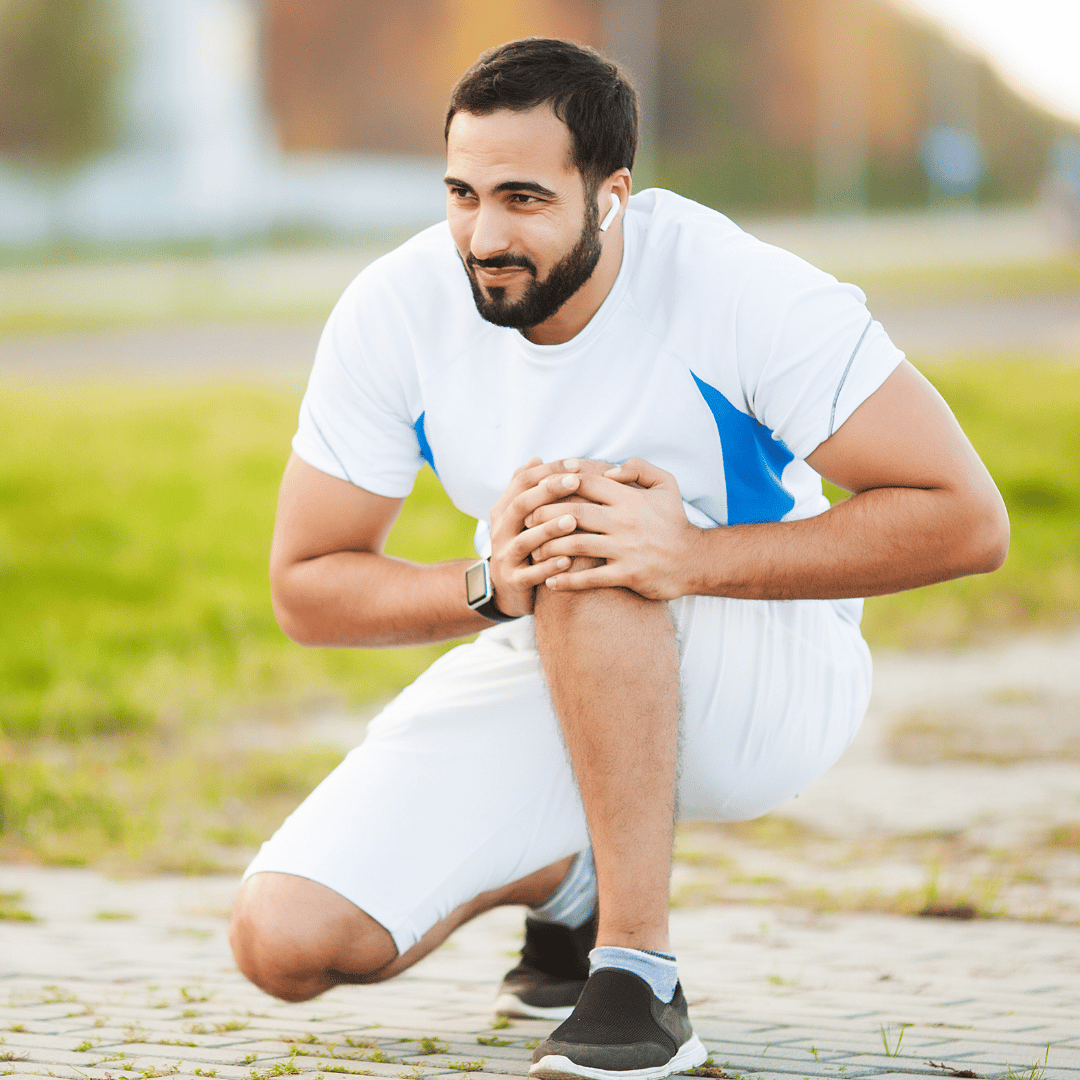
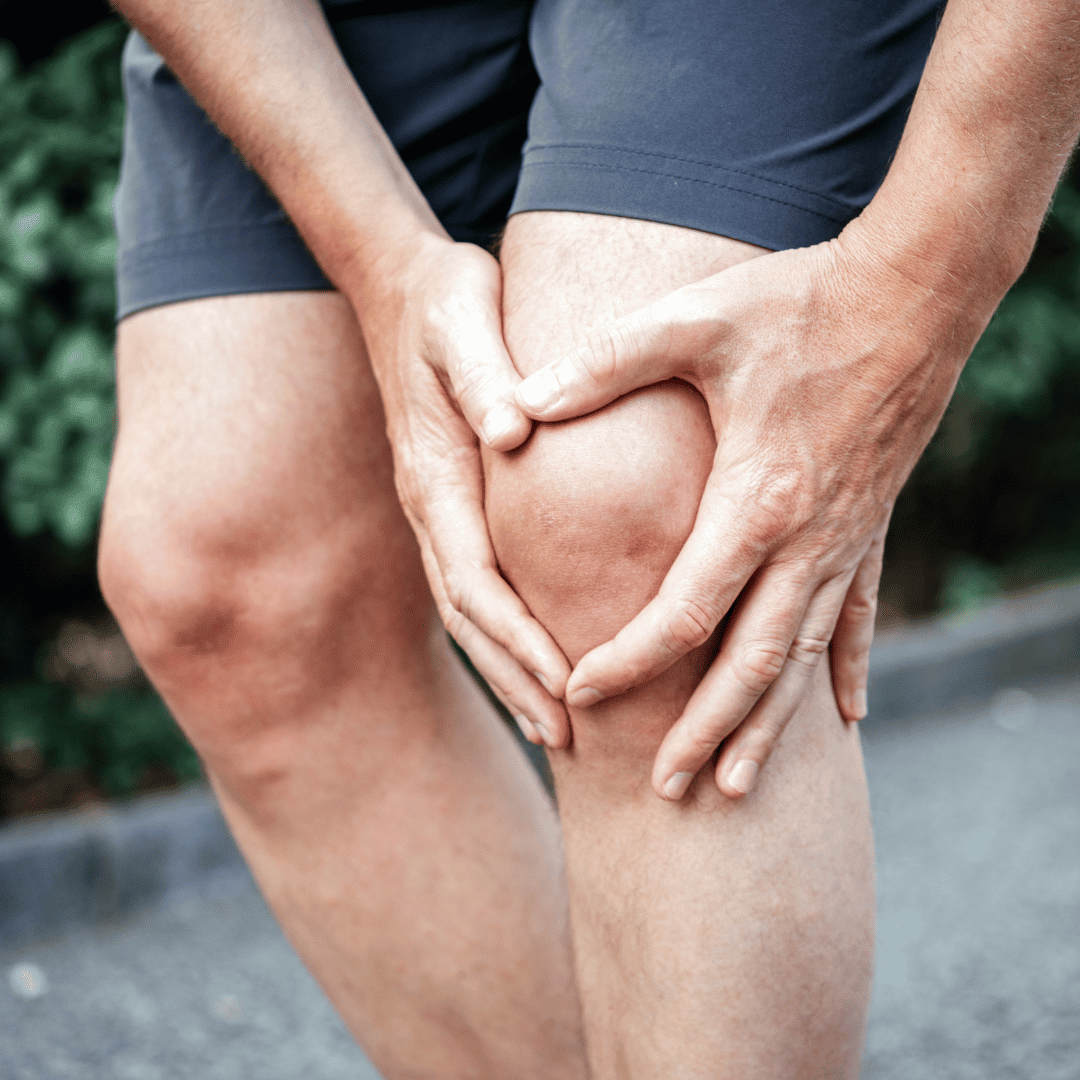
The human knee is an intricate marvel of biomechanical engineering, relying on a complex web of ligaments for stability during dynamic movement. Among these, the anterior cruciate ligament stands as the primary stabilizer, preventing the shin bone from sliding too far forward beneath the thigh bone. When this crucial band of tissue ruptures, the resulting instability can be instantly debilitating.
As detailed in the video at , Rob experienced the terrifying "pop" that is universally dreaded by athletes and active individuals alike. This sudden mechanical failure immediately compromises the joint's integrity, leading to rapid swelling and a total loss of weight-bearing capacity. The psychological toll of such an injury is often just as heavy as the physical pain, leaving patients grounded from the activities they love.
Without prompt and effective surgical intervention, a torn ACL drastically increases the risk of secondary injuries. Patients who attempt to resume active lifestyles with a compromised knee frequently suffer subsequent damage to the meniscus and early onset osteoarthritis. This cascading joint degradation makes finding an accessible surgical solution not just a matter of convenience, but an urgent medical necessity.
Diagnosing the Structural Damage
Proper diagnosis is the critical first step on the road to recovery for any severe orthopedic injury. Orthopedic specialists rely on a combination of physical examinations, such as the Lachman test, and advanced imaging technology. Magnetic Resonance Imaging (MRI) remains the gold standard for visualizing soft tissue trauma.
An MRI provides surgeons with a detailed roadmap of the damage, identifying not only the primary ACL tear but also any concomitant injuries to surrounding structures. Fast access to these diagnostic tools is imperative, yet many patients face agonizing delays in their home healthcare systems. This diagnostic bottleneck is a major driver pushing patients toward medical tourism alternatives.
The Financial Barrier: High Cost of Knee Surgery in North America
For many uninsured or underinsured patients in the United States, the road to orthopedic recovery is blocked by an insurmountable financial wall. The landscape of North American healthcare is riddled with inflated hospital facility fees, separate surgeon billing, and staggering out-of-pocket deductibles. The sheer cost of restorative joint surgery forces thousands of individuals to live with chronic pain and reduced mobility.
At , Rob discusses the initial sticker shock he experienced when consulting with local orthopedic clinics. A standard ACL reconstruction in the US can easily exceed thirty thousand dollars when factoring in pre-operative imaging, anesthesia, the surgical facility, and essential post-operative physical therapy. Even for patients with premium insurance coverage, high deductibles and co-pays can amount to thousands of dollars in unexpected medical debt.
Furthermore, patients in countries with socialized healthcare systems, such as Canada or the UK, face a different but equally frustrating hurdle: catastrophic wait times. Waiting six to eighteen months for a joint reconstruction drastically reduces the overall quality of life and allows supporting muscles to atrophy. Seeking affordable orthopedic surgery abroad eliminates both the financial ruin and the agonizing delays.
Understanding the Economics of Medical Tourism
The stark difference in healthcare pricing between the US and Mexico is not indicative of lower quality care, but rather a reflection of differing economic structures. Lower administrative overhead, subsidized medical education for doctors, and favorable exchange rates create an environment where premium healthcare can be delivered at a fraction of the cost. This economic efficiency allows specialized clinics in Mexico to offer transparent, all-inclusive pricing.
To fully grasp the financial advantages of traveling for medical care, one must look at a direct comparison of typical orthopedic expenses. The savings generated by choosing a destination like Cancun often cover the entirety of the travel, accommodation, and procedural costs combined. Below is a comparative look at the average costs associated with knee ligament reconstruction.
| Procedure / Service | Estimated Cost in US/Canada | Estimated Cost in Cancun, Mexico |
|---|---|---|
| MRI & Diagnostic Imaging | $1,000 - $2,500 | $250 - $400 |
| Surgeon & Anesthesia Fees | $8,000 - $15,000 | $2,000 - $3,500 |
| Hospital Facility Fee | $15,000 - $25,000 | $1,500 - $2,800 |
| Post-Op Physical Therapy (1st Month) | $1,500 - $3,000 | $300 - $600 |
| Total Estimated Expenditure | $25,500 - $45,500 | $4,050 - $7,300 |
Why Choose Cancun Mexico for Orthopedic Surgery?
Cancun has rapidly evolved from a world-renowned vacation destination into a premier global hub for medical tourism. The city's strategic location, just a short flight from most major North American airports, makes it incredibly accessible for patients seeking treatment abroad. This geographical convenience minimizes the stress of travel for individuals dealing with painful mobility issues.
Beyond its beautiful beaches, Cancun is home to several Joint Commission International (JCI) accredited hospitals. This prestigious accreditation ensures that the medical facilities meet or exceed the rigorous safety, hygiene, and clinical standards mandated in the United States and Europe. Patients can have total peace of mind knowing that their surgical environment utilizes state-of-the-art sterilization and advanced medical technology.
As highlighted at , the orthopedic surgeons operating in Cancun's top clinics are globally trained professionals. Many of these specialists have completed extensive fellowships in sports medicine across the US, Canada, or Europe. Their bilingual proficiency and dedication to compassionate patient care ensure clear communication and a comforting hospital experience from consultation to discharge.
A Healing Environment Unlike Any Other
The environment in which a patient recovers plays a significant role in their overall healing trajectory. Healing in a cold, clinical, and stressful home environment pales in comparison to recovering in a tranquil, tropical climate. Cancun offers an unparalleled atmosphere that actively reduces patient anxiety and promotes physical relaxation.
Warm weather is notoriously beneficial for joint health and recovery. The tropical climate of the Mexican Caribbean helps to keep healing muscles relaxed and improves overall blood circulation to the surgical site. Furthermore, the availability of highly affordable, luxury accommodations means patients can recover in resort-style comfort, complete with specialized concierge services tailored to medical travelers.
The Advanced ACL Reconstruction Procedure Explained
Modern orthopedic surgery in Mexico utilizes minimally invasive arthroscopic techniques that drastically improve patient outcomes. Gone are the days of massive incisions and prolonged hospital stays for knee ligament repairs. Today's surgeons use highly specialized miniature cameras and precision instruments to reconstruct the joint from the inside out.
During the procedure, the torn ligament is entirely removed and replaced with a high-strength graft. As discussed at , patients have multiple options regarding the source of this new tissue. The choice of graft is a critical decision that the surgeon tailors specifically to the patient's age, activity level, and long-term athletic goals.
- Autograft Options: This technique harvests tissue directly from the patient's own body. The most common sources are the patellar tendon (connecting the kneecap to the shin) or the hamstring tendons. Autografts are highly favored for younger athletes due to their rapid biological integration and exceptional durability.
- Allograft Options: This approach utilizes sterilized tissue from a donor (cadaver). Allografts significantly reduce the initial surgical trauma since no secondary harvesting site is required on the patient's body. This results in less post-operative pain and is often recommended for older patients or those seeking a less aggressive initial recovery phase.
- Synthetic Augmentation: In certain advanced sports medicine clinics, biological grafts are reinforced with specialized synthetic internal braces. This cutting-edge technique provides immediate structural integrity while the body naturally vascularizes the new ligament.
The precision of arthroscopic surgery in Cancun ensures minimal soft tissue damage surrounding the knee capsule. By preserving the healthy surrounding tissue, surgeons can significantly reduce post-operative swelling and scar tissue formation. This minimally invasive approach is the cornerstone of accelerated recovery protocols used by international medical tourism facilities.
Comprehensive Post-Operative Care and Rehabilitation
The success of any joint reconstruction relies just as heavily on the post-operative rehabilitation as it does on the surgical procedure itself. Without dedicated, progressive physical therapy, the new graft will not properly integrate, and the patient will fail to regain their full range of motion. Top orthopedic centers in Mexico integrate physical therapy directly into their comprehensive medical packages.
Rehabilitation begins almost immediately after waking up from anesthesia. Within the first 24 to 48 hours, specialized physiotherapists guide patients through gentle isometric exercises to activate the quadriceps and prevent blood clots. This early intervention is crucial for establishing muscle memory and reducing the fear of bearing weight on the repaired limb.
At , Rob shares his experience with the intensive, personalized physiotherapy he received prior to flying home. The affordability of healthcare in Mexico allows patients to spend extra weeks in the country, receiving daily, one-on-one sessions with elite sports therapists. This level of dedicated daily care is practically unheard of in standard North American healthcare plans, which typically cap therapy visits.
The Phases of ACL Recovery
Reclaiming full athletic function is a marathon, not a sprint. The rehabilitation protocol follows strict, biologically dictated timelines to ensure the graft is protected while it matures. Understanding these phases helps patients set realistic expectations for their medical journey.
Phase One (Weeks 1-4): The primary focus is controlling inflammation, achieving full knee extension, and weaning off crutches. Aquatic therapy in heated Mexican resort pools is highly beneficial during this stage. The buoyancy of the water allows for safe range-of-motion exercises without putting dangerous stress on the new graft.
Phase Two (Weeks 4-12): As the graft begins to vascularize and strengthen, therapy shifts toward building muscular support. Patients engage in closed-kinetic chain exercises, such as leg presses and stationary cycling. The goal is to rebuild the atrophied quadriceps and hamstring muscles that protect the knee joint during daily activities.
Planning Your Medical Travel for Joint Surgery
Organizing a major surgery in a foreign country may seem daunting at first glance, but the medical tourism industry is explicitly designed to make the process frictionless. Partnering with experienced facilitators like PlacidWay eliminates the guesswork, connecting patients with vetted, board-certified orthopedic surgeons. Comprehensive support covers every logistical detail, allowing the patient to focus entirely on their health.
The first step in the journey is a remote medical consultation. Patients securely transmit their MRI scans and medical history to the surgical team in Cancun for a comprehensive review. The specialists then outline a customized surgical plan, clear timeline, and a transparent, locked-in price quote devoid of hidden fees.
Traveling for orthopedic surgery requires slightly different preparations than a standard vacation. Patients must ensure their passports are up to date and arrange for a supportive travel companion to assist them during the flight home. Specialized medical tourism agencies handle the coordination of airport transfers in wheelchair-accessible vehicles and book recovery-friendly ground-floor accommodations.
Essential Preparation Checklist
To ensure a smooth transition from arrival to the operating room, meticulous pre-trip preparation is essential. Taking proactive steps before departure drastically improves the overall experience.
- Medical Records Transfer: Ensure all recent blood work, primary care clearances, and high-resolution MRI imaging are digitally forwarded to your Mexican surgical team.
- Flight Considerations: Book seats with extra legroom or aisle access to accommodate a rigid leg brace on the return flight.
- Home Preparation: Before flying to Cancun, prep your own home for a safe return. Remove tripping hazards, install shower grips, and prepare easily accessible meals.
The Psychological Triumph and Return to Active Life
Healing from a major joint reconstruction is a profound psychological victory. As heard at , overcoming the fear of reinjury and trusting the reconstructed joint requires immense mental fortitude. Rob’s journey highlights how high-quality medical care provides the physical foundation necessary to rebuild mental confidence.
Medical tourism empowers patients by putting them back in control of their own healthcare narrative. Instead of feeling like a victim of a broken, overpriced medical system, patients become proactive advocates for their own wellbeing. This empowerment translates directly into a more motivated, aggressive approach to physical therapy and rehabilitation.
The ultimate goal of affordable ACL reconstruction abroad is not just to fix a broken anatomical structure, but to restore a patient’s fundamental quality of life. Whether the goal is returning to competitive sports, hiking mountain trails, or simply playing with children in the backyard without pain, expert orthopedic care in Cancun makes these milestones achievable. Rob’s leap of faith proves that geographic borders should never limit your access to exceptional health and mobility.
Ready to Reclaim Your Mobility in Cancun?
PlacidWay Medical Tourism connects you with top-rated, board-certified orthopedic surgeons in Mexico, offering world-class joint reconstruction at unbeatable prices. Take the first step toward living pain-free today.
GET A FREE ORTHOPEDIC QUOTE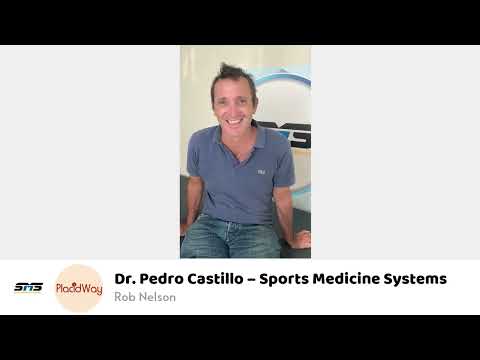




.png)










Share this listing