
Neck Lift Cost in Cancun vs Tijuana: A Side-by-Side Look

If you are exploring options for facial rejuvenation, you might be considering a neck lift in Mexico. Over the years, the country has become a prominent destination for patients seeking elective cosmetic procedures. When analyzing the neck lift cost in Mexico, two cities often stand out for international patients: Tijuana and Cancun. Both offer modern infrastructure and experienced surgical teams, but they cater to slightly different types of medical travelers.
Understanding the nuances of medical tourism in Mexico is vital for making an informed, safe decision. The price of a procedure is just one aspect of the journey; patients must also factor in travel logistics, the reputation of the chosen facility, the expertise of the surgeon, and the required recovery time. Choosing a neck lift clinic in Mexico requires diligent research to ensure safety protocols align with international medical standards.
Key Takeaways
- Tijuana generally offers slightly lower estimated costs due to its close proximity to the US border and a high volume of drive-in patients.
- Cancun provides a resort-like recovery environment, though it may have slightly higher facility and operational fees.
- Quoted costs typically include surgeon fees, anesthesia, and facility use, but you should always request an itemized breakdown.
- A neck lift addresses loose skin and muscle banding, but it is often combined with a facelift for comprehensive results.
- Thoroughly verify surgeon credentials; patient safety and surgical outcomes depend heavily on professional expertise and board certification.
What factors influence the cost difference between Cancun and Tijuana?
The economic dynamics of the two cities play a significant role in their pricing structures. Tijuana is situated directly on the border with San Diego, California. Because of this strategic location, it attracts a massive volume of day-trippers and short-stay medical tourists. The dense concentration of clinics in Tijuana creates a highly competitive market, which naturally keeps prices somewhat lower. Overhead costs for facilities in border towns are often optimized for high patient turnover.
Conversely, Cancun is a premier international tourist destination located on the Yucatan Peninsula. Real estate, facility leasing, and general living costs are often higher in resort cities. Medical facilities in Cancun frequently position themselves as premium recovery destinations, emphasizing a serene, vacation-like environment for the post-operative period. These localized economic factors contribute to the slightly higher estimated price range for cosmetic surgery in the area.
Ultimately, the cost difference is less about the quality of the surgical technique and more about geographic location, market demand, and local operational expenses. Patients should evaluate which environment best suits their logistical needs and comfort level during the critical early days of recovery.
What is typically included in a Mexican neck lift package?
When comparing estimates from different facilities, it is crucial to understand exactly what is—and what is not—included in the quoted price. Some clinics provide an all-inclusive surgical package, while others might provide a baseline price that does not account for necessary add-ons.
Generally, an itemized estimate for a neck lift should include:
- Surgeon's fee: The primary cost for the specialist's expertise and time.
- Anesthesia fees: Compensation for the certified anesthesiologist monitoring you during surgery.
- Operating room facility fees: Costs for using the sterile surgical suite and specialized equipment.
- Basic medical supplies: Garments, sutures, dressings, and surgical instruments.
Patients should explicitly ask if the quote covers pre-operative blood tests, post-operative prescription medications, compression garments, and overnight hospital stays if required. Travel expenses, hotel accommodations, and meals are almost always separate, though some clinics may offer assistance with local transfers.
Am I a suitable candidate for this procedure?
A neck lift, medically known as a lower rhytidectomy, is designed to improve visible signs of aging in the jawline and neck. However, not everyone is an ideal candidate for this specific surgery. A thorough evaluation by a qualified healthcare professional is necessary to determine if this procedure aligns with your anatomical needs and health status.
Ideal candidates usually share certain characteristics:
- They are non-smokers, as nicotine severely impairs blood flow and significantly increases the risk of tissue necrosis and poor wound healing.
- They do not have uncontrolled medical conditions that impair healing, such as severe diabetes or cardiovascular disease.
- They have a stable weight, as future weight fluctuations can stretch the skin and alter surgical results.
- They exhibit issues such as a "turkey wattle," prominent platysma muscle bands, or excess fat under the chin that cannot be resolved through diet alone.
During a consultation, a surgeon will review your medical history, assess your skin elasticity, and discuss alternative or complementary treatments, such as a facelift or non-surgical skin tightening, to ensure you achieve the best possible result safely.
How do surgical techniques impact the final price?
The term "neck lift" is actually an umbrella term that can encompass several different surgical techniques. The complexity and duration of the surgery directly influence the overall cost. A surgeon tailors the approach based on the patient's specific aging patterns.
If a patient has good skin elasticity but isolated pockets of submental fat (a double chin), the surgeon might perform liposuction alone. This is generally the least expensive option because it is quicker, less invasive, and often requires less complex anesthesia.
However, older patients or those with significant weight loss often require cervicoplasty (the removal of excess skin) combined with platysmaplasty (the alteration and tightening of the neck muscles). These techniques require longer operating times, more intricate suturing, and advanced surgical skill, which naturally increases the surgeon and facility fees. An individualized assessment will determine which combination of techniques is medically appropriate for you.
Is it safe to travel to Mexico for cosmetic surgery?
Patient safety must always override cost savings. While Mexico is home to many highly trained specialists and world-class facilities, the quality of care can vary significantly. Elective surgery always involves risks, including infection, hematoma, adverse reactions to anesthesia, and unsatisfactory cosmetic outcomes. Traveling across borders adds logistical complexities to these standard medical risks.
When traveling for surgery, patients must consider the risks of flying. Air travel, especially flights longer than four hours, increases the risk of deep vein thrombosis (DVT) and pulmonary embolism. It is crucial to discuss travel plans with your surgeon, as they may recommend specific precautions such as wearing compression socks, walking the aisle, or taking blood thinners.
To maximize safety, patients should only consider clinics that adhere to strict hygiene and safety protocols. Ensure the facility has a clear emergency plan in place should complications arise during surgery. Never let language barriers prevent you from fully understanding consent forms, surgical risks, and post-operative instructions.
What should I expect during the recovery process?
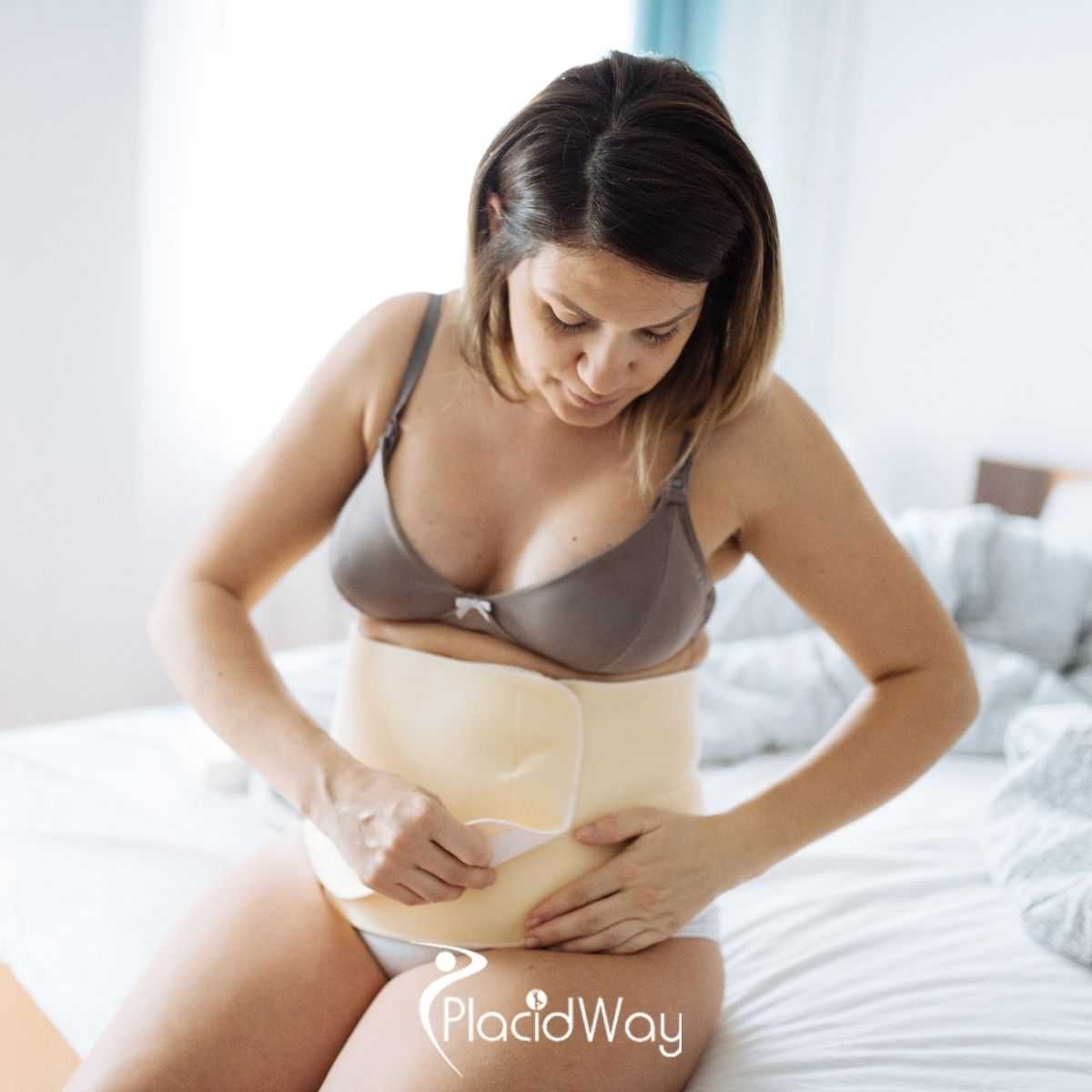
Recovery from a neck lift requires patience and strict adherence to post-operative instructions. Immediately following the surgery, your neck will likely feel tight and sore. A compression garment is typically worn to minimize swelling and support the newly contoured tissues as they heal.
During the first few days, you should expect moderate bruising and swelling, which often peaks around day three before gradually subsiding. Surgeons usually instruct patients to sleep with their head elevated on two or three pillows to reduce fluid accumulation. Prescribed pain medication can help manage early discomfort, which usually transitions to mild tenderness after the first week.
While most people can return to non-physical work within 10 to 14 days, rigorous exercise, heavy lifting, and activities that raise blood pressure must be avoided for at least four to six weeks. Keep in mind that individual healing times vary, and final results may take several months to fully manifest as residual, subtle swelling resolves.
How long should I stay in Cancun or Tijuana after surgery?
Allocating sufficient time for post-operative care before traveling home is a non-negotiable aspect of medical tourism. Rushing the journey back can severely compromise your healing process and increase the likelihood of complications.
During the first week after surgery, you will need to visit the clinic for follow-up appointments. If surgical drains were placed to prevent fluid buildup, they are typically removed within the first 48 to 72 hours. Sutures, depending on the type used, are often removed between five and ten days post-op.
Furthermore, surgeons need to evaluate your incisions to ensure there are no signs of infection or hematoma before clearing you for travel. Whether you are driving across the border from Tijuana or taking a flight out of Cancun, traveling too soon can exacerbate swelling and put undue stress on healing incisions.
What happens if I experience complications after returning home?
One of the primary challenges of traveling abroad for surgery is the potential for delayed complications. While rare, issues such as infection, excessive bleeding, or delayed wound healing can occur weeks after a procedure. If you experience severe pain, spreading redness, high fever, or sudden asymmetrical swelling after returning home, you must not wait.
It is important to understand that your Mexican surgeon cannot treat you across international borders. You will need to present yourself to a local physician or emergency department. Be prepared to provide them with complete medical records, operative notes, and details of the techniques used during your surgery in Mexico.
Additionally, patients should be aware that local doctors may be hesitant to manage complications from a surgery performed abroad. You will likely be responsible for all costs associated with treating complications in your home country, as standard health insurance policies may have specific exclusions regarding elective international procedures. Some patients opt to purchase specialized medical tourism complications insurance prior to their trip for added financial protection.
How do I verify the credentials of a surgeon in Mexico?
Thoroughly vetting your chosen physician is the single most critical step in your medical tourism journey. In Mexico, any licensed physician can legally perform cosmetic procedures, but only those who have completed rigorous specialized training in plastic surgery are recognized by the central accrediting bodies.
You should verify that the surgeon is a member in good standing with the Consejo Mexicano de Cirugía Plástica, Estética y Reconstructiva (CMCPER). This council is the equivalent of the American Board of Plastic Surgery and ensures the surgeon has completed standardized residency programs and passed comprehensive examinations.
Additionally, look for memberships in reputable organizations such as the International Society of Aesthetic Plastic Surgery (ISAPS) or the American Society of Plastic Surgeons (ASPS) International branch. Do not rely solely on social media followers, before-and-after photos, or clinic marketing materials. Ask for the surgeon's exact medical license number (Cédula Profesional) and verify it through the official Mexican government registry.
Why Choose PlacidWay for Medical Tourism in Mexico?
Navigating international healthcare options can be overwhelming. PlacidWay acts as a resource to help patients research and connect with medical facilities abroad. Here are factual points about using the platform:
- Provides access to a diverse network of healthcare providers and clinics across multiple countries, including Mexico.
- Offers educational resources, articles, and guides to help patients compare international treatment options.
- Allows users to request direct, personalized price estimates from facilities based on their specific needs.
- Features patient reviews and detailed clinic profiles to support informed decision-making.
- Assists in facilitating communication and connecting patients with medical professionals for initial inquiries and consultations.
Frequently Asked Questions (FAQs)
Does a neck lift leave visible scars?
Scars from a neck lift are usually well-hidden. Surgeons typically place incisions behind the ears and sometimes under the chin. Over time, these scars tend to fade, though individual healing varies based on genetics and post-operative care.
Can a neck lift be combined with a facelift in Mexico?
Yes, it is very common to combine a neck lift with a facelift. Because the face and neck age together, addressing both areas simultaneously often yields a more balanced, harmonious result and requires only one recovery period.
Are consultations typically done virtually or in person?
Many Mexican clinics offer initial virtual consultations via video call to discuss your goals, review photos, and provide an estimated quote. A comprehensive in-person evaluation is always required once you arrive before any surgery takes place.
What kind of anesthesia is used for a neck lift?
Depending on the complexity of the procedure and the surgeon's recommendation, a neck lift may be performed under general anesthesia or intravenous sedation combined with local anesthesia.
Will I need drains after the surgery?
Surgeons frequently place small, temporary drainage tubes under the skin to prevent fluid and blood buildup. These are usually removed within the first one to three days during a post-operative checkup.
How soon can I fly home from Cancun after a neck lift?
Surgeons typically advise waiting 7 to 10 days before flying. This allows time for initial healing, drain removal, and minimizes the risk of blood clots or swelling associated with cabin pressure changes.
Do clinics in Tijuana accept US health insurance?
Because a neck lift is considered an elective cosmetic procedure, it is rarely covered by health insurance, whether in the US or Mexico. Patients generally pay out-of-pocket using cash, credit cards, or specialized medical financing.
What is the difference between a mini neck lift and a full neck lift?
A mini neck lift often involves smaller incisions and focuses primarily on excess fat and minor skin laxity. A full neck lift addresses more significant aging, including tightening the underlying platysma muscle and removing larger amounts of loose skin.
How long do the results of a neck lift typically last?
While a neck lift cannot stop the natural aging process, results typically last for many years. Maintaining a stable weight and practicing good sun protection can help prolong the outcome.
Can men get a neck lift in Mexico?
Absolutely. Men frequently seek neck lifts to address a 'turkey wattle' or heavy jowls. Surgeons tailor the technique to preserve masculine jawline aesthetics and hide incisions within male hairline and beard patterns.
Compare Treatment Options
Take the next step in your research. Connect with accredited facilities in Mexico to receive personalized information and estimates for your procedure.
Request Treatment InformationReferences
- Neck Lift Surgery Overview – American Society of Plastic Surgeons (ASPS)
- Traveler's Health: Mexico – Centers for Disease Control and Prevention (CDC)
- Patient Guide to Neck Lift Procedures – International Society of Aesthetic Plastic Surgery (ISAPS)
- Medical Tourism Guidelines – Centers for Disease Control and Prevention (CDC)
- Official Surgeon Directory – Consejo Mexicano de Cirugía Plástica, Estética y Reconstructiva (CMCPER)
- Facelift and Neck Contouring Risks and Results – Mayo Clinic






















Share this listing