


First 2 Weeks After PCL Surgery in Mexico
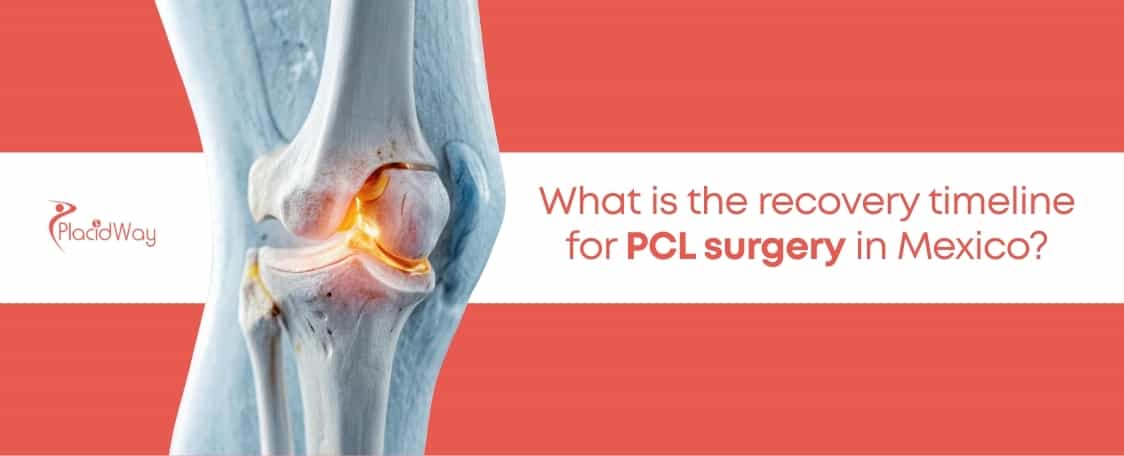
Hey there! If you're considering PCL surgery, especially in a place like Mexico, you're likely curious about what the healing journey looks like. Understanding the recovery timeline for PCL surgery is vital for anyone planning this significant step, as it helps set realistic expectations and prepare for the rehabilitation process ahead. Mexico has become a notable destination for medical tourism, including orthopedic procedures, due to its quality care and often more affordable options.
Successfully recovering from PCL surgery involves a dedicated commitment to physical therapy and following your surgeon's instructions. While the overall PCL surgery recovery timeline in Mexico broadly spans several months, it's a phased process with distinct milestones. We're here to walk you through what to expect, from immediate post-operative care to getting back to your active life, addressing all the important questions you might have about this specialized knee rehabilitation.
What is the typical PCL surgery recovery timeline in Mexico?
The recovery journey after PCL (Posterior Cruciate Ligament) surgery is a marathon, not a sprint. While the initial surgical procedure may be completed in a few hours, the body's healing and strengthening process takes a considerable amount of time. In Mexico, as with anywhere else, this timeline is carefully managed through structured rehabilitation programs.
Generally, the first 6 to 8 weeks are focused on protecting the new graft, managing pain and swelling, and regaining basic range of motion. During this period, weight-bearing is often limited, and a brace is typically worn. Physical therapy begins almost immediately, focusing on gentle exercises to prevent stiffness and muscle atrophy. As the weeks progress, the intensity of exercises increases, moving into strengthening, balance, and proprioception training. Full healing and a safe return to high-impact sports or strenuous activities usually require 9 to 12 months, provided there are no complications and rehabilitation milestones are consistently met.
What are the immediate post-operative care requirements after PCL surgery?
The first few days and weeks following PCL surgery are critical for laying the foundation for a successful recovery. Your medical team in Mexico will provide detailed instructions to ensure proper healing and minimize complications. Pain management is a top priority, often involving prescribed medications to keep you comfortable. It's common to experience swelling, which can be effectively managed with regular icing and elevating your leg above heart level.
Wound care is also essential. The incision site must be kept clean and dry to prevent infection. You'll typically have dressings that need changing, and your surgeon will advise when it's safe to shower. A knee brace is almost always part of the immediate post-op protocol; it's designed to protect the new PCL graft and restrict certain movements. Additionally, your physical therapist will guide you through very gentle, early range-of-motion exercises, even while you are partially immobilized, to begin the process of regaining knee flexibility without stressing the healing ligament.
How long is physical therapy needed for PCL recovery?
Physical therapy (PT) is the cornerstone of PCL surgery recovery and is a long-term commitment. It typically starts within a few days of surgery and often continues for 6 to 9 months, or even longer depending on your individual goals and the complexity of your injury. Consistency and adherence to your PT program are paramount for regaining full function and preventing re-injury.
The PT program is structured in phases:
- Phase 1 (Weeks 0-6): Focus on pain and swelling control, protecting the graft, and restoring passive range of motion.
- Phase 2 (Weeks 6-12): Gradual increase in active range of motion, initiation of gentle strengthening exercises for quadriceps and hamstrings.
- Phase 3 (Months 3-6): Progressive strengthening, balance training, and proprioception exercises to improve knee stability.
- Phase 4 (Months 6-9+): Introduction of sport-specific drills, agility training, and plyometrics, preparing for a safe return to desired activities.
Your physical therapist in Mexico will closely monitor your progress and adjust the program to ensure you are meeting your rehabilitation goals safely and effectively.
When can I return to normal activities after PCL surgery in Mexico?
The desire to return to normal activities is strong after PCL surgery, but it's crucial to follow a gradual and guided approach. Light daily activities, such as walking for short distances or performing desk work, might be possible within 3 to 4 months, provided your pain is managed and your knee stability is improving. However, "normal activities" can mean different things to different people.
For those involved in sports or physically demanding jobs, the timeline extends significantly. High-impact activities, pivoting sports like soccer or basketball, and heavy lifting usually require a minimum of 9 to 12 months, sometimes longer. This extended period allows the new PCL graft to fully mature and strengthen, reducing the risk of re-injury. Your surgeon and physical therapist will perform specific tests to assess your knee's readiness before clearing you for a full return to these more demanding activities.
What are the potential risks and complications of PCL surgery?
While PCL surgery is generally safe and effective, like any surgical procedure, it carries potential risks and complications. It's important to be aware of these, discuss them with your surgeon in Mexico, and understand how they are mitigated.
Common potential complications include:
- Infection: Though rare, surgical site infections can occur and may require antibiotics or further intervention.
- Stiffness (Arthrofibrosis): Scar tissue can limit knee motion, sometimes requiring additional physical therapy or, in rare cases, another procedure.
- Persistent Pain: Some individuals may experience chronic pain even after successful surgery and rehabilitation.
- Graft Failure: The new PCL graft may stretch or tear, often due to premature return to activity or inadequate rehabilitation, potentially requiring revision surgery.
- Deep Vein Thrombosis (DVT): Blood clots can form in the leg, a risk often managed with early mobilization and sometimes blood thinners.
- Nerve or Blood Vessel Damage: Although uncommon, structures around the knee can be injured during surgery.
Choosing a highly experienced orthopedic surgeon and adhering strictly to post-operative care instructions significantly reduces the likelihood of these complications.
What factors can affect PCL surgery recovery speed?
Several factors play a significant role in determining how quickly and effectively an individual recovers from PCL surgery. Understanding these can help manage expectations and optimize the rehabilitation process.
Key factors include:
- Patient Age and Overall Health: Younger, healthier individuals often have a faster healing capacity. Pre-existing conditions like diabetes or obesity can slow recovery.
- Severity of Injury: A simple PCL tear will generally have a quicker recovery than a complex injury involving multiple ligaments or meniscus tears.
- Adherence to Physical Therapy: This is arguably the most crucial factor. Consistent and correct execution of prescribed exercises is paramount. Skipping sessions or not following guidelines can significantly prolong recovery.
- Surgical Technique: The skill and experience of the surgeon, along with the specific surgical technique used, can influence the outcome and recovery trajectory.
- Patient Motivation and Mindset: A positive attitude and strong motivation to recover can positively impact rehabilitation progress.
Your orthopedic team in Mexico will assess these factors to give you a personalized recovery outlook.
How much does PCL surgery typically cost in Mexico compared to the US?
One of the primary drivers for patients considering PCL surgery in Mexico is the substantial cost savings compared to countries like the United States. While quality of care remains a priority, the financial aspect is often a major deciding factor.
Here's a general comparison:
| Location | Estimated PCL Surgery Cost Range |
|---|---|
| United States | $30,000 - $60,000+ |
| Mexico | $8,000 - $15,000 |
This significant difference is due to several factors, including lower overhead costs for medical facilities, lower malpractice insurance premiums, and a different economic structure that affects pricing for medical supplies and professional fees. Many clinics in Mexico offer comprehensive packages that include the surgery, anesthesia, hospital stay, and initial post-operative consultations, providing transparency and predictability in pricing.
What should I look for when choosing a clinic for PCL surgery in Mexico?
Selecting the right clinic and surgeon for your PCL surgery in Mexico is crucial for a successful outcome and peace of mind. Thorough research is highly recommended to ensure you receive high-quality care.
Consider these key aspects:
- Surgeon's Credentials: Ensure the orthopedic surgeon is board-certified, has extensive experience with PCL reconstruction, and ideally specializes in sports medicine or knee surgery. Look for affiliations with professional orthopedic associations.
- Facility Accreditation: Prioritize clinics or hospitals that have international accreditations (e.g., Joint Commission International - JCI) or are well-regarded by national medical bodies. This indicates adherence to high standards of patient safety and quality.
- Technology and Equipment: Modern surgical equipment and diagnostic tools contribute to better outcomes. Inquire about the technology used for imaging, surgery, and rehabilitation.
- Transparent Pricing: A reputable clinic will provide a clear, itemized quote for all aspects of the surgery and associated care, with no hidden fees.
- Comprehensive Care: Look for clinics that offer an integrated approach, including pre-operative assessments, the surgery itself, post-operative care, and arrangements for initial physical therapy.
- Communication: Ensure easy communication with the clinic and surgical team, especially if there's a language barrier. Many top medical tourism facilities offer English-speaking staff or translation services.
Checking patient testimonials and seeking recommendations can also be valuable.
Is it safe to undergo PCL surgery as a medical tourist in Mexico?
The safety of medical procedures abroad, including PCL surgery in Mexico, is a common concern for medical tourists. The good news is that Mexico has a well-developed medical tourism sector with many world-class facilities and highly trained specialists, particularly in larger cities and border regions catering to international patients. Safety largely depends on making informed choices.
To ensure a safe experience:
- Do Your Research: Vetting clinics and surgeons thoroughly is paramount. Look for board certifications, international accreditations (like JCI), and verifiable patient reviews.
- Communicate Clearly: Ensure there are no misunderstandings regarding your medical history, the procedure, or post-operative instructions. Choose facilities with excellent communication support.
- Understand the Package: A comprehensive medical tourism package should cover all aspects of your care, including the procedure, hospital stay, medication, and follow-up.
- Plan for Recovery: Consider how you will manage immediate recovery in Mexico before traveling back home. Some patients opt to stay longer for initial physical therapy.
- Travel Insurance: Invest in medical travel insurance that covers potential complications or extended stays.
By taking these precautions, you can significantly enhance the safety and success of your PCL surgery in Mexico.
What types of rehabilitation facilities are available for PCL recovery in Mexico?
Mexico's medical infrastructure includes various options for rehabilitation, catering to the needs of PCL surgery patients. Many hospitals and specialized clinics that perform orthopedic surgery also have dedicated physical therapy departments on-site, providing a seamless transition from surgery to rehabilitation.
Beyond hospital-based units, you can find independent private rehabilitation centers that specialize in sports injuries and post-surgical recovery. These centers often boast state-of-the-art equipment, including aquatic therapy pools, advanced strengthening machines, and gait analysis systems. Some offer intensive rehabilitation programs for medical tourists, which can be beneficial if you plan to stay in Mexico for an extended period for your initial recovery phases. The quality of care in these facilities can be excellent, with therapists often trained in international rehabilitation protocols, ensuring your PCL recovery timeline stays on track.
Ready to explore your options for PCL surgery and recovery abroad? Contact PlacidWay today to connect with world-class medical facilities and experienced specialists tailored to your healthcare journey.














Share this listing