


Understanding Stem Cell for Down Syndrome in Mexico
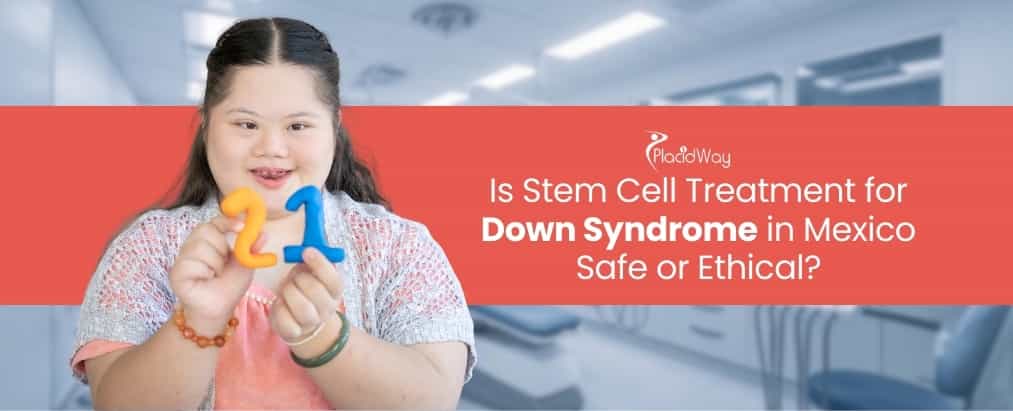
Navigating the world of medical treatments, especially for conditions like Down Syndrome, can be incredibly challenging for families seeking the best possible care for their loved ones. In recent years, stem cell treatments have emerged as a topic of keen interest, with some clinics in Mexico offering these therapies for Down Syndrome.
However, a critical question arises: is stem cell treatment for Down Syndrome in Mexico safe or ethical? The straightforward answer is that these treatments are largely experimental, unproven, and raise significant safety and ethical red flags that every family should consider carefully.
Many families, driven by hope and the desire to explore every possible avenue for improvement, look towards innovative solutions. Mexico has become a destination for various medical procedures, including experimental stem cell therapies, primarily due to less stringent regulations compared to countries like the United States or those in Europe.
While the allure of potential breakthroughs is understandable, it's crucial to approach these offerings with a discerning eye, understanding the scientific consensus, potential risks, and the ethical implications involved in pursuing treatments that lack robust clinical evidence.
This article aims to address common questions and provide a comprehensive overview to help families make informed decisions about stem cell treatment for Down Syndrome in Mexico.
Is stem cell treatment for Down Syndrome in Mexico safe?
Detailed Explanation: The safety of stem cell treatment for Down Syndrome in Mexico is a primary concern for medical professionals and regulatory bodies worldwide. Unlike conventional therapies that undergo rigorous clinical trials and approvals by agencies like the FDA in the U.S. or the EMA in Europe, many stem cell treatments offered in Mexico are not subject to the same level of oversight.
This means that the quality, purity, and even the type of stem cells used can vary dramatically from one clinic to another. The lack of standardization and regulation can lead to several risks:
- Infection: Any invasive procedure carries a risk of infection, which can be heightened in clinics with less stringent hygiene protocols.
- Immune Reactions: Introducing foreign cells into the body can trigger an immune response, leading to complications or rejection.
- Tumor Formation: While rare, certain types of stem cells, particularly embryonic or induced pluripotent stem cells, have the potential to form tumors (teratomas) if not properly differentiated or administered.
- Contamination: Cells may be contaminated during processing or storage, posing risks to the patient.
- Unforeseen Side Effects: Because these treatments are unproven, the long-term side effects are not well understood.
Families considering such treatments must weigh these substantial safety concerns against the unproven claims of benefit.
Is stem cell treatment for Down Syndrome in Mexico ethical?
Detailed Explanation: The ethical dilemmas surrounding experimental stem cell treatments for Down Syndrome in Mexico are profound. At the heart of the issue is the practice of offering unproven therapies for a significant cost to families who are often in a vulnerable position, seeking any potential help for their child.
This raises concerns about exploitation and whether true informed consent can be obtained when there is a significant power imbalance and a lack of clear scientific evidence. Key ethical considerations include:
- Exploitation of Hope: Clinics capitalize on the hope of desperate families, offering treatments with little to no scientific basis for their claims of efficacy.
- Lack of Evidence-Based Practice: Ethical medical practice dictates that treatments should be based on robust scientific evidence. When this is absent, it moves into an experimental realm that should be conducted within regulated clinical trials, not commercial clinics.
- Informed Consent: For a patient or their guardian to give truly informed consent, they need to understand the potential risks, benefits, and alternatives based on clear, unbiased information. This is often difficult to achieve with experimental therapies, especially when the information provided by clinics may be biased or exaggerated.
- Commercialization Over Patient Well-being: The commercial nature of these clinics can sometimes prioritize profit over the ethical responsibilities to patient safety and well-being.
Ethical guidelines emphasize protecting vulnerable populations, and individuals with Down Syndrome, along with their families, fall into this category when faced with unproven medical interventions.
What types of stem cells are used for Down Syndrome in Mexico?
Detailed Explanation: The most commonly advertised type of stem cell for Down Syndrome treatment in Mexico is mesenchymal stem cells (MSCs). These cells are multipotent stromal cells that can differentiate into various cell types, including osteoblasts, chondrocytes, and adipocytes. They are also known for their immunomodulatory and anti-inflammatory properties. MSCs can be sourced from several tissues, including:
- Umbilical Cord Blood or Tissue: Often considered "younger" cells with high proliferative capacity.
- Adipose (Fat) Tissue: Relatively easy to harvest through liposuction.
- Bone Marrow: A traditional source, harvested from the hip bone.
While MSCs are extensively studied for various conditions, their specific role and efficacy in treating the cognitive, developmental, or physical aspects of Down Syndrome remain largely unproven in robust clinical trials. Claims made by clinics often suggest these cells can help repair tissues, reduce inflammation, or promote neural development, but these are speculative in the context of Down Syndrome and lack definitive scientific backing. The preparation and administration methods also vary, which further complicates the assessment of safety and effectiveness.
What are the potential risks of unproven stem cell therapies for Down Syndrome?
Detailed Explanation: Beyond the general safety concerns, there are specific risks associated with unregulated and unproven stem cell therapies. These risks are not unique to Down Syndrome but are amplified when treatments are administered outside of rigorous medical protocols. Potential risks include:
- Infection: As with any injection or surgical procedure, there's a risk of bacterial, viral, or fungal infections at the injection site or spreading systemically.
- Immune System Reactions: The body might react adversely to the introduced cells, leading to inflammation, fever, or more severe autoimmune responses.
- Tumorigenicity: While less common with MSCs than with embryonic stem cells, the uncontrolled proliferation of cells could theoretically lead to tumor formation. This risk is higher if the cells are not properly characterized or if other types of undifferentiated cells are present.
- Procedure-Related Risks: Risks associated with the harvesting or delivery methods (e.g., bone marrow aspiration, liposuction, intravenous infusions) include bleeding, pain, nerve damage, or complications from anesthesia.
- Ineffectiveness and Financial Loss: Perhaps one of the most common "risks" is that the treatment simply doesn't work, leading to substantial financial loss for families who invest significant sums in these expensive therapies. This also means lost time and opportunity for evidence-based interventions.
Understanding these risks is crucial for families to make a truly informed decision, recognizing that the potential downsides can far outweigh the unsubstantiated claims of benefit.
Are there approved stem cell treatments for Down Syndrome anywhere in the world?
Detailed Explanation: It is important to clarify that as of now, there are no stem cell treatments specifically approved by major regulatory bodies like the U.S. Food and Drug Administration (FDA), the European Medicines Agency (EMA), or other equivalent international health organizations for Down Syndrome. Medical treatments undergo extensive testing through multiple phases of clinical trials to prove their safety and effectiveness before they can be approved for general use. The process typically involves:
- Pre-clinical Research: Laboratory and animal studies.
- Phase I Trials: Small-scale human trials to assess safety.
- Phase II Trials: Larger trials to evaluate effectiveness and further assess safety.
- Phase III Trials: Large-scale trials comparing the new treatment to existing ones or a placebo, focusing on efficacy and monitoring adverse effects.
Stem cell therapies for Down Syndrome have not progressed through this rigorous process to gain approval. While research is ongoing in various areas of stem cell science, these are experimental studies, not commercial treatments. Any clinic claiming to offer an "approved" or "proven" stem cell treatment for Down Syndrome is operating outside recognized medical standards.
Why do families choose Mexico for stem cell treatments for Down Syndrome?
Detailed Explanation: Several factors contribute to why families consider traveling to Mexico for experimental stem cell treatments for Down Syndrome, despite the known risks and lack of scientific validation. These reasons typically include:
- Less Stringent Regulations: Mexico's regulatory framework for experimental therapies is often less strict than in countries with more developed healthcare oversight, allowing clinics to operate with fewer restrictions on unproven treatments.
- Hope for Improvement: Families are constantly searching for ways to improve the quality of life, cognitive abilities, or physical health of their child with Down Syndrome. The promise, however unsubstantiated, of a new therapy can be incredibly compelling.
- Aggressive Marketing: Some clinics engage in aggressive marketing tactics, promoting anecdotal successes and making appealing but unverified claims through websites, social media, and forums.
- Perceived Affordability: While still very expensive, the cost of these treatments in Mexico might be perceived as lower than what similar (non-existent, regulated) experimental therapies might cost in their home countries, or simply due to the lack of available options elsewhere.
- Accessibility: For North American families, Mexico is geographically convenient, making travel less burdensome than to other international destinations.
It is important for families to recognize that these factors often stem from regulatory loopholes and commercial interests rather than genuine scientific advancement or ethical medical practice.
What should I consider before traveling to Mexico for medical treatment?
Detailed Explanation: Medical tourism to Mexico for various procedures, including experimental stem cell treatments, requires careful consideration beyond just the treatment itself. Families must be diligent in their research and planning to minimize risks and ensure the best possible experience, regardless of the procedure. Key considerations include:
| Consideration | Details to Investigate |
|---|---|
| Clinic Accreditation | Check for international accreditations (e.g., Joint Commission International - JCI) and local licensing. These indicate adherence to certain quality and safety standards. |
| Doctor Qualifications | Verify the treating physician's board certifications, experience, and specialization. Ensure they are licensed to practice in Mexico. |
| Language Barriers | Assess communication challenges. Will there be interpreters available? Can you communicate effectively with the medical staff? |
| Post-Treatment Care | Understand what follow-up care is provided by the clinic and how you will manage any necessary care once you return home. |
| Insurance Coverage | Most health insurance plans do not cover experimental treatments or procedures performed internationally. Confirm your coverage for any complications or related medical needs. |
| Regulatory Environment | Understand the specific regulations in Mexico for the treatment you are considering. For experimental stem cell therapies, regulations are often less strict. |
| Travel Logistics | Plan for travel, accommodation, and local transportation. Consider the added stress this might place on a child with Down Syndrome and their family. |
Thorough research and careful planning are essential to mitigate the risks associated with international medical travel, especially for unproven therapies.
How much does stem cell treatment for Down Syndrome typically cost in Mexico?
Detailed Explanation: The financial aspect of seeking stem cell treatment for Down Syndrome in Mexico is a significant concern. These experimental therapies are not covered by health insurance, meaning families must bear the entire cost out-of-pocket. The prices can be substantial and highly variable, depending on the clinic, the type and number of stem cells administered, and the number of sessions recommended. Typically, costs can include:
- Initial Consultation and Diagnostics: Fees for evaluations, blood tests, and imaging.
- Stem Cell Preparation and Administration: The core cost of the cells and the procedure itself.
- Ancillary Treatments: Some clinics might bundle other unproven therapies or supplements.
- Follow-up Appointments: Costs for post-treatment assessments, if any are offered.
- Travel and Accommodation: Significant expenses for flights, lodging, food, and local transportation for the patient and accompanying family members.
Families often face hidden costs and the pressure to undergo multiple sessions, further escalating the financial strain. This financial burden, coupled with the unproven nature of the treatment, highlights the potential for financial exploitation. It is important to compare these costs to the proven, evidence-based therapies and support services that genuinely improve the lives of individuals with Down Syndrome.
What is the regulatory landscape for stem cell therapy in Mexico?
Detailed Explanation: Mexico's regulatory environment for medical treatments, particularly experimental therapies like stem cell treatments, differs significantly from many other developed nations. While Mexico has a federal health regulatory agency, COFEPRIS (Comisión Federal para la Protección contra Riesgos Sanitarios), its oversight of stem cell clinics offering unproven therapies is not as comprehensive or strict as that of the FDA in the United States or the EMA in Europe. This creates a "gray area" where clinics can operate and offer treatments without having to meet the same rigorous scientific and ethical standards required elsewhere. This often means:
- Lack of Clinical Trial Requirement: Clinics may not be required to conduct formal clinical trials to demonstrate safety and efficacy before offering treatments commercially.
- Varied Standards of Care: Without strict guidelines, the quality of cell processing, facility hygiene, and medical expertise can vary greatly among clinics.
- Aggressive Marketing: The relaxed regulations can allow clinics to make broad and unsubstantiated claims about the effectiveness of their treatments.
This environment, while seemingly offering "more options," places a greater burden on patients and their families to critically evaluate claims and understand the inherent risks of treatments operating outside internationally recognized regulatory frameworks.
What evidence-based therapies are recommended for Down Syndrome?
Detailed Explanation: While experimental stem cell treatments lack scientific backing, there is a wealth of evidence-based therapies and interventions that significantly improve the lives of individuals with Down Syndrome. These established approaches focus on developmental support, skill building, and managing associated health challenges. Recommended evidence-based therapies include:
- Early Intervention Programs: Starting from infancy, these programs provide a range of developmental services designed to address delays in motor, cognitive, speech, and social skills.
- Speech Therapy: Essential for addressing speech and language delays, improving communication skills, and assisting with feeding difficulties common in individuals with Down Syndrome.
- Occupational Therapy: Helps individuals develop fine motor skills, self-care routines, and adaptive strategies for daily living, promoting independence.
- Physical Therapy: Focuses on improving gross motor skills, muscle strength, balance, and coordination, which can be impacted by low muscle tone.
- Special Education and Educational Support: Tailored educational programs that adapt to individual learning styles and provide necessary accommodations to help children with Down Syndrome achieve their academic potential.
- Medical Management: Regular check-ups and specialized care for common health issues associated with Down Syndrome, such as heart conditions, thyroid disorders, hearing and vision impairments, and sleep apnea.
- Social and Behavioral Support: Programs that foster social skills, emotional regulation, and positive behaviors, crucial for inclusion and quality of life.
These therapies, supported by extensive research and clinical experience, are vital components of comprehensive care for individuals with Down Syndrome, helping them reach their full potential and enjoy fulfilling lives.
If you are exploring medical tourism options for various health needs, or seeking information on treatments and clinics worldwide, consider PlacidWay. We connect you with accredited healthcare providers and comprehensive solutions, helping you make informed decisions for your health journey.






















Share this listing