




A Guide to PRP Treatment for Knee Pain in Bengaluru India
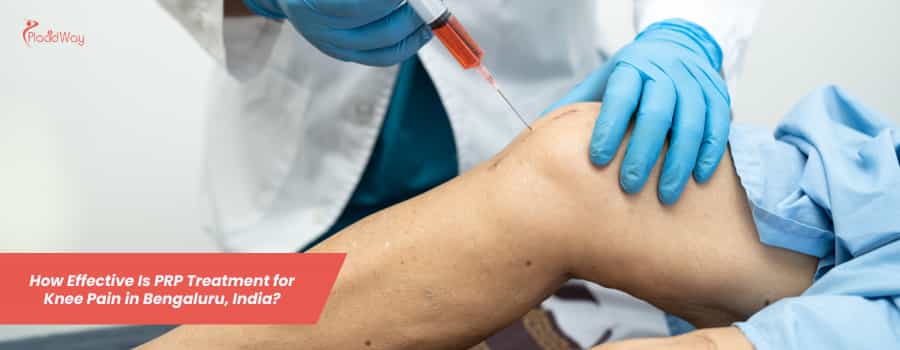
Battling with persistent knee pain can significantly impact your daily life, making simple tasks challenging. If you’re exploring advanced, non-surgical options, Platelet-Rich Plasma (PRP) treatment might have caught your attention. Bengaluru, India, known as a hub for medical innovation, offers cutting-edge orthopedic care, including PRP therapy for knee pain. This regenerative treatment utilizes your body’s own healing factors to help repair damaged tissues and reduce inflammation in the knee joint.
PRP treatment for knee pain in Bengaluru has gained popularity due to its potential to offer long-term relief without the invasiveness of surgery. It's a procedure that involves drawing a small amount of your blood, processing it to concentrate the platelets, and then injecting this platelet-rich solution back into the affected area of your knee. Many individuals in Bengaluru and those traveling for medical care find this an attractive option for conditions like osteoarthritis, ligament sprains, and tendonitis, seeking a path towards better mobility and a pain-free life.
What is PRP Treatment and How Does It Work for Knee Pain?
Platelet-Rich Plasma (PRP) therapy is a regenerative medicine technique that leverages your body's inherent healing mechanisms. It begins with a simple blood draw, similar to a routine lab test. This blood is then placed into a centrifuge, a machine that spins at high speeds to separate its components. The process isolates the plasma rich in platelets from other blood cells.
Platelets are well-known for their role in blood clotting, but they also contain a powerful reservoir of growth factors. When this concentrated PRP is injected directly into the injured or degenerated knee joint, these growth factors are released. They stimulate cellular repair, reduce inflammation, and can potentially help regenerate damaged cartilage, tendons, and ligaments. This targeted approach aims to accelerate the natural healing process and provide sustained relief from knee pain.
How Effective is PRP for Different Types of Knee Pain?
The effectiveness of PRP treatment for knee pain can vary depending on the underlying condition and its severity. It is generally most beneficial for chronic conditions and mild to moderate degenerative issues, rather than acute, severe injuries.
Here’s a breakdown of its effectiveness for common knee conditions:
- Knee Osteoarthritis: PRP is often highly effective for mild to moderate osteoarthritis, particularly in reducing pain and improving joint function. The growth factors in PRP can help decrease inflammation and potentially slow down cartilage degradation.
- Patellar Tendonitis (Jumper's Knee): For chronic inflammation or degeneration of the patellar tendon, PRP can stimulate repair and significantly reduce pain, allowing athletes to return to activity.
- Meniscus Tears: While PRP cannot heal a complete tear, it can be effective in reducing pain and promoting healing in certain types of small, stable meniscal tears or after meniscectomy.
- Ligament Sprains: For mild to moderate sprains of ligaments like the MCL or LCL, PRP injections can accelerate the healing process and strengthen the compromised tissue.
It's important to have a thorough evaluation by an orthopedic specialist to determine if PRP is the right course of action for your specific knee pain condition.
What Are the Benefits of Choosing PRP Treatment in Bengaluru for Knee Pain?
Bengaluru has emerged as a significant hub for advanced medical treatments, including regenerative therapies like PRP. For individuals considering PRP treatment for knee pain, whether local or from abroad, Bengaluru offers several compelling advantages:
- Access to Advanced Medical Technology: Medical centers in Bengaluru are equipped with state-of-the-art diagnostic and treatment facilities, ensuring accurate diagnosis and precise PRP administration.
- Experienced Orthopedic Specialists: The city boasts a large pool of highly qualified and experienced orthopedic surgeons and regenerative medicine specialists who are well-versed in performing PRP procedures.
- Cost-Effectiveness: A major draw for many is the significantly lower cost of PRP treatment in Bengaluru compared to countries in North America, Europe, or Australia, without compromising on quality of care.
- High Standards of Care: Many hospitals and clinics adhere to international medical protocols and patient safety standards, providing a trustworthy environment for treatment.
These factors combine to make Bengaluru an attractive destination for effective and accessible knee pain solutions.
What is the Typical Cost of PRP Treatment for Knee Pain in Bengaluru, India?
The cost of PRP treatment for knee pain in Bengaluru can vary based on several factors. These include the reputation and location of the clinic, the experience of the treating physician, the specific PRP kit used (which can affect the concentration and purity of the PRP), and whether additional services are bundled with the injection.
On average, you can expect to pay anywhere from INR 8,000 to INR 25,000 per session. It's important to note that most patients require more than one session for optimal results, often between 2 to 4 sessions spaced a few weeks apart. Therefore, when considering the total cost, it's essential to factor in the number of anticipated sessions. While this might seem like an investment, many find it a cost-effective alternative to more invasive surgical procedures, especially when considering the potential for long-term pain relief and improved quality of life.
Are There Any Side Effects or Risks Associated with PRP Knee Injections?
Since PRP treatment uses the patient's own blood, the risk of allergic reactions or disease transmission is virtually eliminated, making it a very safe procedure. However, like any injection-based therapy, there are some minor, temporary side effects and potential risks:
- Pain or Soreness: It's common to experience some localized pain, swelling, or tenderness at the injection site for a few days after the procedure. This is part of the inflammatory response that initiates healing.
- Bruising: Minor bruising around the injection area is possible.
- Infection: Though rare, there's a small risk of infection whenever the skin barrier is broken. Clinics in Bengaluru maintain stringent sterile techniques to minimize this risk.
- Nerve Damage: Extremely rare, but possible if the needle inadvertently strikes a nerve. This is mitigated by experienced practitioners and precise guidance techniques.
Patients are typically advised to avoid anti-inflammatory medications immediately after the injection, as these can interfere with the PRP's healing mechanism. Your doctor will provide specific post-procedure care instructions to ensure a smooth recovery and optimal results.
Who is an Ideal Candidate for PRP Therapy for Knee Pain?
Determining if you are an ideal candidate for PRP therapy requires a comprehensive evaluation by an orthopedic specialist. However, general guidelines suggest that certain profiles tend to benefit most from the treatment:
- Individuals with Mild to Moderate Osteoarthritis: Those in the early to middle stages of knee osteoarthritis often respond well, experiencing reduced pain and improved joint mobility.
- Patients with Chronic Tendinopathy: People suffering from persistent patellar tendonitis or quadriceps tendonitis that hasn't responded to conventional treatments.
- Athletes with Ligament Sprains: Individuals with mild to moderate sprains of knee ligaments (e.g., MCL, LCL) looking for accelerated healing.
- Those Seeking Non-Surgical Options: Patients who prefer to avoid surgery or are not suitable candidates for surgical intervention.
- Good General Health: Candidates should generally be in good health, without active infections, certain blood disorders, or significant systemic diseases.
Contraindications might include very severe osteoarthritis with bone-on-bone contact, active infections, or taking certain medications. A thorough consultation will help determine suitability.
How Many PRP Sessions Are Usually Required for Knee Pain Relief?
The number of PRP sessions needed for effective knee pain relief is not fixed and varies significantly from person to person. It largely depends on the specific condition being treated, its severity, the patient's overall health, and how their body responds to the initial treatments.
In most cases, a series of injections is recommended to achieve optimal and long-lasting results. An orthopedic specialist will usually recommend an initial course of 2 to 4 injections, typically administered every 2 to 6 weeks. Following this initial course, some patients may experience significant relief, while others might require booster injections periodically, perhaps every 6-12 months, to maintain the benefits.
Your doctor will monitor your progress throughout the treatment plan and adjust the number of sessions as needed, based on your pain levels and functional improvement. It's crucial to follow the recommended treatment schedule for the best possible outcome.
What Should I Expect During and After a PRP Knee Injection Procedure?
Understanding what to expect during and after a PRP knee injection can help alleviate any concerns and prepare you for the process:
During the Procedure:
- Blood Draw: A small amount of blood (usually 30-60 ml) will be drawn from your arm, similar to a standard blood test.
- PRP Preparation: The blood sample is then processed in a centrifuge for about 10-15 minutes to separate the platelet-rich plasma.
- Injection: Once the PRP is ready, the doctor will clean and numb the knee area. Using sterile techniques, the PRP is carefully injected into the targeted area of the knee, often using ultrasound guidance for precision. The entire injection process usually takes only a few minutes.
After the Procedure:
- Immediate Post-Injection: You may experience some mild pain, swelling, or stiffness at the injection site. This is normal and indicates that the healing process has begun.
- Pain Management: Your doctor might recommend pain relief options that do not interfere with the PRP's healing, such as acetaminophen. Avoid anti-inflammatory drugs like ibuprofen for a few weeks.
- Activity Restrictions: You might be advised to rest the knee for 24-48 hours and avoid strenuous activities for a period. Gradual return to light activities and physical therapy will be recommended.
- Healing Timeline: Significant improvement in pain and function usually becomes noticeable over several weeks to a few months, as the tissues heal and regenerate.
Why is Bengaluru a Preferred Destination for Medical Tourists Seeking PRP Treatment for Knee Pain?
Bengaluru's reputation as India's "Silicon Valley" extends to its healthcare sector, making it a compelling choice for medical tourists seeking specialized treatments like PRP for knee pain. Several factors contribute to its popularity:
- Cutting-Edge Infrastructure: The city boasts numerous internationally accredited hospitals and clinics equipped with the latest medical technology and facilities.
- Highly Qualified Professionals: A large number of orthopedic surgeons and regenerative medicine specialists in Bengaluru have international training and extensive experience, often fluent in English, facilitating clear communication.
- Affordable Care: The cost of PRP treatment and associated medical services is significantly lower than in many Western countries, offering high-quality care at a fraction of the price.
- Ease of Access and Support: Bengaluru's international airport provides excellent connectivity. Many medical facilities offer comprehensive support services for international patients, including visa assistance, accommodation arrangements, and language translation.
- Holistic Experience: Beyond medical treatment, patients can experience India's rich culture and hospitality, combining their treatment with a unique travel experience.
These combined advantages position Bengaluru as a top destination for medical tourists seeking effective and economical solutions for knee pain.
What Factors Should Medical Tourists Consider When Planning PRP Treatment in Bengaluru?
For medical tourists planning PRP treatment in Bengaluru, thoughtful consideration of several factors can ensure a smooth and successful experience:
- Clinic Accreditation and Doctor's Credentials: Research hospitals or clinics that are internationally accredited (e.g., JCI) and verify the qualifications and experience of the orthopedic specialist performing the PRP procedure.
- Comprehensive Treatment Plan: Ensure the clinic provides a detailed treatment plan, including the number of sessions, expected outcomes, and any associated physical therapy.
- Total Cost Analysis: Obtain a clear understanding of all costs involved, not just the PRP injections, but also consultations, diagnostics, accommodation, local transport, and potential follow-up care.
- Visa and Travel Arrangements: Understand the visa requirements for medical treatment in India and plan travel and accommodation well in advance. Consider the duration of your stay, as multiple PRP sessions might require an extended period.
- Communication and Language: Confirm that the medical staff can communicate effectively in English or arrange for interpreter services if needed.
- Post-Treatment Care and Follow-up: Discuss how post-treatment care will be managed, especially if you return to your home country. Some clinics offer telemedicine consultations for follow-up.
By carefully planning these aspects, medical tourists can maximize the benefits of seeking PRP treatment for knee pain in Bengaluru.
Ready to explore advanced healthcare solutions for your knee pain or other medical needs? Visit PlacidWay to learn more about medical tourism options and connect with top-tier healthcare providers worldwide.

.png)



.png)
.png)
.png)
.png)





Share this listing