


A Guide to Knee Cartilage Regeneration in Bengaluru, India
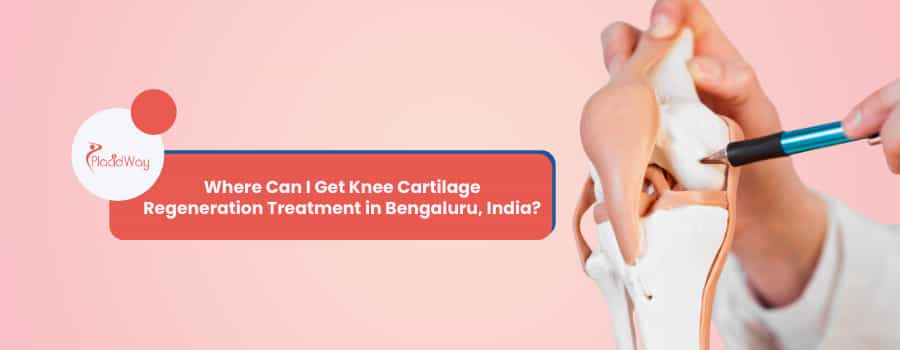
If you're experiencing knee pain due to cartilage damage, you're likely searching for effective solutions. Bengaluru, often called the "Silicon Valley of India," is also a prominent hub for advanced medical treatments, including specialized orthopedic care for knee conditions. The city boasts state-of-the-art hospitals and skilled orthopedic surgeons who are at the forefront of knee cartilage regeneration, offering hope and relief to many patients. Whether it's due to injury, aging, or degenerative conditions, finding the right treatment can significantly improve your quality of life and mobility.
Navigating the options for knee cartilage regeneration can seem daunting, but Bengaluru provides a comprehensive array of choices, from minimally invasive arthroscopic procedures to more complex cell-based therapies. Many patients, both local and international, choose Bengaluru for its blend of advanced medical technology, experienced specialists, and comparatively affordable healthcare. This guide aims to answer your most pressing questions about where and how to access these treatments, helping you make informed decisions about your knee health in this thriving medical destination.
What types of knee cartilage regeneration treatments are available in Bengaluru?
Bengaluru's leading orthopedic centers provide a spectrum of treatments for knee cartilage damage, ranging from traditional surgical methods to innovative biological approaches. The choice of treatment often depends on the size and location of the cartilage defect, the patient's age, activity level, and overall health.
Commonly available treatments include:
- Microfracture: This procedure involves making small holes in the bone beneath the damaged cartilage to stimulate the growth of new fibrocartilage, a type of scar tissue. It's typically used for smaller cartilage defects.
- Autologous Chondrocyte Implantation (ACI): A two-stage procedure where healthy cartilage cells are harvested from the patient, grown in a lab, and then implanted back into the damaged knee area. This is suitable for larger defects and aims to grow hyaline-like cartilage.
- Osteochondral Autograft Transplantation (OATS) / Mosaicplasty: Healthy cartilage and bone plugs are taken from a non-weight-bearing area of the patient's knee and transferred to the damaged site. It's effective for localized, full-thickness defects.
- Osteochondral Allograft Transplantation: Similar to OATS, but uses cartilage and bone plugs from a deceased donor. This is often considered for larger defects where autograft is not sufficient.
- Platelet-Rich Plasma (PRP) Injections: Concentrated platelets from the patient's own blood are injected into the knee to promote healing and reduce inflammation. While not directly regenerating cartilage, it supports the healing environment.
- Stem Cell Therapy: Mesenchymal stem cells, often derived from the patient's bone marrow or fat, are injected into the knee. These cells have the potential to differentiate into cartilage cells and promote tissue repair.
Orthopedic specialists in Bengaluru will conduct a thorough evaluation, including imaging tests like MRI, to determine the most appropriate treatment plan for each individual patient.
What is the typical cost of knee cartilage regeneration in Bengaluru?
The cost of knee cartilage regeneration treatment in Bengaluru is highly variable, reflecting the diversity of available procedures, hospital facilities, and the complexity of individual cases. Simpler, minimally invasive procedures like PRP injections or microfracture tend to be on the lower end of the cost spectrum, while advanced cell-based therapies or extensive surgical reconstructions can be considerably more expensive.
Factors influencing the cost include:
- Type of Procedure: PRP/Stem cell injections are generally less expensive than surgical options like ACI or OATS.
- Hospital Category: Tertiary care hospitals with state-of-the-art infrastructure and advanced technology often have higher charges compared to smaller clinics.
- Surgeon's Fees: Highly experienced and renowned orthopedic surgeons may charge more for their expertise.
- Anesthesia Fees: Costs associated with anesthesia administration.
- Diagnostic Tests: Pre-operative scans (MRI, X-rays) and blood tests.
- Implant/Material Costs: If specific implants or laboratory-grown cells are used (e.g., in ACI).
- Post-operative Care: Physiotherapy, medications, and follow-up consultations.
- Length of Hospital Stay: Longer stays naturally increase costs.
It is advisable for patients to obtain a detailed cost estimate from the chosen hospital, which should itemize all expenses involved, before proceeding with treatment. This helps in clear financial planning.
How long is the recovery period for cartilage repair procedures?
The recovery timeline following knee cartilage regeneration treatment is highly individual and depends on several factors, including the type of procedure performed, the size and location of the cartilage defect, the patient's age and overall health, and their adherence to the rehabilitation protocol. Generally, cartilage repair requires a dedicated and often prolonged rehabilitation period to ensure successful healing and restoration of function.
Here's a general overview:
- Minimally Invasive Procedures (e.g., PRP, Microfracture):
- Initial recovery: A few weeks of reduced activity and protective weight-bearing.
- Return to light activities: 1-3 months.
- Full recovery and return to sport: 4-6 months, depending on individual progress.
- Advanced Surgical Procedures (e.g., ACI, OATS):
- Initial immobilization/non-weight-bearing: 4-6 weeks.
- Gradual weight-bearing and physiotherapy: 3-6 months.
- Return to low-impact activities: 6-9 months.
- Full return to strenuous activities or sports: 9-18 months, as the new cartilage tissue matures.
Physiotherapy plays a crucial role in recovery, focusing on restoring range of motion, strengthening muscles around the knee, and improving balance. Consistent adherence to the rehabilitation program is vital for optimal long-term outcomes and to prevent re-injury.
Are there non-surgical options for knee cartilage regeneration?
For patients with mild to moderate cartilage damage or those who are not candidates for surgery, several non-surgical approaches are available in Bengaluru. These treatments aim to reduce pain, improve function, and in some cases, encourage the body's natural healing processes.
Key non-surgical options include:
- Physiotherapy and Rehabilitation: A cornerstone of non-surgical management, physiotherapy helps strengthen the muscles supporting the knee, improve flexibility, and reduce stress on the joint. It can also involve activity modification and weight management.
- Medications: Pain relievers (NSAIDs), corticosteroid injections, and oral supplements like glucosamine and chondroitin are often used to manage symptoms and support joint health, though their regenerative effects are debated.
- Platelet-Rich Plasma (PRP) Injections: As mentioned earlier, PRP uses the patient's concentrated platelets to deliver growth factors to the injured area. This can help reduce inflammation and promote tissue repair, creating a more favorable environment for healing.
- Stem Cell Therapy: Involving the injection of mesenchymal stem cells, typically from bone marrow or fat, directly into the knee joint. These cells have the potential to differentiate into cartilage cells and release growth factors, aiding in repair and reducing inflammation.
- Viscosupplementation: Involves injecting hyaluronic acid into the knee joint, which acts as a lubricant and shock absorber, improving joint mobility and reducing pain. While not regenerative, it can significantly alleviate symptoms.
These non-surgical treatments are often considered as a first line of defense or for patients seeking alternatives to surgery. Their effectiveness can vary, and a comprehensive evaluation by an orthopedic specialist is essential to determine suitability.
What are the success rates of these treatments?
The success rates of knee cartilage regeneration treatments are a critical consideration for patients. It's important to understand that "success" can be defined in various ways, including pain reduction, improved joint function, delaying or avoiding total knee replacement, and the durability of the regenerated tissue. These rates are influenced by numerous factors.
General success rate ranges observed:
- Microfracture: Initial success rates are good, especially for smaller lesions in younger, active patients, often ranging from 60-80% for symptom improvement for several years. However, the regenerated fibrocartilage may not be as durable as natural hyaline cartilage.
- Autologous Chondrocyte Implantation (ACI): Studies show long-term success rates, with 70-90% of patients experiencing good to excellent results in terms of pain relief and functional improvement, particularly for larger defects.
- Osteochondral Autograft/Allograft Transplantation (OATS): Success rates are generally high, often above 80%, for specific types of focal defects, offering durable repair with hyaline cartilage.
- PRP and Stem Cell Therapy: While promising, the long-term regenerative capabilities and definitive success rates for cartilage repair are still under extensive research. Many patients report significant pain relief and functional improvement, with outcomes varying from 50-70% for symptomatic relief.
Factors that can influence success include the patient's age, weight, activity level, the size and location of the cartilage defect, presence of other knee conditions (like arthritis), and strict adherence to post-operative rehabilitation. Discussing realistic expectations and potential outcomes with a specialist in Bengaluru is crucial.
How do I choose the best hospital for knee cartilage regeneration in Bengaluru?
Selecting the right hospital for knee cartilage regeneration treatment is a critical decision that can significantly impact your outcome. Bengaluru has many excellent healthcare facilities, so it’s important to know what to look for when making your choice.
Consider the following aspects:
- Orthopedic Specialization and Expertise: Look for hospitals with dedicated orthopedic departments and surgeons who specialize in sports medicine, joint preservation, and cartilage repair. Research their experience with specific regeneration techniques.
- Accreditations and Certifications: Hospitals with national (e.g., NABH) and international (e.g., JCI) accreditations demonstrate adherence to high standards of patient care and safety.
- Advanced Technology and Infrastructure: Ensure the hospital is equipped with state-of-the-art diagnostic imaging (MRI, CT) and surgical equipment (arthroscopy, navigation systems) necessary for advanced cartilage procedures.
- Multidisciplinary Team: A good hospital will have a team that includes not just surgeons, but also anesthesiologists, rehabilitation specialists, physiotherapists, and pain management experts to provide holistic care.
- Patient Reviews and Outcomes: Look for patient testimonials, online reviews, and publicly available data on success rates, if possible. This can offer insights into patient experiences and quality of care.
- Rehabilitation Services: A strong rehabilitation program is paramount for cartilage regeneration. Check if the hospital has in-house physiotherapy and rehabilitation facilities with experienced therapists.
- Transparency in Pricing: Choose a hospital that provides clear, itemized cost estimates and is transparent about all potential expenses.
It's often beneficial to schedule initial consultations with a couple of different specialists to compare opinions and feel comfortable with your chosen medical team.
Is Bengaluru a good destination for medical tourism for knee cartilage treatment?
Bengaluru has firmly established itself as a leading hub for medical tourism, particularly for complex orthopedic procedures like knee cartilage regeneration. The city attracts a significant number of international patients seeking high-quality healthcare at a fraction of the cost found in Western countries.
Several factors contribute to Bengaluru's appeal for medical tourists:
- World-Class Medical Facilities: Bengaluru boasts numerous internationally accredited hospitals equipped with the latest technology and adhering to global healthcare standards.
- Highly Qualified Medical Professionals: Many orthopedic surgeons in Bengaluru have international training and extensive experience in performing advanced cartilage regeneration procedures.
- Cost-Effectiveness: The cost of treatment, including surgery, post-operative care, and rehabilitation, is significantly lower than in many developed nations, without compromising on quality.
- Availability of Advanced Treatments: Patients can access a wide array of cutting-edge regenerative and reconstructive knee cartilage treatments.
- Language and Hospitality: English is widely spoken in medical settings, and hospitals often have dedicated international patient services teams to assist with language, accommodation, travel, and logistics.
- Post-Treatment Recovery Environment: The city offers a comfortable environment for recovery, with options for recuperation, and is well-connected for travel.
These advantages make Bengaluru a compelling choice for those considering medical travel for their knee cartilage issues, providing both exceptional care and value.
What factors should international patients consider when seeking knee cartilage treatment in India?
For international patients planning knee cartilage regeneration treatment in India, a comprehensive approach to planning is essential to ensure a smooth and successful medical journey. While India offers excellent medical care, being prepared for the logistical and administrative aspects can greatly reduce stress.
Key considerations include:
- Medical Visa Requirements: Understand the specific visa requirements for medical treatment in India. This often involves obtaining a medical visa, which may require a letter from the hospital in India.
- Travel and Accommodation: Plan your flights, local transportation, and accommodation. Many hospitals in Bengaluru have tie-ups with nearby hotels or guesthouses and offer airport pick-up services.
- Comprehensive Cost Estimation: Obtain a detailed, all-inclusive cost estimate from the hospital, covering pre-operative tests, surgery, hospital stay, medications, rehabilitation, and follow-up consultations. Clarify what is and isn't included.
- Hospital and Surgeon Due Diligence: Research the chosen hospital's international accreditations (like JCI), the surgeon's qualifications and experience, and reviews from other international patients.
- Communication and Language: Ensure the hospital provides interpreters if English is not your primary language or if you need assistance communicating with the medical team. Most major hospitals have dedicated international patient coordinators.
- Insurance Coverage: Verify if your international health insurance policy covers treatment abroad and understand the claim process.
- Post-operative Care and Follow-up: Discuss the rehabilitation plan, duration of stay required for follow-up, and how ongoing care or remote consultations will be managed once you return home.
- Cultural Sensitivities: Be aware of local customs and practices to ensure a comfortable stay.
Engaging with an experienced medical tourism facilitator can often streamline this entire process, handling many of these logistics on your behalf.
What is the process for international patients seeking treatment in Bengaluru?
The journey for international patients seeking knee cartilage regeneration in Bengaluru is structured to provide a seamless experience from initial inquiry to post-treatment recovery. While specifics may vary slightly between hospitals, a general pathway is commonly followed.
Here's a typical process:
- Initial Inquiry and Medical Records Submission:
- Patients usually begin by contacting the international patient services department of a chosen hospital or a medical tourism facilitator.
- They submit their medical reports, including X-rays, MRI scans, and any previous treatment history.
- Expert Review and Treatment Plan:
- An orthopedic specialist in Bengaluru reviews the submitted documents.
- A provisional diagnosis, recommended treatment plan (including procedure type), estimated cost, and expected duration of stay are provided. This often includes a teleconsultation.
- Medical Visa Application:
- Upon acceptance of the treatment plan, the hospital issues an invitation letter.
- Patients use this letter to apply for a medical visa at the Indian embassy or consulate in their home country.
- Travel and Accommodation Arrangements:
- Once the visa is secured, patients book flights and arrange accommodation.
- Hospital international patient coordinators often assist with airport transfers and hotel bookings.
- Arrival and Pre-Treatment Evaluation:
- Upon arrival in Bengaluru, the patient reports to the hospital.
- A thorough physical examination, additional diagnostic tests, and consultations with the surgical team are conducted to finalize the treatment plan.
- Treatment and Hospital Stay:
- The knee cartilage regeneration procedure is performed.
- The patient remains in the hospital for the necessary recovery period, receiving post-operative care and initial physiotherapy.
- Post-operative Rehabilitation and Follow-up:
- After discharge, extensive outpatient physiotherapy and rehabilitation begin.
- Follow-up appointments with the surgeon are scheduled before the patient returns home.
- Return Home and Ongoing Care:
- Patients return to their home country with a detailed rehabilitation plan.
- Many hospitals offer remote follow-up options or coordinate with local healthcare providers for continued care.
This structured approach ensures that international patients receive comprehensive support throughout their medical journey in Bengaluru.
What are the risks and benefits of cartilage regeneration procedures?
Like any medical intervention, knee cartilage regeneration procedures come with a balance of potential benefits and inherent risks. Understanding both aspects is crucial for patients to make an informed decision in consultation with their orthopedic specialist.
Benefits of Cartilage Regeneration Procedures:
- Pain Relief: A primary benefit is the significant reduction or elimination of chronic knee pain caused by cartilage defects.
- Improved Knee Function: By restoring the smooth gliding surface of the joint, these procedures can improve range of motion, stability, and overall knee function, allowing a return to daily activities and even sports.
- Delay or Prevent Joint Replacement: For younger patients or those with localized defects, cartilage regeneration can delay or even negate the need for a total knee replacement, preserving the natural joint.
- Long-Term Joint Health: Successful regeneration can help protect the underlying bone and potentially slow down the progression of osteoarthritis in the affected area.
- Enhanced Quality of Life: Reduced pain and improved mobility directly translate to a better quality of life and ability to participate in desired activities.
Risks of Cartilage Regeneration Procedures:
- Infection: As with any surgery, there is a risk of infection at the surgical site.
- Failure of Regeneration: The regenerated cartilage may not be sufficient, durable, or integrate properly with the surrounding tissue. In some cases, the repair tissue may be fibrocartilage, which is less resilient than natural hyaline cartilage.
- Stiffness or Limited Range of Motion: Scar tissue formation or inadequate rehabilitation can lead to persistent stiffness or restricted movement.
- Persistent Pain: While the goal is pain relief, some patients may continue to experience discomfort or have residual pain.
- Allergic Reaction: Though rare, reactions to anesthesia or materials used during the procedure can occur.
- Complications from Donor Site (for autografts): Procedures like OATS involve harvesting healthy tissue, which can sometimes lead to pain or complications at the donor site.
- Need for Revision Surgery: In some cases, the initial procedure may not be successful, necessitating further surgical interventions.
- Thrombosis (Blood Clots): A risk associated with any major surgery, though precautions are taken to minimize it.
Your surgeon in Bengaluru will thoroughly discuss these risks and benefits, tailoring the conversation to your specific condition and the chosen treatment plan.
For individuals seeking world-class medical solutions and a supportive patient experience, Bengaluru, India, stands out as a premier destination for knee cartilage regeneration treatment. Its advanced hospitals, expert surgeons, and comprehensive care pathways make it an attractive choice for both domestic and international patients. If you're exploring options for knee cartilage repair or other specialized healthcare services, consider reaching out to PlacidWay. We connect patients with leading global medical centers, providing tailored solutions and assistance throughout your medical journey.








.png)









Share this listing