


Shoulder Pain Stem Cell Japan: Complete Patient Guide
.png)
Shoulder pain is uniquely debilitating. Unlike a knee or hip issue where you might be able to sit and rest, a bad shoulder follows you everywhere. Reaching for a cup of coffee, putting on a seatbelt, or simply trying to find a comfortable sleeping position becomes a daily battle. For conditions like rotator cuff tears, frozen shoulder, or osteoarthritis, the standard medical advice often jumps straight to surgery—a path fraught with long recovery times and no guarantee of full function.
If you are looking for a way to heal your shoulder without going under the knife, Japan should be at the top of your list. Japan is not just another medical tourism destination; it is the global pioneer of regenerative medicine. Thanks to the groundbreaking Act on the Safety of Regenerative Medicine (ASRM), Japan has created a legal, safe pathway for using high-tech, cultured stem cells. This means clinics can legally "multiply" your cells in a lab to create a dose millions of times more potent than what is typically allowed in the US.
In this guide, we will explore why elite athletes and patients worldwide are flying to Tokyo and Osaka for their shoulders. We will break down the costs, the unique "culture" process that sets Japan apart, and the realistic outcomes you can expect. Let’s find out if Japanese biotechnology is the key to fixing your shoulder for good.
Can stem cells repair a torn rotator cuff?
The rotator cuff is a group of tendons that are notoriously slow to heal because they have poor blood supply. Stem cell therapy changes this dynamic. When high-potency cells are injected directly into the tear, they act as a biological "patch." They signal the body to grow new tendon fibers and blood vessels, bridging the gap in the tissue.
For partial tears (where the tendon is damaged but not completely severed), this therapy is a game-changer. It can restore structural integrity and strength. Even for larger tears, stem cells can significantly reduce pain and improve function, although complete mechanical reattachment of a fully severed tendon usually still requires surgery.
Why is Japan considered a leader in this field?
This is the most critical difference between Japan and the US. In the US, the FDA generally forbids "culturing" or growing cells in a lab for orthopedic use. This means doctors can only give you the small number of cells they harvest in one sitting. In Japan, the law specifically permits licensed facilities to take a small sample of your fat, send it to a high-tech lab, and grow those cells for 3-4 weeks.
The result? You receive a dose of 100 to 200 million active stem cells. This massive number of cells provides a much stronger regenerative signal, which is essential for healing tough tissues like shoulder cartilage and tendons.
How much does shoulder stem cell therapy cost in Japan?
While Japan is not the cheapest option globally, it offers arguably the best value for money when you consider the technology involved. You are paying for a highly sophisticated biological manufacturing process, not just a simple injection. The cost usually covers the cell harvesting, the weeks of lab cultivation, safety testing, and the final injection procedure.
Here is a comparison of estimated costs globally:
| Country | Estimated Cost (USD) | Key Advantage |
|---|---|---|
| Japan | $6,500 - $12,000 | High-dose cultured cells (100M+). |
| USA | $8,000 - $20,000 | Convenient, but lower cell counts. |
| Mexico | $3,500 - $8,000 | Affordable, uses donor cells. |
| Panama | $15,000 - $25,000 | Established luxury clinics. |
| Turkey | $3,000 - $7,000 | Budget-friendly medical tourism. |
What is the success rate for shoulder treatments?
Japanese medical culture is known for its conservatism and honesty; they rarely overpromise. Clinical data from top regenerative centers in Tokyo shows that a large majority of patients experience significant improvement. "Success" is typically defined as a 50% or greater reduction in pain and the ability to return to daily activities without restriction.
For athletes, this often means returning to sport. For older adults, it means being able to sleep on their side again or lift their arm to brush their hair—small victories that mean everything.
Is stem cell therapy legal in Japan?
You can breathe easy regarding legality. Japan has the world's most comprehensive legal framework for stem cells. Every clinic offering these therapies must submit a detailed treatment plan to the Ministry of Health, Labour and Welfare (MHLW) for approval. They are categorized by risk (Class I, II, or III) and subject to regular inspections.
This means when you walk into a Japanese clinic, you are entering a facility that is operating under government oversight, not a loophole.
What types of stem cells are used?
Japanese doctors prefer using your own cells (autologous) to ensure 100% safety and compatibility. They typically take a small amount of fat (about the size of a few grapes) from your abdomen via a mini-liposuction. Fat tissue is rich in Mesenchymal Stem Cells.
Unlike other countries that might just spin this fat and inject it immediately, Japanese labs take these cells and "feed" them in a sterile environment for 3-4 weeks. This process multiplies the cell count exponentially, creating a super-dose that is frozen and ready for your return visit.
How long is the recovery time?
Because there is no major surgery involved—just a needle injection—the physical downtime is minimal. You won't be in a sling for months. Most patients experience a feeling of "fullness" or mild ache in the shoulder for 24 hours.
However, the internal healing takes time. You will be advised to avoid heavy lifting or overhead sports for about a month to let the new cells attach and start building tissue. Physiotherapy usually begins gently after the first week.
Does the treatment require multiple visits?
This is the trade-off for getting high-quality cultured cells. You cannot do it all in one day.
- Visit 1: Initial consultation and fat harvesting (takes about 1 hour). You can fly home afterward.
- Lab Period: Your cells grow in the lab for 3-4 weeks.
- Visit 2: You return for the injection of the expanded cells (takes about 30 minutes).
Some clinics offer a "banking" service, where they keep your extra cells frozen for years, allowing you to get future treatments without needing another harvesting procedure.
Is the procedure painful?
Japanese doctors are known for their precision and gentleness. The mini-liposuction is done with a very fine cannula, and the shoulder injection is often guided by ultrasound to ensure the needle goes exactly into the tear or joint space without hitting nerves. Most patients report feeling only pressure, not pain.
What conditions can be treated?
The therapy is versatile. For rotator cuff tears, it regenerates tendon fibers. For osteoarthritis, it reduces inflammation and repairs cartilage surface. For frozen shoulder (adhesive capsulitis), the anti-inflammatory properties of the stem cells can help break the cycle of pain and stiffness, rapidly improving range of motion.
Do I need a referral?
Japanese clinics are very thorough. Before they accept you as a patient, they want to see your imaging. You will need to send digital copies of your MRI (preferred for rotator cuff) or X-rays (for arthritis). The doctor will review these to confirm that your specific injury is one that can be helped by stem cells.
Are there any side effects?
Because the treatment uses your own cells, there is zero risk of rejection or allergic reaction to the biological material. The main risks are standard for any injection (minor bruising, infection), but these are extremely rare in Japan's sterile clinical environments. The meticulous lab processing also ensures no contamination of the cells.
Will I need physical therapy?
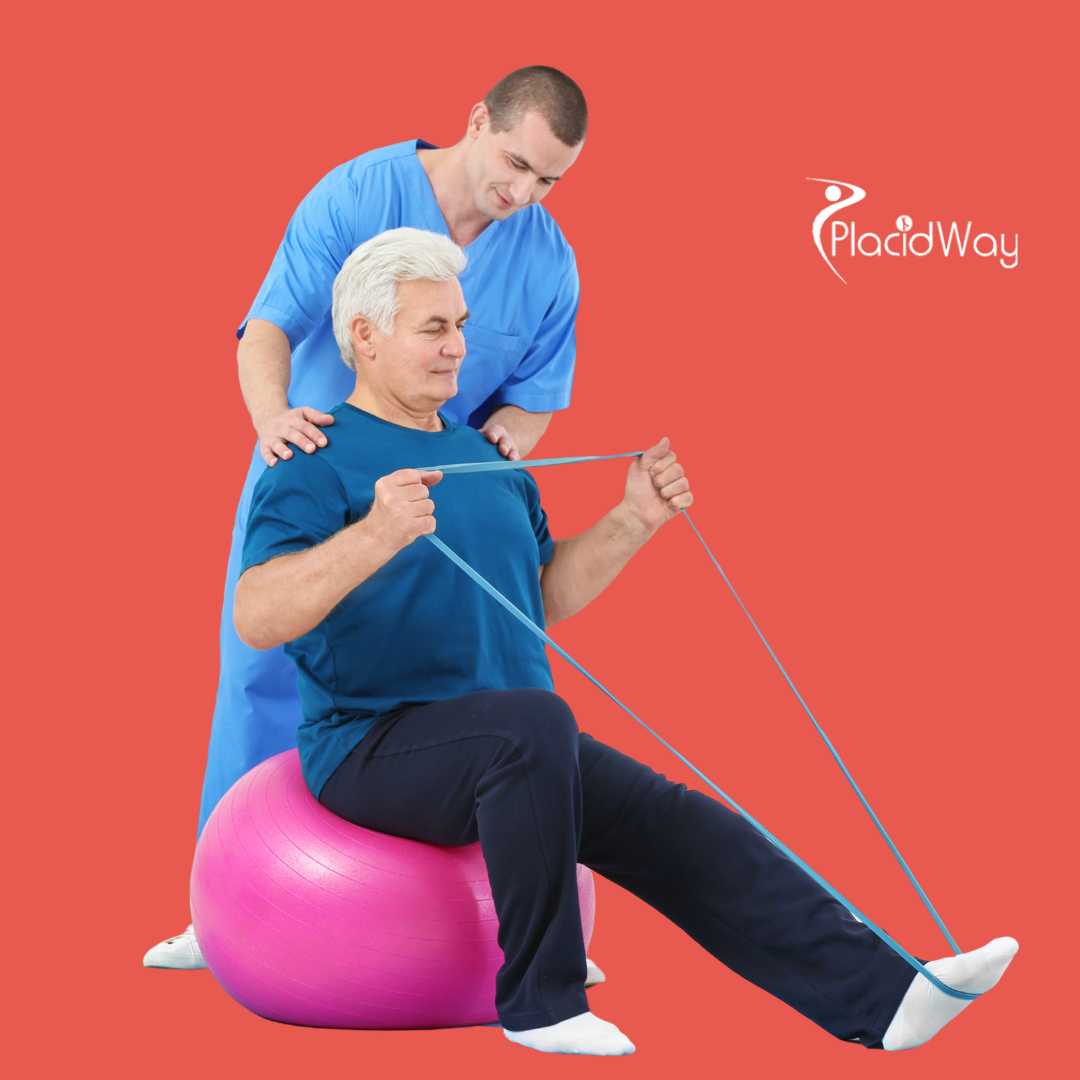
Stem cells are the building blocks, but movement is the architect. To ensure the new tendon tissue grows in strong and flexible, you need to move it correctly. Japanese clinics will often provide a rehab protocol for you to take home to your local physical therapist, ensuring continuity of care.
Can I combine this with a trip?
Since the treatment requires two visits, many patients turn it into a vacation. You can visit for the harvesting, spend a few weeks exploring Japan's incredible culture and food while your cells grow in the lab, and then return for the injection. It’s a way to heal your body and spirit simultaneously.
How do I start?
Navigating the Japanese medical system can be challenging due to language differences. The best approach is to use a specialized facilitator who works with international patients. They can ensure your medical records are translated correctly, book your appointments at accredited clinics, and even help with logistics like hotels and transport.
Ready to Heal Your Shoulder the Japanese Way?
If you want access to the world's most advanced, government-approved stem cell technology, we can connect you with top-tier clinics in Japan. Don't settle for living in pain.
Contact PlacidWay Medical Tourism today for a free consultation and customized treatment plan.
Get a Free Consultation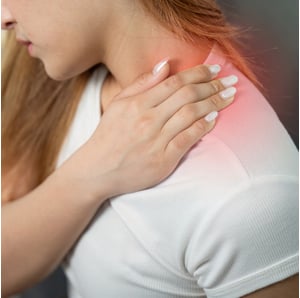



.png)









Share this listing