


Heart Disease Stem Cell Therapy in Japan: Improve Cardiac Function
.png)
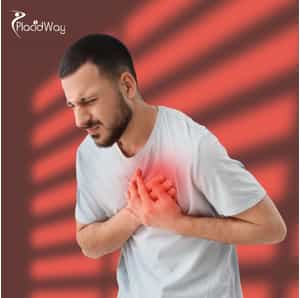
For patients suffering from chronic heart failure or ischemic cardiomyopathy, the prognosis can often feel limited: medication management, a pacemaker, or the daunting wait for a heart transplant. However, a quiet revolution is happening in Japan. As the birthplace of Induced Pluripotent Stem Cell (iPSC) technology (a discovery that won the Nobel Prize), Japan is arguably the most advanced nation in the world for regenerative heart therapies.
Unlike other countries that rely solely on general stem cells to reduce inflammation, Japanese researchers and clinics are actively working on ways to rebuild the heart muscle itself. If you are exploring international options for heart treatment, Japan offers unique, government-approved therapies that are unavailable elsewhere.
In this guide, we’ll explore how these advanced therapies work, the "HeartSheet" innovation, and what you can expect in terms of results and costs.
How effective is stem cell therapy for heart disease in Japan?
Effectiveness in heart therapy is measured by the "Ejection Fraction" (how much blood the heart pumps) and the patient's physical stamina. Japanese studies, particularly those from Osaka University and Keio University, have demonstrated that transplanting stem cell-derived cardiomyocytes (heart muscle cells) can electrically integrate with the patient's heart.
This means the new cells don't just sit there; they beat in sync with the heart. Patients who underwent these procedures often reported a meaningful improvement in Quality of Life (QoL)—they could walk further without breathlessness, experienced less fatigue, and had fewer hospital readmissions for heart failure.
What is the "HeartSheet" and iPSC technology?
Japan stands out because of its specific technologies:
- HeartSheet (Terumo): This was the world’s first regenerative medicine product for heart failure to receive approval. It involves taking muscle cells from a patient's thigh, growing them into a sheet, and placing them on the heart during surgery. It works by secreting massive amounts of growth factors that heal the damaged heart wall.
- iPSC Cardiomyocytes: This is the next frontier. Scientists take ordinary cells (like skin cells), reprogram them into stem cells (iPSCs), and then turn them into heart muscle cells. These can be injected into the heart to replace dead tissue after a heart attack.
What types of heart conditions can be treated?
These therapies are generally reserved for patients with significant heart damage who are not immediate candidates for a transplant but need more than just medication.
- Ischemic Heart Disease: The therapy aims to revascularize (grow new blood vessels) the dead zones of the heart.
- Dilated Cardiomyopathy: By strengthening the heart wall, the therapy helps prevent the heart from stretching further and failing.
Note: It is less effective for valvular heart disease (valve problems), which typically requires mechanical repair.
What is the cost of heart stem cell therapy in Japan?
Japan is a high-tech medical destination, and the pricing reflects the advanced nature of the care.
- Standard MSC Therapy (IV): $15,000 - $20,000. Used for general inflammation reduction and mild heart failure.
- Catheter-Based Delivery: $25,000 - $35,000. Cells are injected directly into the coronary arteries for better uptake.
- Surgical/Sheet Protocols: $35,000 - $45,000+. This involves a hospital stay and a more invasive procedure but offers the highest potential for structural repair.
Packages typically include the cell processing (which takes weeks), medical fees, and post-op monitoring.
Why is Japan a global leader in this field?
In the US (FDA), a therapy must prove it is 100% effective before it is approved, which takes 10-15 years. In Japan, the PMD Act allows therapies to be approved for use if they show safety and "probable efficacy." This pragmatic approach means patients have access to cutting-edge treatments 5-10 years ahead of the rest of the world. Additionally, the government heavily funds iPSC research, ensuring clinics have access to the highest quality cells.
Is the treatment safe and regulated?
You are not visiting a "wild west" clinic in Japan. Facilities must submit their cell processing protocols to the government for review. They are classified into Class I (high risk, like iPSCs), Class II (medium risk, like MSCs), and Class III. Most heart therapies fall under Class I or II, requiring university-level oversight. This ensures that the cells you receive are free from contamination and are genetically stable.
How do I choose the right clinic?
When researching, verify the clinic's license. Top clinics will be transparent about their Cell Processing Center (CPC). Since language can be a barrier, many international patients work with medical tourism facilitators who have established relationships with these top-tier Japanese hospitals. Ask specifically if they offer "catheter-based" or "IV" administration, as this significantly changes the potential outcome for heart disease.
Ready to Strengthen Your Heart?
Japan offers the most advanced, government-regulated stem cell options for heart failure in the world. Find out if you are a candidate.
Get a free consultation and treatment plan from MHLW-licensed clinics with PlacidWay Medical Tourism.

.png)
.png)
.png)
.png)



-(5).png)
.png)









Share this listing