
Save on OCI Dental Veneers in Liberia, Costa Rica | Costs

Liberia, located in the Guanacaste province, has become a frequent destination for international patients seeking dental care. When exploring options for enhancing your smile, you might wonder about the specifics of the procedure and the financial investment required. Understanding the process for getting OCI dental veneers in Liberia, Costa Rica involves looking closely at the materials, the treatment timeline, and the necessary physical preparations.
Dental veneers serve as a common cosmetic solution for addressing chipped, discolored, or slightly misaligned teeth. By gathering comprehensive information about the treatment process and associated costs, you can have a more informed discussion with your healthcare provider about whether traveling for dental care aligns with your personal medical needs.
Key Takeaways
- Costs are generally lower than those found in the United States and Canada, though total expenses must factor in travel and accommodation.
- Treatment typically requires a stay of 5 to 10 days to allow for laboratory fabrication.
- A thorough dental evaluation and treatment of any existing gum disease are required before placement.
- Proximity to the Guanacaste Airport (LIR) makes Liberia an accessible location for international patients.
- Local follow-up care with your home dentist remains essential after returning from your trip.
What are OCI dental veneers and how do they work?
Dental veneers are primarily utilized in cosmetic dentistry to alter the color, shape, size, or length of teeth. The term "OCI" can sometimes refer to specific optical clarity standards or specialized clinical protocols used by certain dental laboratories to achieve a natural-looking restoration. These thin shells are bonded directly to the prepared enamel, creating a new visible surface for the tooth.
Veneers are typically fabricated from either porcelain or composite resin. Porcelain is often preferred for its durability and its ability to resist stains while mimicking the light-reflecting properties of natural teeth. Composite veneers, on the other hand, require less enamel removal and are often completed in a single visit, though they may not last as long as their porcelain counterparts. The choice of material heavily depends on the structural condition of your teeth and the recommendations of a qualified dental professional.
The goal of placing veneers is to improve oral aesthetics while maintaining proper bite function. It is a highly customized process. Dental professionals take specific measurements and impressions of your mouth to ensure the final product fits comfortably and blends naturally with your surrounding teeth.
What factors influence the OCI dental veneers cost in Liberia, Costa Rica?
While the baseline price per tooth provides a starting point for budgeting, several variables can alter your final treatment estimate. Understanding these factors helps you plan more accurately for your medical travel expenses.
| Cost Factor | Description |
|---|---|
| Material Type | Porcelain and E-max veneers generally cost more than composite resin due to higher laboratory fees and material strength. |
| Number of Veneers | Treating a single tooth costs significantly less than a full smile makeover requiring 6 to 10 units. |
| Preliminary Treatments | Costs increase if you require deep cleaning, cavity fillings, or root canals prior to veneer placement. |
| Laboratory Fees | Clinics using specialized external labs for advanced shading and customization may charge higher rates. |
Additionally, you must calculate non-medical costs into your overall budget. Travel expenses, including flights to Guanacaste, accommodation for the duration of the 5 to 10-day process, and local transportation, will significantly impact the total financial commitment of seeking care abroad.
Am I a suitable candidate for this cosmetic dental procedure?
Not everyone is an ideal candidate for dental veneers. The foundational health of your mouth plays a critical role in determining whether this procedure is appropriate. Before any cosmetic work can begin, a dentist must verify that your teeth are free from active decay and that your gums are healthy. Periodontal disease or severe tooth decay are strong contraindications for veneers, as placing a restoration over an infected area can lead to severe complications.
Another major consideration is the amount of natural enamel present on your teeth. Because the preparation process often involves removing a thin layer of enamel to make room for the veneer, patients with already thin or heavily worn enamel may not have enough tooth structure to support the bonding process securely. In such cases, alternatives like dental crowns might be suggested.
Furthermore, individuals who suffer from bruxism—chronic teeth grinding or clenching—may be advised against getting veneers. The excessive force generated by grinding can cause porcelain or composite materials to crack, chip, or detach entirely. If a patient with mild bruxism is cleared for the procedure, the dentist will typically require the daily use of a protective night guard to safeguard the new restorations.
What is the typical process for getting veneers in Costa Rica?
When traveling for dental care, the process usually begins before you even leave home. Many clinics offer virtual consultations where you can share recent dental X-rays and photographs of your smile. This allows the dental team to provide a preliminary assessment and a tentative treatment plan, helping you understand the timeline and expected costs.
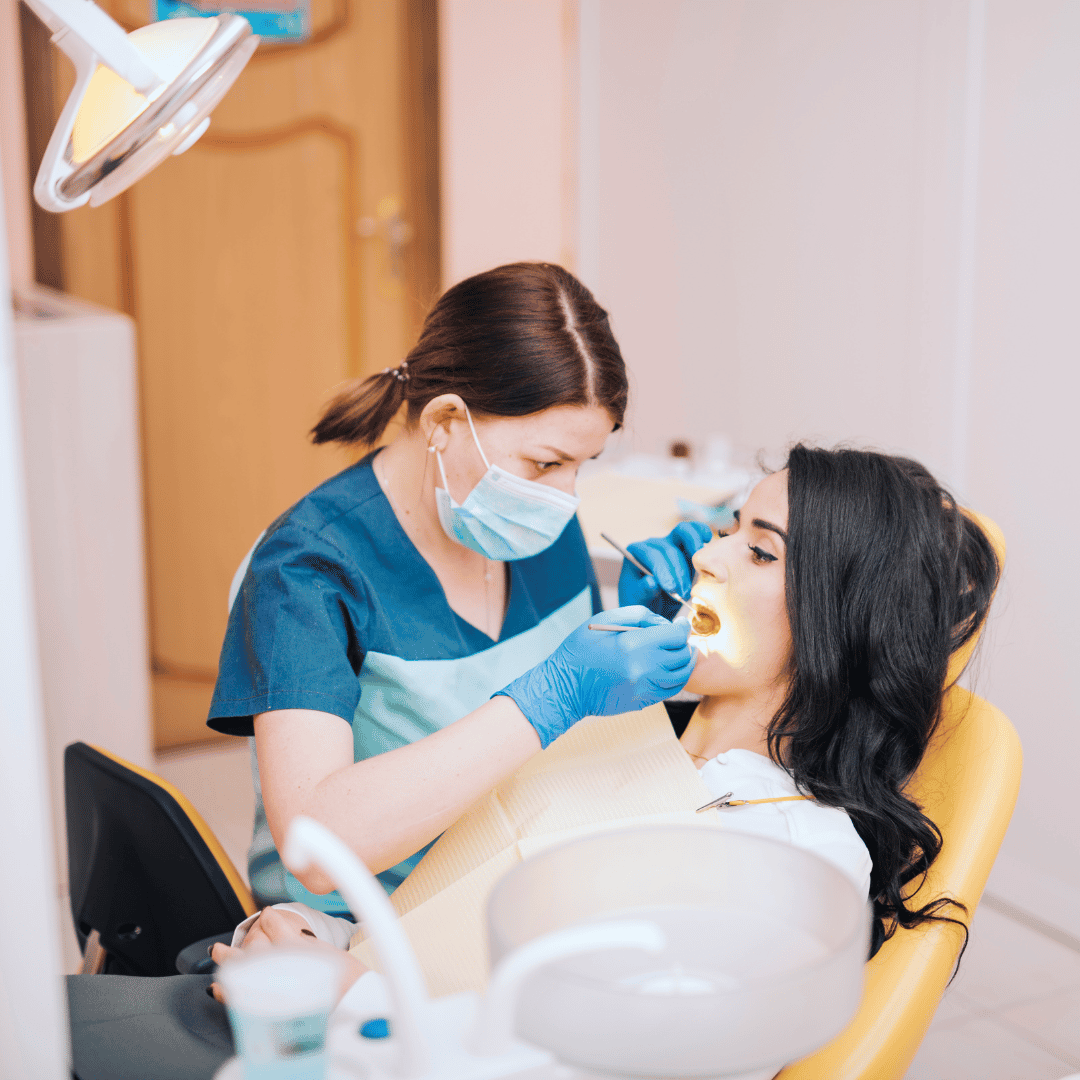
Once you arrive in Liberia, the first in-person appointment involves a comprehensive clinical examination. If you are cleared to proceed, the dentist will begin the preparation phase. This step involves reshaping the tooth surface by removing a small amount of enamel—typically less than a millimeter. Local anesthesia may be used to ensure your comfort during this process. After preparation, the dentist takes physical or digital impressions of your teeth, which are sent to a dental laboratory where your custom veneers are fabricated.
During the final appointment, the dentist will temporarily place the new veneers to check their fit, shape, and color. Adjustments can be made at this stage. Once both you and the dentist are satisfied, your natural teeth are thoroughly cleaned, polished, and etched to create a strong bonding surface. A special dental cement is applied, and a curing light is used to harden the adhesive quickly, permanently attaching the veneer to the tooth.
Are there risks or complications associated with dental veneers?
As with any medical or dental procedure, getting veneers involves inherent risks that patients must carefully weigh against the expected aesthetic benefits. The most significant consideration is that traditional veneer placement is an irreversible process. Because natural enamel is permanently removed, the treated tooth will always require a veneer or a crown to remain protected and functional.
A common side effect following the preparation and placement of veneers is increased tooth sensitivity, particularly to hot and cold temperatures. This sensitivity typically subsides within a few weeks, but for some patients, it can persist longer or require additional dental intervention. Furthermore, the gum tissue around the treated teeth may become inflamed or irritated as it adjusts to the new restorations.
There is also the physical risk to the veneer itself. While materials like porcelain are strong, they are not indestructible. Biting down on hard objects like ice, pens, or hard candies can cause the veneer to chip or crack. In rare instances, a veneer can dislodge or fall off entirely. If this happens, the veneer may need to be re-bonded or entirely replaced, which necessitates seeking further dental care.
How long will the results of my dental veneers last?
Dental veneers are a long-term cosmetic investment, but they are not considered permanent. Eventually, all veneers will require replacement due to normal wear and tear, changes in the surrounding gum line, or accidental damage. The lifespan of your restorations heavily depends on the specific material used and how well you maintain them.
Porcelain veneers generally offer the longest lifespan, often remaining functional and aesthetically pleasing for a decade or more in suitable patients. Composite resin veneers typically have a shorter lifespan, often requiring replacement or repair within 5 to 7 years because the material is more susceptible to staining and chipping over time.
Factors that can prematurely shorten the life of your veneers include poor oral hygiene, aggressive brushing, teeth grinding, or using your teeth as tools (such as tearing open packaging). Maintaining a consistent oral care routine and attending routine dental check-ups can help maximize the longevity of the treatment.
What kind of aftercare is required once I return home?
Your aftercare responsibilities begin immediately after the final bonding process. In the days following the procedure, it is advisable to stick to softer foods to allow your mouth to adjust and to minimize the risk of accidentally dislodging a newly placed veneer. You may experience some mild discomfort or altered speech initially, which typically resolves as you grow accustomed to the new shape of your teeth.
Long-term maintenance closely mirrors traditional oral hygiene practices. You should brush your teeth at least twice a day using a non-abrasive fluoride toothpaste, as highly abrasive pastes can scratch the surface of the restorations over time. Daily flossing remains essential to prevent plaque buildup and gum disease around the margins of the veneers.
Because you are traveling abroad for the initial placement, establishing a relationship with a local dentist in your home country is critical. You will need a qualified professional to perform routine cleanings and to address any future complications, such as a chipped veneer or receding gums, without having to travel back to Costa Rica.
How can I evaluate an OCI dental veneers clinic in Liberia, Costa Rica?
Finding a qualified OCI dental veneers clinic in Liberia, Costa Rica requires diligent research. Patient safety and the quality of the final outcome depend heavily on the expertise of the dental professional performing the work. You should begin by looking into the specific educational background and professional credentials of the dentist. Practitioners who specialize in prosthodontics or cosmetic dentistry often have the specific training required for complex smile makeovers.
It is also important to assess the facility itself. You can inquire about the infection control protocols they follow and whether they align with standards set by recognized health organizations. Many clinics that cater to international patients maintain high standards of sterilization and utilize modern diagnostic equipment, but verifying this information directly is a crucial step.
During a preliminary consultation, you should ask detailed questions about the laboratory they use to fabricate the veneers, the specific brands or materials available, and their protocol for handling complications if a problem arises after you have returned home. A responsible clinic will be transparent about the risks, costs, and limitations of the treatment.
Will my medical history affect my eligibility for treatment?
Complete honesty about your medical and dental history is a fundamental requirement for patient safety. Certain systemic health conditions can affect your body's ability to heal or increase the risk of complications during the dental procedure. For instance, autoimmune diseases, uncontrolled diabetes, or conditions that cause a severely dry mouth can compromise the health of the gums and the longevity of the veneers.
You must also disclose all medications, supplements, and vitamins you are currently taking. Some medications can interact poorly with local anesthetics, while blood thinners may cause excessive bleeding during the tooth preparation phase. Your dentist needs a complete picture of your health to adjust the treatment plan accordingly or, in some cases, to advise against the procedure entirely.
Past dental work also plays a major role. Teeth that have large fillings, have undergone root canal therapy, or have suffered structural trauma may not be suitable candidates for veneers. A dentist must thoroughly evaluate the structural integrity of each tooth to ensure it can safely support the cosmetic enhancement without risking future fractures or infections.
How does medical tourism in Costa Rica work for dental patients?
Participating in medical tourism in Costa Rica requires careful logistical planning. The process begins with selecting a provider and confirming your eligibility through remote consultations. Once a preliminary treatment plan is established, you will need to schedule your trip. Liberia is particularly convenient for North American travelers due to the presence of the Daniel Oduber Quirós International Airport (LIR), which offers direct flights from several major cities.
Because the veneer process requires multiple visits separated by a few days of laboratory work, patients must arrange for local accommodation for the duration of the treatment window. The Guanacaste region is known for its tourism infrastructure, allowing patients to recover in a calm environment. However, it is vital to remember that the primary purpose of the trip is medical care.
Patients should avoid strenuous activities immediately following dental appointments and carefully follow all dietary restrictions provided by their dentist. Prioritizing rest and oral health over extensive travel excursions helps ensure that the dental treatment proceeds smoothly and minimizes the risk of damaging temporary veneers.
Why Choose PlacidWay for Medical Tourism?
Researching cross-border healthcare can be a complex process. PlacidWay serves as an informational platform to assist patients exploring global medical options. When considering care abroad, utilizing PlacidWay provides several features:
- Global Network: Connects patients with internationally recognized healthcare facilities and dental clinics.
- Detailed Information: Provides access to comprehensive clinic profiles, including available treatments and technology.
- Educational Resources: Offers free articles, guides, and resources to help patients understand various medical procedures.
- Direct Communication: Facilitates initial contact and direct communication between the patient and the healthcare provider.
- Comparison Tools: Allows individuals to easily compare different clinics and international destinations based on factual data.
Frequently Asked Questions
Do I need a passport to travel to Liberia, Costa Rica for dental care?
Yes, international travelers require a valid passport to enter Costa Rica. Depending on your nationality, you may also need a visa, though many tourists from North America and Europe do not. Always check current entry requirements before booking your trip.
How many days should I plan to stay in Liberia for veneer placement?
Patients typically need to stay for 5 to 10 days. This timeframe allows for the initial consultation, tooth preparation, laboratory fabrication of the custom veneers, the final bonding procedure, and a follow-up appointment.
Can I get veneers if I currently have gum disease?
Active gum disease must be treated and resolved before any cosmetic dental work begins. Placing veneers on teeth with compromised periodontal health can lead to infection, veneer failure, and further tooth loss.
Will my domestic dental insurance cover veneers in Costa Rica?
Dental veneers are generally considered a cosmetic procedure and are rarely covered by standard dental insurance, even domestically. You should contact your insurance provider directly, but anticipate paying out-of-pocket for this treatment.
Is it safe to fly immediately after getting dental veneers?
Flying after receiving dental veneers is generally safe, as the procedure does not typically involve major surgery or trapped air pockets. However, patients may experience mild sensitivity to temperature changes or cabin pressure during the flight.
What happens if a veneer chips after I return to my home country?
If a complication occurs after you return home, you will need to consult a local dentist for repair or replacement. It is highly recommended to establish a relationship with a local dentist who can provide long-term maintenance and handle any unexpected issues.
Do dental professionals in Liberia typically speak English?
Many dental professionals who frequently treat international patients in Liberia and throughout Costa Rica speak English fluently. You can verify the communication options available at a specific clinic during your initial virtual consultation.
Are temporary veneers necessary during the Costa Rica trip?
If your natural teeth require preparation (enamel removal), temporary veneers are usually placed to protect the teeth and reduce sensitivity while the permanent veneers are being fabricated in the dental laboratory.
How many veneers do I typically need for a full smile makeover?
The number of veneers needed varies by individual smile width and aesthetic goals. Most patients opt for 6 to 8 veneers across the upper front teeth, though some may require more to achieve their desired outcome.
Can dental veneers be whitened if they stain over time?
Traditional teeth whitening treatments do not work on veneer materials like porcelain or composite resin. If veneers become severely stained or discolored over the years, they typically need to be replaced.
Compare Treatment Options
Gather detailed information about dental procedures, estimate potential costs, and review provider credentials to make an informed healthcare decision.
Request Treatment InformationReferences
- Veneers – American Dental Association (ADA)
- Infection Prevention & Control in Dental Settings – Centers for Disease Control and Prevention (CDC)
- Oral Health Basics – Mayo Clinic
- Oral Health Fact Sheet – World Health Organization (WHO)
- What are Veneers? – American College of Prosthodontists (ACP)
- Longevity of Dental Restorations – Journal of the American Dental Association (JADA)
- Dental Restorative Materials – U.S. Food and Drug Administration (FDA)





















Share this listing