
Affordable Full Mouth Dental Implants in Rajkot, India

For patients experiencing severe tooth loss or facing the prospect of full dentures, finding a stable, long-term solution can drastically improve daily life. Full mouth dental implants in Rajkot, India have become a viable option for many people seeking complex oral rehabilitation. This guide explores the procedural steps, estimated costs, safety considerations, and what you should know before planning a dental journey abroad.
Key Takeaways
- Full mouth implants use 4 to 8 titanium posts per jaw to support a fixed bridge of artificial teeth.
- Costs in Rajkot vary based on preparatory treatments like bone grafting or tooth extractions.
- The process often requires two trips spaced several months apart to allow for proper bone healing.
- Traveling for dental care requires careful planning regarding visas, travel health insurance, and local aftercare.
- Suitability for implants depends heavily on your jawbone density, immune system, and overall oral health.
What are full mouth dental implants and how do they work?
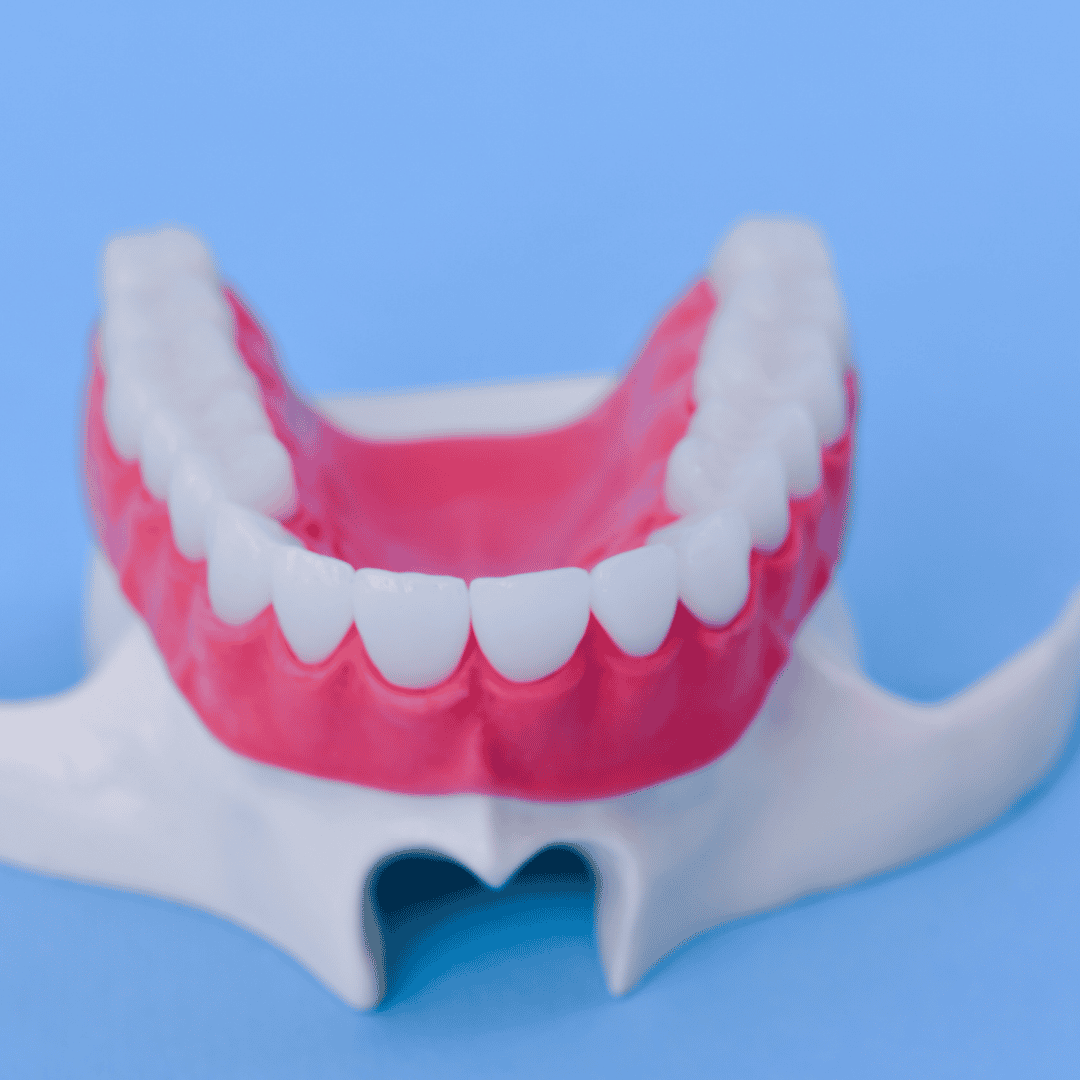
Unlike replacing a single tooth where one implant supports one crown, full arch restoration uses a strategic approach. An oral surgeon places four, six, or sometimes eight implants into areas of the jaw where bone density is naturally the highest. Once these implants fuse with the bone—a process called osseointegration—they provide a highly stable foundation.
A custom-made prosthetic arch is then firmly attached to these implants. This bridge of teeth does not rest on the gums like traditional dentures, which can help prevent the sore spots and slipping often associated with removable options. Patients often report improved ability to chew, speak, and smile comfortably.
What factors influence the full mouth dental implants cost in Rajkot, India?
Because every patient's oral anatomy is different, clinics cannot provide a singular flat fee for everyone. When consulting with a full mouth dental implants clinic in Rajkot, India, the estimated quote will account for several variables:
- Preparatory Procedures: If you have active gum disease, remaining failing teeth, or severe bone loss, you may require extractions, sinus lifts, or bone grafting before implants can be safely placed.
- Implant Brands: Premium, internationally recognized implant brands tend to cost more than regional alternatives, but they often have decades of clinical research supporting their longevity.
- Number of Implants: Restoring a jaw with an All-on-6 protocol requires more hardware and surgical time than an All-on-4 protocol.
- Prosthesis Material: The final teeth can be fabricated from basic acrylic or highly durable, natural-looking materials like monolithic zirconia, which significantly impacts the price.
Are there different types of full mouth implant solutions available?
The All-on-4 technique uses four strategically placed implants per jaw. Often, the two posterior (back) implants are tilted at an angle. This angulation helps maximize contact with existing bone, sometimes allowing patients with moderate bone loss to bypass the need for bone grafting.
The All-on-6 technique utilizes six implants, placing them straighter into the jaw. This approach provides a wider distribution of biting force. However, it requires a greater volume of healthy jawbone to support the additional posts. Your dentist will evaluate your 3D imaging to determine which configuration is most appropriate for your specific anatomy and bite mechanics.
Am I a suitable candidate for this dental procedure?
Determining eligibility is a strict medical process. Implants require healthy bone to integrate successfully. If you have been missing teeth for many years, the jawbone naturally shrinks. While bone grafting can often rebuild this foundation, severe deterioration may complicate the procedure.
Systemic health issues also play a significant role. Conditions like uncontrolled diabetes, autoimmune disorders, or a history of radiation therapy to the head and neck can impair healing and increase the risk of implant failure. Additionally, smoking heavily restricts blood flow in the mouth, which severely compromises the integration process. Patients are usually advised to quit smoking well in advance of the surgery.
How does the implant process typically unfold for international patients?
- Phase 1 (Assessment): You send your dental records and recent panoramic or CBCT X-rays to the clinic for a preliminary evaluation and treatment plan.
- Phase 2 (Surgery Trip): You travel to Rajkot. The dentist performs any necessary extractions and places the implants. In many cases, a temporary set of teeth is attached so you don't leave without a smile. This trip usually lasts 7 to 10 days.
- Phase 3 (Healing): You return home for 3 to 6 months. During this time, the bone grows around the titanium posts, securing them in place.
- Phase 4 (Final Restoration): You return to India for 10 to 14 days. The temporary teeth are removed, impressions are taken, and your final, durable prosthetic bridge is fabricated and permanently attached.
What are the potential risks and complications of dental implants?
While implants have a generally high success rate in suitable candidates, complications can occur. Surgical risks include excessive bleeding, infection at the implant site, or accidental damage to adjacent teeth or blood vessels. If implants are placed in the upper jaw, there is a possibility they could protrude into the sinus cavities, leading to sinus issues.
Nerve damage, though uncommon, can cause pain, numbness, or tingling in your natural teeth, gums, lips, or chin. Long-term risks include a condition known as peri-implantitis, an inflammatory disease affecting the gum and bone around the implant, which can lead to bone loss and eventual implant failure if not treated promptly.
How long is the typical recovery period after getting implants?
Immediately following the surgery, you can expect some swelling, bruising, and minor bleeding around the surgical sites. Dentists typically prescribe pain medication and antibiotics to manage discomfort and prevent infection. During the first few weeks, you will need to adhere strictly to a soft-food diet to avoid placing undue pressure on the healing implants.
Even after your gums feel completely healed, the implants are still stabilizing beneath the surface. Biting into hard or crunchy foods too early can disrupt this fragile process. Your dentist will provide a timeline for gradually reintroducing solid foods as you transition from your temporary prosthesis to the final one.
Why are international patients choosing medical tourism in India for dental care?
The cost of living and operational overheads for clinics in cities like Rajkot are considerably lower than in North America, Europe, or Australia. This economic difference allows clinics to offer complex procedures at a lower price point, even when using identical imported dental materials.
Additionally, India has a robust private healthcare sector. Many dental professionals treating international patients have pursued training or attended continuing education programs globally. English is widely spoken in medical settings, which helps facilitate clear communication regarding treatment plans, risks, and post-operative care.
How do I prepare for a dental implant trip to Rajkot?
- Medical Clearance: Have a general health check-up at home to ensure your blood sugar, blood pressure, and overall health are stable enough for oral surgery.
- Travel Documents: Check the latest visa requirements for medical travel to India and ensure your passport is valid for at least six months beyond your planned stay.
- Travel Health Insurance: Standard travel insurance rarely covers elective dental surgery or potential complications. Look for policies specifically designed for medical tourism.
- Communication: Establish a clear timeline with the clinic in Rajkot, confirming what happens if there are delays in healing or if adjustments to the prosthesis are needed.
What kind of aftercare is required once I return home?
Getting full mouth implants is not a "set it and forget it" procedure. While the implants themselves cannot get cavities, the surrounding gum tissue remains vulnerable to infection. Plaque can accumulate around the base of the prosthesis just as it does on natural teeth.
You must establish a relationship with a dentist in your home country who is willing to take over your routine maintenance. This includes deep cleaning beneath the prosthetic arch and periodic X-rays to monitor bone levels. If you notice swelling, pain, or looseness in the bridge after returning home, it is imperative to seek prompt evaluation from a local oral healthcare professional.
Why Choose PlacidWay for Medical Tourism?
Navigating healthcare options in another country requires access to organized, factual information. PlacidWay is a medical tourism platform designed to help patients explore global healthcare possibilities.
- Provides a comprehensive directory of international healthcare facilities and dental clinics.
- Offers educational resources detailing various dental procedures and expected timelines.
- Features price estimation tools to help patients compare potential costs across different countries.
- Allows users to read clinic profiles, view facility images, and check provider credentials.
- Acts as a bridge to directly connect patients with international medical teams for initial consultations.
Frequently Asked Questions (FAQs)
Is it painful to get full mouth implants?
The surgical placement of implants is usually performed under local anesthesia, conscious sedation, or general anesthesia, meaning you should not feel pain during the procedure. Post-operative discomfort, swelling, and mild pain are common during the first few days but can typically be managed with prescribed pain relievers.
How long do full mouth dental implants last?
The titanium implant posts placed into the jawbone are designed to be a long-term solution and can last for decades if properly cared for. However, the prosthetic teeth (the crowns or bridges attached to the implants) experience daily wear and tear and may need repair or replacement after 10 to 15 years.
Will I need bone grafting before getting implants in Rajkot?
Whether you need a bone graft depends entirely on your jawbone density, which is assessed using a 3D CBCT scan. If tooth loss occurred long ago, the bone may have resorbed, making grafting necessary to provide a stable foundation for the implants.
How long do I need to stay in Rajkot for the complete treatment?
For traditional implant protocols, patients often make two trips. The first trip for surgery usually requires a stay of 7 to 10 days. After a healing period of 3 to 6 months back home, a second trip of about 10 to 14 days is needed to attach the final permanent prosthetics.
Can I travel immediately after dental implant surgery?
Dentists usually recommend waiting a few days before flying. Changes in cabin pressure can sometimes exacerbate sinus discomfort or swelling, particularly if your surgery involved the upper jaw or a sinus lift. Always get clearance from your treating dentist before booking your return flight.
What materials are commonly used for the final prosthesis?
The visible replacement teeth are typically crafted from materials like acrylic, porcelain, or zirconia. Zirconia is highly favored for full mouth restorations because it offers excellent durability and mimics the light-reflecting properties of natural teeth.
How do I maintain my dental implants daily?
Implants require diligent oral hygiene, similar to natural teeth. You should brush twice daily, use non-abrasive toothpaste, floss using special implant floss or water flossers, and attend regular professional cleanings to prevent gum disease around the implants.
Will the implants look and feel like natural teeth?
While no artificial replacement is exactly like a natural tooth, modern full mouth implants are designed to function and look very similar to a natural smile. They restore bite force and prevent the slipping often associated with traditional removable dentures.
What happens if an implant fails after I leave India?
Implant failure is rare but can happen due to infection, poor bone integration, or excess stress. If an issue arises after you return home, you will need to seek evaluation from a local dentist or oral surgeon. It is crucial to have a plan for local follow-up care.
Are the dental materials used in India internationally recognized?
Many clinics in Rajkot that cater to international patients use globally recognized implant brands (such as Nobel Biocare, Straumann, or Osstem). You should always ask the clinic to confirm the specific brand and materials they plan to use for your treatment.
Explore Your Dental Treatment Options
Gather more information about facilities, compare estimated costs, and request details for dental care abroad.
Request Treatment InformationReferences
- American Dental Association (ADA) – Dental Implants Overview
- Mayo Clinic – Dental Implant Surgery Risks and Process
- National Institute of Dental and Craniofacial Research (NIDCR) – Tooth Loss Solutions
- Centers for Disease Control and Prevention (CDC) – Travelers' Health India
- International Congress of Oral Implantologists (ICOI) – Patient Education
- National Center for Biotechnology Information – Complications of Dental Implants























Share this listing