
Stem Cell Therapy for Musculoskeletal Pain in Mexico: Effectiveness & Costs
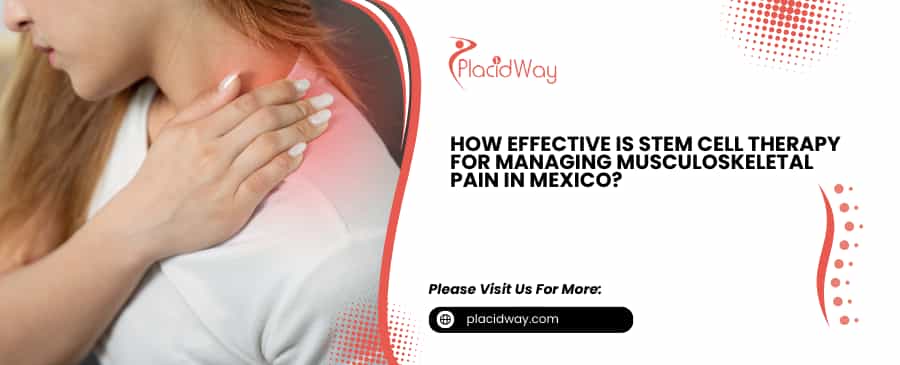
Living with musculoskeletal pain can be incredibly challenging, impacting every aspect of your daily life. Whether it's persistent knee pain, nagging back discomfort, or joint stiffness from arthritis, finding effective, long-lasting relief is often a top priority. In recent years, stem cell therapy has emerged as a compelling option, and many individuals are now exploring its potential, particularly in places like Mexico.
So, how effective is stem cell therapy for managing musculoskeletal pain in Mexico? Generally, it's viewed as a promising regenerative treatment that aims to repair damaged tissues and reduce inflammation, often leading to significant pain reduction and improved mobility for many patients. Mexico has become a notable destination for those seeking these advanced treatments, offering accessibility and specialized clinics. This detailed guide will explore various aspects of stem cell therapy in Mexico, addressing common questions and helping you understand if it might be a viable option for your pain management journey.
How Effective is Stem Cell Therapy for Musculoskeletal Pain in Mexico?
Stem cell therapy is gaining recognition for its potential to manage various types of musculoskeletal pain. In Mexico, clinics often utilize mesenchymal stem cells (MSCs) which have regenerative and anti-inflammatory properties. These cells are believed to aid in repairing damaged tissues, reducing inflammation, and modulating the immune response, thereby alleviating pain and improving joint function.
While individual results can vary, many patients report significant improvements in pain levels and mobility following stem cell treatments for conditions such as osteoarthritis, tendonitis, ligament tears, and degenerative disc disease. The effectiveness is often attributed to the cells' ability to differentiate into various cell types, stimulate local healing, and secrete growth factors that promote tissue regeneration.
What Types of Musculoskeletal Conditions Does Stem Cell Therapy Address?
Stem cell therapy holds promise for a wide array of musculoskeletal issues. It's particularly explored for degenerative conditions and injuries where the body's natural healing mechanisms may be insufficient. The regenerative capabilities of stem cells are leveraged to target the underlying causes of pain and dysfunction rather than just masking symptoms.
Common conditions often treated with stem cell therapy include:
- Osteoarthritis: Degenerative joint disease affecting knees, hips, shoulders, and spine.
- Tendonitis and Ligament Injuries: Such as Achilles tendonitis, rotator cuff tears, tennis elbow, and various sprains.
- Rheumatoid Arthritis: An autoimmune inflammatory condition.
- Degenerative Disc Disease: Causing chronic back and neck pain.
- Cartilage Damage: In joints that lead to pain and limited mobility.
- Chronic Joint Pain: From various causes not responsive to conventional treatments.
Why Consider Mexico for Musculoskeletal Stem Cell Therapy?
Mexico has emerged as a leading destination for medical tourism, particularly for advanced treatments like stem cell therapy. Several factors contribute to its popularity among international patients seeking solutions for musculoskeletal pain. The combination of high-quality care, innovative treatments, and a more accessible approach makes it an attractive option for many.
Key reasons to consider Mexico for stem cell therapy include:
- Cost-Effectiveness: Treatments in Mexico are often significantly more affordable than in countries like the United States, without compromising on quality.
- Accessibility: Geographically convenient for North American patients, with many clinics located near major airports and border cities.
- Advanced Facilities: Many clinics in Mexico are equipped with modern technology and adhere to international standards of care, providing a comfortable and safe environment.
- Experienced Professionals: A growing number of Mexican physicians specialize in regenerative medicine, including stem cell therapies, bringing expertise and experience to patient care.
What is the Cost of Stem Cell Therapy for Musculoskeletal Pain in Mexico?
The cost of stem cell therapy in Mexico can vary considerably, making it important for patients to understand the factors that influence pricing. These costs are generally more manageable than in many other countries, which is a primary driver for medical tourism.
Factors affecting the total cost include:
- Type of Stem Cells: Whether autologous (from the patient's own body, e.g., bone marrow, adipose tissue) or allogeneic (from screened donors, e.g., umbilical cord tissue).
- Number of Injections: Some conditions may require multiple injection sites or sessions.
- Severity of Condition: More complex or widespread pain may necessitate a more involved treatment plan.
- Clinic Reputation and Location: Established clinics in popular medical tourism cities might have different pricing structures.
- Included Services: Some packages may include consultations, diagnostic imaging, follow-up care, and accommodation.
Patients should always request a detailed quote from clinics and inquire about what is included in the stated price to avoid unexpected expenses.
Is Stem Cell Therapy Legally Regulated in Mexico?
The regulatory landscape for stem cell therapy in Mexico is distinct from other countries. Mexico has a framework that permits the use of certain stem cell treatments, particularly for therapeutic purposes. This allows clinics to offer advanced regenerative therapies that might still be undergoing extensive clinical trials or face stricter regulations elsewhere.
However, it is crucial for prospective patients to research clinics thoroughly. Look for facilities that operate under strict ethical guidelines, employ licensed medical professionals, and adhere to recognized quality and safety standards. While the regulatory environment is supportive of innovation, due diligence on the patient's part is essential to ensure a safe and effective treatment experience.
What Does the Stem Cell Therapy Procedure Involve?
The stem cell therapy procedure generally follows a structured approach, though specific steps can vary based on the type of stem cells used (autologous or allogeneic) and the patient's condition. The process is designed to be minimally invasive and focuses on delivering the therapeutic cells directly to the site of injury or degeneration.
A typical procedure involves several key stages:
- Consultation and Diagnosis: Initial assessment by a specialist, including review of medical history, physical examination, and imaging (X-rays, MRI) to confirm the diagnosis and suitability for treatment.
- Cell Harvesting (for Autologous Therapy): If using the patient's own cells, a small sample of bone marrow (usually from the hip) or adipose (fat) tissue is collected. This is a minor surgical procedure performed under local anesthesia.
- Cell Processing: The harvested sample is then processed in a specialized laboratory to concentrate and isolate the stem cells. For allogeneic therapy, pre-processed cells from screened donors are prepared.
- Injection: The concentrated stem cells are carefully injected into the target area, such as a joint, tendon, ligament, or spinal disc. Imaging guidance (ultrasound or fluoroscopy) is often used to ensure precise placement.
- Post-Procedure Care: Patients usually experience minimal downtime and can typically resume light activities soon after. Post-treatment instructions, including rest and rehabilitation exercises, are provided to optimize results.
What are the Potential Risks and Side Effects of Stem Cell Therapy?
Like any medical procedure, stem cell therapy carries potential risks and side effects, though they are generally considered to be low, particularly with autologous treatments. Most reported side effects are mild and temporary.
Commonly observed side effects include:
- Pain or Soreness: At the injection site or the site where cells were harvested (e.g., bone marrow aspiration).
- Swelling and Bruising: Around the treatment area, typically resolving within a few days.
- Infection: A rare risk, minimized by strict sterile techniques used in reputable clinics.
- Allergic Reaction: Extremely rare, especially with autologous cells. For allogeneic cells, screening protocols minimize this risk.
Serious complications such as nerve damage or adverse immune reactions are exceedingly rare when the procedure is performed by experienced medical professionals in a sterile environment.
How Soon Can Patients Expect Results from Stem Cell Therapy?
The timeline for experiencing results from stem cell therapy can vary significantly among individuals, depending on factors such as the specific condition being treated, its severity, the patient's overall health, and the type of stem cells used. It's important to have realistic expectations, as stem cell therapy is a regenerative process that takes time.
While some patients might notice subtle improvements within a few weeks, more substantial and lasting relief typically develops over several months. This is because stem cells work by gradually repairing and regenerating damaged tissues, reducing inflammation, and promoting a healing environment. The full benefits often become apparent between three to six months post-treatment, and sometimes even longer, as the body continues its regenerative processes.
What Should You Look for in a Stem Cell Clinic in Mexico?
Choosing a reputable clinic is paramount for a safe and effective stem cell therapy experience in Mexico. With the growing number of facilities, knowing what to look for can help you make an informed decision and ensure you receive high-quality care.
Key considerations when selecting a clinic include:
- Physician Credentials: Ensure the doctors are board-certified, experienced in regenerative medicine, and specifically trained in stem cell procedures.
- Facility Accreditation: Look for clinics that meet international standards or are accredited by recognized medical bodies, indicating a commitment to quality and safety.
- Transparency in Procedures: The clinic should clearly explain the type of stem cells used (autologous vs. allogeneic), their source, processing methods, and the exact procedure details.
- Patient Testimonials and Reviews: Seek out genuine reviews and success stories, but also understand that individual results can vary.
- Clear Communication: The clinic should provide comprehensive information, answer all your questions, and discuss realistic expectations for your specific condition.
- Follow-up Care: Inquire about post-treatment support and any recommended rehabilitation.
Can Stem Cell Therapy Completely Cure Musculoskeletal Pain?
It's important to approach stem cell therapy with realistic expectations. While it offers significant potential for pain reduction and improved function, it is generally not promoted as a guaranteed "cure" for musculoskeletal pain or degenerative conditions. Instead, it is best understood as a powerful regenerative treatment that assists the body's natural healing processes.
The goal of stem cell therapy is to promote tissue repair, reduce inflammation, and alleviate symptoms, thereby enhancing the quality of life for patients. Many individuals experience substantial long-term relief and improved mobility, often postponing or avoiding more invasive surgical interventions. However, the extent of improvement varies greatly depending on the individual's condition, age, overall health, and adherence to post-treatment care. While some might achieve near-complete resolution of symptoms, others may experience significant reduction in pain and improved functionality, requiring ongoing management.
Ready to explore options for managing your musculoskeletal pain through advanced regenerative therapies? Visit PlacidWay to learn more about a wide range of medical tourism solutions, including stem cell therapy in Mexico, and connect with reputable clinics that can help you on your journey to better health.




.png)
.png)
.png)
.png)






.jpg)










Share this listing