


Stem Cell Therapy for Chronic Pain in Colombia: Effectiveness & Reviews
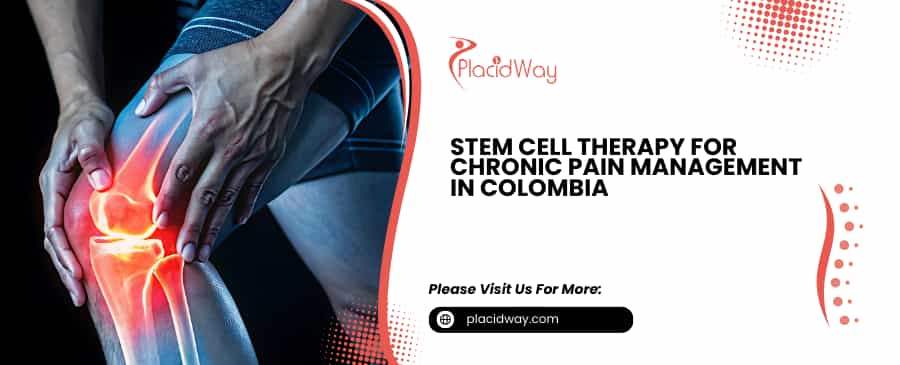
Welcome! If you're exploring options for persistent pain that just won't quit, you've likely come across stem cell therapy as a potential solution. It's a topic generating a lot of buzz, especially in places like Colombia, which has become a notable destination for regenerative medicine. Chronic pain can be incredibly debilitating, impacting every aspect of your life, and the search for effective, long-lasting relief often leads people to consider innovative treatments beyond traditional medications and surgeries.
Here, we'll dive deep into how effective stem cell therapy is for managing chronic pain in Colombia, covering everything from the science behind it to the practicalities of seeking treatment there. Our goal is to provide clear, helpful information to help you understand this evolving field and whether it might be a viable path for your pain management journey. We'll answer your most pressing questions with straightforward facts, backed by detailed explanations, to give you a comprehensive overview.
What is Stem Cell Therapy for Chronic Pain?
Stem cell therapy is a form of regenerative medicine that harnesses the body's natural healing capabilities. Stem cells are unique cells that have the ability to differentiate into various cell types and to self-renew. When used for chronic pain, these cells are typically injected directly into the injured or degenerated area, such as a painful joint, spinal disc, or muscle.
The primary mechanisms through which stem cells are believed to alleviate chronic pain include reducing inflammation, promoting the repair and regeneration of damaged tissues (like cartilage, bone, ligaments, and tendons), and modulating the immune system's response. By addressing the root cause of the pain—tissue damage or inflammation—rather than just masking symptoms, stem cell therapy aims to provide more lasting relief and improve overall function. This approach differs significantly from traditional pain management strategies that often rely on anti-inflammatory drugs, corticosteroids, or invasive surgeries.
How Effective is Stem Cell Therapy for Conditions like Osteoarthritis?
For conditions like osteoarthritis, where cartilage degenerates, stem cell therapy has shown encouraging results. Clinical studies and patient experiences suggest that stem cells can help repair damaged cartilage, reduce synovial inflammation, and improve the overall joint environment. This leads to a decrease in pain and an increase in mobility and function.
The effectiveness often depends on the severity of the osteoarthritis, the specific joint affected, and the type and quantity of stem cells used. Many patients suffering from knee, hip, shoulder, and spinal osteoarthritis have reported positive outcomes, experiencing a better quality of life and delaying or avoiding the need for surgical interventions like joint replacements. The regenerative properties of stem cells can slow down the degenerative process and promote sustained improvement over time.
What Types of Chronic Pain Can Stem Cell Therapy Address in Colombia?
Colombia's regenerative medicine clinics often treat a broad spectrum of chronic pain conditions. These commonly include:
- Osteoarthritis: Affecting knees, hips, shoulders, and spine.
- Back and Neck Pain: Often related to degenerative disc disease, facet joint arthritis, or spinal stenosis.
- Tendon and Ligament Injuries: Such as rotator cuff tears, Achilles tendinopathy, tennis elbow, and plantar fasciitis.
- Neuropathic Pain: While more complex, some clinics explore its use for certain nerve-related pain conditions.
- Rheumatoid Arthritis: To help modulate inflammation and reduce joint damage.
The application varies depending on the specific clinic's expertise and the patient's individual diagnosis. A thorough medical evaluation is crucial to determine if stem cell therapy is an appropriate treatment for a particular pain condition.
What is the Safety and Regulatory Landscape for Stem Cell Therapy in Colombia?
Colombia has emerged as a hub for medical tourism, partly due to its evolving regulatory framework for regenerative medicine. The national regulatory agency, INVIMA (Instituto Nacional de Vigilancia de Medicamentos y Alimentos), plays a role in overseeing biological products and medical devices, including those used in stem cell therapies. Many reputable clinics in Colombia focus on autologous stem cell treatments, meaning they use cells derived from the patient's own body, which generally carries a lower risk of immune rejection.
While the regulatory landscape continues to evolve globally, clinics in Colombia often follow international standards of practice, ensuring that procedures are performed in sterile environments by qualified medical professionals. Patients considering treatment should always inquire about the clinic's specific accreditations, the source and processing of stem cells, and the qualifications of the treating physicians to ensure they are receiving care from a credible and compliant facility.
What is the Cost of Stem Cell Therapy for Chronic Pain in Colombia?
One of the reasons many individuals consider Colombia for stem cell therapy is the often more affordable pricing compared to countries like the United States or Canada, without necessarily compromising on quality. The cost can vary significantly based on several factors:
- Type of Stem Cells: Autologous (patient's own) cells, such as those from bone marrow or adipose tissue, often have different processing costs.
- Condition Being Treated: Complex or multiple treatment areas may incur higher costs.
- Number of Injections: Some conditions may require multiple rounds of treatment or injections into several sites.
- Clinic and Doctor's Expertise: Highly specialized clinics with extensive experience may have different pricing structures.
Patients should request a detailed quote that includes all associated costs, such as initial consultation, cell harvesting, processing, injection, and follow-up appointments. Comparing prices from several reputable clinics can help in making an informed decision, keeping in mind that the cheapest option isn't always the best when it comes to medical procedures.
What is the Typical Stem Cell Therapy Treatment Process in Colombia?
The journey for stem cell therapy in Colombia usually follows a structured process:
- Initial Consultation and Evaluation: This involves a thorough review of medical history, physical examination, and diagnostic imaging (X-rays, MRI) to determine suitability for therapy.
- Stem Cell Harvesting: If deemed a candidate, cells are harvested. Common sources include:
- Adipose (Fat) Tissue: A mini-liposuction procedure, typically from the abdomen or flank, under local anesthesia.
- Bone Marrow: Aspiration, usually from the hip bone (iliac crest), also under local anesthesia.
- Cell Processing: The harvested tissue is then processed in a specialized laboratory to concentrate the stem cells, preparing them for injection.
- Injection: The concentrated stem cells are precisely injected into the target area using imaging guidance (ultrasound or fluoroscopy) to ensure accurate placement.
- Post-Treatment Care: Patients receive instructions for post-procedure care, which may include rest, gentle movement, and avoidance of strenuous activities for a period.
The entire procedure, from harvesting to injection, can often be completed in one or two days, allowing for a relatively quick return to regular activities, though full recovery and therapeutic effects take longer.
What are the Expected Recovery Time and Results After Stem Cell Therapy?
The immediate recovery period after a stem cell injection is generally short. Patients might experience some mild soreness, swelling, or bruising at the injection and harvesting sites, which typically resolves within a few days. Most individuals can resume light daily activities within a day or two, though strenuous exercise or heavy lifting is usually discouraged for a few weeks to allow the cells to establish and begin their work.
As for results, stem cell therapy is not an instant cure. The regenerative process takes time. Patients often begin to notice improvements in pain and function anywhere from 4 to 12 weeks after the procedure. These benefits can continue to progress over several months as the tissues heal and regenerate. The extent and duration of results vary greatly among individuals, influenced by the specific condition treated, the patient's overall health, and adherence to post-treatment care instructions. Many patients report sustained relief lasting for a year or more, and some may opt for repeat treatments if needed.
Why is Colombia a Popular Destination for Stem Cell Therapy Medical Tourism?
Colombia has solidified its reputation as a leading destination for medical tourism, and regenerative medicine is a significant part of this appeal. Several factors contribute to its popularity for stem cell therapy:
- Advanced Medical Infrastructure: Colombian cities like Bogotá, Medellín, and Cali boast modern hospitals and clinics equipped with state-of-the-art technology, often comparable to those in developed Western countries.
- Skilled Medical Professionals: Many Colombian doctors and specialists are internationally trained, board-certified, and have extensive experience in regenerative therapies.
- Cost-Effectiveness: As mentioned, the cost of procedures in Colombia is often considerably lower than in North America or Europe, making advanced treatments more accessible.
- Geographic Accessibility: Its location makes it relatively easy to reach for patients from North and South America.
- Medical Tourism Support: Many clinics offer comprehensive services for international patients, including assistance with travel, accommodation, and translation, making the experience smoother.
These combined advantages create an attractive package for those seeking quality, affordable stem cell treatment for chronic pain.
How Does One Choose a Reputable Stem Cell Therapy Clinic in Colombia?
Selecting the right clinic is paramount for a safe and effective stem cell therapy experience. Here are key considerations:
- Accreditation and Licensing: Ensure the clinic is officially licensed by Colombian health authorities (like INVIMA) and, if possible, holds international accreditations that signify adherence to high standards.
- Doctor's Qualifications and Experience: Research the treating physician's background. Look for specialists with specific training and extensive experience in regenerative medicine and the particular pain condition you have.
- Transparency in Treatment: A reputable clinic will be transparent about the type of stem cells used (e.g., autologous bone marrow-derived, adipose-derived), their processing methods, and the science supporting their protocols.
- Patient Testimonials and Reviews: While anecdotal, patient experiences can offer insights. Look for consistent positive feedback regarding safety, care, and outcomes.
- Clear Communication and Pricing: The clinic should communicate clearly in your language, provide detailed treatment plans, and transparently outline all costs without hidden fees.
- Ethical Practices: Ensure the clinic adheres to ethical guidelines for regenerative medicine, avoiding unproven or experimental therapies without proper oversight.
Don't hesitate to ask many questions during your initial consultation and seek a second opinion if anything feels unclear or too good to be true.
Are There Any Risks Associated with Stem Cell Therapy for Chronic Pain?
Like any medical procedure, stem cell therapy carries some potential risks, though they are generally considered low, especially when using autologous cells (from your own body). The most common risks are typically minor and localized:
- Pain or Swelling: At the sites where cells are harvested (e.g., bone marrow, fat) and where they are injected. This is usually temporary and manageable with over-the-counter pain relievers.
- Infection: Any injection carries a small risk of infection, but this is minimized by sterile techniques used in reputable clinics.
- Bleeding or Bruising: At the injection or harvesting sites.
- Nerve Damage: Extremely rare, particularly when imaging guidance is used for injections.
- Allergic Reaction: Also very rare, especially with autologous cells.
More significant risks, such as tumor formation, are largely theoretical in the context of currently used adult stem cell therapies for pain management. It's crucial to discuss all potential risks and benefits with your physician during the consultation process.
For those exploring international healthcare options, including advanced regenerative treatments like stem cell therapy, PlacidWay offers a comprehensive platform to research, compare, and connect with reputable medical providers worldwide. Explore PlacidWay today to find solutions tailored to your healthcare needs.


















Share this listing