


Cost of Complex Spine Surgery in India Compared to US and UK
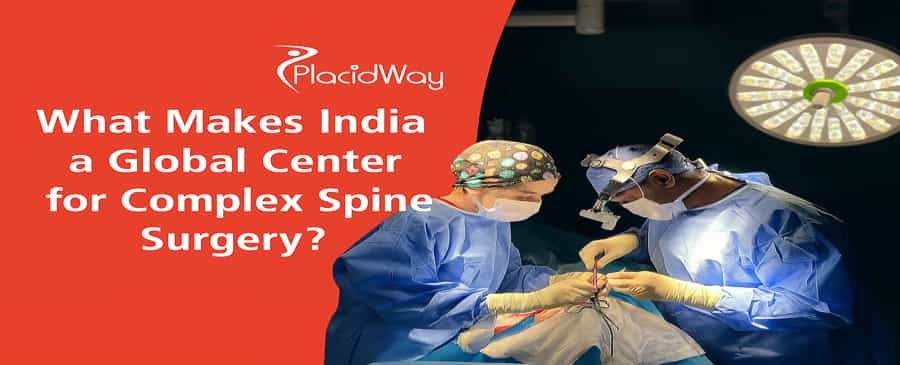
If you have been researching options for major medical procedures abroad, you have likely noticed a recurring trend: India is consistently ranked as a top destination for specialized treatments, especially for the spine. But what exactly is driving this shift? It is not just about affordability, though that is a huge factor, it is about the quality of care that rivals, and often exceeds, what you might find in the US or UK.
For many, the idea of traveling for surgery can feel overwhelming. You have questions about safety, the technology used, and whether the doctors truly understand your needs. The reality is that India has spent the last two decades building a medical ecosystem designed specifically for complex cases. From robotic-assisted procedures to comprehensive rehabilitation, the focus is on precision and patient outcomes. In this guide, we will break down everything you need to know about why patients from around the world are trusting Indian expertise for their spinal health.
What is the cost of spine surgery in India compared to the US and UK?
One of the most compelling reasons international patients choose India is the significant financial relief. However, it is crucial to understand that "low cost" in this context does not mean "low quality." The lower prices are primarily due to the lower cost of living and operations in India, not a compromise on medical standards. In the United States, a complex spinal fusion can easily run into the six figures without insurance. In India, you can receive the same procedure, often using the exact same FDA-approved implants and technology, for a fraction of the price.
When you book a medical travel package, the cost usually covers much more than just the surgeon's fee. It typically includes your hospital stay, nursing care, operation theater charges, surgeon fees, and sometimes even airport transfers and accommodation for a companion. This transparency helps you budget effectively without worrying about hidden costs that often plague Western healthcare systems.
| Procedure | Cost in USA (Approx.) | Cost in UK (Approx.) | Cost in India (Approx.) |
|---|---|---|---|
| Spinal Fusion | $60,000 - $110,000 | $30,000 - $50,000 | $5,000 - $9,000 |
| Disc Replacement | $35,000 - $55,000 | $20,000 - $35,000 | $5,500 - $8,500 |
| Laminectomy | $20,000 - $40,000 | $15,000 - $25,000 | $3,500 - $5,500 |
| Scoliosis Correction | $100,000+ | $60,000+ | $12,000 - $18,000 |
Are spine surgeons in India qualified and experienced?
The expertise of the surgeon is arguably the most critical factor in the success of any complex spine surgery. India boasts a vast pool of highly talented specialists who are not just locally recognized but globally respected. A significant number of these surgeons have completed their super-specialization and fellowships abroad. This means they are trained in the same advanced techniques and protocols used in the world's best teaching hospitals.
Beyond their academic credentials, Indian surgeons often have a higher surgical volume than their Western counterparts. Due to the large population and the influx of medical tourists, a senior spine surgeon in India might perform hundreds of complex surgeries a year. This high volume of cases hones their skills, allowing them to handle complications and complex anatomical variations with a level of proficiency that only comes from extensive hands-on experience.
What advanced technologies are used for spine surgery in India?
If you are worried that traveling to a developing country means stepping back in time technologically, think again. The top corporate hospitals in India are equipped with medical technology that matches or surpasses many facilities in Europe and North America. Hospitals heavily invest in robotic spine surgery systems, which allow for screw placement with sub-millimeter accuracy, significantly reducing the risk of nerve damage.
Additionally, the use of Neuro-navigation (O-Arm) systems is becoming standard for complex deformity corrections. This technology acts like a GPS for the spine, giving surgeons real-time, 3D feedback during the operation. This is paired with neuromonitoring, which tests nerve function throughout the surgery to prevent paralysis or other neurological deficits. These advanced tools lead to smaller incisions, less blood loss, and faster recovery times for patients.
Is spine surgery safe for international patients in India?
Safety is naturally the primary concern for anyone traveling for medical care. To address this, India's leading medical institutions have adopted rigorous safety protocols. Infection control is taken extremely seriously, with hospitals utilizing modular operation theaters equipped with HEPA filters to maintain a sterile environment. These hospitals operate under strict guidelines to minimize the risk of hospital-acquired infections, which is a crucial metric for any surgical patient.
Furthermore, the safety net extends beyond just the operating room. International patient departments ensure that your medical history is thoroughly reviewed before you even board a plane. Once you arrive, you are under 24/7 monitoring by dedicated nursing staff. The emphasis on safety is holistic, covering everything from pre-surgical cardiac clearance to post-operative thrombosis prevention.
Do Indian hospitals have international accreditation?
Accreditation is your assurance that a hospital meets global benchmarks for quality and patient safety. JCI accreditation is considered the gold standard in global healthcare, and India has a significant number of JCI-accredited hospitals. This seal of approval means the hospital has passed rigorous inspections regarding patient care, medication management, infection control, and facility safety.
In addition to JCI, hospitals also adhere to NABH standards, which is the apex national healthcare accreditation body in India. These accreditations are not one-time achievements; hospitals must undergo regular re-audits to maintain their status. This continuous monitoring ensures that the quality of care remains high and consistent, giving international patients peace of mind that they are in a safe, regulated environment.
How long is the waiting time for spine surgery in India?
In countries with public healthcare systems like the UK (NHS) or Canada, patients can wait months or even years for elective spine surgeries. Living with chronic back pain or debilitating spinal conditions during this wait can be physical and mental torture. India offers an immediate solution. The private healthcare sector here is designed for efficiency and speed without rushing the clinical process.
Once you confirm your travel plans, appointments are pre-booked. Typically, you will land, have your initial consultation and diagnostic scans the next day, and could be in surgery within 48 to 72 hours if medically cleared. This zero-waiting-period policy is a massive draw for patients who need urgent relief and want to return to their normal lives as quickly as possible.
What types of spine surgeries are performed in India?
India is not limited to "simple" surgeries; it is a hub for the entire range of spinal interventions. Surgeons here routinely perform Minimally Invasive Spine Surgery (MISS), which uses tiny incisions to treat herniated discs, resulting in less pain and minimal scarring. For more severe degenerative conditions, Spinal Fusion and Total Disc Replacement are common procedures performed with high success rates.
The expertise also extends to highly complex pediatric and adult deformity corrections, such as Scoliosis and Kyphosis surgery. These are major operations requiring a multidisciplinary team, which Indian hospitals are well-equipped to provide. Furthermore, specialized centers handle intricate cases involving spinal tumors and spinal cord injuries, offering hope for conditions that might be deemed inoperable elsewhere.
Is Minimally Invasive Spine Surgery (MISS) available?
The trend in global spine care is moving away from large, open surgeries toward minimally invasive techniques, and India is at the forefront of this shift. MISS involves using tubular retractors and microscopes or endoscopes to access the spine without cutting through large muscle groups. This preservation of muscle tissue is a game-changer for recovery.
Because the muscle is spared, patients experience significantly less post-operative pain and require less pain medication. Hospital stays are shorter—often just 1 or 2 days—and the return to daily activities is much quicker. Whether you are suffering from a slipped disc or spinal stenosis, asking for a MISS specialist in India is a smart move for a smoother rehabilitation journey.
What is the success rate of spine surgery in India?
High success rates are a direct result of the combination of skilled hands and advanced technology. For standard procedures like microdiscectomy, success rates are excellent, often exceeding 95%. For more complex fusion surgeries, the outcomes are consistently high due to the use of navigation technology that ensures precise implant placement.
However, "success" is not just about a successful operation; it is about the patient's quality of life afterward. Indian hospitals focus heavily on patient selection ensuring that surgery is the right option for you and post-operative care. By strictly adhering to international guidelines for patient selection, surgeons avoid performing unnecessary surgeries, which keeps overall patient satisfaction and success metrics high.
What typically happens during the post-operative recovery in India?
Recovery is where the "medical tourism" aspect really shines. After your surgery, you won't be rushed out the door. You will typically spend 3 to 5 days in the hospital (depending on the procedure) where pain management and initial mobilization are the priorities. Physiotherapists will work with you immediately to get you standing and walking, which is vital for preventing complications.
Once discharged, you typically stay in a nearby hotel or guest house for another week or two. During this time, you are not alone; follow-up visits are conducted to check wound healing and remove stitches. This close proximity to your surgeon during the critical early healing phase is a major advantage, ensuring that any minor issues are addressed instantly before they become problems.
Is language a barrier for international patients?
One of the biggest fears for medical tourists is the inability to communicate effectively with their doctors. In India, this is rarely a concern. All doctors, nurses, and medical staff in top-tier hospitals are fluent in English, as it is the medium of instruction for medical education in the country. You will be able to discuss your symptoms, fears, and treatment plans directly with your surgeon without needing a translator.
For patients from non-English speaking countries (such as those from the Middle East, CIS countries, or Africa), hospitals provide dedicated language interpreters. These professionals accompany you throughout your hospital journey, ensuring that nothing is lost in translation and that you feel completely understood and comfortable.
How do I get a medical visa for treatment in India?
The Indian government has made it incredibly easy for patients to enter the country for treatment through the Medical Visa category. The process starts with you sending your medical reports to the hospital. Once the doctor reviews them and confirms that treatment is necessary, the hospital issues a formal Visa Invitation Letter.
With this letter, you can apply for a medical visa at the Indian embassy in your country or, in many cases, apply for an e-Medical Visa online. The e-visa is processed quickly, often within 48 to 72 hours. This visa also allows for an attendant (usually a family member) to accompany you on a Medical Attendant Visa, ensuring you have emotional support during your recovery.
What pre-operative tests are required?
Before any scalpel touches your skin, a comprehensive battery of tests is conducted to ensure your body is ready for the stress of surgery. While you might have sent MRI scans from home for the initial assessment, the hospital will likely repeat high-resolution imaging to get the most current and detailed view of your spine. This is critical for surgical planning.
In addition to spinal imaging, you will undergo a thorough "Master Health Check" type evaluation. This includes blood tests to check for infection markers, diabetes, or clotting issues, as well as cardiac clearance. If you have pre-existing conditions like high blood pressure or diabetes, specialist doctors will be brought in to optimize your condition before the surgery proceeds.
Can I bring a companion with me?
Undergoing spine surgery is a significant event, and having a loved one by your side is invaluable for your emotional and physical well-being. Indian hospitals recognize this and are very accommodating to attendants. In most private rooms, a dedicated couch or bed is provided specifically for your companion to stay with you overnight.
Your companion plays a vital role in your recovery—helping you communicate with staff, assisting with small tasks, and providing morale. The medical visa process explicitly recognizes this need, allowing your companion to travel on the same itinerary as you. Hospitals often have travel desks that can even help organize local logistics for your attendant, making their stay comfortable as well.
How does the hospital assist with airport transfers and accommodation?
Navigating a new city after a long flight can be stressful, especially when you are in pain. To mitigate this, almost all major hospitals providing care to international patients offer complimentary airport services. A hospital representative will meet you at the arrival gate, handle your luggage, and transport you directly to the hospital or your hotel in a comfortable vehicle.
Regarding accommodation, while your inpatient stay is covered, you will need a place to stay before admission and after discharge. Hospitals have partnerships with nearby hotels, guest houses, and service apartments to suit various budgets. These accommodations are often accustomed to hosting medical guests and may offer amenities like wheelchair access and special dietary options.
Is follow-up care available after I return home?
Your relationship with your surgeon doesn't end when your flight takes off. Post-surgical care is a continuum. Before you leave India, you will be given a comprehensive discharge summary, a CD or USB drive with your latest scans, and a detailed rehabilitation protocol to follow.
Modern telemedicine has made long-distance follow-ups seamless. You can schedule video appointments with your surgeon to discuss your recovery, show them how your wound is healing, or ask questions about increasing your activity levels. If you need physical therapy back home, your Indian surgeon can write a referral letter guiding your local therapist on the specific protocols required for your surgery.
What if complications arise during the surgery?
While no one wants to think about complications, being prepared is the hallmark of a world-class medical center. Because the recommended hospitals are large, multi-specialty tertiary care centers, they have access to experts from every field of medicine under one roof. If a cardiac, respiratory, or unrelated medical issue arises during your spine surgery, help is seconds away.
These hospitals have advanced Critical Care Units (ICUs) staffed by intensivists 24/7. This multidisciplinary approach ensures that you are safer than you would be in a smaller, standalone clinic. The consent forms you sign will explain all potential risks, but knowing that the infrastructure exists to handle "Plan B" provides a significant layer of security.
How much can I save on a total spine surgery package?
The bottom line is often the deciding factor. Even when you factor in the cost of round-trip flights for two people, a few weeks of hotel stay, and food expenses, the total cost of getting treated in India is often less than just the deductible or co-pay in some Western insurance plans, and certainly a fraction of the uninsured cost.
For example, if a surgery costs $80,000 in the US, and the complete package in India (surgery + travel + stay) costs $12,000, the savings are astronomical. This financial freedom allows you to focus on getting the best implant and the best care without cutting corners or going into debt. It effectively democratizes access to high-end healthcare.
Conclusion
Choosing to undergo spine surgery is a life-changing decision, and choosing where to have it is just as important. India has firmly established itself as a global powerhouse for complex spine surgery, not by accident, but through decades of investment in medical excellence. The combination of highly skilled surgeons, state-of-the-art robotic technology, and a compassionate, service-oriented culture creates an environment where healing can thrive.
You no longer have to choose between quality and affordability. In India, you can access top-tier medical care that respects your financial constraints while prioritizing your health. By doing your research and partnering with accredited hospitals, you can take the first step toward a pain-free life with confidence.








.png)

.png)








Share this listing