



For decades, North American patients suffering from degenerative disc disease have relied heavily on traditional surgical methods to find relief. However, the rise of advanced spine surgery options in India has introduced a transformative approach to managing debilitating spinal conditions. Mumbai has emerged as a premier global hub for these cutting-edge procedures, offering motion-preserving treatments that focus on maintaining the natural biomechanics of the spine.
Unlike procedures that lock spinal segments together, cervical artificial disc replacement in Mumbai aims to replace damaged discs with sophisticated prosthetic implants. This approach generally allows patients to retain their flexibility and reduces the mechanical stress placed on adjacent spinal segments. By utilizing state-of-the-art medical technology, top Indian healthcare facilities are providing international patients with viable, high-quality alternatives to standard orthopedic care.
- Replaces degraded intervertebral discs with specialized mechanical devices.
- Focuses heavily on preserving the spine's natural range of motion.
- Typically requires specialized surgical training in neurosurgery or orthopedics.
- Aims to minimize the long-term deterioration of surrounding spinal levels.
Artificial disc technology was initially developed in Europe during the 1980s before gaining widespread global acceptance. Today, Mumbai's leading facilities utilize the exact same globally approved prosthetic models used in premier North American hospitals.
Why North American Patients Choose Medical Tourism in Mumbai
The healthcare landscape in the United States and Canada often presents significant hurdles for patients seeking complex spinal interventions. Extremely high surgical costs in the US and prolonged wait times in the Canadian public health system frequently push patients to explore orthopedic medical tourism in Mumbai. This vibrant Indian metropolis offers immediate access to world-class medical infrastructure without the bureaucratic delays common in Western healthcare systems.
Beyond accessibility, the appeal of affordable artificial disc replacement in India is a primary driving factor for cross-border medical travel. Patients traveling from North America typically discover that they can receive premium care, including comprehensive diagnostic imaging and extended hospital stays, for a fraction of their domestic costs. Furthermore, many of the leading specialists in Mumbai have completed extensive fellowships in the US, UK, or Germany, ensuring a standard of care that meets or exceeds Western expectations.
According to global medical travel reports, patients from North America can typically save between 60% to 75% on complex spinal procedures in India compared to domestic out-of-pocket expenses, even when factoring in international travel costs.
Comparing Artificial Disc Replacement to Traditional Spinal Fusion
When exploring spinal fusion alternatives in Mumbai, it is crucial to understand the functional differences between disc replacement and traditional fusion. Spinal fusion involves removing the painful disc and permanently joining two or more vertebrae together using bone grafts and hardware. While effective for pain relief, fusion inherently restricts mobility at the surgical site and can potentially accelerate wear and tear on the discs located directly above or below the fused segment.
In contrast, motion preservation spine surgery is designed to mimic the anatomy and function of a healthy spinal disc. The artificial implant allows for flexion, extension, and rotation, which typically leads to a more natural postoperative feel for the patient. While not every patient is a candidate for disc replacement, those who qualify generally experience a more dynamic recovery trajectory and a lower likelihood of requiring subsequent surgeries for adjacent segment disease.
| Feature | Spinal Fusion | Artificial Disc Replacement |
|---|---|---|
| Mobility | Eliminates movement at the surgical segment. | Preserves natural spinal movement. |
| Adjacent Joint Stress | Increases stress on surrounding discs. | Minimizes stress on adjacent levels. |
| Bone Healing | Requires months for bone grafts to fuse completely. | No bone fusion required; immediate stability. |
Patient Perspective: Mark’s Journey from Canada
"After waiting over a year for a surgical consultation in Ontario, I decided to explore options abroad. The decision to undergo artificial disc replacement instead of fusion gave me back my ability to golf and swim. The level of care I received was incredibly thorough, and the surgical team made sure I understood every step of the process."
Analyzing Artificial Disc Replacement Cost in Mumbai
A primary concern for international patients is navigating the financial aspects of complex healthcare. The Artificial Disc Replacement cost in Mumbai is structured to provide transparent, all-inclusive packages that cover the hospital stay, surgical fees, high-grade implants, and basic postoperative rehabilitation. This transparency allows North American patients to plan their medical journey with confidence, knowing what expenses to expect without the fear of hidden hospital charges.
When analyzing the cost of spine surgery in India, it is important to note that the price heavily depends on whether the procedure involves the cervical or lumbar region, and if multiple disc levels require intervention. Despite these variables, the comprehensive pricing models in Mumbai remain dramatically lower than the un-insured or under-insured costs encountered in the United States or the private sector in Canada.
| Procedure Name | Average Cost in Mumbai (USD) | Cost Comparison (USA/Canada) |
|---|---|---|
| Cervical Artificial Disc Replacement (1 Level) | $6,500 - $8,500 | $35,000 - $45,000 |
| Lumbar Artificial Disc Replacement (1 Level) | $7,500 - $9,500 | $40,000 - $55,000 |
| Multi-Level Disc Replacement | $9,000 - $12,000 | $60,000 - $80,000 |
| Pre-Surgical Diagnostics (MRI/CT Scans) | $300 - $500 | $2,000 - $4,000 |
Advanced Protocols at the Top Spine Clinics in Mumbai
When international patients walk into a carefully selected medical clinic in this city, they are greeted by infrastructure that mirrors the best hospitals in the Western world. The best spine surgery clinics in Mumbai are equipped with state-of-the-art neuro-navigation systems, highly advanced intraoperative imaging, and specialized robotic-assisted surgical tools. These technologies are instrumental in ensuring the precise placement of artificial discs, which is a critical factor for the long-term success of the implant.
Furthermore, these facilities prioritize minimally invasive disc replacement in India, a protocol that utilizes smaller incisions and muscle-sparing techniques. By minimizing trauma to the surrounding soft tissues, surgeons can generally reduce postoperative pain and significantly shorten the patient's hospital stay. The surgical teams consist of multidisciplinary experts, including neurosurgeons, orthopedic specialists, and pain management physicians who collaborate closely to optimize patient outcomes.
Always request a virtual consultation with your prospective surgeon before booking your travel. Use this time to discuss their specific experience with motion-preservation devices and inquire about the exact brand of FDA-approved implant they intend to use for your surgery.
Evaluating Candidacy for Cervical and Lumbar Disc Replacement
Determining whether a patient is suitable for motion-preserving surgery is a highly meticulous process. Thorough lumbar disc replacement candidacy in Mumbai evaluations typically involve comprehensive MRI scans, dynamic X-rays, and detailed physical examinations. Surgeons must assess the degree of disc degeneration, the quality of the patient's bone density, and the condition of the facet joints before recommending this specific intervention over traditional fusion.
Similarly, evaluating patients for cervical disc arthroplasty in India requires a strict adherence to international orthopedic guidelines. Ideal candidates are usually those suffering from symptomatic nerve root or spinal cord compression caused by a herniated disc, who have not found relief through conservative treatments like physical therapy or corticosteroid injections. Patients with severe osteoporosis, joint instability, or significant spinal deformity are generally contraindicated for this procedure.
Artificial disc replacement is not suitable for everyone. Patients with active spinal infections, significant facet joint arthritis, or severe osteoporosis are typically advised against this procedure, as poor bone quality can prevent the implant from securely attaching to the vertebrae.
The Surgical Process for Spinal Disc Implantation in India
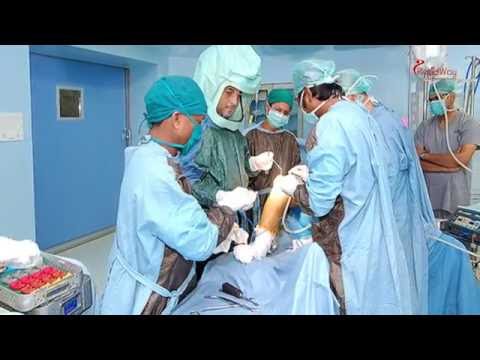
The operative journey begins long before the patient enters the surgical suite, starting with a comprehensive pre-anesthesia evaluation to ensure ultimate safety. The lumbar artificial disc replacement procedure in Mumbai is typically performed through an anterior approach—meaning the surgeon accesses the spine through a small incision in the abdomen. This specific technique allows direct access to the damaged disc without needing to cut through or disturb the complex network of spinal nerves and back muscles.
Adhering to rigorous spine surgery protocols in India, the surgical team carefully removes the degenerated disc material to relieve any pressure on the neural structures. Once the space is prepared, the specialized metallic or polymer artificial disc is meticulously inserted into the void. The implant is designed with textured surfaces that encourage the surrounding bone to grow into the device over time, ensuring maximum long-term stability and function.
During cervical disc replacement, the anterior approach is also utilized, with the incision made in the natural creases of the neck. This technique not only provides excellent access to the cervical spine but also typically results in a barely noticeable surgical scar.
Comprehensive Pain Management and Post-Operative Care
Immediately following the operation, international patients are monitored closely in a dedicated intensive care or specialized post-anesthesia care unit. High-quality post-operative spine care in Mumbai involves a multimodal pain management strategy, utilizing a combination of medications to keep the patient comfortable while minimizing reliance on heavy opioids. This proactive approach to pain management is essential for encouraging early mobilization, which is a cornerstone of deep vein thrombosis prevention.
The goal is to transition the patient from hospital care to active recovery as smoothly as possible. Medical teams provide robust chronic back pain relief options and closely monitor the surgical incision for any signs of complication. Nurses and attending physicians conduct daily assessments, ensuring that the neurological function in the patient's limbs remains stable and that the initial phases of healing are progressing normally.
Patient Perspective: Sarah’s Experience
"I was terrified of the pain after neck surgery, but the pain management team in Mumbai was exceptional. They had me out of bed and walking the very next day. The nursing staff was incredibly attentive, checking on me constantly and ensuring I was completely comfortable throughout my entire hospital stay."
Rehabilitation and Physical Therapy Standards in Maharashtra
Surgery is only the first step; structured rehabilitation is where the true restoration of mobility occurs. Spine surgery rehabilitation in Mumbai generally begins within 24 hours of the operation. Physical therapists work with patients at their bedside to introduce gentle movements, proper posture techniques, and safe methods for transitioning out of bed without putting undue stress on the newly implanted disc.
As recovery progresses, the intensity of physiotherapy after disc replacement gradually increases. Therapists design customized exercise regimens tailored specifically to the patient’s anatomical needs and physical capabilities. Before an international patient is cleared to fly home, they are provided with a comprehensive, step-by-step physical therapy manual to share with their local rehabilitation specialists in North America.
Unlike traditional spinal fusion, where patients often have to wait months for solid bone growth before starting physical therapy, artificial disc replacement patients are usually encouraged to begin gentle range-of-motion exercises within the first few weeks of recovery.
Safety Protocols and International Accreditation in Indian Healthcare
For individuals traveling across the globe for major surgery, trust in the medical facility's safety standards is absolutely paramount. Many of the leading institutions are JCI accredited hospitals in Mumbai, meaning they voluntarily submit to rigorous evaluations by the Joint Commission International. This prestigious accreditation ensures that the hospital's clinical protocols, infection control measures, and patient safety guidelines mirror those of elite medical centers in the United States.
These stringent benchmarks guarantee a high level of safe medical tourism in India. From the sterilization of surgical instruments to the handling of electronic medical records, every process is heavily regulated. International patient departments within these hospitals are also thoroughly equipped to bridge any cultural or language gaps, ensuring that clear, transparent communication is maintained throughout the patient's entire medical journey.
India's private healthcare sector employs thousands of doctors who have received their postgraduate training or fellowships in the US, UK, and Australia, bringing global best practices directly to their surgical theaters in Mumbai.
Navigating Medical Visas and International Patient Logistics
Planning international medical travel requires careful coordination of administrative and logistical details. Navigating the India medical visa process is generally a streamlined experience, as the Indian government actively supports and facilitates medical tourism. Patients are typically required to present an official invitation letter from their chosen hospital, which explicitly outlines the nature of the treatment and the expected duration of their stay.
When planning medical travel to Mumbai, patients must factor in adequate time for preoperative consultations, the surgery itself, and a mandatory postoperative recovery window before securing flight clearance. Dedicated international patient coordinators are usually assigned to travelers, helping to orchestrate local hospital transfers, managing medical documentation, and ensuring that the logistical burden does not interfere with the patient’s focus on healing.
Always pack all of your prior medical records, including high-resolution digital copies of your MRI and X-ray imaging, on a USB drive. While you may have sent these digitally beforehand, having physical copies with you upon arrival prevents any delays in your preoperative assessment.
Expected Recovery Timelines for Lumbar and Cervical Procedures
Understanding the postoperative timeline helps patients set realistic expectations for their return to normalcy. The recovery from artificial disc replacement in Mumbai is typically faster than fusion surgery, though timelines vary based on the surgical location. Cervical (neck) disc replacements generally boast a swifter recovery, with many patients resuming light daily activities and desk work within three to four weeks of the procedure.
Conversely, lumbar (lower back) disc replacements involve a slightly more extended healing phase due to the weight-bearing nature of the lower spine. Adhering to structured spine surgery recovery timelines is critical; patients are usually advised to avoid heavy lifting, extreme bending, or high-impact sports for several months. Regular follow-up appointments, often conducted virtually once the patient returns home, ensure that the implant remains stable and that neurological recovery is progressing as anticipated.
Patient Perspective: David’s Lumbar Surgery
"I was prepared for a long, grueling recovery based on what I heard about spinal fusions. However, my lumbar disc replacement recovery was surprisingly steady. Within six weeks of returning to the US, I was walking miles a day without the sharp, shooting leg pain that used to keep me awake at night."
Long-Term Outcomes and Restored Mobility After Spinal Surgery
The ultimate goal of motion-preserving spinal technology is to provide durable, lasting relief while allowing patients to reclaim their active lifestyles. Studies evaluating the long-term success of disc replacement in Mumbai indicate that artificial discs are highly resilient and designed to withstand decades of normal human movement. Patients typically report high satisfaction rates, noting dramatic improvements in their quality of life, sleep patterns, and overall physical mobility.
By preventing the unnatural stiffening of the spine, this procedure allows individuals to participate in activities they once thought were lost forever. For patients actively researching , artificial disc arthroplasty presents a scientifically backed, biomechanically sound solution. While outcomes naturally vary from person to person, the integration of advanced surgical skills and premium implants in India consistently yields world-class medical results.
Patient Perspective: Emily’s New Lease on Life
"Three years out from my cervical disc replacement in India, and I feel incredible. I have full rotation in my neck, I’m back to teaching yoga, and the chronic nerve pain down my arm is a distant memory. Trusting the international medical process was the best health decision I ever made."
How PlacidWay Assists Your Artificial Disc Replacement Medical Tourism Journey in Mumbai
Organizing complex orthopedic surgery in a foreign country can feel overwhelming, but utilizing specialized medical tourism facilitation can streamline the entire process. PlacidWay acts as a critical bridge between North American patients and premier healthcare providers in India, ensuring that your journey is seamless, professional, and tailored strictly to your specific medical needs.
By leveraging an extensive global network, PlacidWay empowers patients to make informed, confident choices regarding their healthcare. Here is how our comprehensive medical tourism assistance helps you navigate your spinal surgery journey:
- Facilitating direct, secure communication with highly credentialed, internationally trained orthopedic and neurosurgeons.
- Assisting in the collection, organization, and secure digital transfer of your medical records and imaging for accurate surgical evaluations.
- Providing transparent, detailed cost estimates and comprehensive medical treatment itineraries for specialized spine procedures.
- Guiding patients through the administrative requirements of securing medical visas and hospital admission paperwork.
- Offering access to a carefully vetted network of globally recognized, internationally accredited healthcare facilities.
PlacidWay has assisted thousands of international patients in finding specialized treatments globally, focusing purely on connecting individuals with authoritative medical care that aligns with stringent quality and safety standards.
Frequently Asked Questions
What makes Mumbai a top destination for artificial disc replacement?
Mumbai features JCI-accredited hospitals and globally trained orthopedic surgeons who utilize the latest motion-preservation technologies. The city offers advanced healthcare infrastructure at a significantly lower cost compared to North America.
Is artificial disc replacement generally safe for international patients?
Yes, when performed in accredited international clinics, it is generally safe. Medical tourists undergo rigorous pre-operative evaluations to ensure they are ideal candidates for the procedure.
How long do I need to stay in Mumbai for spinal disc replacement?
Patients typically stay in India for two to three weeks. This duration allows time for the initial surgery, hospital recovery, and necessary follow-up consultations before flying home.
Will an artificial disc completely eliminate my back pain?
While most patients experience a significant reduction in chronic pain, results generally vary based on individual anatomy and the severity of the spinal degeneration. Complete elimination of pain is never guaranteed.
Can I fly back to North America shortly after spine surgery?
Surgeons typically recommend waiting at least 10 to 14 days post-surgery before taking a long-haul flight. You will receive specific medical clearance and guidelines for safe air travel.
What type of artificial discs are used in Mumbai clinics?
Top-tier clinics in Mumbai generally use FDA-approved or CE-marked implants sourced from leading global medical device manufacturers. These high-quality prosthetics are designed for durability and optimal motion preservation.
How do I obtain a medical visa for spine surgery in India?
You can apply for an Indian Medical Visa (e-Medical Visa) online using an invitation letter provided by your chosen hospital. The process is typically straightforward and expedited for healthcare purposes.
What happens if I need follow-up care back in the US or Canada?
International hospitals usually provide detailed digital medical records and surgical reports for your local physician. Many surgeons also offer virtual consultations to monitor your long-term recovery.
Are both cervical and lumbar disc replacements performed in Mumbai?
Yes, specialized spine centers in Mumbai routinely perform both cervical (neck) and lumbar (lower back) artificial disc replacement procedures using advanced minimally invasive protocols.
How does the recovery process compare to traditional spinal fusion?
Because artificial disc replacement preserves natural joint movement and avoids bone grafting, patients generally experience a faster return to daily activities compared to traditional fusion surgery.
Ready to explore motion-preserving spine surgery options abroad? Contact PlacidWay today to connect with top-tier orthopedic specialists and receive comprehensive details tailored to your medical needs.
Medical Disclaimer: This article is for informational purposes only and is not medical advice. Always consult a qualified healthcare provider before any medical decisions. Results may vary. Read Full Disclaimer here.
References
- Mayo Clinic. Cervical Disc Replacement Surgery. https://connect.mayoclinic.org/discussion/cervical-disc-replacement-vs-fusion/
- American Academy of Orthopaedic Surgeons (AAOS). Artificial Disk Replacement in the Lumbar Spine. https://orthoinfo.aaos.org/en/treatment/artificial-disk-replacement-in-the-lumbar-spine/
- National Institutes of Health (NIH) - PubMed. Outcomes of Artificial Disc Replacement vs Traditional Fusion. https://pmc.ncbi.nlm.nih.gov/articles/PMC6394883/








.png)

.png)








Share this listing