


Which Conditions Can Be Treated with Stem Cell Therapy in Mexico
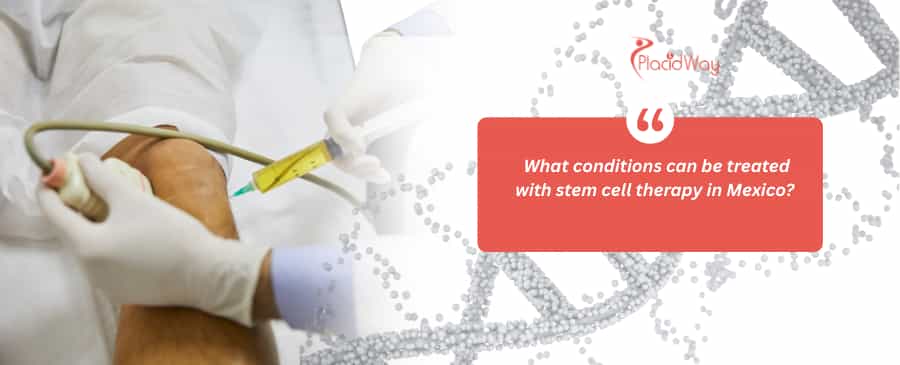
Regenerative medicine has moved from science fiction to reality, and for many patients feeling stuck with traditional treatments, it offers a new ray of hope. If you are researching what conditions can be treated with stem cell therapy in Mexico, you have likely noticed that Mexico has become a global hub for these advanced procedures. Unlike in some countries where regulations strictly limit the expansion and application of stem cells, Mexico's regulatory framework (COFEPRIS) allows for the therapeutic use of expanded Mesenchymal Stem Cells (MSCs), providing patients access to high-potency treatments that might not yet be available at home.
The appeal isn't just about availability; it is about the comprehensive approach. Clinics in locations like Tijuana, Mexico City, and Cancun are treating complex conditions ranging from autism spectrum disorders to chronic obstructive pulmonary disease (COPD) with protocols that combine high doses of stem cells with specialized supportive therapies. In this guide, we will explore the specific diseases showing promising results, break down the costs, and look at the safety standards to help you decide if this path is right for your health journey.
Which autoimmune diseases are treated with stem cells in Mexico?
Autoimmune diseases occur when the body's defense system attacks its own healthy tissues. In Mexico, Mesenchymal Stem Cells (MSCs) are used primarily for their immunomodulatory properties. Instead of just suppressing the immune system like traditional drugs, stem cells "reset" it. They help shift the immune response from a pro-inflammatory state to an anti-inflammatory one, which can halt the progression of diseases like Multiple Sclerosis (MS) and Lupus.
For patients with Rheumatoid Arthritis or Psoriasis, this therapy can significantly reduce flare-ups and pain. The treatment usually involves intravenous (IV) infusions of millions of stem cells, which circulate through the body seeking out inflammation. Many clinics in Mexico also offer intrathecal injections (into the spinal canal) for neurological autoimmune conditions to ensure the cells reach the central nervous system directly.
The goal is remission and tissue repair. While results vary, many patients report a reduction in medication dependency and improved energy levels. Mexico's ability to culture and expand cells means patients receive hundreds of millions of cells, a dosage often necessary to combat systemic autoimmune aggression effectively.
Can stem cell therapy treat Autism Spectrum Disorder (ASD)?
One of the most sought-after treatments in Mexico is for Autism Spectrum Disorder (ASD). The theory behind this treatment focuses on two main issues common in autistic children: hypoperfusion (low blood flow to specific brain areas) and chronic neuroinflammation. Stem cells can help improve blood vessel formation (angiogenesis) and reduce inflammation in the brain and gut, which are strongly linked in ASD cases.
Parents traveling to Mexico often report improvements in their child's speech production, social interaction, and attention span, as well as a reduction in repetitive behaviors. The protocols in Mexico typically use donor umbilical cord tissue stem cells because they are young, potent, and do not require invasive harvesting from the child (like bone marrow extraction).
It is important to understand that this is not a "cure," but a therapy to improve quality of life. Mexican clinics often combine stem cells with hyperbaric oxygen therapy (HBOT) to maximize oxygen delivery to the brain, enhancing the cells' effectiveness.
How effective is stem cell therapy for COPD and lung diseases?
Chronic Obstructive Pulmonary Disease (COPD) and Pulmonary Fibrosis are degenerative conditions where lung tissue scars and loses elasticity. Traditional medicine offers management, but stem cell therapy aims for repair. In Mexico, doctors administer stem cells intravenously and sometimes via nebulization (inhalation), allowing the cells to come into direct contact with the damaged lung tissue.
The anti-inflammatory power of the cells helps reduce the swelling in the airways, while their regenerative capabilities promote the repair of alveolar tissue. Patients with COPD often travel to Mexico to try and slow the progression of the disease. Benefits reported include less shortness of breath, reduced reliance on supplemental oxygen, and the ability to walk longer distances.
Because Mexico allows for high-dose cell expansion, patients can receive the high volume of cells needed to cover the extensive surface area of the lungs, a critical factor for efficacy that is difficult to achieve with lower-dose treatments found elsewhere.
What is the cost of stem cell therapy in Mexico?
Cost is a major factor driving medical tourism. In Mexico, the price includes not just the cells, but often the hospital fees, medical consultations, and sometimes even ground transportation. The price varies wildly based on the cell count (how many million cells you receive) and the complexity of the administration method (IV vs. spinal injection). Here is a general breakdown:
| Condition / Treatment | Average Cost in Mexico | Est. Cost in USA/Europe | Cell Count Estimate |
|---|---|---|---|
| Orthopedic (Knee/Shoulder) | $3,000 - $6,000 | $5,000 - $10,000+ | 20 - 50 Million |
| Autism / CP / Neuro | $12,000 - $18,000 | $25,000+ | 100 - 200 Million |
| Autoimmune (MS/Lupus) | $8,000 - $15,000 | $20,000+ | 100 - 300 Million |
| Anti-Aging / Wellness | $4,000 - $8,000 | $10,000+ | 50 - 100 Million |
It is vital to ask for a quote that specifies the guaranteed minimum cell count. Some clinics charge less but offer far fewer cells, which may reduce the treatment's effectiveness. Always look for value in terms of "price per million cells" and ensuring the cells are tested for viability (aliveness).
Can stem cells help with orthopedic injuries and joint pain?
Orthopedic conditions are perhaps the most common application for stem cells globally. In Mexico, doctors treat knee osteoarthritis, rotator cuff tears, and hip pain by injecting stem cells directly into the damaged joint. Unlike cortisone shots that only mask pain and can degrade tissue over time, stem cells signal the body to repair the cartilage and tissue.
Athletes and active seniors flock to Mexico because they can access potent umbilical cord stem cells, which have a stronger regenerative capacity than the patient's own older cells (autologous) often used in the US. This "allogenic" tissue is screened rigorously and can help patients avoid or delay total joint replacement surgery.
Recovery is relatively quick compared to surgery. Most patients walk out of the clinic the same day, with pain relief improving over the following weeks as the inflammation subsides and regeneration begins.
Is stem cell therapy available for Parkinson's disease?
Parkinson’s disease is a progressive neurodegenerative disorder caused by the loss of dopamine-producing neurons. Stem cell therapy in Mexico offers a neuroprotective approach. The goal is not necessarily to regrow the entire brain, but to create a healthier environment that protects surviving neurons and stimulates the body's natural repair mechanisms.
Clinics in Mexico typically use a multi-pronged approach for Parkinson's: high-dose IV infusions to address systemic inflammation, combined with intranasal or intrathecal delivery to bypass the blood-brain barrier. This ensures the growth factors released by the stem cells reach the brain.
Patients may experience improvements in tremors, balance, and rigidity. While it is not a cure, stabilizing the condition and regaining some independence is a massive victory for many families facing this diagnosis.
Can stem cell therapy treat Diabetes Type 2?
For Type 2 Diabetes, the focus of stem cell therapy is on systemic inflammation and insulin resistance. Chronic inflammation damages the body's ability to use insulin correctly. Mesenchymal stem cells can help lower this inflammation and improve the metabolic function of the liver and pancreas.
Furthermore, one of the most powerful applications is for diabetic complications, specifically neuropathy (nerve pain) and kidney damage. The angiogenic (blood vessel forming) properties of stem cells can improve circulation to the extremities, helping to heal wounds and reduce nerve pain that often plagues diabetic patients.
While patients usually still need to manage their diet and lifestyle, the therapy can make blood sugar levels easier to control and prevent the severe downstream effects of the disease.
Can stem cells improve heart failure and cardiovascular disease?
Cardiovascular disease remains a top killer, and stem cells offer a novel way to address damaged heart muscle. In Mexico, therapies for Congestive Heart Failure and ischemic heart disease focus on improving blood flow. Stem cells release growth factors that stimulate angiogenesis—the creation of new capillaries—which improves oxygen supply to the heart muscle.
This improved circulation can increase the "ejection fraction" (the percentage of blood the heart pumps out with each beat) in some patients. This translates to better stamina, less fatigue, and an improved ability to perform daily tasks without exhaustion.
Some advanced clinics in Mexico may perform these procedures via catheterization for direct delivery to the heart, though IV infusion is more common due to its non-invasive safety profile.
Is stem cell therapy helpful for anti-aging and wellness?
You don't have to be sick to benefit from stem cells. A growing trend in Mexico is anti-aging and wellness therapy. As we age, our own stem cell supply diminishes, leading to slower healing and lower energy. IV infusions of young, healthy stem cells act as a revitalizing boost for the entire body.
Biohackers and wellness enthusiasts report better sleep, improved libido, sharper mental clarity, and faster recovery from workouts. By reducing "inflammaging" (chronic, low-grade inflammation associated with aging), these treatments aim to extend the "healthspan"—the number of years you spend in good health.
These treatments are often combined with other therapies like NAD+ IVs or exosome therapy for a comprehensive rejuvenation package.
What types of stem cells are used in Mexico?
The type of cell matters immensely. While some older treatments used the patient's own bone marrow or fat (autologous), the gold standard in Mexico is now allogenic umbilical cord tissue cells. These are donated by healthy mothers after live, healthy C-section births.
Why are these better? They are "immune-privileged," meaning the patient's immune system does not attack them, eliminating the need for matching. They are also brand new—they haven't been exposed to aging, toxins, or disease like an adult patient's own cells have. This makes them replicate faster and secrete more healing growth factors.
Reputable Mexican labs strictly screen these donations for all communicable diseases (HIV, Hepatitis, etc.) and expand them in clean-room environments to ensure safety and purity.
Is stem cell therapy legal and regulated in Mexico?
A common misconception is that Mexico is a "wild west" for medicine. In reality, the industry is regulated by COFEPRIS (the Mexican equivalent of the FDA). Clinics must obtain a specific license to harvest, store, or apply stem cells. This regulatory pathway is actually clearer than in many other countries, allowing legitimate clinics to operate openly and safely.
However, illegal clinics do exist. It is crucial to ask any prospective clinic for their COFEPRIS license number. A legitimate clinic will have this displayed on their website or provide it upon request. This license ensures they adhere to sanitary norms and safety protocols.
The key difference is that Mexico allows the culturing (expansion) of cells, whereas the US FDA restricts this significantly. This allows Mexican clinics to offer the high doses (100 million+ cells) required for effective systemic treatment.
What are the risks or side effects?
Mesenchymal stem cell therapy is considered very safe. Because the cells are immune-privileged, there is almost zero risk of rejection or "graft vs. host disease." The most common side effect is a temporary "detox" reaction, often called a Herxheimer reaction. Patients might feel tired, have a mild fever, or experience a headache for a day after the infusion as the immune system activates.
Serious risks usually stem from poor administration practices (infection at the injection site) rather than the cells themselves. This is why choosing a sterile, professional, and licensed clinic is non-negotiable. Legitimate clinics will use ISO-certified labs to ensure the cells are free from bacteria or contaminants.
Always discuss your full medical history with the doctor to ensure you don't have contraindications, such as active cancer, which usually disqualifies a patient from treatment.
How do I choose a reputable stem cell clinic in Mexico?
With so many options, due diligence is your best defense. Start by verifying the clinic's credentials. Who is the medical director? Are they a specialist in regenerative medicine or hematology? Do they have a COFEPRIS license for stem cell application?
Ask about the cells. Where do they come from? Does the clinic have its own lab, or do they buy cells from a third party? Ask to see a certificate of analysis (COA) for a batch of cells. This document shows the cell count and viability percentage (it should be above 90%).
Finally, speak to past patients. Reputable clinics will have testimonials or be willing to let you speak to a "patient ambassador." If a clinic promises a 100% cure for an incurable disease, walk away. Honest providers will discuss realistic outcomes and "improvement," not "miracles."
Explore Regenerative Medicine Options in Mexico
Finding the right clinic for your condition is the most important step in your journey. PlacidWay partners with top-rated, certified stem cell centers in Mexico to offer you safe and effective treatment options.




















Share this listing