
Cost of All-on-4 Dental Implants in Mexico
For patients looking to restore their smiles, traveling abroad for dental care has become an increasingly popular option. When researching All-on-4 in Mexico, one of the most common questions revolves around the treatment timeline. Because this procedure involves surgical intervention followed by a biological healing process, it cannot be safely completed in a single afternoon.
Understanding the logistical requirements of cross-border dental care helps patients plan their time away from work, manage travel budgets, and set realistic expectations for their recovery. The standard protocol involves a two-trip process, though individual anatomical factors can occasionally alter this timeline.
Key Takeaways
- Standard Timeline: The process generally requires exactly two trips.
- First Trip (3–7 Days): Includes consultation, extractions, implant surgery, and placement of temporary acrylic teeth.
- Healing Phase (4–6 Months): The time spent back home allowing the jawbone to fuse with the titanium implants.
- Second Trip (3–5 Days): Focuses on taking new impressions and securing the final, permanent teeth.
- Exceptions: Patients with severe bone loss may require a preliminary trip for bone grafting.
What Happens During the First Trip for All-on-4?
The first visit is the most intensive part of the process. It begins with a comprehensive consultation where a dental team takes 3D CBCT scans to evaluate your jawbone density and map out the exact placement of the implants. If you are deemed a suitable candidate, the surgery is scheduled, often for the following day.
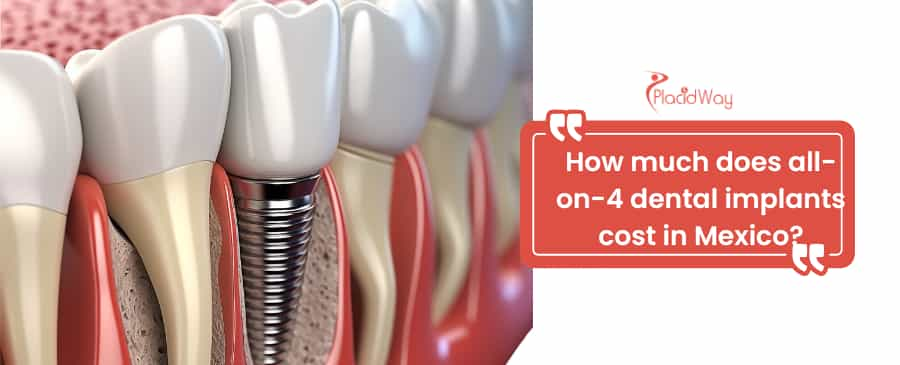
During the surgery, the dentist will remove any unsalvageable teeth, clean the surgical sites, and precisely place the implants. In the All-on-4 technique, two straight anterior implants and two tilted posterior implants are used to maximize existing bone. Following the surgery, a specialized lab crafts a temporary acrylic bridge, which is usually attached to your implants within 24 hours.
How Long Do I Need to Stay in Mexico for the First Trip?
While the actual surgery may only take a few hours per arch, the surrounding logistical steps require a multi-day stay. When visiting an All-on-4 clinic in Mexico, you cannot fly in, have surgery, and fly out the same day. The on-site or partner dental lab needs time to adjust your temporary prosthesis so that it fits perfectly on your newly placed implants.
Additionally, dentists require a post-operative checkup a day or two after the temporary teeth are attached. This checkup ensures that your bite is aligned correctly and that there is no uneven pressure on the fresh implants. Proper bite alignment is critical to prevent early implant failure.
Why Is a Second Trip Necessary for This Procedure?
The biological process of bone fusing to the implant is known as osseointegration. When implants are first placed, they are held in by mechanical friction—like a screw in wood. Over time, living bone cells grow around the microscopic threads of the titanium, locking it permanently in place. This healing period cannot be rushed.
Placing the final, highly durable materials (such as zirconia or porcelain) immediately after surgery is generally avoided. These materials are heavy and rigid. If a patient chews forcefully on permanent materials before the bone has fully integrated, the micro-movements can disrupt the healing process, potentially causing the implants to loosen and fail.
What Is the Recovery Period Between the Two Trips?
The lower jaw (mandible) is typically denser and may heal closer to the four-month mark. The upper jaw (maxilla) is generally softer and often requires a full six months to integrate fully. During this waiting period, you will wear your temporary acrylic bridge, which looks like natural teeth but is lighter in weight.
Your lifestyle and health conditions play a significant role in this timeline. Factors such as smoking, uncontrolled diabetes, or certain medications can slow down blood flow and bone regeneration, potentially extending the wait time before the second trip can be scheduled.
What Happens During the Second Trip to Mexico?
Because no surgery is involved, the second trip is much less physically demanding. Upon arrival, your dentist will unscrew the temporary bridge and test the torque of each implant to ensure osseointegration was successful. Once confirmed, they will take fresh physical or digital impressions of your healed gums.
A dental lab then creates your final prosthesis, usually milled from a block of strong zirconia or reinforced porcelain. This fabrication process typically takes a few days. Once ready, the new teeth are screwed into place, the bite is meticulously adjusted, and the screw holes are sealed. Patients usually stay in the country for three to five days for this final visit.
Are Three Trips Ever Required for All-on-4?
While the All-on-4 technique is specifically designed to bypass the need for bone grafts by utilizing angled implants, it is not a solution for everyone. If the jawbone has severely deteriorated due to long-term tooth loss or periodontal disease, there may not be enough foundation to anchor even tilted implants.
In such scenarios, the timeline shifts:
- Trip 1: Extraction of teeth and extensive bone grafting.
- Healing: 4 to 6 months for the graft to solidify.
- Trip 2: Implant placement and temporary teeth attachment.
- Healing: 4 to 6 months for osseointegration.
- Trip 3: Placement of final permanent teeth.
Can I Get the Entire Procedure Done in One Trip?
A common point of confusion in dental implant marketing is the phrase "Teeth in a Day." This simply means that you will not leave the clinic without teeth after your extractions. You walk in with bad teeth and walk out with a temporary acrylic bridge on the same day or the day after.
However, no reputable dental professional will place a final, permanent zirconia prosthesis immediately after surgery. The gums shrink and reshape as they heal from the extractions and surgery. If a permanent bridge were fitted on day one, a gap would eventually form between the gums and the prosthesis, creating a trap for food and bacteria.
How Does Travel Planning Factor Into the Overall Process?
Even with travel expenses factored in, many patients find that participating in medical tourism in Mexico offers significant financial benefits compared to local treatment. However, budget planning must be thorough. You will need to arrange flights, hotels, and meals for both the surgical trip and the restorative trip months later.
Depending on the location of the facility, some patients choose border towns (such as Los Algodones or Tijuana) where they can drive across or take a short shuttle, minimizing airfare costs. Others fly into interior hubs (like Cancun or Mexico City), which requires budgeting for international flights twice.
What Should I Do If Complications Occur Between Trips?
While rare, complications such as peri-implantitis (infection around the implant), a fractured temporary bridge, or a loose implant can occur during the months between your trips. Minor issues, such as a chipped temporary tooth, might wait or be smoothed by a local dentist. However, infection requires immediate antibiotic treatment and professional evaluation.
It is wise to establish a relationship with a local dentist before you travel. Explain your plans and ask if they are willing to assist with maintenance or minor emergencies during your healing phase. Keep in mind that local clinics will charge their standard rates for any emergency interventions required.
Why Choose PlacidWay for Medical Tourism in Mexico?
Navigating cross-border healthcare requires careful research and planning. PlacidWay acts as a medical tourism portal that helps patients connect with healthcare facilities globally. Here are a few ways PlacidWay can assist in your search:
- Comprehensive Directories: Provides access to listings of international dental clinics, outlining their focus areas and available treatments.
- Information Gathering: Allows patients to review profiles, facility descriptions, and physician backgrounds in one centralized location.
- Direct Communication: Facilitates initial contact between patients and international clinics to ask specific questions about treatment timelines and capabilities.
- Global Reach: Features clinics across multiple regions in Mexico, from border towns to popular interior destinations.
- Cost Transparency: Helps patients request estimates directly from clinics to better understand potential treatment expenses.
Frequently Asked Questions (FAQs)
Do I need a passport for multiple trips to Mexico?
Yes, if you are traveling from the United States, Canada, or other countries, you will need a valid passport to cross the border into Mexico and to return home, whether you are flying or driving.
Is the temporary denture comfortable between trips?
The temporary acrylic teeth are designed to be functional and aesthetically pleasing. While they may feel slightly bulky or different at first, most patients adjust to them within a few weeks. They are fixed in place, meaning they do not slip like traditional removable dentures.
Can I fly immediately after implant placement?
Dentists typically recommend waiting at least 24 to 48 hours after implant surgery before flying. Changes in cabin pressure can sometimes cause discomfort in the sinuses, especially if implants were placed in the upper jaw.
What food can I eat during the healing phase back home?
During the four to six months between your trips, you must stick to a soft-food diet. Avoid hard, crunchy, or chewy foods (like nuts, ice, or tough meats) to prevent excessive pressure on the healing implants, which could cause them to fail.
Do Mexican clinics use the same implant materials as in the US?
Many dental clinics catering to international patients use internationally recognized implant brands and materials identical to those used in the US and Canada. You should always ask your chosen facility which specific brands they utilize.
Can I switch clinics for my second trip?
While technically possible, switching clinics midway through treatment is highly discouraged. The second dentist would need to work with the specific implant system and placement angles chosen by the first dentist, which can complicate the fabrication of your final teeth.
Will my speech be affected between the two trips?
You may experience a slight lisp or changes in your speech immediately following the placement of your temporary teeth. This is normal as your tongue adapts to the new structure, and speech typically returns to normal within a few days to a couple of weeks.
How do I clean my temporary teeth during the waiting period?
You will need to brush your temporary teeth gently with a soft-bristled toothbrush and use a water flosser on a low setting to remove food particles trapped underneath the bridge. Your dentist will provide specific oral hygiene instructions before you leave.
Is it safe to travel to Mexico twice for dental care?
Many popular border towns and medical tourism hubs in Mexico accommodate thousands of international patients safely each year. However, standard travel precautions should always be taken, and you should review current travel advisories from your local government.
Are there payment plans available that span both trips?
Payment structures vary by facility. Often, patients pay a portion of the total cost during the first trip to cover the surgery and temporary teeth, and pay the remaining balance during the second trip when the final permanent teeth are placed.
Compare Treatment Options
Gather the information you need to make an informed decision about your dental care abroad. Connect with facilities and request detailed treatment timelines today.
Request Treatment InformationReferences
- Parameters of Care – American College of Prosthodontists
- Travelers' Health: Mexico – Centers for Disease Control and Prevention (CDC)
- Dental Implants: What You Should Know – U.S. Food and Drug Administration (FDA)
- Types of Implants and Techniques – American Academy of Implant Dentistry (AAID)
- Dental Implant Surgery Overview – Mayo Clinic
- Osseointegration: An Update – National Institutes of Health (NIH / PubMed Central)
- Implants Overview – American Dental Association (MouthHealthy)























Share this listing