


How Ibogaine Treatment for Crack Addiction Works?
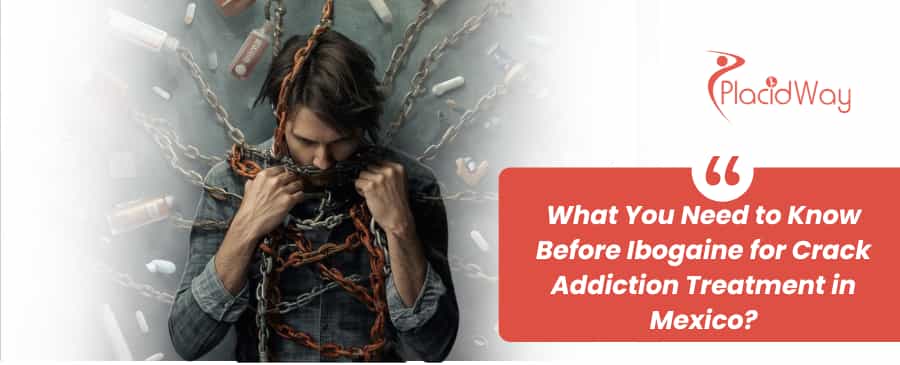
If you or a loved one are struggling with stimulants, you might be wondering if Ibogaine for crack addiction is the breakthrough you have been looking for. The short answer is that Ibogaine has shown remarkable potential in interrupting active addiction, resetting brain chemistry, and giving individuals a critical window to rebuild their lives without the overwhelming burden of intense cravings.
Crack cocaine is notoriously difficult to overcome because of how aggressively it hijacks the brain’s reward center. Traditional therapies often focus on behavioral changes while the patient is still battling severe psychological withdrawal and anhedonia (the inability to feel pleasure). This is where Ibogaine treatment in Mexico comes into the conversation. By utilizing a naturally occurring psychoactive compound derived from the African Tabernanthe iboga shrub, this alternative therapy targets the neurological roots of dependency.
Because the substance is highly restricted in places like the United States and Canada, thousands of people travel across the border each year to seek help. However, this is not a casual retreat. Taking Ibogaine requires serious medical oversight, thorough physical preparation, and a strong aftercare plan. In this comprehensive guide, we will answer the most pressing questions you have about undergoing crack cocaine addiction treatment using Ibogaine, helping you understand the risks, the costs, the science, and the reality of what this powerful plant medicine can and cannot do.
What is Ibogaine and how does it treat crack addiction?
Ibogaine is naturally found in the root bark of the Tabernanthe iboga plant, native to West Central Africa. For centuries, it has been used in traditional ceremonies, but modern medicine has recognized its unique ability to interrupt chemical dependency. When used as an Ibogaine therapy for addiction, it acts as an addiction interrupter rather than a traditional substitute medication.
For individuals addicted to crack cocaine, the drug offers a neurological "hard reset." Crack heavily depletes the brain's natural neurotransmitters. Ibogaine works by attaching to multiple receptor sites in the brain, essentially repairing the pathways that have been damaged by chronic drug use. It is widely praised for its ability to bring a patient to a pre-addiction state of mind.
- Restores natural dopamine production.
- Significantly reduces the psychological urge to use stimulants.
- Provides deep introspective experiences that help patients process the root causes of their trauma and addiction.
Why do people go to Mexico for Ibogaine treatment?
The primary reason behind the medical tourism boom for Mexico Ibogaine clinics is legality. In the United States, the FDA classifies Ibogaine as a Schedule I substance, meaning it is considered to have no accepted medical use and a high potential for abuse. Because of this, individuals desperate for a cure cannot access it within their home country.
Mexico, however, operates under different pharmaceutical regulations. The treatment is legal and unregulated by strict federal bans, allowing private medical facilities to administer the drug. This has led to the development of a robust industry situated just south of the US border, particularly in areas like Baja California and Quintana Roo.
Many of these clinics provide high-end, medically supervised environments. Patients benefit from the proximity to North America, making travel relatively easy, while gaining access to a treatment that is completely unavailable to them at home. The combination of legal access and experienced medical teams makes Mexico the top global destination for this specific therapy.
How does Ibogaine work on the brain of a crack addict?
Crack cocaine creates an intense, artificial flood of dopamine in the brain. Over time, the brain stops producing its own dopamine, relying entirely on the drug to feel any sense of normalcy or pleasure. Ibogaine treatment addresses this structural damage at a molecular level. When ingested, the liver converts Ibogaine into a metabolite called noribogaine, which stays in the system for weeks.
The most fascinating mechanism is the release of GDNF (Glial cell line-derived neurotrophic factor). This protein acts like a fertilizer for the brain, stimulating neuroplasticity and sprouting new neural connections. This process physically repairs the dopamine receptors that were burned out by chronic crack cocaine abuse.
Unlike traditional rehab, which expects the brain to slowly heal over months while the patient suffers through intense cravings, Ibogaine accelerates this neurological healing. Patients often wake up from their session reporting that the obsessive, compulsive thoughts surrounding crack cocaine have completely vanished.
Is Ibogaine treatment for crack addiction safe?
Safety is the most critical conversation regarding Ibogaine for crack addiction. While it is highly effective, it is not a harmless supplement; it is an intense medical procedure. The primary physical risk involves the heart. Ibogaine naturally slows the heart rate (bradycardia) and can prolong the QT interval, which is the time it takes for the heart's electrical system to recharge between beats.
Because crack cocaine is a harsh stimulant that damages the cardiovascular system over time, crack users must be thoroughly vetted before taking Ibogaine. If a patient has a pre-existing heart condition or is actively using other substances at the time of ingestion, it can lead to fatal arrhythmias.
To ensure maximum safety, reputable clinics require an extensive medical intake. During the actual session, the patient should be hooked up to an EKG machine with an ACLS-certified doctor and emergency medical equipment present in the room at all times. When these strict protocols are followed, the risks are drastically minimized.
What is the success rate of Ibogaine for crack cocaine?
When measuring the success of crack cocaine addiction treatment using Ibogaine, it is important to distinguish between "addiction interruption" and "lifelong sobriety." As an interrupter, the success rate is incredibly high. The vast majority of patients report zero physical or psychological cravings for stimulants in the weeks following their session.
However, Ibogaine is not a magic bullet that cures addiction permanently without effort. The medicine opens a window of neuroplasticity and emotional clarity that typically lasts for 3 to 6 months. During this "golden window," it is much easier for the individual to adopt new, healthy habits, engage in therapy, and distance themselves from toxic environments.
Long-term success rates drop if the patient returns immediately to the exact same environment, stressors, and social circles where they used crack. Those who follow up their medical treatment with integration coaching, sober living, or continued psychological counseling show the highest rates of permanent recovery.
How much does Ibogaine treatment in Mexico cost?
The Ibogaine therapy cost is a major factor for those seeking help. Because the procedure requires a highly specialized medical staff, expensive cardiac monitoring equipment, and pure pharmaceutical-grade medicine, it is not cheap. However, when compared to the cost of traditional 30 to 90-day luxury inpatient rehabs in the United States, it is often much more affordable.
Prices fluctuate based on the location of the clinic, the ratio of medical staff to patients, and the level of luxury provided. A standard medical program usually starts around $5,000 to $7,000. Facilities that offer extensive holistic therapies—such as hyperbaric oxygen therapy, NAD+ IV drips, massage, and psychological integration coaching—can cost upwards of $10,000 to $12,000.
| Treatment Type / Location | Average Cost Range | Estimated Duration | Medical Supervision Level |
|---|---|---|---|
| Medical Ibogaine Clinic (Mexico) | $5,000 - $12,000 | 7 to 14 Days | High (EKG, Doctors, RNs) |
| Traditional US Inpatient Rehab | $15,000 - $40,000+ | 30 to 90 Days | Standard Psychiatric |
| Underground/Unregulated Provider | $1,500 - $3,000 | 1 to 3 Days | Dangerous / None |
Note: It is strongly advised never to choose an unregulated "underground" provider, as the lack of medical screening and emergency equipment can be fatal.
Is Ibogaine legal in Mexico?
Understanding the legal landscape is crucial before traveling. While Ibogaine treatment is strictly prohibited in the US due to its hallucinogenic properties and lack of FDA approval, Mexico takes a different approach. The government does not classify it as a narcotic or a banned substance.
This legal gray area allows doctors and medical entrepreneurs to set up dedicated treatment centers. However, because the industry is not heavily regulated by a central government medical board in the same way traditional hospitals are, the quality of care can vary drastically from one facility to another.
Patients must take personal responsibility for researching the clinical standards of their chosen facility. Being legal does not automatically guarantee safety. You must ensure the clinic operates with valid Mexican medical licenses and employs board-certified physicians and cardiologists.
What medical tests are required before taking Ibogaine?
The intake process at a reputable Mexico Ibogaine clinic is rigorous. Because crack cocaine is notoriously hard on the heart, doctors must ensure the patient can physically withstand the strain of the treatment. The most important test is the 12-lead EKG, which checks for arrhythmias and measures the QT interval.
A comprehensive metabolic panel and liver function test are also mandatory. The liver is responsible for metabolizing the substance into noribogaine; if the liver is compromised from years of substance abuse, the treatment could be dangerous or ineffective.
Finally, patients will undergo a strict toxicology screen upon arrival. Mixing Ibogaine with active stimulants, opioids, or certain psychiatric medications (like SSRIs) can cause fatal serotonin syndrome or cardiac arrest. The medical team will require a specific washout period before administering the dose.
What happens during an Ibogaine treatment session?
The actual administration of Ibogaine for crack addiction is a profound physiological and psychological event. Once the medical team clears the patient, the dose is administered orally, usually in capsule form. Within 45 minutes to an hour, a high-pitched buzzing sound often occurs, signaling the onset of the medicine.
The patient lies comfortably in bed, wearing an eye mask, as external stimuli can cause severe nausea. The first phase is the "visionary phase." This is where patients often experience a waking dream state. They may view their past trauma, the root causes of their addiction, and their life choices from a detached, objective perspective, almost like watching a movie of their own life.
Throughout this entire process, an IV line is typically established for hydration, and a nurse or doctor continuously monitors the heart rate. Following the 8-to-12-hour visionary phase, patients enter the "processing phase," lying awake but deeply reflective for up to 24 hours while the brain chemically resets.
How long does a typical Ibogaine retreat in Mexico last?
While the visionary part of the treatment only lasts about one day, you cannot fly in, take the medicine, and leave the next day. A standard Ibogaine treatment protocol spans at least a week to ensure absolute medical safety and therapeutic benefit.
The first few days are dedicated to intake, medical testing, psychological preparation, and stabilizing the patient. Once the medical team determines the patient is ready, the flood dose is administered.
The days following the treatment are crucial. Patients are often physically exhausted, experiencing a phenomenon known as "Ibogaine fatigue." They need a safe environment to sleep, eat nutritious food, and begin integration therapy with counselors to make sense of the profound visions they experienced.
What are the common side effects of taking Ibogaine?
Patients seeking crack cocaine addiction treatment via this method must be prepared for the physical toll it takes. Ibogaine is not a recreational substance; it is a heavy medical procedure. The most immediate side effect is ataxia. During the peak of the experience, patients generally cannot stand or walk unassisted, which is why clinical staff must aid them if they need the restroom.
Nausea and vomiting are also incredibly common as the medicine processes through the liver and the body purges toxins. Clinics often provide anti-nausea medications to mitigate this, but it remains a standard part of the process.
Post-treatment, patients deal with insomnia and severe fatigue. Because the brain is rapidly rewiring its dopamine receptors and processing heavy trauma, it requires massive amounts of energy. Sleep may be difficult for a few days, but the accompanying lack of drug cravings makes the recovery phase highly manageable.
Can Ibogaine instantly stop crack cravings?
This is the exact reason why Ibogaine for crack addiction has gained worldwide attention. With traditional rehab, a crack addict spends the first 30 days fighting agonizing psychological cravings. Every trigger in their brain demands the drug. Ibogaine bypasses this suffering.
Because noribogaine remains in the central nervous system for weeks after the initial dose, it acts as a shield against cravings. Patients frequently describe waking up and feeling as though the mental obsession with crack has simply been erased from their hard drive.
However, it is vital to remember that while the chemical craving is gone, the *habitual* triggers may remain. If a patient feels sad, angry, or bored back home, their brain might still remember that crack was their old coping mechanism. This is why immediate psychological therapy is required to learn new coping skills while the chemical cravings are silent.
Does Ibogaine cause hallucinations or visions?
Unlike classic psychedelics like LSD or psilocybin, which distort the external world, Ibogaine treatment creates a vivid internal dreamscape. The clinical term is "oneirogenic," meaning it generates waking dreams. Patients lie still, but inside their minds, they are experiencing a rapid succession of images and memories.
Many people describe the experience as "years of psychotherapy condensed into one night." The plant medicine brings repressed trauma to the surface, but intriguingly, it removes the emotional sting associated with those memories. This allows the addict to analyze their behavior, understand *why* they turned to crack cocaine, and forgive themselves.
Not everyone experiences vivid visual hallucinations. Some patients have a purely cognitive or emotional processing experience. Both outcomes are equally effective in resetting the brain's addiction pathways.
What happens after Ibogaine treatment is completed?
The actual administration of the drug is only 10% of the cure; the other 90% is what you do afterward. Mexico Ibogaine clinics emphasize that the medicine is a catalyst for change, not a permanent cure. When you return home, your brain will be highly neuroplastic—meaning it is very easy to form new habits.
If a patient uses this time to start exercising, eating right, attending therapy, and building healthy relationships, those habits will solidify deeply into the brain. If they return to the exact same neighborhood where they used crack and hang out with the same friends, relapse is almost inevitable.
Top-tier clinics provide post-care coaching or recommend transition facilities. Continuous psychological support, whether through integration coaches, CBT (Cognitive Behavioral Therapy), or community support groups, is the key to maintaining the lifelong sobriety that the medicine makes possible.
Who is not a suitable candidate for Ibogaine therapy?
While highly effective for crack cocaine addiction treatment, this medicine is absolutely not for everyone. The physical strain on the heart automatically disqualifies anyone with prolonged QT intervals, previous heart attacks, or severe structural cardiac issues.
Psychologically, the intense hallucinogenic properties can be dangerous for individuals with a history of severe psychiatric disorders. Those with schizophrenia or active bipolar disorder run the risk of experiencing drug-induced psychosis. Reputable medical teams will screen out these candidates for their own safety.
Additionally, patients must be willing to undergo the required detox period. Certain psychiatric medications, like SSRIs or anti-psychotics, interact fatally with the alkaloids in the plant. Patients must be safely tapered off these medications by a doctor before traveling to Mexico.
How to choose a safe Ibogaine center in Mexico?
Choosing the right Mexico Ibogaine clinic is a life-or-death decision. You should never book a clinic based solely on the cheapest price or a beautiful beachside website. Safety must be the ultimate priority.
When interviewing clinics, ask direct questions about their medical protocols. Do they have a defibrillator and crash cart in the treatment room? Is an actual MD present in the room for the entire 12-hour visionary phase? Do they require a 12-lead EKG and blood work before acceptance? If the answer to any of these is no, look elsewhere.
Finally, verify their integration process. A quality clinic will not just give you a psychedelic drug and put you on an airplane the next day. They will have psychotherapists on staff to help you unpack the experience and formulate a solid game plan for your continued sobriety back home.
Ready to Explore Safe Medical Treatment Options?
Navigating international medical treatments can be overwhelming. If you are seeking safe, accredited, and highly supervised facilities for addiction recovery or other healthcare needs, let us guide you. Explore PlacidWay to connect with top-rated medical tourism providers globally, ensuring you receive the highest standard of care on your journey to wellness.







.png)









Share this listing