


A Guide to Ibogaine For Cocaine And Crack Addiction In Mexico
Ibogaine treatment for cocaine addiction in Mexico interrupts crack and cocaine cravings by resetting dopamine pathways. This psychedelic therapy cost ranges from $5,000 to $10,000, offering rapid detox and long-term recovery in a safe setting.
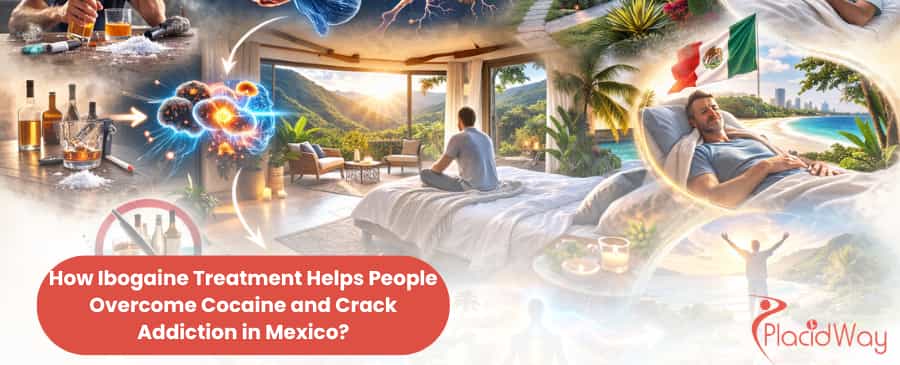
Key Takeaways
- Neurochemical Reset: Repairs dopamine and serotonin receptors damaged by chronic stimulant abuse.
- Rapid Detoxification: Significantly reduces severe psychological cravings within 24 to 48 hours.
- Holistic Recovery: Addresses underlying trauma through a guided oneirophrenic (dream-like) state.
- Medical Safety: Treatment is administered alongside ACLS-certified doctors with continuous cardiac monitoring.
- Cost Effectiveness: Highly competitive pricing compared to standard 90-day inpatient rehabs in North America.
How exactly does Ibogaine treatment for cocaine addiction in Mexico?
Ibogaine works by resetting the brain dopamine and serotonin receptors that have been hijacked by chronic cocaine and crack use. This powerful plant alkaloid restores neurochemical balance and significantly reduces intense drug cravings within hours.
Cocaine and crack create severe psychological dependency by artificially flooding the brain with dopamine, the neurotransmitter responsible for pleasure and reward. Over time, the brain responds to this massive artificial flood by shutting down its own natural dopamine receptors. When a person stops using the stimulant, they are left with a severe neurochemical deficit, leading to crushing depression, anhedonia, and overwhelming cravings that drive the cycle of relapse. Traditional therapies often take months or years to naturally upregulate these damaged receptors.
This powerful alkaloid fundamentally changes this timeline by acting on multiple receptor sites simultaneously. When administered in a clinical setting, it targets the NMDA receptors and promotes the release of Glial cell line-derived neurotrophic factor (GDNF). GDNF is a specialized protein that acts like fertilizer for the brain, rapidly repairing damaged neural pathways and stimulating the growth of new dopamine neurons. This biological reset effectively returns the brain to a pre-addicted state, completely bypassing months of agonizing neurochemical withdrawal.
Furthermore, the visionary phase of the Ibogaine treatment in Mexico allows individuals to confront the subconscious root causes of their substance abuse. During the acute phase, patients enter an oneirophrenic state where they witness their past memories and traumas from a dissociated, highly objective perspective. This psychological breakthrough allows crack and cocaine users to process deeply ingrained guilt, shame, and trauma, severing the emotional attachment to the drug while the medicine simultaneously heals the physical brain circuitry.
The true magic of this African root bark derivative lies in its ability to convert into noribogaine within the liver. This active metabolite stays in the human body for several weeks to months, creating a prolonged window of heightened neuroplasticity. During this window, individuals recovering from stimulant abuse find it incredibly easy to adopt new, healthy habits and completely rewrite their behavioral responses to stress.
What is the average Ibogaine treatment cost in Mexico?
The typical cost for a medically supervised detox program ranges from five thousand to twelve thousand dollars depending on the facility amenities. This all-inclusive price generally covers pre-medical screening, the flood dose, accommodation, and psychological integration therapies.
Understanding the financial commitment is crucial for anyone seeking to break free from stimulant dependency. The overall investment varies significantly based on the level of luxury, the duration of the inpatient stay, and the depth of medical staffing provided by the facility. Standard clinical programs focusing strictly on medical safety and the core psychedelic experience usually begin around the five thousand dollar mark. These programs prioritize highly trained medical staff and emergency protocols over resort-style amenities.
Mid-tier and luxury wellness centers command higher fees, often ranging between eight thousand and twelve thousand dollars. These premium locations offer private oceanfront suites, organic gourmet meals, extensive pre-treatment stabilization therapies, and comprehensive post-treatment modalities such as massage, acupuncture, and specialized psychological counseling. The higher price point also often reflects the presence of a full-time cardiologist and an on-site psychiatric integration team.
When comparing these figures to the cost of traditional thirty or ninety day inpatient rehabilitation centers in the United States, which can easily exceed thirty thousand dollars with incredibly high relapse rates, many families find Ibogaine therapy in Mexico highly cost-effective. It is important to note that a lower price point should never compromise medical safety; proper cardiac monitoring and ACLS-certified staffing are non-negotiable expenses that must be factored into any legitimate program.
| Facility Tier Level | Estimated Price Range | Typical Inclusions |
|---|---|---|
| Basic Medical Clinic | $5,000 - $6,500 | 7-day stay, shared room, EKG screening, standard medical supervision, basic meals. |
| Advanced Clinical Center | $7,000 - $9,000 | 10-day stay, private room, extensive bloodwork, ACLS doctors, basic integration therapy. |
| Luxury Resort Facility | $9,500 - $12,000+ | 14-day stay, oceanfront suite, 5-MeO-DMT integration, massage, 1-on-1 intensive therapy. |
Is it safe to visit an Ibogaine clinic in Mexico for addiction treatment?
Undergoing treatment at a medically licensed facility is highly safe when rigorous cardiovascular and psychological screenings are enforced. Legitimate clinics employ full-time emergency physicians and utilize continuous cardiac monitoring during the entire active phase.
- Mandatory EKG Screening: Every patient must undergo a comprehensive electrocardiogram to rule out prolonged QT intervals, as the plant alkaloid can temporarily affect the electrical rhythms of the heart.
- Comprehensive Liver Panels: Extensive blood tests ensure the liver is healthy enough to metabolize the medicine properly, preventing toxic accumulation in the bloodstream.
- ACLS Certified Personnel: Top-tier clinics maintain Advanced Cardiovascular Life Support certified medical doctors and nurses in the room or immediately adjacent 24 hours a day during the active treatment phase.
- Emergency Infrastructure: Verified centers are equipped with hospital-grade crash carts, defibrillators, oxygen supplies, and anti-arrhythmic medications to handle any unforeseen medical events instantly.
- Pre-treatment Stabilization: Clinics require patients to be entirely free of stimulants for several days prior to administration, utilizing specialized protocols to stabilize the patient physically before introducing the psychedelic dose.
- Psychological Evaluation: Strict psychiatric vetting is performed to rule out contraindicated mental health conditions such as schizophrenia, bipolar disorder, or severe active psychosis, ensuring maximum psychological safety.
How long does the complete ibogaine treatment process take for severe stimulant addiction?
A comprehensive recovery program typically requires a seven to fourteen-day inpatient stay at a specialized facility. This timeline ensures adequate physical stabilization, the core psychedelic experience, and several days of crucial neurocognitive integration.
The first stage of the timeline focuses entirely on physical stabilization and medical clearance for Ibogaine treatment in Mexico. Upon arrival, the first two to three days are dedicated to running final blood panels, conducting in-depth EKGs, and allowing the body to clear residual toxins. Because crack and cocaine exert heavy tolls on the cardiovascular system, doctors use this time to hydrate the patient, replenish critical electrolytes like potassium and magnesium, and prepare the nervous system for the profound reset ahead.
The core phase centers around the administration of the flood dose, typically occurring on day three or four. The active visionary state lasts roughly eight to twelve hours, during which the patient is strictly monitored by medical staff. Following the visionary phase is a period commonly referred to as the gray day. This is a twenty-four-hour window where the patient remains physically exhausted and highly introspective as the brain physically rewires itself. Sleep is usually difficult during this period, and medical supervision remains constant.
The final and arguably most important stage spans the remainder of the week and is entirely devoted to integration. Once the patient has rested and eaten, they begin working with specialized psychotherapists to unpack the profound visions and emotional breakthroughs experienced during the flood dose. This extended stay allows the patient to regain physical strength, process their emotional rebirth, and develop actionable cognitive behavioral strategies before returning to their daily life environments.
While the main hallucinogenic experience only lasts up to 12 hours, the metabolite noribogaine continues to block cocaine cravings and act as a mild antidepressant in the brain for up to three months post-treatment. This creates a golden window of opportunity to implement permanent lifestyle changes without the burden of severe withdrawal symptoms.
What physical medical tests are required before starting ibogaine therapy for cocaine abuse?
Because cocaine severely impacts cardiovascular health, extensive cardiac and metabolic testing is an absolute prerequisite before administration. Patients must pass an electrocardiogram, comprehensive metabolic panel, and liver function tests to be cleared.
- 12-Lead Electrocardiogram (EKG): This is the most critical test. It measures the electrical activity of the heart to identify prolonged QT intervals or existing arrhythmias, which are strict contraindications for the treatment.
- Complete Blood Count (CBC): Doctors run this to check for underlying hidden infections, severe anemia, or immune system suppression that might complicate the body's ability to handle the physical stress of a psychedelic journey.
- Comprehensive Metabolic Panel (CMP): This evaluates kidney function and overall metabolic health, ensuring the body can properly process and eliminate both the residual narcotics and the therapeutic medicine.
- Hepatic Function Panel: Since the active alkaloids are metabolized heavily by the CYP2D6 enzyme in the liver, verifying optimal liver health is mandatory to prevent toxic overdose levels from accumulating.
- Electrolyte Screening: Chronic stimulant abuse severely depletes magnesium and potassium. Low levels of these electrolytes can cause fatal heart rhythms when combined with the medicine, requiring intravenous supplementation prior to dosing.
- Echocardiogram Clearance: For patients with a multi-year history of heavy crack cocaine smoking, an ultrasound of the heart may be required to check for structural damage or enlarged ventricles before approval is granted.
Does ibogaine help with the severe psychological depression following crack cocaine withdrawal?
Yes, it is uniquely effective at alleviating post-acute withdrawal syndrome and the severe anhedonia associated with quitting crack cocaine. By rapidly upregulating dopamine receptors, patients experience a renewed sense of well-being and emotional stability almost immediately.
One of the highest hurdles in overcoming crack dependency is the crushing psychological depression that follows cessation. Because crack provides an instant and massive artificial surge of pleasure, normal activities no longer register as enjoyable to the brain. This condition, known as anhedonia, often lasts for six to twelve months in traditional sobriety frameworks, leading to incredibly high rates of relapse simply because the individual cannot endure the profound emotional numbness.
This botanical therapy actively combats anhedonia at a structural level. By promoting the secretion of neurotrophic factors and acting as a weak antagonist at the NMDA receptors, it effectively hits the reset button on the brain's reward circuitry. Instead of waiting a year for dopamine receptors to slowly regenerate, the medicine forces a rapid upregulation. Patients typically emerge from the acute phase reporting a massive lifting of the depressive fog, citing returning feelings of joy, motivation, and mental clarity.
Beyond the pharmacological reset, the psychological journey itself plays a massive role in curing the depression. During the visionary phase, users often experience a profound sense of self-forgiveness. The plant medicine forces individuals to view their past actions objectively without the burden of intense shame. By processing the guilt associated with their addiction and reconnecting with their core spiritual identity, patients leave the facility with a deeply renewed sense of purpose and emotional lightness.
How does medical tourism in Mexico provide a better environment for addiction recovery?
Seeking treatment across borders removes the individual from their daily environmental triggers and the immediate accessibility of illicit substances. The region offers a legally progressive framework allowing for this highly effective psychedelic therapy in luxurious, serene environments.
A primary cause of early relapse in traditional rehab programs is environmental triggering. When an individual attempts to get clean in the same city where they actively used, every street corner, social contact, and stressful situation serves as a subconscious cue to procure drugs. Traveling internationally completely severs this immediate geographic connection. Being thousands of miles away from local dealers and enabling social circles provides a crucial buffer period where the brain can heal without constant external temptation.
Furthermore, the legal landscape south of the border permits medical doctors to utilize therapies that are currently restricted in North America. While the medicine remains Schedule I in the United States, Mexican health authorities allow licensed clinics to administer it under strict medical supervision. This allows individuals to access arguably the most powerful addiction interrupter on the planet without fear of legal repercussion, all within state-of-the-art clinical facilities that rival private American hospitals.
Lastly, the therapeutic environment plays a significant role in holistic healing. Many of these specialized centers are located along the beautiful coastlines of Baja California or the Riviera Maya. Recovering with Ibogaine treatment in Mexico while surrounded by the soothing sounds of the ocean, engaging in therapeutic beach walks, and being disconnected from the chaotic pace of modern urban life deeply enhances the parasympathetic nervous system recovery. This combination of advanced neurochemistry and profound natural tranquility creates the ultimate healing container.
What kind of aftercare is necessary following an ibogaine flood dose for cocaine addiction?
The medicine is an addiction interrupter, not a standalone cure, meaning comprehensive psychological aftercare is vital for long-term sobriety. Patients must engage in continuous behavioral therapy, integration coaching, and lifestyle modifications to solidify the neurological reset.
- Psychedelic Integration Coaching: Engaging with a specialized counselor who understands the unique nature of non-ordinary states of consciousness helps translate the profound visions into daily actionable habits.
- Cognitive Behavioral Therapy (CBT): Regular sessions with a licensed therapist are essential to rebuild healthy coping mechanisms, manage stress triggers, and dismantle deeply rooted psychological trauma.
- Community Support Systems: Active participation in supportive environments like SMART Recovery or alternative mutual aid groups provides accountability and connection with individuals pursuing similar sober lifestyles.
- Holistic Nervous System Regulation: Implementing daily practices such as mindfulness meditation, breathwork, or somatic yoga helps keep the newly repaired nervous system calm and resilient against anxiety.
- Nutritional Rehabilitation: Stimulants devastate the body physical resources. Working with a nutritionist to adopt a brain-healthy diet rich in omega-3s, amino acids, and vital minerals is crucial for sustained neurogenesis.
- Environmental Restructuring: Patients must commit to changing their social circles, deleting contacts associated with drug use, and potentially relocating to prevent falling back into familiar, toxic behavioral patterns.
Why Choose PlacidWay for booking your ibogaine treatment for stimulant addiction in Mexico?
PlacidWay simplifies your journey to recovery by connecting you exclusively with fully vetted, medically licensed facilities. Our patient-first approach ensures you receive the highest standard of care, transparent pricing, and continuous support throughout your entire healing process.
- Rigorous Medical Vetting: We exclusively partner with clinics that maintain strict medical protocols, employing ACLS-certified doctors and advanced continuous cardiac monitoring to guarantee absolute patient safety during the psychedelic procedure.
- Transparent Pricing Structures: We provide clear, all-inclusive cost breakdowns so you know exactly what your therapeutic investment covers without any hidden medical fees or unexpected clinical surcharges upon arrival.
- Dedicated Patient Coordination: Our specialized team assists in gathering your preliminary medical records and electrocardiograms to ensure you are safely pre-qualified by board-certified doctors before you make any financial commitments.
- Focus on Specialized Care: We match you with specific centers that specialize heavily in stimulant and crack cocaine addiction, ensuring the medical staff intimately understands your unique neurochemical depletion and required stabilization protocols.
- Commitment to Confidentiality: We handle all your medical inquiries, psychiatric history, and treatment bookings with the highest level of privacy, utilizing secure channels to ensure absolute discretion regarding your substance abuse recovery.
Frequently Asked Questions
Is ibogaine legal for medical use in Mexico?
Yes, ibogaine operates in a legally unregulated but permissible gray area in Mexico, allowing licensed medical doctors and specialized clinics to administer it safely. Unlike the United States where it is a Schedule I substance, Mexico permits the clinical use of this naturally occurring psychoactive alkaloid for addiction interruption under strict medical supervision.
Can I combine ibogaine treatment with 5-MeO-DMT for crack addiction?
Many advanced recovery protocols in Mexico utilize a sequential approach, administering 5-MeO-DMT a few days after the ibogaine flood dose. While ibogaine repairs the neurological pathways and eliminates physical cravings, 5-MeO-DMT is often used during the integration phase to provide profound psychological closure and alleviate lingering depression or spiritual disconnection.
What does a typical ibogaine treatment room look like in Mexico?
A clinical treatment room is designed to balance medical safety with a calm, sensory-reduced environment. The room is typically dark and quiet, equipped with comfortable medical beds, continuous EKG monitoring equipment, oxygen supplies, and emergency crash carts. Patients usually wear eyeshades and listen to specialized acoustic music to facilitate their introspective journey.
How soon after using cocaine can I safely take ibogaine?
Because both cocaine and ibogaine place significant stress on the cardiovascular system, strict abstinence is required before dosing. Most medical facilities require patients to be completely free of cocaine and crack for a minimum of 3 to 7 days prior to the flood dose to prevent dangerous cardiac arrhythmias and ensure the heart is stable enough for treatment.
Will my insurance cover ibogaine therapy in Mexico?
Currently, traditional health insurance providers in the United States and Canada do not cover this specific psychedelic therapy because it is not FDA-approved. Patients must pay out-of-pocket for these international recovery programs, though many find the total cost significantly lower than long-term traditional rehabilitation centers in their home countries.
What is the success rate of ibogaine for crack cocaine addiction?
Clinical observations indicate that ibogaine significantly reduces or eliminates stimulant cravings in roughly 70 to 80 percent of patients immediately following treatment. However, long-term success heavily depends on the patient engaging in robust psychological aftercare, lifestyle changes, and integration therapy, as the medicine provides a window of neuroplasticity rather than a permanent cure.
Are there specific dietary restrictions before taking ibogaine in Mexico?
Yes, patients must adhere to a specific clinical diet prior to treatment to ensure cardiovascular and gastrointestinal safety. Facilities typically require fasting for 8 to 12 hours before the flood dose and heavily restrict caffeine, grapefruit juice, and refined sugars in the days leading up to treatment, as these can interfere with how the liver metabolizes the alkaloids.
Can family members accompany me to the Mexican ibogaine facility?
Most premium facilities encourage a supportive environment but have specific rules regarding family presence. Family members are often allowed to stay at the facility or nearby resorts during the stabilization and integration days, but they are completely restricted from the treatment room during the active flood dose phase to ensure the patient has an uninterrupted, internally focused experience.
How long do the psychoactive effects of ibogaine last?
The acute visionary phase of a flood dose typically lasts between 4 to 8 hours, during which patients experience waking dreams and profound memory recall. This is followed by a processing phase lasting an additional 12 to 24 hours, where the patient remains awake but introspective, meaning the entire active clinical procedure requires roughly 36 hours of continuous monitoring.
What cities in Mexico are best known for legitimate ibogaine therapy?
The most medically advanced and highly regulated facilities are primarily concentrated in Baja California, specifically around Rosarito and Ensenada, as well as in the coastal regions of Cancun and Playa del Carmen. These locations are favored because they offer tranquil environments conducive to psychological healing while maintaining close proximity to major international airports.



.png)
.png)
.png)




Share this listing