
Ibogaine Therapy for Cocaine and Crack Addiction Recovery in Mexico
Ibogaine therapy for cocaine and crack dependency in Mexico shows remarkable success by resetting brain receptors and eliminating cravings. Programs cost between $5,000 and $10,000, typically lasting 7 to 14 days in medically supervised settings.
Key Takeaways:
- Rapid Craving Elimination: Neurological reset significantly reduces the desire for stimulants within hours.
- Psychological Breakthroughs: Visionary states allow patients to address root causes of dependency.
- Cost Effectiveness: Comprehensive care costs a fraction of long term traditional rehabilitation.
- Medical Safety First: Top facilities require advanced cardiac screening and continuous vital monitoring.
- Holistic Integration: Programs combine the plant medicine with modern psychotherapy for lasting results.
How does ibogaine therapy in Mexico treat cocaine and crack dependency?
Ibogaine interrupts active addiction by binding to multiple receptor sites in the brain, effectively neutralizing severe cocaine cravings and repairing dopamine pathways.
Undergoing ibogaine therapy in Mexico offers a profound neurological reset for individuals struggling with severe stimulant dependency. Cocaine and crack severely damage the dopamine reward system in the brain, creating an almost inescapable loop of compulsive use and deep depression upon cessation. This powerful plant alkaloid works uniquely by targeting the exact neural pathways damaged by chronic drug use, promoting the release of glial cell line derived neurotrophic factor, which physically repairs damaged neurons.
The treatment essentially brings the brain back to a pre addicted state. Patients awake from their visionary journey reporting an absolute silence in their minds where the constant, screaming urge to consume cocaine used to reside. This sudden absence of physical and psychological craving provides a critical window of opportunity. Instead of fighting white knuckle urges daily, individuals can channel their energy entirely into positive lifestyle changes and emotional healing.
Furthermore, the therapeutic process addresses the psychological aspects of stimulant abuse. The deep introspective state induced by the medicine allows patients to view their past traumas and the root causes of their substance abuse from an objective, non judgmental perspective. By resolving these subconscious triggers simultaneously with the physical reset, the risk of future relapse is dramatically reduced compared to traditional therapy alone.
Neuroscientists note that while traditional detox only manages withdrawal symptoms, this specific alkaloid promotes neuroplasticity. It effectively rewires the brain, making it one of the most promising interventions for deeply entrenched stimulant dependencies that have failed standard rehabilitation protocols.
What is the typical ibogaine therapy cost in Mexico for cocaine addiction?
The average ibogaine therapy cost in Mexico ranges from $5,000 to $10,000, depending heavily on the facility amenities, medical staffing levels, and total duration of the stay.
When evaluating the financial investment required for this transformative experience, it is helpful to understand what goes into the pricing structure. Unlike standard outpatient centers, a reputable ibogaine therapy clinic in Mexico operates more like a specialized intensive care unit combined with a wellness retreat. The cost reflects the highly specialized medical personnel, the pure grade of the plant medicine utilized, and the extensive holistic support provided.
A standard seven day program usually falls on the lower end of the spectrum, covering basic accommodations, medical screening, the flood dose administration, and immediate recovery monitoring. Premium programs extending to fourteen days often reach the higher end of the price range. These luxury options include private chef prepared meals, extensive integration coaching, daily massage therapy, and somatic experiencing sessions designed to ground the patient before returning home.
| Program Type | Estimated Duration | Estimated Cost Range | Key Inclusions |
|---|---|---|---|
| Standard Medical | 7 Days | $5,000 - $6,500 | Medical screening, single dose, shared room, basic therapy. |
| Comprehensive Care | 10 Days | $7,000 - $8,500 | Private room, pre treatment detox, intense integration coaching. |
| Luxury Holistic | 14 Days | $9,000 - $12,000+ | Resort amenities, IV nutrition, somatic therapy, ongoing aftercare. |
Are there verifiable patient success stories for crack dependency treated with ibogaine?
Yes, numerous patients report complete cessation of crack cravings after a single treatment session, describing the experience as a profound emotional and neurological rebirth.
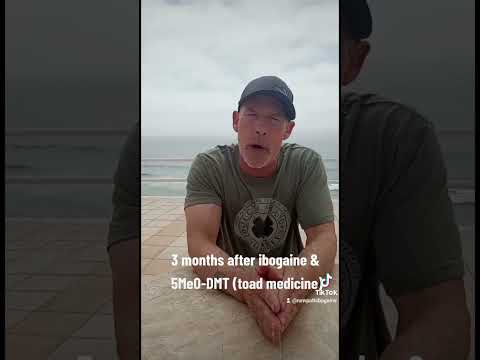
The landscape of addiction recovery is filled with incredible transformations originating from specialized centers south of the border. Patients who had lost jobs, families, and their health to relentless crack and cocaine spirals frequently describe this intervention as their absolute last hope. One common theme among success stories is the sudden and overwhelming sense of forgiveness they experience during the visionary phase of the treatment.
Consider the story of a former executive who spent a decade trapped in a severe stimulant cycle. Despite multiple high end inpatient rehab stints, the psychological triggers always pulled him back. Upon receiving treatment at an established facility, he reported watching a vivid, cinematic review of his life. He was able to confront the deep seated childhood neglect that fueled his need for escapism. Following the session, he stated the desire to use drugs had been entirely scrubbed from his brain, allowing him to maintain continuous sobriety for years.
Another powerful narrative involves a young mother whose crack dependency led to the loss of custody of her children. The intense physical cravings made standard recovery impossible for her. During her clinical stay, the medicine not only halted her physical withdrawals instantly but also provided her with a profound sense of maternal purpose and self worth. Today, she attributes her successful family reunification and thriving lifestyle directly to the neurobiological reset she received during her journey.
The indigenous Bwiti tribes of Central Africa have used the root bark of the Tabernanthe iboga plant for centuries in their spiritual coming of age rites. Modern medical science has only recently harnessed these ancient alkaloids specifically for complex addiction interruption.
What safety protocols are followed at an ibogaine therapy clinic in Mexico?
Reputable clinics mandate extensive pre screening including electrocardiograms and liver panels, and provide continuous cardiac monitoring during the entire administration phase.
Choosing to participate in medical tourism in Mexico requires stringent attention to safety, especially when dealing with powerful psychoactive substances. High quality centers do not cut corners when it comes to medical oversight. Because the medicine temporarily affects heart rhythms by prolonging the QT interval, comprehensive cardiovascular screening is non negotiable. Patients undergo rigorous blood tests, metabolic panels, and stress tests before being approved for treatment.
During the actual administration of the flood dose, patient safety is the singular focus. You can expect the following strict protocols at any certified institution:
- Continuous ECG Monitoring: Medical staff watch your heart rate and rhythm constantly via advanced telemetry equipment.
- On Site Medical Doctors: A licensed physician specializing in emergency medicine or cardiology is present throughout the peak experience.
- ACLS Certified Nurses: Staff members are fully trained in Advanced Cardiovascular Life Support to handle any unforeseen physiological stress.
- Emergency Equipment Access: Crash carts, defibrillators, and emergency oxygen are kept directly in the treatment room.
- Strict Hydration Protocols: Intravenous fluids and essential electrolytes are administered to maintain physical equilibrium during the physically taxing journey.
How long does an ibogaine treatment program for stimulant addiction take?
A complete clinical protocol generally spans seven to fourteen days to allow for medical clearance, the active treatment phase, and vital psychological integration.
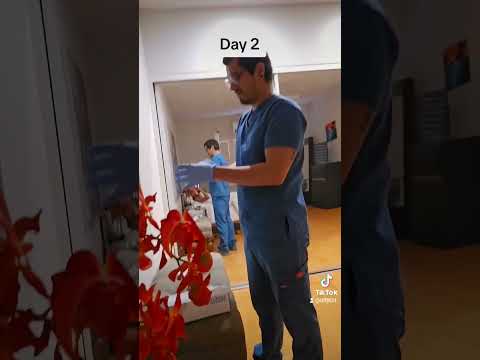
The timeline for a successful intervention is carefully orchestrated to maximize both safety and psychological healing. Patients cannot simply arrive, take the medicine, and leave the next day. The first two to three days are dedicated entirely to acclimatization and medical stabilization. During this period, doctors conduct final lab tests, ensure all stimulants have cleared the system to avoid dangerous interactions, and prepare the patient mentally for the profound experience ahead.
The core treatment day involves administering the flood dose, which induces a visionary state lasting anywhere from twelve to twenty four hours. Following this intense peak, there is a distinct gray day where patients feel physically exhausted, introspective, and highly sensitive to external stimuli. Sleep is often difficult during this immediate post treatment window, making continuous nursing support incredibly important.
The remaining days of the program are purely focused on grounding and integration. The brain is highly malleable during this post treatment glow phase. Therapists work closely with the patient to unpack the visions they experienced, translating symbolic dreams into actionable life changes. Engaging in light yoga, nutritional rebuilding, and nature walks helps solidify the neurological reset before the patient makes their transition back to their daily environment.
Why is medical tourism in Mexico popular for alternative addiction treatments?
Mexico offers legal, medically supervised access to psychedelic therapies that remain restricted elsewhere, combining affordability with exceptionally high clinical standards.
The rise of alternative therapies has completely transformed the landscape of recovery options. Because specific healing alkaloids remain classified as Schedule I substances in countries like the United States, individuals seeking this life saving intervention naturally look across the border. The legal framework in this region allows brilliant medical professionals to research and administer these treatments openly, without fear of legal reprisal, fostering an environment of innovation and clinical excellence.
Furthermore, the geographical proximity makes it highly accessible for North American patients. A short flight to coastal medical hubs offers a discreet and serene environment conducive to deep healing. Centers operate in pristine, resort like facilities that feel worlds away from sterile hospital environments, allowing the nervous system to relax completely before undertaking the strenuous work of psychological repair.
Cost efficiency is another major driving factor. Patients can access a team of specialized doctors, psychotherapists, and holistic healers for a fraction of what standard inpatient care costs in their home countries. This democratization of premium healthcare ensures that transformative addiction interruption is available to a broader demographic, firmly establishing the region as a global capital for psychedelic healing.
What happens during the psychological integration phase after ibogaine administration?
Integration involves working with trained therapists to process the profound visions experienced during treatment and developing concrete relapse prevention strategies.
Taking the medicine is only the first half of the recovery equation. The true lasting success of the therapy relies heavily on what happens in the days and weeks following the flood dose. The visionary phase often presents patients with complex, highly symbolic narratives regarding their past behavior, deeply buried traumas, and personal relationships. Without proper guidance, these insights can fade like a dream. Integration coaching ensures these revelations are captured and utilized.
During specialized therapy sessions, facilitators help patients decode their experiences. A vision of feeling trapped in a dark maze, for instance, might be analyzed to understand how the patient self sabotages in stressful situations. This process transforms abstract psychedelic experiences into practical emotional intelligence.
Key components of the integration phase typically include:
- Cognitive Behavioral Restructuring: Identifying and replacing toxic thought patterns that previously led to stimulant use.
- Somatic Experiencing: Releasing residual physical trauma stored in the nervous system through guided physical therapies.
- Mindfulness Training: Teaching patients how to observe stress triggers without reacting impulsively.
- Lifestyle Design: Creating structured daily routines that support sobriety, including nutrition and exercise planning.
- Ongoing Virtual Support: Establishing regular online check ins with the clinical team after returning home to prevent isolation.
Can ibogaine therapy address the underlying trauma linked to cocaine abuse?
Ibogaine acts as a potent psycho spiritual catalyst, allowing patients to view past traumas objectively and process them without feeling overwhelming emotional pain.
Stimulant addiction is rarely an isolated disorder; it is almost always a coping mechanism for unresolved emotional pain, childhood trauma, or severe chronic stress. Traditional therapies often require individuals to talk through traumatic events, which can be highly triggering and sometimes re traumatizing. The plant medicine bypasses the ego defense mechanisms entirely, providing direct access to the subconscious mind where these traumas are stored.
Patients frequently describe their time under the influence of the medicine as sitting in a movie theater watching the events of their own life play out on screen. However, a unique pharmacological effect occurs: the emotional charge normally associated with those traumatic memories is completely neutralized. A patient can witness a deeply painful childhood memory, understand how it shaped their dependency on crack or cocaine, but feel a profound sense of peace and detachment while doing so.
This emotional distancing allows for rapid processing and forgiveness. Patients report forgiving their abusers, forgiving circumstances, and most importantly, forgiving themselves for the damage their addiction caused. By excising the root pain that fueled the need for chemical escape, the compulsion to use stimulants is eradicated at its very source.
Why Choose PlacidWay for booking your addiction treatment program?
PlacidWay connects patients with fully vetted, accredited treatment centers globally, ensuring safety, transparency, and comprehensive care coordination for vulnerable individuals.
Finding a trustworthy facility for specialized addiction intervention can be incredibly overwhelming, particularly when dealing with unregulated treatments internationally. Making the wrong choice can compromise patient safety and recovery outcomes. PlacidWay removes the uncertainty from this process by serving as an independent quality assurance advocate for patients seeking alternative healing paths. Here is why discerning individuals rely on our expertise:
- Rigorous Clinic Vetting Process: We meticulously audit every partner facility to verify that they maintain emergency medical equipment, employ licensed doctors, and adhere to strict international clinical safety standards.
- Complete Pricing Transparency: You receive clear, upfront cost breakdowns for all programs without any hidden fees, allowing you to budget effectively for your entire healing journey.
- Access to Certified Specialists: We ensure you are matched only with seasoned medical professionals who have extensive experience specifically in administering potent psychoactive interventions for severe stimulant dependency.
- Comprehensive Medical Pre Screening: Our team facilitates the essential exchange of your preliminary blood work and cardiac reports directly with the clinical directors to ensure you are definitively physically qualified for treatment.
- Dedicated Patient Support Coordination: From your initial nervous inquiry to your discharge and post treatment check in, our compassionate coordinators provide continuous guidance and advocacy.
Frequently Asked Questions
Is ibogaine legal for treating addiction in Mexico?
Yes, ibogaine is unregulated and legally administered in Mexico when performed by licensed medical professionals in certified clinical settings. This supportive legal framework allows for comprehensive medical supervision during the intense therapeutic process, ensuring patient safety while offering a powerful alternative to traditional rehabilitation methods.
Will ibogaine work if I have a dual diagnosis of depression and cocaine use?
Many patients with dual diagnosis report significant improvements in both their addiction and depression symptoms following treatment. Ibogaine naturally upregulates serotonin and dopamine production in the brain, which helps stabilize mood while simultaneously eliminating the physical cravings associated with severe stimulant dependency.
How soon after using cocaine can I safely take ibogaine?
Medical protocols strictly require patients to abstain from short acting stimulants like cocaine or crack for at least three to five days prior to receiving a flood dose. This abstinence period prevents dangerous cardiac interactions between the residual stimulant in your system and the iboga alkaloid.
What is the difference between an ibogaine flood dose and microdosing?
A flood dose is a large, medically calculated administration designed to induce a deep psycho spiritual journey and completely reset neural pathways for immediate addiction interruption. Microdosing involves taking sub perceptual amounts over a longer period to gently support mood and reduce mild cravings without inducing any visionary effects.
Are the visions experienced during ibogaine treatment scary?
The visionary state is often described as an objective, waking dream where you review past memories and traumas. While reviewing difficult memories can be emotionally intense, patients generally report feeling detached from the emotional pain, allowing them to process deeply rooted psychological issues without feeling overwhelmed or terrified.
What medical conditions disqualify someone from receiving ibogaine?
Individuals with severe heart conditions, prolonged QT intervals, liver failure, or certain psychiatric disorders like active schizophrenia are generally disqualified from treatment. Comprehensive clinical screening, including blood work and electrocardiograms, is absolutely mandatory to ensure your body can safely handle the physiological stress of the therapy.
How does ibogaine compare to traditional twelve step rehab programs?
Traditional rehab requires months of daily effort to slowly manage cravings and change behavioral patterns through group therapy. Ibogaine provides a rapid neurological reset that eliminates physical cravings within twenty four hours, offering a profound head start, though patients are still highly encouraged to pursue ongoing psychological support afterward.
Is there a risk of becoming addicted to ibogaine itself?
There is virtually zero risk of becoming addicted to this plant medicine. The experience is physically exhausting, highly introspective, and neurologically regulating rather than euphoric, meaning it does not trigger the brain reward centers in a way that leads to compulsive redosing or substance dependency.
What kind of aftercare is recommended following an ibogaine retreat?
Effective aftercare is crucial and typically involves cognitive behavioral therapy, integration coaching, regular exercise, and holistic wellness practices. Because the medicine provides a window of neuroplasticity, engaging in structured therapy helps solidify new healthy habits and prevents relapse when returning to daily life triggers.
Can family members accompany patients to a Mexican ibogaine center?
Many luxury facilities accommodate family members in separate quarters to provide moral support before and after the active treatment phase. However, during the actual administration and immediate recovery days, patients require total isolation and quiet, meaning family interactions are restricted until medical clearance is granted.
Start Your Journey To Lasting Sobriety Today
* Patient confidentiality strictly guaranteed. Responses typically within twenty four hours.





.png)
.png)
.png)
.png)

.jpg)
.jpg)
.jpg)
.jpg)










Share this listing