


Full Mouth Restoration Procedures and Long Term Outcomes in Mexico
Full mouth restoration in Mexico is highly safe and effective, with success rates of 95-98% at accredited clinics. By utilizing advanced 3D imaging and FDA-approved materials, Mexican specialists provide world-class dental care at costs ranging from $8,000 to $25,000, representing a 50-70% savings compared to US prices.
.png)
Key Takeaways: Full Mouth Restoration Guide
- Exceptional Savings: Patients typically save $20,000 to $40,000 on complex restorative procedures compared to US clinics.
- High-End Technology: Access to CAD/CAM, 3D Cone Beam CT scans, and digital smile design is standard in top Mexican hubs.
- Expert Training: Many Mexican dentists hold certifications from US universities or international dental associations.
- Convenient Access: Major dental hubs are located right at the US-Mexico border or in popular vacation destinations like Cancun.
- Comprehensive Timelines: Most restorations are completed in two separate trips over a 4 to 6-month period to ensure proper healing.
What is the actual full mouth restoration cost in Mexico compared to the US?
The cost for a full mouth restoration in Mexico generally ranges from $8,000 to $25,000, whereas the same procedure in the United States often exceeds $50,000 to $80,000.
The primary driver for medical tourism in Mexico is the significant price disparity without a sacrifice in quality. In the United States, a single dental implant with a crown can cost upwards of $4,000. In a full mouth restoration clinic in Mexico, that same implant—using the exact same Swiss or American titanium hardware—costs approximately $1,200 to $1,500.
These savings are not due to inferior materials but are the result of lower overhead costs for the clinic. Rent, labor, insurance, and the cost of living are substantially lower in Mexico. Furthermore, many Mexican dentists graduate without the hundreds of thousands of dollars in student debt that plague US practitioners, allowing them to offer more competitive pricing to international patients.
| Procedure | Average US Cost | Average Mexico Cost |
|---|---|---|
| All-on-4 (Per Arch) | $25,000 - $35,000 | $8,500 - $12,000 |
| Full Zirconia Bridge | $15,000 - $20,000 | $4,500 - $7,000 |
| Bone Grafting (Complex) | $2,500 - $4,000 | $600 - $1,200 |
How can I verify the safety of a full mouth restoration clinic in Mexico?
Safety is verified through clinic accreditation (COFEPRIS), surgeon credentials (ADM), and the use of internationally recognized dental technology and sterilization protocols.
When seeking a full mouth restoration in Mexico, the "bargain hunt" should never supersede safety checks. Top-tier clinics are regulated by COFEPRIS (the Mexican equivalent of the FDA) and many pursue voluntary international accreditations like the American Dental Association (ADA) affiliate membership or GCR (Global Clinic Rating). These clinics follow the same OSHA-standard sterilization procedures used in the US, including autoclave sterilization and the use of disposable barriers.
Furthermore, digital dentistry has revolutionized safety. By using 3D CT scans, a full mouth restoration in Mexico is planned with surgical guides that prevent nerve damage and ensure optimal implant placement. This technology-driven approach minimizes human error and significantly reduces the risk of post-operative complications or implant failure.
Many dental specialists in Mexico travel to the US or Europe annually for continuing education. It is quite common for a lead implantologist in Cancun or Tijuana to have trained at the Loma Linda University or the Las Vegas Institute for Advanced Dental Studies.
Is the "All-on-4" procedure the best option for full mouth restoration in Mexico?
All-on-4 is the most popular restorative method in Mexico for patients with significant tooth loss, as it provides a permanent, non-removable solution using only four implants per arch.
For many patients, a full mouth restoration in Mexico involves the All-on-4 technique. This method is specifically designed for those who are missing most or all of their teeth or are facing imminent tooth loss due to periodontal disease. It involves placing four titanium implants at strategic angles to maximize support from existing bone, often eliminating the need for expensive and time-consuming bone grafts.
This procedure is a cornerstone of medical tourism in Mexico because it is highly efficient. In a single surgical session, a temporary set of teeth can be fixed to the implants, allowing the patient to leave the clinic with a functional smile. After a healing period of 4 to 6 months, the patient returns to the full mouth restoration clinic in Mexico to receive their final, permanent zirconia or porcelain bridge.
What is the typical timeline for a full mouth restoration in Mexico?
The process usually requires two distinct trips: one for the initial surgery and temporary teeth (7-10 days), and a second trip for the final restoration (7-10 days) roughly 6 months later.
Patience is key to a successful full mouth restoration in Mexico. While "teeth in a day" marketing is common, the biological process of osseointegration (bone fusing to the implant) cannot be rushed. During the first trip, the dentist performs extractions, places the implants, and fits a temporary bridge. This temporary bridge is vital as it allows the gums to heal and the bone to stabilize without putting excessive pressure on the new implants.
The second trip is where the "artistry" happens. The dentist takes final impressions of the healed gums to create a permanent restoration that fits perfectly. Because the patient is in Mexico for a week or more, the lab can make multiple adjustments to the bite and aesthetics, ensuring the final result of the medical tourism in Mexico experience is both comfortable and beautiful.
Which city is best for a full mouth restoration in Mexico?
Los Algodones is ideal for those seeking proximity to the US border, while Cancun and Playa del Carmen are preferred by those who wish to combine dental work with a luxury vacation.
Medical tourism in Mexico is concentrated in a few key areas. Los Algodones, known as "Molar City," has the highest concentration of dentists per square mile in the world. It is located just across the border from Yuma, Arizona, making it incredibly accessible for West Coast residents who can even walk across the border for their appointments. It is specifically set up for a full mouth restoration clinic in Mexico environment.
For those on the East Coast or those wanting a true vacation, Cancun offers world-class dental centers within minutes of luxury resorts. These clinics often provide concierge services, including airport pickup and hotel-to-clinic transportation. Choosing between a border town and a resort destination depends on your budget, travel preferences, and the complexity of your full mouth restoration in Mexico.
Will the materials used for full mouth restoration in Mexico last?
Yes, when high-quality materials like Zirconia or Porcelain-Fused-to-Metal are used alongside titanium implants, a full mouth restoration can last 15 to 25 years or more.
The longevity of your full mouth restoration in Mexico depends on the materials chosen. Zirconia is currently the gold standard for full-arch bridges because it is virtually indestructible and resists staining better than acrylic or porcelain. Most top clinics in Mexico use Prettau Zirconia or similar high-end brands. These materials are biocompatible and provide a translucency that mimics natural teeth.
Furthermore, the titanium implants used are the same grade as those used in orthopedic surgeries. By choosing a full mouth restoration clinic in Mexico that provides a written guarantee on their work, you can be confident that the materials are genuine. Always ask for the serial numbers of the implants placed; this "implant passport" ensures that if you ever need maintenance back in the US, any dentist can identify the hardware used.
"The most common cause of failure in full mouth restorations is not the country where it was done, but poor oral hygiene or untreated bruxism (teeth grinding). Patients must commit to using a water flosser and wearing a nightguard to protect their investment, whether it was done in Mexico or Manhattan."
How is recovery managed during medical tourism in Mexico?
Recovery is managed through a combination of pain management, anti-inflammatory medications, and a strict soft-food diet during the initial healing phase in Mexico.
After your surgery at a full mouth restoration clinic in Mexico, you will likely experience swelling and minor discomfort for 3 to 5 days. Clinics provide comprehensive post-operative kits that include antibiotics to prevent infection and high-strength analgesics. Many medical tourists find the recovery period quite manageable, often spending their days relaxing by the hotel pool or exploring low-impact local attractions.
A crucial part of recovery for full mouth restoration in Mexico is the diet. For the first few months, you must avoid hard, crunchy, or sticky foods while the implants are fusing with the bone. Your dentist will provide a specific list of "safe" foods. Most patients find that they can return to a normal diet once their final permanent bridge is placed during their second visit.
Why Choose PlacidWay for full mouth restoration in Mexico?
PlacidWay provides an essential layer of security by vetting clinics, ensuring price transparency, and offering dedicated support to patients navigating the Mexican dental system.
Booking a major medical procedure in a foreign country requires trust. PlacidWay serves as your advocate, ensuring that your medical tourism in Mexico experience is smooth and successful. Here is why patients choose our platform:
- Rigorous Clinic Vetting: We only partner with full mouth restoration clinics in Mexico that meet high international standards, checking everything from surgeon licenses to the technology available in-house.
- Pre-Negotiated Pricing: Through PlacidWay, you get access to all-inclusive packages that prevent "hidden fees" and ensure you receive the same rates as locals or even better promotional dental tourism rates.
- Direct Communication: We facilitate video consultations with Mexican dental specialists before you ever book a flight, allowing you to ask questions and build rapport with your doctor.
- Patient Advocacy: If any issues arise during your treatment, PlacidWay's team is here to assist in communication and resolution, providing peace of mind that you are not on your own.
- Transparent Reviews: Access a database of verified patient testimonials and "before and after" photos to see the real results other medical tourists have achieved in Mexico.
Frequently Asked Questions About Full Mouth Restoration in Mexico
Is full mouth restoration in Tijuana safe?
Tijuana is a premier destination for dental tourism and is very safe for medical travelers. The clinics located in the "Zona Rio" or near the San Ysidro border crossing are high-end facilities with significant security and cater specifically to American and Canadian patients.
Can I use my US dental insurance in Mexico?
While Mexican clinics cannot directly bill US insurance companies, many are "out-of-network" providers. They will provide all necessary itemized receipts, ADA codes, and X-rays required for you to file a claim for reimbursement once you return home.
What is the difference between All-on-4 and All-on-6?
All-on-6 uses six implants instead of four to provide additional stability and distribute biting forces more evenly. It is often recommended for patients with larger jawbones or higher bone density who want the most robust restoration possible.
Do I need bone grafting for dental implants in Mexico?
Not everyone needs bone grafting. If you have been missing teeth for a long time, your bone may have thinned. A 3D CT scan during your first appointment in Mexico will determine if grafting or a sinus lift is necessary to ensure the implants have a solid foundation.
Are there any hidden costs for dental work in Mexico?
Reputable clinics provide a clear quote. However, patients should budget for medications (approx. $50), potentially a nightguard ($150), and travel expenses. At PlacidWay, we help ensure your initial quote covers the surgery, implants, and temporary prosthetics.
How do I eat during the 6-month healing period?
You will wear a temporary bridge that is fixed to your implants. You can eat most foods, but you must avoid very hard or crunchy items (like nuts or ice) to prevent the temporary bridge from breaking or putting too much stress on the healing implants.
What happens if I have a dental emergency in Mexico?
Top clinics provide an emergency contact number and will see you immediately if you experience unexpected pain or a prosthetic issue. Most dental tourism hubs are very efficient at handling walk-in emergencies for their international patients.
Will my new teeth look natural?
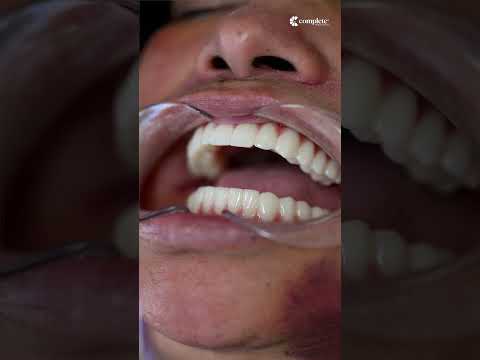
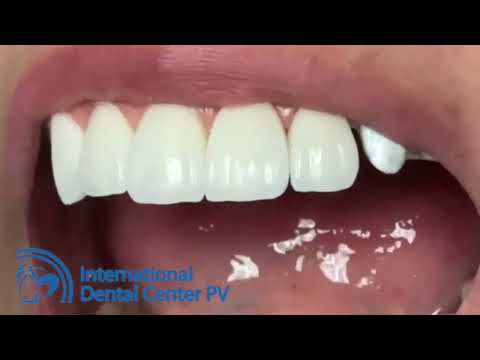
Yes. Modern Mexican dental labs use digital shade matching and high-quality zirconia. You can choose the exact "whiteness" and shape of your new teeth. Many patients find their restored smile looks better than their natural teeth ever did.
Is sedation available for dental surgery in Mexico?
Yes, clinics offer local anesthesia, IV sedation (twilight sleep), and in some cases, general anesthesia. IV sedation is highly recommended for full mouth restorations to ensure the patient is comfortable and relaxed during the long procedure.
Can I travel alone for a full mouth restoration in Mexico?
Many patients do travel alone, especially to border towns. However, if you are undergoing IV sedation, you will need someone to escort you back to your hotel after the surgery. Many clinics can arrange a medical escort or assistant if you are traveling solo.
Restore Your Smile and Confidence in Mexico
* Expert dental consultations available. Responses within 24 hours.
.png)















Share this listing