
Affordable Rheumatoid Arthritis Care in Tijuana for Canadian Patients
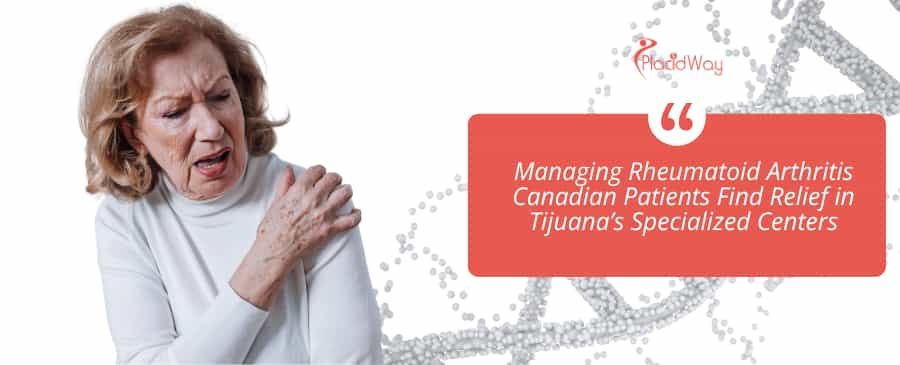
Rheumatoid Arthritis treatment in Tijuana costs between $3,500 and $8,000 for Canadians, saving up to 60%. Specialized clinics offer advanced therapies like stem cell treatments and biologics with minimal wait times compared to Canada.
Key Takeaways for Canadian Patients
- Bypass Healthcare Delays: Skip the long waitlists typical of the Canadian healthcare system.
- Advanced Therapies: Gain access to progressive regenerative medicine options unavailable at home.
- Significant Savings: Experience premium healthcare at a fraction of North American private clinic prices.
- Comprehensive Care: Benefit from holistic programs combining modern science with lifestyle optimization.
Why are Canadian patients choosing cross-border healthcare for autoimmune management?
Canadian patients cross the border to bypass extensive specialist waitlists and to access innovative regenerative medicine protocols not widely funded in their home provinces.
- Immediate access to board-certified rheumatologists without referral delays.
- Availability of next-generation cellular therapies that target joint inflammation directly.
- Highly personalized care plans tailored to individual autoimmune profiles.
- Medical teams fluent in English ensuring crystal clear patient communication.
- Warm climate environments that naturally help soothe chronic joint stiffness.
What is the Rheumatoid Arthritis treatment cost in Tijuana compared to private Canadian clinics?
The Rheumatoid Arthritis treatment cost in Tijuana ranges from $3,500 to $8,000 USD, offering significant financial relief for Canadians seeking specialized private healthcare.
Navigating the financial aspect of chronic illness is incredibly stressful for patients. In Canada, while basic doctor visits are covered, advanced alternative therapies, out-of-province private specialist fees, and innovative biological treatments often fall entirely on the patient. These private costs can easily exceed twenty thousand dollars annually, putting immense strain on families seeking relief from debilitating pain.
By looking south, patients find an entirely different financial landscape. The pricing structures at specialized border centers are highly competitive due to lower overhead costs and different regulatory environments regarding pharmaceutical pricing. A comprehensive package in Mexico usually covers all specialist consultations, specialized blood panels, intravenous therapies, and follow-up monitoring for a single bundled price.
This transparent pricing model is a massive relief for international patients. Instead of receiving staggered bills for every individual scan or consultation, patients pay a predictable flat rate. This enables Canadians to budget accurately for their healthcare journey, allowing them to focus their mental energy entirely on healing and recovering their mobility.
What advanced therapies are available at a Rheumatoid Arthritis clinic in Tijuana?
A specialized Rheumatoid Arthritis clinic in Tijuana offers a comprehensive suite of modern regenerative options designed to modulate the immune system and repair tissues.
- Mesenchymal Stem Cell (MSC) therapy to reduce systemic inflammation.
- Exosome therapy to enhance cellular communication and tissue repair.
- Platelet-Rich Plasma (PRP) injections for localized joint pain relief.
- Intravenous vitamin and mineral infusions to boost overall immune health.
- Ozone therapy designed to improve blood oxygenation and reduce joint swelling.
- Functional medicine consultations targeting gut health and autoimmune triggers.
Is medical tourism in Tijuana safe for Canadians seeking autoimmune treatments?
Engaging in medical tourism in Tijuana is highly safe when patients select properly accredited facilities that adhere strictly to international medical protocols.
Safety is understandably the primary concern for any individual crossing international borders for healthcare. The landscape of medical care in border cities has evolved dramatically over the past decade. Today, the leading centers operate under stringent clinical guidelines that rival top hospitals in Toronto or Vancouver. They utilize state-of-the-art sanitization equipment and employ highly trained medical staff.
Furthermore, these top-tier institutions rely entirely on their reputation among international patients. They invest heavily in creating secure, private, and comfortable environments. Patient care coordinators often meet travelers directly at the San Diego airport, ushering them safely across the border in private medical shuttles. This completely removes the stress of navigating a foreign city alone.
Clinically, safety is maintained through rigorous pre-screening. Doctors do not accept every patient who applies. They require extensive medical histories and recent lab work to ensure the patient is a viable candidate for regenerative therapy. If a patient presents risk factors that make treatment unsafe, ethical facilities will decline the procedure, proving their commitment to patient wellbeing over profit.
How do regenerative therapies for joint degradation work in these medical centers?
Regenerative treatments work by modulating the overactive immune system and delivering powerful anti-inflammatory agents directly to damaged joint tissues to promote healing.
The core philosophy of regenerative medicine is shifting the body from a state of chronic degradation to a state of active repair. In autoimmune conditions, the body mistakenly attacks its own synovial tissues, causing severe pain and structural damage. Traditional medications often suppress the entire immune system, leaving patients vulnerable to infections. Regenerative approaches aim for immunomodulation rather than total suppression.
When biological agents like mesenchymal cells are introduced into the bloodstream or injected directly into a joint, they act like biological managers. They secrete specific proteins and growth factors that calm the aggressive immune response. By signaling the body to halt the autoimmune attack, these therapies drastically reduce systemic inflammation, which is the root cause of chronic pain.
Simultaneously, these therapies encourage the regeneration of damaged cartilage and tissue. While they cannot reverse severe bone deformities, they can significantly improve joint lubrication and tissue health. Patients often experience increased range of motion and a profound reduction in morning stiffness, allowing them to return to activities they had previously abandoned.
What diagnostic tests are required before starting your customized joint protocol?
Patients must provide comprehensive medical data including inflammatory markers and imaging so specialists can tailor a precise and safe treatment protocol prior to arrival.
- Complete Blood Count (CBC) to check overall immune health and pinpoint anemia.
- Erythrocyte Sedimentation Rate (ESR) to measure systemic inflammation levels.
- Rheumatoid Factor (RF) and Anti-CCP tests to confirm autoimmune severity.
- Recent X-rays or MRI scans of the most severely affected joints.
- Comprehensive metabolic panel assessing liver and kidney function for medication safety.
- Detailed notes from your current Canadian rheumatologist regarding failed medications.
How long should a Canadian patient plan to stay in the city for intensive therapy?
Most customized arthritis programs require patients to stay for five to ten days to complete all medical evaluations, targeted infusions, and crucial post-treatment monitoring.
Planning the logistics of medical travel requires understanding the treatment timeline. Unlike simple cosmetic procedures, autoimmune management is a multi-step process. The first day is usually dedicated entirely to in-person consultations, physical examinations, and running fresh laboratory tests to ensure your biological markers match your pre-submitted records. This thoroughness is vital for safety.
The core treatments are typically administered over the following two to four days. This might involve a schedule of intravenous drips, localized joint injections, and supporting therapies like hyperbaric oxygen sessions. Spacing out these treatments ensures the body is not overwhelmed and can appropriately absorb the regenerative agents being introduced into the system.
The final days of the stay are reserved for observation and nutritional counseling. Doctors will monitor the patient for any immediate adverse reactions, which are exceedingly rare but require diligence. During this time, patients also receive comprehensive dietary and lifestyle guidelines to implement upon returning to Canada, maximizing the longevity of their treatment results.
Can patients continue their current Canadian prescriptions while undergoing alternative care?
Yes, patients are advised to maintain their prescribed medications initially, gradually adjusting dosages only under strict medical supervision as their systemic inflammation decreases.
One of the biggest misconceptions regarding regenerative medicine is that patients must immediately stop all their conventional medications. Doing so is highly dangerous and can trigger massive disease flares. Medical professionals at reputable cross-border clinics insist that patients arrive fully compliant with their current Canadian rheumatology prescriptions, whether they are taking biologics or traditional DMARDs.
The therapies provided are designed to work synergistically with your current medications, not as an immediate replacement. As the cellular therapies begin to modulate the immune system and naturally lower inflammation levels, patients often find their pain naturally subsiding. This gradual improvement is closely monitored through follow-up consultations via telehealth once the patient is back home.
Only after clinical evidence shows sustained improvement in blood markers and physical symptoms will doctors suggest tapering conventional drugs. This tapering process is heavily coordinated between the international specialists and the patient's primary physician in Canada, ensuring a safe, calculated transition toward a lower medication burden.
Why Choose PlacidWay for your Rheumatoid Arthritis treatment in Tijuana?
PlacidWay acts as a vital bridge, connecting Canadian patients with elite, certified medical centers in Mexico to ensure a secure, transparent, and highly coordinated healthcare journey.
- Rigorous vetting process to ensure clinics meet international standards for autoimmune care.
- Complete transparency in pricing structures, eliminating hidden clinical fees.
- Dedicated patient advocates who facilitate seamless communication with foreign medical teams.
- Unrestricted access to verified patient testimonials and comprehensive doctor credentials.
- Efficient coordination of pre-consultation telehealth meetings with board-certified specialists.
Frequently Asked Questions About Medical Care in Mexico
Do Canadian citizens need a special medical visa for treatments in Mexico?
No, Canadian citizens do not need a special medical visa to enter Mexico for short-term medical treatments. You can enter as a tourist for up to 180 days, which is more than enough time to complete an intensive arthritis management program.
Will Canadian provincial health insurance cover my autoimmune therapies in Mexico?
Provincial healthcare systems like OHIP or MSP do not typically cover elective medical procedures or experimental therapies performed outside of Canada. Patients should expect to pay out of pocket, though the lower costs in Mexico make this highly accessible.
How quickly can I see improvements after receiving regenerative therapies?
While results vary per patient, many individuals report reduced joint stiffness and less pain within three to six weeks following their infusion sessions. Optimal regenerative healing usually unfolds over three to six months as cellular repair progresses.
Are Mexican medical facilities strictly regulated for patient safety?
Yes, reputable medical facilities catering to international patients are heavily regulated by the Mexican Ministry of Health. Many top-tier facilities also hold international accreditations ensuring they meet or exceed North American clinical standards.
What happens if I experience a flare-up after I return to Canada?
Top specialized centers provide post-treatment follow-up care via telehealth consultations. They will collaborate with your local Canadian rheumatologist to manage flare-ups and adjust your maintenance medication protocols safely.
Is crossing the San Diego border into Mexico safe for medical patients?
Crossing the border is very safe and routine for medical tourists. Millions of people cross the San Ysidro border annually. Medical patients often use dedicated medical lanes for faster re-entry into the United States before flying back to Canada.
Do doctors at these specialized Mexican centers speak fluent English?
Yes, physicians and head nurses at facilities focusing on international patients are highly proficient in English. Many of these specialists have completed fellowships or supplementary medical training in the United States or Canada.
What dietary changes are recommended during my stay for joint therapy?
Medical teams usually prescribe a strict anti-inflammatory diet during your stay. This involves eliminating processed sugars, gluten, and dairy, while focusing on nutrient-dense whole foods that support the regenerative healing process in your joints.
Can I bring a family member with me to my clinical appointments?
Absolutely. Medical centers highly encourage patients to bring a companion for emotional and physical support. Most private recovery suites are designed to comfortably accommodate both the patient and their designated travel companion.
How should I transport my medical records from my Canadian doctor?
You should request digital copies of your latest blood work, MRI scans, and rheumatology notes from your Canadian provider. These can be securely emailed to your Mexican medical team weeks before your scheduled arrival for comprehensive pre-planning.
Take Control of Your Joint Health Today
* Secure process. Responses typically within 24 hours.




.png)
.png)
.png)
.png)



.jpg)
.jpg)
.jpg)








Share this listing