


Stem Cell Therapy in Japan
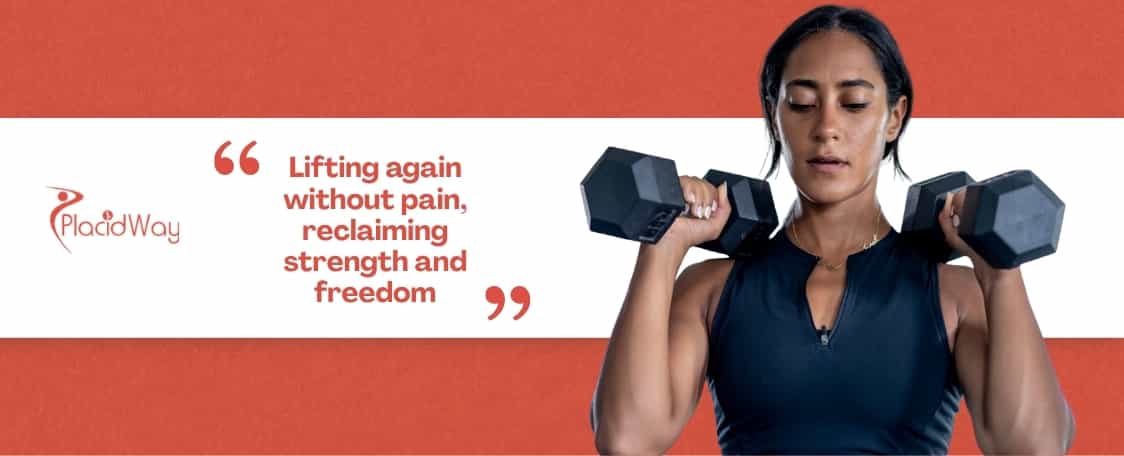
Yes, stem cell therapy in Japan is highly effective for healing rotator cuff tears and shoulder pain without surgery. Advanced regenerative medicine repairs damaged tissues, reduces inflammation, and restores mobility with excellent success rates.
Key Takeaways: Shoulder Joint Regeneration
- Non Surgical Healing: Heals partial rotator cuff tears naturally without invasive surgical incisions.
- Strict Safety Laws: Japanese clinics operate under the highly regulated Act on the Safety of Regenerative Medicine.
- Advanced Technology: Uses high quality cell culturing facilities to multiply healthy cells before reinjection.
- Pain Reduction: Significantly lowers chronic joint inflammation and restores normal shoulder mobility.
- Cost Value: Offers premium cellular processing at competitive prices compared to Western nations.
How does stem cell therapy in Japan heal rotator cuff tears without surgery?
The procedure utilizes your bodys own biological building blocks to mend damaged tendons. By injecting concentrated regenerative cells directly into the tear doctors stimulate natural tissue repair.
When a patient suffers from a rotator cuff injury the tendons connecting the shoulder muscles to the bone become frayed or torn. Because tendons have a naturally poor blood supply they struggle to heal on their own resulting in chronic pain. Stem cell therapy in Japan addresses this exact problem by introducing a massive concentration of healing cells directly into the damaged area creating a localized healing environment that the body could never produce naturally.
These specialized cells known as mesenchymal stem cells have a unique dual action mechanism. First they release powerful anti inflammatory proteins that immediately begin to reduce the swelling and pain inside the shoulder joint capsule. This provides the patient with rapid relief from chronic discomfort. Second they act as cellular directors releasing growth factors that signal the bodys local cells to start rebuilding the torn tendon fibers.
Over a period of several weeks and months the injected cells help organize new collagen production. This new collagen bridges the gap in the torn rotator cuff restoring structural integrity to the shoulder. Because the entire process relies on targeted biological regeneration it completely bypasses the need for surgical cutting drilling into the bone or lengthy painful post operative rehabilitation periods.
What makes a stem cell clinic in Japan superior for shoulder joint regeneration?
Japanese facilities are globally recognized for their impeccable laboratory standards and strict government oversight. They utilize cutting edge cell expansion techniques that yield incredibly high cell counts.
The primary advantage of choosing a medical facility in this nation is the rigorous legal framework governing regenerative medicine. Unlike many countries where cellular treatments are loosely regulated the Japanese government enacted specific comprehensive laws to ensure patient safety and treatment efficacy. Any clinic offering these procedures must pass stringent inspections and hold specific licenses proving their laboratory environments are sterile and advanced. When seeking the most effective regenerative care many international patients look towards advanced stem cell treatments at Cell Grand Clinic in Osaka, Japan which exemplifies the high standards expected in this medical sector.
Furthermore a premier stem cell clinic in Japan does not simply extract and immediately reinject cells. They utilize sophisticated culture laboratories to multiply the extracted cells over several weeks. A patient might start with a few million cells from a small fat sample but through expert culturing Japanese scientists can multiply this number into the tens of millions. This massive cell count drastically increases the therapeutic power of the final shoulder injection.
Finally the precise administration of the treatment sets these clinics apart. Japanese orthopedic specialists employ high resolution ultrasound guidance during the injection process. This ensures that the highly valuable cultured cells are placed exactly into the microscopic tears of the rotator cuff tendon rather than blindly injected into the general shoulder area maximizing the potential for complete tissue regeneration.
Japan is the birthplace of induced pluripotent stem cell technology which won the Nobel Prize in Medicine. This deep national focus on cellular biology translates directly into the high quality of clinical care provided for orthopedic joint regeneration today.
What is the average stem cell therapy cost in Japan for shoulder treatments?
The financial investment for treating a rotator cuff injury ranges broadly based on the cell culturing method. Prices typically encompass the initial consultation cellular extraction laboratory processing and final guided injection.
Understanding the financial aspect is crucial for international patients. The stem cell therapy cost in Japan is highly competitive when compared to the exorbitant prices found in North America especially considering the advanced culturing processes included. The total price is determined by whether the clinic performs a same day procedure or a comprehensive cell expansion protocol requiring weeks of laboratory work.
Most comprehensive packages will include comprehensive blood testing medical consultations translation services and the post treatment follow up. It is important to note that cell culturing represents the largest portion of the cost because it requires highly specialized scientists and perfectly sterile cleanroom environments to grow your cells safely.
| Treatment Component | Estimated Cost (USD) | Description |
|---|---|---|
| Initial Consultation & Testing | $300 - $800 | MRI review blood work and specialist examination |
| Cell Extraction (Adipose) | $1,500 - $3,000 | Minor liposuction procedure to harvest fat tissue |
| Laboratory Cell Culturing | $4,000 - $8,000 | Multiplying cells over several weeks in a cleanroom |
| Ultrasound Guided Injection | $1,000 - $2,500 | Precise delivery of cells into the rotator cuff tear |
| Total Estimated Package | $6,800 - $14,300 | Comprehensive cost for advanced joint regeneration |
How does medical tourism in Japan benefit international patients seeking joint repair?
Patients receive access to highly advanced medical technology in an environment renowned for extreme cleanliness patient safety and warm hospitality. The country provides a seamless healthcare experience.
Choosing to engage in medical tourism in Japan offers distinct advantages beyond just the medical procedure itself. The nation is globally respected for its immaculate healthcare infrastructure. Hospitals and specialized treatment centers maintain hygiene standards that are arguably the highest in the world dramatically lowering any risk of secondary infections during cellular extraction or injection.
Furthermore the culture of Omotenashi which translates to profound hospitality deeply influences the medical sector. International patients consistently report feeling incredibly well cared for with clinical staff showing immense respect and diligence regarding patient comfort. Dedicated medical coordinators are usually provided to bridge any language gaps ensuring you understand every detail of your shoulder treatment plan.
Finally cities like Tokyo Kyoto and Osaka offer tranquil environments ideal for recovery. Because this treatment is non surgical and minimally invasive patients are generally ambulatory immediately after the procedure. This allows medical tourists to enjoy light sightseeing and experience the rich cultural heritage and calming natural landscapes of the country while their shoulder begins its natural healing process.
Who is an ideal candidate for non surgical shoulder stem cell injections in Japan?
The best candidates are individuals suffering from mild to moderate partial tears who want to avoid the lengthy downtime associated with invasive orthopedic shoulder operations.
- Patients with Partial Tears: Individuals diagnosed with partial thickness rotator cuff tears respond incredibly well as there is still a structural bridge for the cells to repair.
- Chronic Tendinosis Sufferers: Those experiencing severe long term inflammation and degeneration of the shoulder tendons without a full retraction.
- Failed Conservative Treatment: People who have tried months of physical therapy standard cortisone injections and rest with no significant pain relief.
- Surgery Avoiders: Individuals who cannot afford to take six to eight months off work or sports for traditional surgical rehabilitation.
- Overall Healthy Individuals: Candidates should not have active cancers severe bleeding disorders or active systemic infections which could compromise cellular healing.
What specific regenerative techniques do Japanese doctors use for shoulder pain?
Orthopedic specialists deploy a variety of biological solutions primarily focusing on adipose derived cells bone marrow concentrate and advanced platelet rich plasma combinations to maximize tissue growth.
The most prominent technique involves Adipose Derived Mesenchymal Stem Cells. Doctors perform a very minor liposuction typically from the abdomen or flank to extract a small amount of fat. Fat tissue is exceptionally rich in regenerative cells. The laboratory isolates these cells purifies them and often cultures them to increase their volume before precisely injecting them into the rotator cuff tear.
Another common approach is Bone Marrow Aspirate Concentrate. In this method the physician extracts marrow from the back of the pelvic bone. This marrow contains powerful growth factors and specialized cells that are highly effective at repairing bone and tendon interfaces making it an excellent choice for complex shoulder joint deterioration.
To supercharge the healing process Japanese doctors frequently combine cellular injections with Platelet Rich Plasma therapy. By drawing a small amount of your blood and concentrating the healing platelets they create a biological scaffold. When injected alongside the cultured cells the plasma provides immediate nutrients and growth signals that help the newly introduced cells survive and thrive inside the damaged shoulder environment.
How long is the recovery period after receiving stem cells for a rotator cuff tear?
The recovery is drastically shorter than traditional surgery. Patients experience mild soreness for a few days begin light movements within weeks and see major structural improvements over several months.
Immediately following the injection patients typically experience a mild to moderate increase in shoulder soreness and localized swelling. This is a normal and necessary biological response as the injected cells trigger an acute healing cascade. Doctors advise resting the shoulder in a standard sling for the first few days simply to protect the joint while the cells settle into the torn tissue.
Between week one and week four patients are encouraged to perform very gentle passive range of motion exercises. It is critical during this phase not to lift heavy objects or perform overhead reaching motions. You want the new biological scaffolding to solidify without being stretched or torn. Most patients report a significant reduction in their baseline chronic pain during this first month.
From the second month onward the cells are actively laying down new collagen fibers to repair the rotator cuff tear. Patients will start a formal physical therapy program to strengthen the surrounding muscles. Full structural healing and the return to demanding sports or heavy lifting typically occur between three and six months post injection depending on the severity of the initial injury.
What are the potential risks of shoulder stem cell treatments in Japanese facilities?
Because the procedure utilizes your bodys own natural tissue the risk of rejection or severe allergic reaction is virtually eliminated making it an exceptionally safe medical option.
The safety profile of autologous cellular treatments is incredibly high. The primary biological material being injected comes completely from your own body. Therefore your immune system recognizes the cells as its own meaning there is zero risk of tissue rejection or graft versus host disease which are major concerns in treatments using donor materials.
However as with any procedure involving a needle penetrating the skin there are minor risks. Patients might experience temporary bruising at the fat harvesting site or the shoulder injection site. There is always a microscopic risk of joint infection but Japanese facilities mitigate this by performing all extractions and injections inside highly sterilized strict clinical environments.
The most notable clinical risk is not a danger to your health but rather the possibility of an incomplete response. In some cases particularly with massive fully retracted tendon tears the cells may reduce pain but fail to bridge the entire structural gap. This is why thorough preliminary MRI reviews by Japanese specialists are mandatory to ensure you are a highly viable candidate before you travel.
Why Choose PlacidWay for your regenerative shoulder treatment in Japan?
PlacidWay provides unparalleled expertise in connecting international patients with highly vetted strictly regulated medical facilities ensuring a safe transparent and medically sound healthcare journey.
- Rigorous Facility Vetting: We partner exclusively with treatment centers that hold official licenses under the stringent Japanese Regenerative Medicine Safety Act guaranteeing absolute laboratory compliance.
- Transparent Financial Quotes: We ensure that you receive comprehensive all inclusive pricing structures upfront eliminating the worry of hidden laboratory or consultation fees.
- Pre Travel Medical Review: Our team facilitates the transfer of your local MRI scans and medical records directly to Asian specialists ensuring you are an approved candidate before any commitments are made.
- Dedicated Patient Coordination: We provide you with continuous support helping you navigate complex medical terminology and ensuring clear communication between you and the foreign clinical staff.
- Focus on Medical Excellence: We prioritize clinics that utilize high resolution ultrasound guidance and advanced cell culturing techniques ensuring you receive the most technologically advanced care available.
Frequently Asked Questions
How long does shoulder regenerative treatment take in Osaka?
The entire process typically requires a stay of seven to ten days in the city. The initial consultation and cell extraction happen on the first day. The cells are then processed in a specialized laboratory which takes a few days. The final injection is performed toward the end of your stay followed by a brief observation period before you are cleared to fly home.
Are regenerative injections painful for rotator cuff injuries?
Patients generally experience very minimal discomfort during the procedure. Japanese medical specialists use local anesthesia to numb the shoulder joint before the injection. You might feel a slight pressure as the fluid enters the joint space. Post procedure soreness is common for a few days but can easily be managed with standard over the counter pain relievers.
Can foreign patients easily access medical visas for Japanese clinics?
Yes foreign patients can obtain a specialized visa for medical stays if their treatment requires a long duration. However for a standard shoulder procedure taking only a week most international patients from eligible countries simply enter using a standard short term visitor visa. Your chosen medical facilitator can help determine exactly which documentation you need based on your nationality.
What type of cells are used for shoulder repair in Japanese facilities?
Physicians primarily use autologous mesenchymal stem cells derived from either your own body fat or bone marrow. Adipose derived cells are highly favored because they are abundant and easy to harvest through a minor liposuction procedure. These specific cells have a powerful ability to reduce joint inflammation and promote the healing of torn tendon tissues.
Is physical therapy required after joint treatment in Asian medical centers?
Physical rehabilitation is a crucial component of the healing process. While the injection provides the biological tools for repair gentle physical therapy helps organize the new tissue properly. Doctors usually recommend starting a specialized physical therapy program two to three weeks after the injection to restore full range of motion and strengthen the surrounding shoulder muscles.
How soon can I return to sports after shoulder regeneration?
Return to physical activities is a gradual process that depends on the severity of your initial tear. Light cardiovascular exercises can often be resumed within a few weeks. However heavy lifting overhead sports like tennis or swimming and high impact activities should be avoided for at least three to four months to ensure the newly forming tissue is completely stable.
Does insurance cover regenerative medicine in overseas clinics?
Standard health insurance policies generally do not cover experimental or advanced regenerative treatments performed overseas. Patients traveling for these specialized procedures should expect to pay out of pocket. However the overall cost including the procedure and stay is often much lower than paying for similar private regenerative treatments in North America or Europe.
What is the success rate of non surgical rotator cuff repair?
Clinical outcomes vary based on the patient but many facilities report success rates between seventy and eighty percent for partial tears. Patients frequently experience a significant reduction in chronic pain and a measurable improvement in their shoulder mobility. Success is highest in patients who strictly follow their post procedure resting guidelines and rehabilitation protocols.
Are there age limits for receiving joint injections for shoulder pain?
There is no strict upper age limit for receiving these treatments as long as the patient is in good overall health. However the regenerative potential of your cells does decrease slightly as you age. Specialists will carefully evaluate older patients to ensure they have enough healthy viable cells to make the procedure worthwhile and effective for their specific shoulder injury.
How long do the effects of shoulder regeneration last?
The regenerative effects are designed to be long lasting and potentially permanent for the specific tear treated. By actually repairing the damaged tissue rather than just masking the pain the joint is structurally improved. Preserving these results long term requires maintaining good shoulder mechanics avoiding repetitive overhead strain and keeping the surrounding rotator cuff muscles strong.
Start Your Shoulder Healing Journey Today
* Responses typically within 24 hours. Privacy guaranteed.
.jpg)


.png)










Share this listing