


Stem Cell Therapy in Japan
Stem cell therapy for epilepsy in Japan shows promising results in reducing seizure frequency by repairing neural tissues and reducing brain inflammation. Many patients report significant improvements and enhanced quality of life post treatment.
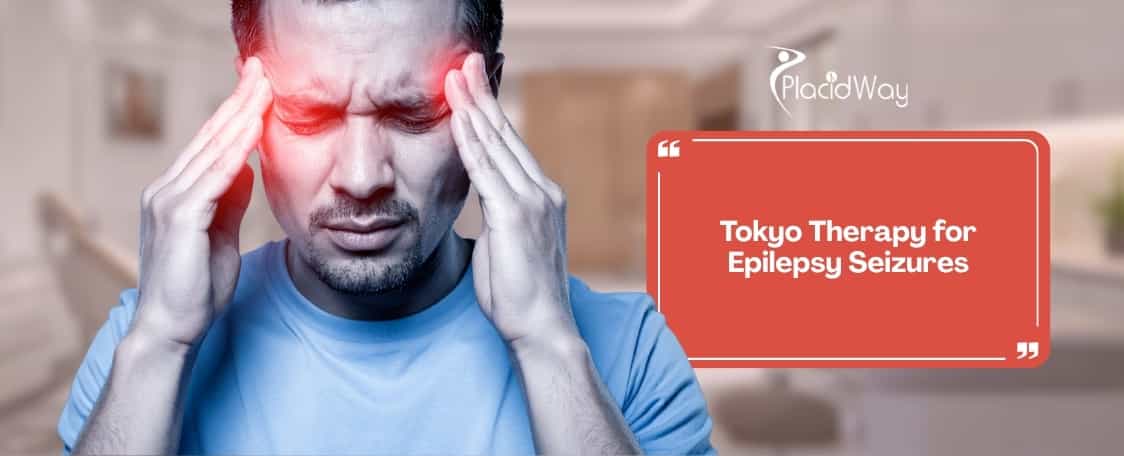
Key Takeaways: Epilepsy Cellular Therapy in Japan
- Regulatory Excellence: Japanese clinics operate under world leading regenerative medicine laws ensuring maximum patient safety.
- Targeted Approach: Treatments focus on reducing neuro inflammation and repairing damaged synaptic pathways causing electrical misfires.
- Refractory Solutions: Ideal for patients who suffer from drug resistant epilepsy and want alternative seizure management.
- Holistic Care: Protocols include comprehensive neurological testing immune system support and post procedure follow ups.
- High Standards: Only government accredited facilities are permitted to cultivate and infuse cellular therapies.
How does stem cell therapy for epilepsy in Japan work to control seizures?
Stem cells target damaged brain areas to repair neural networks and lower neuro inflammation. This targeted neuroprotective action helps stabilize brain electrical activity and reduce the frequency of epileptic seizures over time.
Epilepsy is fundamentally characterized by abnormal highly synchronous electrical discharges in the brain. Over time frequent seizures can cause localized brain damage and chronic inflammation which in turn makes the brain even more susceptible to future seizures. Regenerative medicine steps in to break this vicious cycle. When mesenchymal stem cells are introduced into the body they possess a unique homing ability meaning they naturally migrate toward areas of injury and severe inflammation within the central nervous system.
Once these cells reach the affected neural tissue they begin releasing neurotrophic factors. These powerful biological proteins stimulate neurogenesis which is the growth of new healthy neurons and synapses. Furthermore these cells exhibit profound immunomodulatory effects. They actively suppress overactive immune responses that cause brain inflammation thereby creating a healthier more stable environment for brain cells to communicate without misfiring. Many international patients successfully seek advanced stem cell treatments for epilepsy at HELENE - Stem Cell Clinic in Tokyo, Japan to benefit directly from these highly regulated cellular protocols.
This biological reset is crucial for patients suffering from refractory epilepsy where traditional medications have ceased to be effective. By addressing the structural and inflammatory root causes of the electrical misfires rather than just suppressing the symptoms cellular therapy offers a profound shift in neurological care. The integration of advanced cellular cultivation techniques in Tokyo ensures that patients receive the highest viability of cells maximizing the potential for significant seizure reduction.
What is the average stem cell therapy for epilepsy cost in Japan?
The price typically ranges from $15,000 to $35,000 depending on the specific clinical protocol. This investment covers laboratory cellular cultivation extensive neurological assessments and the highly specialized infusion processes.
Understanding the financial commitment required for regenerative neurology is essential for international patients. While prices in Asia are generally highly competitive the advanced nature of Japanese medical technology means costs reflect absolute premium care. Here is a detailed breakdown of what influences the overall expense:
- Cellular Cultivation Quality: The bulk of the expense stems from the laboratory process. Japanese laboratories adhere to flawless clean room standards to expand the cells over several weeks ensuring maximum vitality and millions of active cells per dose.
- Source of Biological Material: Treatments utilizing autologous cells extracted from your own fat or bone marrow involve an initial harvesting surgical procedure which adds to the cost compared to using ready prepared allogeneic umbilical cord cells.
- Neurological Diagnostics: Premium packages include comprehensive pre and post treatment mapping including highly detailed electroencephalograms and functional magnetic resonance imaging to pinpoint seizure origins.
- Number of Infusion Sessions: Epilepsy protocols rarely rely on a single dose. Most successful management plans require multiple intravenous or intrathecal administrations spread over several days or weeks increasing the overall facility fees.
- International Patient Services: Included in these premium costs are dedicated medical interpreters customized nutritional plans during the stay and continuous digital follow up care once the patient returns to their home country.
How do I find a reputable stem cell therapy for epilepsy clinic in Japan?
Look for facilities fully accredited by the Japanese Ministry of Health with specialized neurological protocols. Ensuring they possess a verified track record with international patients and transparent clinical data is absolutely essential.
Selecting the right medical facility for a complex neurological condition requires rigorous vetting. In Japan the government has implemented exceptionally strict laws regarding regenerative medicine. Any clinic offering cellular treatments must be registered and officially approved by the Ministry of Health Labour and Welfare. This approval indicates that the facility meets stringent ethical laboratory and clinical safety standards. When researching clinics verifying this government certification must be your very first step to avoid unregulated providers.
Beyond basic certification you must evaluate the clinic specific expertise in neurology. Epilepsy requires a deep understanding of brain electrical activity and neuropharmacology. The best facilities will have a multidisciplinary team consisting of board certified neurologists cell biologists and specialized nurses. They will not offer a one size fits all approach but will instead demand your comprehensive medical records including past medication trials and brain imaging before ever proposing a treatment plan.
Finally consider the facility infrastructure for international patients. Undergoing complex medical procedures in a foreign country can be stressful. Top tier clinics have dedicated international departments that assist with everything from initial video consultations to assigning personal medical interpreters. They prioritize transparent communication ensuring you fully understand the realistic expected outcomes potential risks and the exact biological mechanisms of the proposed treatment protocol.
Why is medical tourism in Japan becoming popular for neurological disorders?
Japan combines highly advanced regenerative medicine laws with world leading healthcare infrastructure. Patients benefit from strict safety regulations cutting edge cellular cultivation technologies and exceptional standards of clinical hygiene.
The global rise of patients traveling to Tokyo for neurological care is largely driven by the progressive yet highly regulated legal framework established by the Japanese government. Recognizing the immense potential of cellular biology Japan passed specific legislation designed to fast track safe regenerative therapies while maintaining uncompromising safety audits. This progressive stance allows patients to legally access advanced treatments that are still decades away from approval in North America or Europe.
Furthermore Japanese medical culture is globally renowned for its meticulous attention to detail and patient safety. The laboratory environments where cells are expanded utilize state of the art bio engineering technology ensuring zero contamination and unparalleled cellular vitality. For neurological conditions like epilepsy where introducing completely pure and highly active cells is critical to breaching the blood brain barrier safely this level of technological superiority is a massive draw for international patients.
Lastly the holistic patient experience in Tokyo sets a global benchmark. Japanese healthcare emphasizes compassionate respectful and highly personalized care. Medical tourists are not treated as mere numbers but receive comprehensive wellness support encompassing stress reduction therapies nutritional counseling and precise medical monitoring. This calm highly structured healing environment is incredibly beneficial for neurological patients who require minimal stress to aid in their seizure reduction journey.
What types of stem cells are used for epilepsy treatments in Japanese medical centers?
In the realm of treating seizure disorders the selection of the correct cellular type is vital. Japanese neurologists predominantly rely on Mesenchymal Stem Cells due to their proven safety profile and remarkable biological versatility. Unlike embryonic cells which carry ethical concerns and higher risks of uncontrolled growth mesenchymal cells are highly stable and ethically sourced. They act as biological repairmen identifying areas of severe neuro inflammation and releasing compounds that facilitate natural tissue healing.
Umbilical cord derived tissue is particularly favored in top Tokyo clinics for treating severe epilepsy. These cells are considered completely pristine having not been exposed to aging environmental toxins or the oxidative stress that accumulates in adult tissues. Furthermore cord derived cells are highly immuno privileged. This means they do not trigger immune rejection responses allowing patients to safely receive high dose infusions without the need for harsh immunosuppressant medications.
In some specialized cases autologous cells extracted from the patient own bone marrow or adipose tissue may be utilized. The decision between autologous and allogeneic cord cells depends entirely on the patient age the severity of the neurological degradation and the specific protocol designed by the attending neurologist. Regardless of the source the cells undergo rigorous laboratory expansion in certified Japanese clean rooms to ensure millions of viable active units are delivered during treatment.
Who is an ideal candidate for epilepsy stem cell treatments in Tokyo facilities?
Not every epilepsy patient automatically qualifies for regenerative therapy. Clinics maintain strict inclusion and exclusion criteria to ensure maximum safety and ethical treatment practices. Ideal candidates generally exhibit the following characteristics:
- Refractory Epilepsy Diagnosis: Patients who have aggressively trialed multiple standard anti epileptic drugs without achieving adequate seizure control are considered prime candidates for alternative cellular interventions.
- Stable General Health: Aside from the neurological condition the patient must possess robust organ function particularly regarding the liver and kidneys to safely process the metabolic demands of the treatment.
- Absence of Active Malignancies: Because regenerative treatments promote active cell growth patients with a history of active cancer within the past five years are strictly excluded to prevent potential tumor stimulation.
- Clear Diagnostic Records: Candidates must provide extensive historical medical data including detailed brain imaging and comprehensive seizure diaries so specialists can establish a clear baseline before starting therapy.
- Realistic Medical Expectations: The ideal candidate understands that cellular therapy is a profound management tool designed to vastly improve quality of life and reduce seizure intensity rather than an overnight magical cure.
What is the typical recovery timeline after receiving stem cells for epilepsy in Japan?
Patients often notice initial improvements in energy and cognitive clarity within a few weeks. Significant reductions in seizure frequency typically manifest between three to six months post procedure as neurogenesis actively occurs.
Managing timeline expectations is crucial for patients undergoing neurological repair. The biological process of healing central nervous system tissue is inherently gradual. Immediately following the infusion procedure in Tokyo patients might experience mild fatigue which is a natural response as the body directs energy toward cellular integration. However within the first two to four weeks many patients report secondary benefits such as improved sleep quality enhanced mood and sharper cognitive focus.
The core therapeutic benefits regarding seizure reduction generally begin to become apparent around the three month mark. During this period the newly introduced cells are actively releasing neurotrophic factors reducing chronic brain inflammation and helping to stabilize the hyperactive electrical pathways. Patients keeping careful seizure diaries often note that while seizures may still occur their duration intensity and post recovery times are significantly diminished.
Between six to twelve months patients typically experience the peak regenerative effects. Many individuals working closely with their home neurologists find they can begin carefully tapering down their heavy doses of traditional anti epileptic medications reducing terrible pharmaceutical side effects. It is vital to understand that this healing trajectory requires ongoing medical supervision and adherence to a healthy neuro supportive lifestyle to maximize the longevity of the cellular therapy.
Are there any side effects associated with stem cell procedures for seizures in Japan?
The procedure is generally well tolerated with mild and temporary side effects being the most common. Some patients might experience slight fatigue mild headache or a low grade fever shortly after the intravenous infusion.
Safety is the absolute cornerstone of Japanese regenerative medicine protocols. Because the therapies predominantly utilize adult mesenchymal cells or ethically sourced umbilical cord tissue the risk of severe adverse reactions such as immune rejection or uncontrolled cellular mutation is exceptionally low. The cells naturally bypass immune detection making the procedure highly biocompatible even for international patients with varying genetic backgrounds.
The side effects that do occasionally occur are usually related to the physical administration method rather than the biological material itself. Patients receiving intravenous drips might experience minor bruising at the injection site a slight feeling of systemic fatigue or a very mild transient fever lasting twenty four to forty eight hours. These are normal immunological responses indicating that the body is actively processing and integrating the new cellular material into the bloodstream.
Severe complications are exceedingly rare due to the meticulous pre screening and pristine laboratory conditions mandated by Japanese law. However because epilepsy involves a delicate neurological balance all procedures are conducted under continuous vital monitoring. Clinics ensure that patients rest adequately in comfortable recovery suites post infusion allowing medical staff to verify complete stability before the patient is cleared to return to their hotel or fly home.
How do Japanese neurologists measure the success of stem cell treatments for epilepsy?
Success is rigorously measured through a combination of quantitative electroencephalogram data detailed patient seizure diaries and comprehensive quality of life assessments conducted over a twelve month post treatment period.
To ensure clinical accountability Japanese medical facilities utilize highly objective metrics to track neurological improvements. Prior to the administration of any cellular material comprehensive baseline data is established. This includes sophisticated brain wave mapping to identify the specific zones of electrical hyperactivity. Several months post treatment these identical tests are repeated to visually and numerically document the reduction in abnormal electrical spikes and brain inflammation.
Alongside advanced imaging patient reported outcomes form a critical pillar of measuring success. Patients are required to maintain meticulous seizure diaries tracking the exact frequency duration and physical severity of any epileptic episodes. A successful treatment protocol often reveals a distinct downward trend in these metrics allowing the treating physicians to mathematically prove the stabilizing effect of the neuro regenerative therapy.
Finally specialists evaluate overall lifestyle improvements. Severe epilepsy often carries devastating secondary impacts such as chronic depression severe memory fog and chronic physical fatigue. When measuring ultimate success doctors heavily weigh improvements in cognitive clarity mood stabilization and the patient renewed ability to engage in normal daily activities safely. This holistic measurement ensures that the therapy delivers genuine real world value beyond just brain wave charts.
Why Choose PlacidWay for booking stem cell procedures in Japan?
PlacidWay provides a highly secure seamless experience by connecting you exclusively with fully vetted government certified regenerative medicine facilities in Tokyo. Our dedicated medical team ensures complete treatment transparency.
Navigating advanced medical treatments in a foreign healthcare system requires expert guidance and unwavering patient advocacy. PlacidWay serves as your premier global medical facilitator specifically specializing in highly complex neurological conditions. Here is why patients implicitly trust PlacidWay for their healthcare journey to Tokyo:
- Exclusive Clinic Partnerships: We bypass unverified providers and connect you directly with elite internationally accredited cellular therapy centers that possess proven verifiable success rates in treating neurological disorders.
- Transparent Financial Breakdowns: We negotiate comprehensive medical packages ensuring you receive precise itemized cost structures covering all laboratory fees specialist consultations and infusions with absolutely no hidden medical expenses.
- Pre Treatment Medical Consultations: We facilitate secure private video consultations between you and top Japanese neurologists allowing you to discuss your specific epilepsy history directly before making any commitments.
- Seamless Clinical Coordination: Our dedicated medical coordinators handle the complex transfer and accurate translation of your vital medical records MRI scans and EEG data ensuring the Japanese specialists are fully prepared.
- Structured Post Procedure Support: Healing continues long after the treatment ends. PlacidWay maintains ongoing communication channels bridging the gap between you and the Tokyo medical team for critical long term monitoring.
Frequently Asked Questions
Can international patients easily access epilepsy stem cell therapy in Tokyo?
Yes international patients can readily access regenerative treatments in Tokyo through specialized medical facilitators. Japan has established dedicated international medical departments within major clinics to handle foreign patient inquiries medical record translations and remote consultations prior to arrival.
How long do I need to stay in Japan for an epilepsy stem cell program?
Most international patients need to plan for a stay of seven to fourteen days. This timeframe allows for comprehensive pre treatment neurological evaluations the actual cellular infusion sessions and mandatory post procedure monitoring to ensure complete safety before flying home.
Is stem cell therapy for epilepsy regulated by the Japanese government?
Absolutely. Japan possesses one of the most strictly regulated regenerative medicine frameworks in the world under the Act on the Safety of Regenerative Medicine. All clinics must be officially certified and audited by the Ministry of Health Labour and Welfare.
Will stem cells completely cure my epilepsy or just reduce seizures?
Currently regenerative medicine is considered a highly effective management tool rather than an absolute cure. The primary goal is to significantly reduce seizure frequency and intensity while improving cognitive function allowing patients to potentially lower their dependence on traditional anti epileptic drugs.
Are language barriers a problem when getting medical treatments in Tokyo?
Language barriers are effectively mitigated when utilizing accredited medical tourism pathways. Top tier regenerative facilities employ dedicated English speaking medical staff and professional medical interpreters are provided to ensure you understand every aspect of your neurological care.
Can children with severe epilepsy receive stem cell treatments in Japan?
Pediatric cases require extremely rigorous ethical and medical reviews. While some specialized pediatric neurology centers offer regenerative programs for drug resistant childhood epilepsy each case is evaluated individually by a board of medical directors to ensure absolute safety and potential efficacy.
Do Japanese clinics use autologous or allogeneic stem cells for neurological care?
Japanese facilities utilize both depending on the patient protocol. Autologous cells are harvested from the patient own body reducing rejection risks. Allogeneic cells typically from ethically sourced umbilical cord tissue are also widely used due to their powerful neuro regenerative properties and immediate availability.
How quickly can I expect to see a reduction in seizures after the procedure?
Neurological repair requires time so results are rarely immediate. Patients typically begin reporting subtle cognitive improvements within the first month while noticeable reductions in seizure frequency usually manifest between three to six months as the cellular repair mechanisms take full effect.
What pre treatment neurological tests are required by Japanese specialists?
Before finalizing any treatment plan specialists require recent MRI or CT scans comprehensive EEG reports detailed seizure diaries and a complete history of all previously trialed anti epileptic medications. Fresh blood panels are also conducted upon arrival in Tokyo.
Are there special medical visa requirements for epilepsy patients traveling to Japan?
Depending on your nationality and the length of your clinical protocol you may need a specific Medical Visa. However citizens from many Western countries seeking short term outpatient therapies often enter under standard visa exemption programs as long as the stay is under ninety days.
Take Control of Your Neurological Health in Japan Today
* Medical team responses typically within 24 hours. Complete patient privacy guaranteed.
.jpg)

.png)


.png)
.png)
.png)


Share this listing