


Stem Cell Therapy in Colombia
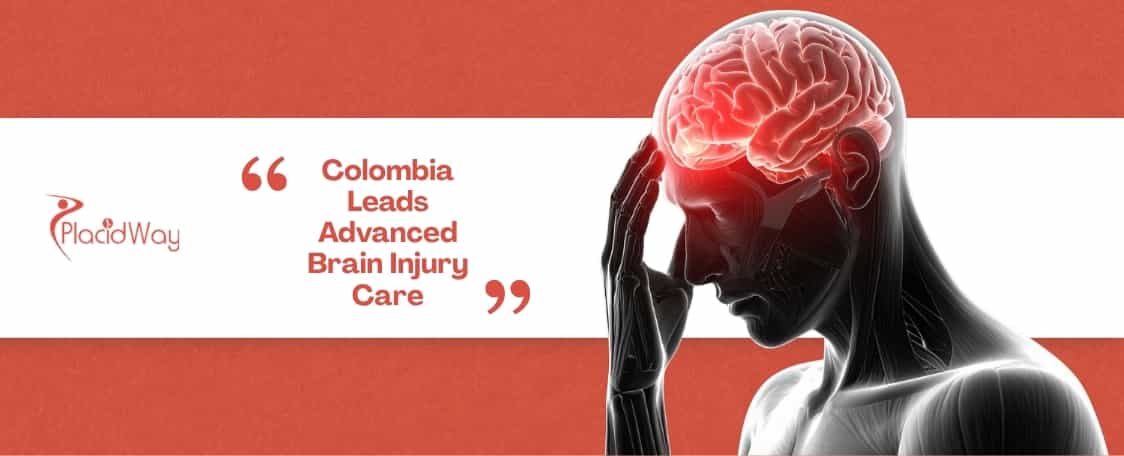
Colombia’s advanced cellular protocols for TBI utilize high-dose mesenchymal stem cells to reduce neuroinflammation, stimulate neurogenesis, and repair damaged neural pathways. This offers unprecedented cognitive recovery at a fraction of US costs.
Key Takeaways: Neurological Recovery in South America
- High-Yield Cultivation: Regulations allow for the expansion of millions of potent, pure cells for maximum therapeutic effect.
- Advanced Delivery: Utilization of intrathecal injections to bypass the blood-brain barrier safely.
- Substantial Savings: Procedures are 50 to 70 percent more affordable compared to equivalent unregulated North American options.
- Comprehensive Rehabilitation: Protocols combine cellular injections with hyperbaric oxygen and peptide therapies.
- Strict Safety Standards: Facilities operate under rigorous INVIMA oversight, matching international biomedical benchmarks.
How exactly does stem cell therapy for TBI in Colombia repair damaged brain tissue?
When a severe traumatic brain injury occurs, the brain initiates a massive inflammatory response. While this is meant to be protective, chronic inflammation often leads to secondary cell death and prevents healing. Advanced **stem cell therapy for TBI in Colombia** directly interrupts this destructive cascade. The introduced mesenchymal cells act as biological managers, releasing anti-inflammatory cytokines that calm the overactive immune response in the brain, allowing the local environment to shift from a state of distress to a state of repair.
Beyond reducing inflammation, these protocols trigger a process called angiogenesis. Damaged brain regions often suffer from restricted blood flow, starving surviving neurons of oxygen and nutrients. The specialized cells secrete vascular endothelial growth factor, which prompts the creation of new capillary networks. This restored blood supply is absolutely critical for waking up dormant neural tissue and providing the energy needed for extensive cognitive rehabilitation.
Finally, the most profound mechanism is neurogenesis and neuroplasticity. The regenerative cells release powerful biochemical signals like Brain-Derived Neurotrophic Factor. This acts like fertilizer for the brain, encouraging existing neurons to form new synaptic connections and stimulating the brain’s own native progenitor cells to multiply and replace lost tissue. This multi-layered approach addresses the complex pathology of TBI much more effectively than conventional symptom management.
What is the average stem cell therapy cost in Colombia for traumatic brain injuries?
Understanding the financial commitment is crucial for patients and their families. The **stem cell therapy cost in Colombia** is highly competitive globally, primarily due to lower administrative and operational overhead, not a reduction in medical quality. In fact, the laboratory standards often exceed those found in more expensive regions. A severe TBI protocol requires hundreds of millions of cells, which makes the procedure inherently costly, but South American clinics offer a much better cell-to-dollar ratio.
| Treatment Aspect | Estimated Cost in Colombia | Estimated Cost in US/Europe |
|---|---|---|
| Standard IV Protocol | $8,000 - $12,000 | $20,000 - $35,000 |
| Advanced TBI Protocol (Intrathecal + IV) | $15,000 - $25,000 | $40,000 - $80,000+ |
| Diagnostic MRI & Neurological Mapping | $800 - $1,500 | $3,000 - $7,000 |
The cost variance depends heavily on the specific needs of the patient. A customized protocol for severe brain trauma usually involves multiple days of treatment, combining high-dose intravenous drips with precise intrathecal injections. Furthermore, the price often incorporates pre-procedure laboratory testing, neurologist consultations, and supportive therapies like hyperbaric oxygen chambers, making it a comprehensive healing package rather than a simple injection fee.
Many families turn to medical financing or specialized health loans to cover these expenses. Because insurance rarely covers experimental regenerative treatments regardless of location, paying out of pocket is standard. Choosing a destination that offers transparent, all-inclusive pricing prevents unexpected financial stress during an already challenging recovery journey.
How do I choose the best stem cell clinic in Colombia for neurological treatments?
Select a facility with specialized neurological boards, in-house ISO-certified laboratories, and transparent medical backgrounds. Ensure they specialize in intrathecal delivery methods required for profound brain injuries.
Finding a reputable **stem cell clinic in Colombia** requires diligent research, especially for complex conditions like severe traumatic brain injury. The most critical factor is the laboratory standards. The facility must either have an in-house cleanroom or partner with an internationally accredited cell bank that operates under rigorous Good Manufacturing Practice standards. This ensures the biological material you receive is pure, highly viable, and free from contaminants.
Another vital consideration is the medical team’s specialization. You should look for clinics that employ board-certified neurologists and anesthesiologists, not just general practitioners. Administering treatments into the central nervous system requires exact precision and deep anatomical knowledge. Patients seeking top-tier care frequently explore options like the advanced cellular therapies at Stem Cells Kyron Colombia, which is recognized for its dedicated neuro-regenerative protocols and exceptional patient oversight.
Lastly, demand transparency regarding their treatment protocols and past patient outcomes. A trustworthy clinic will happily provide detailed explanations of cell types used, expansion limits, and realistic outcome expectations without making impossible guarantees. They will also require extensive preliminary medical records, including recent MRI scans, to evaluate whether you are genuinely a suitable candidate before inviting you to travel.
When evaluating providers for brain injuries, ask specifically about their cell viability testing. Top clinics test cell batches immediately before administration, guaranteeing that at least 90 percent of the infused cells are alive and active. Dead cells provide no regenerative benefit and can actually increase systemic inflammation.
What specific cellular protocols are used for brain injuries during medical tourism in Colombia?
Protocols combine massive systemic cell infusions to target body-wide inflammation with highly targeted spinal injections to deliver neuro-regenerative factors directly into the brain's cerebrospinal fluid.
The success of medical tourism in Colombia for neurological issues relies on multifaceted, aggressive treatment strategies. Simple injections are rarely enough for severe TBI. The protocols involve several distinct phases designed to maximize therapeutic impact:
- Intrathecal Administration: A specialized physician injects concentrated cells directly into the spinal canal. This crucial step bypasses the blood-brain barrier, allowing regenerative cells direct access to damaged cortical tissue.
- High-Dose Intravenous Infusions: Millions of cells are delivered into the bloodstream to systemicly reduce neuroinflammation and promote healing in blood vessels that feed the brain.
- Exosome Therapy Integration: Many advanced clinics now add exosomes, which are microscopic vesicles packed with growth factors, to amplify the signaling power of the primary cell treatment.
- Hyperbaric Oxygen Pre-Conditioning: Patients often undergo oxygen therapy before injections to create a highly oxygenated environment in the brain, which greatly increases cell survival rates post-injection.
- Nutritional and Peptide Support: Intravenous vitamins and specific neuro-peptides are administered alongside the main therapy to optimize brain chemistry and support newly forming neural pathways.
How long is the recovery period after receiving regenerative treatments for TBI?
Immediate post-procedure recovery takes a few days, but the actual neurological healing is a long-term process. Peak cognitive and motor improvements typically manifest between three to nine months post-treatment.
The timeline for recovery is deeply individual and heavily dependent on the severity and age of the brain injury. Immediately following the procedure, patients are advised to rest extensively for three to five days. The body requires immense energy to process the influx of millions of new cells, and patients frequently report feeling unusually tired or experiencing mild flu-like symptoms during this initial phase as the immune system adjusts.
Short-term changes, often noticed within the first month, generally relate to the massive reduction in neuroinflammation. Caregivers frequently report that the patient seems more present, experiences less severe headaches, and shows improved sleep patterns. Brain fog begins to lift, providing a clearer baseline for ongoing physical and cognitive rehabilitation efforts back home.
The long-term neurogenesis phase is where profound structural healing occurs. Creating new neural pathways and restoring damaged synaptic connections is a slow biological process. Significant milestones in speech, memory retention, and motor control often become evident around the six-month mark. It is critical to pair the biological treatment with intense physical and occupational therapy during this window to actively train the newly formed brain networks.
Are there different types of biological materials used for severe brain trauma?
Yes, the most effective protocols utilize allogeneic mesenchymal cells derived from donated umbilical cords, favored for their youth, potency, and profound immune-modulating properties.
While autologous treatments using the patient's own bone marrow or adipose fat exist, they are rarely the first choice for severe TBI today. Extracting cells from a patient who has suffered severe trauma can be unnecessarily taxing. Furthermore, an older patient's own cells are subject to cellular aging and diminished regenerative capacity. Instead, top facilities rely on Wharton's Jelly-derived Mesenchymal Stem Cells sourced from ethically donated umbilical cords following healthy, full-term cesarean births.
These day-zero cells are biologically robust and possess maximum division potential. They are uniquely immune-privileged, meaning they do not express the surface markers that trigger rejection in the recipient's body. This allows patients to receive high-dose treatments without the need for dangerous immunosuppressive drugs or the necessity of finding a genetic match.
In addition to umbilical cord cells, many specialists incorporate purified exosomes into the treatment matrix. Exosomes are not cells themselves, but tiny messenger bubbles secreted by stem cells. They easily cross barriers in the brain and deliver concentrated packets of RNA and healing proteins directly to distressed neurons, serving as a powerful catalyst for the primary cell therapy.
Umbilical cord-derived cells naturally secrete exceptionally high levels of a protein complex known as TSG-6. This specific protein is a master regulator of inflammation and has been clinically shown to drastically reduce swelling and scar tissue formation in damaged brain matter.
What hidden expenses should I budget for alongside the medical procedure?
Beyond the core treatment fee, patients must budget for comprehensive pre-operative diagnostics, specialized medical translations, intensive post-care supplements, and local transportation requirements.
To avoid unexpected financial strain during your medical journey, it is critical to plan for expenses that fall outside the clinic's primary invoice. Consider these additional factors:
- Advanced Imaging: Most clinics require a specialized high-resolution MRI or PET scan taken within thirty days of treatment. If your local insurance denies this, paying out-of-pocket can cost several thousand dollars.
- Medical Translation Services: While top clinics provide in-house translators, getting your complex domestic medical records professionally translated into Spanish prior to your consultation incurs a separate fee.
- Post-Treatment Supplements: Neurologists often prescribe a customized regimen of medical-grade nootropics and peptides to support neurogenesis over the following six months, requiring ongoing purchases.
- Extended Accommodations: Due to the severity of TBI, patients frequently need to arrive days early for baseline testing and remain days after for observation, requiring extended specialized lodging.
- Local Specialized Transport: TBI patients often require wheelchair-accessible or medically assisted ground transportation between their lodging and the clinical facility.
How does medical tourism in Colombia ensure patient safety during advanced neurological procedures?
Safety is enforced by INVIMA, strict international laboratory certifications, and mandatory comprehensive pre-treatment screening to eliminate risks of contamination or adverse biological reactions.
A common misconception is that seeking treatments abroad implies a lack of regulation. In reality, **medical tourism in Colombia** operates within a highly sophisticated and rigorously governed biomedical framework. The primary regulatory body, INVIMA, strictly monitors all laboratories that culture human biological material. Facilities must routinely pass unannounced inspections that evaluate their sterilization protocols, cell tracking systems, and environmental controls.
Safety begins long before the injection. Reputable facilities conduct exhaustive screenings of the donor tissue. Cord tissue undergoes rigorous polymerase chain reaction testing to screen for infectious diseases, heavy metals, and genetic abnormalities. Furthermore, before any patient is accepted for a TBI protocol, their complete medical history is evaluated by a multidisciplinary board to ensure their body can safely tolerate the intense cellular influx.
During the procedure itself, safety protocols mirror those of major international hospitals. Intrathecal injections are performed in sterile surgical theaters under fluoroscopic or ultrasound guidance by specialized anesthesiologists. Patients are continuously monitored with advanced telemetry to track vital signs, ensuring immediate medical response should any rare adverse reaction occur.
Why Choose PlacidWay for regenerative TBI treatments abroad?
PlacidWay removes the guesswork from complex medical decisions by providing exclusive access to fully vetted, top-tier neurological specialists and ensuring absolute pricing transparency for international patients.
Navigating experimental therapies in a foreign healthcare system requires a trusted advocate. PlacidWay ensures your focus remains entirely on healing rather than administrative stress. Here is why patients rely on our platform:
- Rigorous Facility Vetting: We partner exclusively with laboratories and clinics that maintain verified international accreditation and strict government compliance, ensuring you never face compromised safety standards.
- Complete Cost Transparency: We negotiate all-inclusive package rates directly with medical providers so you receive clear, upfront quotes devoid of hidden administrative fees or unexpected medical upcharges.
- Dedicated Care Coordination: Your personal case manager handles all communication between you and the foreign medical team, ensuring questions regarding treatment protocols are answered promptly and clearly.
- Clinical Record Processing: We securely transfer and facilitate the translation of your complex MRI scans and neurological histories, ensuring the receiving specialist has a comprehensive understanding of your injury before arrival.
- Structured Post-Treatment Follow-up: Our commitment does not end upon discharge. We help coordinate ongoing remote consultations between your foreign specialist and your primary care physician to track neuro-recovery progress.
Frequently Asked Questions
Is stem cell therapy for TBI in Colombia regulated and safe?
Yes, treatments are highly regulated by INVIMA, the Colombian equivalent of the FDA. Facilities must adhere to strict clean-room standards and ethical guidelines regarding cell cultivation, ensuring patient safety and treatment efficacy.
Can cellular treatments completely cure severe traumatic brain injury?
While stem cells cannot guarantee a complete cure, they significantly improve quality of life. Patients often experience reduced neuroinflammation, better cognitive function, and enhanced motor skills by repairing damaged neural pathways.
How are regenerative cells administered for neurological conditions?
For severe brain injuries, specialists typically use a combination of intravenous infusions and intrathecal injections. The intrathecal method delivers cells directly into the spinal canal, allowing them to bypass the blood-brain barrier for maximum impact.
How many treatment sessions are required for optimal recovery?
The number of sessions depends on the severity of the injury. Most protocols involve an intensive primary week of treatments, followed by potential booster sessions six to twelve months later to maintain neurogenesis.
Are there age restrictions for receiving regenerative neurological care in South America?
Adults of all ages are generally eligible if they are stable enough for travel. Pediatric cases are evaluated on a strict case-by-case basis by specialized neurological boards to ensure maximum safety and ethical compliance.
Is the intrathecal injection process painful?
The procedure is minimally invasive and performed under local anesthesia. Patients might feel slight pressure during the lumbar puncture, but severe pain is extremely rare, and most recover comfortably within hours.
What makes South American cellular protocols different from North American options?
Colombian regulations permit the expansion and cultivation of mesenchymal cells to yield hundreds of millions of potent cells per dose. North American regulations often restrict expansion, resulting in much lower cell counts and potentially lower efficacy for severe injuries.
Can I bring a family member or caregiver to the medical facility?
Yes, bringing a caregiver is highly recommended for neurological patients. Facilities are designed to accommodate family members, providing comfortable waiting areas and ensuring caregivers are fully informed about post-treatment protocols.
How soon will I notice cognitive improvements after the procedure?
Initial reductions in brain fog and fatigue can occur within weeks due to anti-inflammatory effects. However, structural neuroplasticity and significant cognitive improvements typically unfold over three to nine months.
Will my primary care doctor back home need to manage my aftercare?
It is essential to coordinate with your local neurologist or primary care physician. Colombian specialists provide comprehensive discharge reports and collaborate remotely with your local team to monitor progress and adjust rehabilitation therapies.
Start Your Brain Recovery Journey Today
* Responses typically within 24 hours. Medical privacy guaranteed.


















Share this listing