


For patients seeking a knee replacement alternative, stem cell therapy in Colombia offers a compelling option. The treatment costs $3,500 to $8,000 USD—a significant savings compared to the US. Colombian clinics specialize in lab-expanded Mesenchymal Stem Cells (MSCs), providing high-concentration doses designed to reduce chronic inflammation, stimulate tissue repair, and delay invasive orthopedic surgery for adults suffering from debilitating osteoarthritis.

Every year, over 700,000 Americans undergo total knee replacement surgery. For active adults over the age of 50, receiving a diagnosis of severe knee osteoarthritis often feels like an impending life sentence of surgical interventions, lengthy hospital stays, and grueling months of physical rehabilitation. While a total joint arthroplasty is a highly successful mechanical fix, it is inherently destructive, involving the amputation of native bone and the insertion of metal and plastic hardware.
As medical science advances, a powerful non-surgical option is reshaping the landscape of orthopedic care. When searching for a viable knee replacement alternative, stem cell therapy in Colombia for American patients over 50 has emerged as one of the most sought-after regenerative treatments globally. Cities like Bogotá, Medellín, and Cali have developed into world-class hubs for regenerative medicine, combining top-tier medical expertise with favorable regulatory frameworks.
But why are thousands of Americans crossing borders for knee injections instead of utilizing their local healthcare systems? The answer lies in the intersection of advanced cellular biology, strict FDA limitations in the United States, and the high out-of-pocket costs of domestic care.
This comprehensive guide explores everything you need to know about pursuing regenerative medicine in South America. We will cover the specific biological science behind the therapy, provide a detailed cost comparison between US and Colombian providers, outline the step-by-step patient journey, and present an objective look at both the clinical benefits and the critical limitations of this innovative procedure.
What is Stem Cell Therapy for Knee Osteoarthritis?
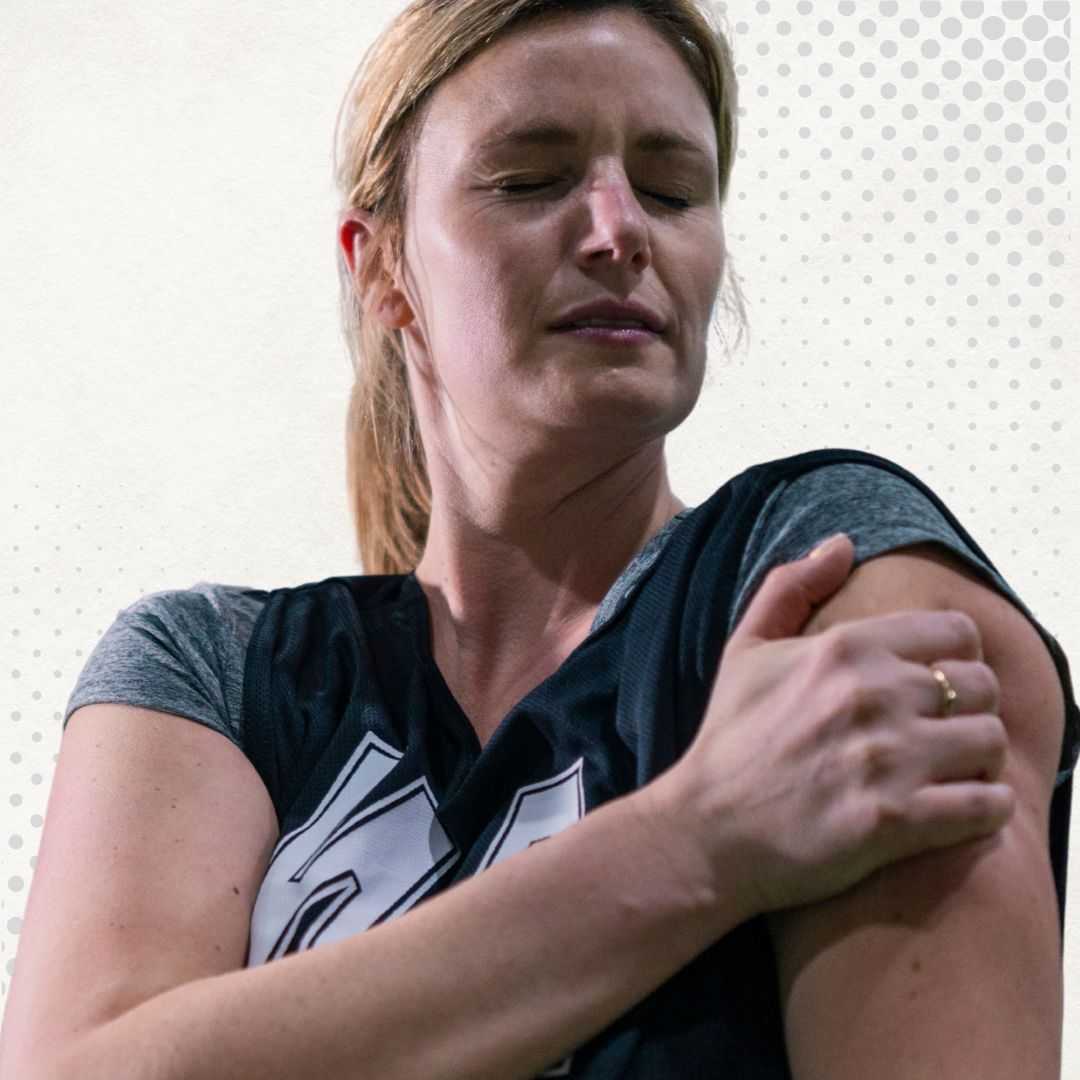
To understand why this is an effective knee replacement alternative, we must look at how the knee degenerates. Osteoarthritis occurs when the protective cartilage that cushions the ends of your bones wears down over time. Traditional treatments in the US—such as corticosteroid injections—merely mask the pain temporarily and have been shown in clinical studies to actually accelerate cartilage degradation over time.
The Power of Mesenchymal Stem Cells (MSCs)
Regenerative clinics in Colombia primarily utilize Mesenchymal Stem Cells (MSCs). These are multipotent adult stem cells capable of differentiating into various tissue types, including osteoblasts (bone cells) and chondrocytes (cartilage cells). More importantly, MSCs act as powerful cellular "managers," releasing cytokines and growth factors that command your body's native repair mechanisms to heal the damaged joint environment.
There are two primary categories of stem cells used in modern orthopedic treatments:
- Autologous Stem Cells: Harvested directly from your own body, typically from bone marrow (BMAC) or adipose (fat) tissue. While safe, the vitality and quantity of your own stem cells decline significantly as you age past 50.
- Allogeneic Stem Cells (Wharton's Jelly): Harvested from the umbilical cords of healthy, pre-screened, full-term cesarean births. These "day zero" cells are highly robust, replicate rapidly, and carry no risk of passing on the donor's age-related cellular exhaustion.
Why Colombia? The Regulatory Advantage
A frequent question is: "Why can't I just get this exact treatment in the United States?" The US Food and Drug Administration (FDA) currently restricts the culturing and expansion of donor stem cells in laboratories, classifying expanded cells as unapproved biological drugs. Therefore, US clinics are generally limited to same-day procedures using unexpanded, lower-dose cellular products.
Conversely, the Colombian Ministry of Health and INVIMA (Colombia's FDA equivalent) allow specialized, ISO-certified laboratories to culture and multiply MSCs safely. This means American patients over 50 can travel to Colombia to receive 10 to 50 times the cellular volume they could legally receive at home, maximizing the therapeutic potential of the treatment.
Cost: Surgery vs. US Stem Cells vs. Colombia Stem Cells
The financial burden of chronic joint pain in the US is staggering. When evaluating a knee replacement alternative, stem cell therapy in Colombia presents an economically viable path. Because Medicare and private US health insurance do not cover regenerative therapies, cost transparency is a critical factor for patients paying cash.
Note: Costs represent out-of-pocket estimates. US knee replacements may be covered by insurance, but patients often still face copays, deductibles, and lost wages ranging from $3,000 to $10,000.
What are the Inclusions?
When you book a medical tourism package for stem cell therapy in Colombia, top-tier clinics typically bundle the essential services to ensure a stress-free experience. A standard package will include:
- The primary medical consultation and pre-operative imaging review.
- Comprehensive blood work to rule out contraindications.
- The high-dose, lab-expanded MSCs (accompanied by a certificate of viability).
- Ultrasound or fluoroscopy-guided intra-articular joint injection.
- Post-injection observation and basic post-procedure medications.
- Airport VIP pickup and local ground transportation between the hotel and clinic.
Why is it so much cheaper?
The reduced cost of stem cell therapy in Colombia does not imply inferior quality. Instead, the savings reflect favorable exchange rates, lower administrative and facility overhead, and reduced malpractice insurance premiums for doctors. Additionally, state-of-the-art cellular laboratories in Colombia operate with highly efficient, specialized supply chains, allowing them to produce premium biologic products at a fraction of North American costs.
Step-by-Step Stem Cell Treatment Journey in Colombia
For an American patient over 50, traveling internationally for medical care can seem daunting. However, premium regenerative clinics in Colombia have streamlined the process, turning it into a highly organized, concierge-level experience.
Here is the standard clinical progression for receiving a knee replacement alternative via stem cell therapy in Colombia:
- Remote Medical Evaluation: Weeks before travel, you will submit your knee MRI, X-rays, and medical records to the clinic's international patient coordinator. The lead orthopedic specialist reviews the imaging to ensure you have enough viable cartilage left for the therapy to be effective.
- Arrival and Settlement (Day 1): You arrive at a major international airport (such as El Dorado in Bogotá or José María Córdova in Medellín). Bilingual clinic staff greet you and provide private transportation to your partnered recovery hotel.
- In-Person Consultation & Testing (Day 2): You visit the clinic for an in-person physical exam. The medical team conducts comprehensive blood tests to confirm you have no active infections, underlying severe immune conditions, or hidden contraindications.
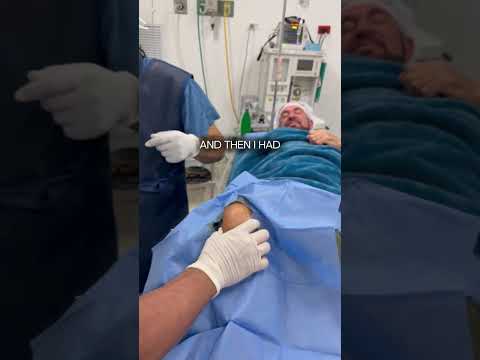
- The Injection Procedure (Day 3): The actual treatment takes less than two hours. Using local anesthesia to numb the knee surface, the specialist uses real-time ultrasound or fluoroscopic guidance to precisely inject the high-concentration stem cells directly into the synovial capsule of the damaged knee joint.
- Observation & Recovery (Day 4): You rest at your hotel. Some patients experience mild localized swelling or stiffness at the injection site. The clinic monitors you remotely or via a brief follow-up visit.
- Clearance to Travel (Day 5): Following a final medical review, the physician clears you to fly. You return to the US walking under your own power, requiring no crutches or braces.
Safety, Quality, and Medical Standards
The most crucial question any patient asks before pursuing a knee replacement alternative abroad is: Is it safe?
When performed in properly vetted, accredited clinics, stem cell therapy in Colombia maintains an exemplary safety profile. Mesenchymal stem cells are inherently "immune privileged." This means they lack the specific human leukocyte antigens (HLA) that trigger tissue rejection, virtually eliminating the risk of a graft-versus-host immune response when receiving donor umbilical cord cells.
Accreditation and Cellular Viability
It is vital to understand that the Colombian healthcare system is highly advanced. The World Health Organization (WHO) has historically ranked Colombia's healthcare system above that of the United States in terms of overall efficiency and quality. To ensure maximum safety, top clinics adhere to the following standards:
- INVIMA Oversight: The National Food and Drug Surveillance Institute (INVIMA) strictly regulates medical products and cellular laboratories in Colombia, ensuring donor tissue is rigorously screened for infectious diseases (HIV, Hepatitis B/C, Syphilis) before culturing.
- ISO-Certified Cleanrooms: The cellular laboratories where MSCs are expanded operate inside ISO-7 or ISO-5 cleanrooms to guarantee complete sterility.
- Flow Cytometry Reports: Reputable clinics will provide you with a "Certificate of Analysis" from the lab. This document proves the exact number of live cells in your injection (e.g., 50 million) and their viability rate (typically over 90%).
Mitigating Clinical Risks
While the risk of cellular rejection is near zero, standard injection risks remain. As with any procedure penetrating the joint space, there is a minor risk of infection (less than 1% when using sterile guided techniques). Patients may also experience a temporary "flare-up"—a natural inflammatory response lasting 24 to 48 hours as the stem cells activate inside the joint capsule.
Recovery Timeline and Aftercare
One of the primary reasons American patients over 50 seek a knee replacement alternative is to avoid the grueling rehabilitation associated with surgery. After stem cell therapy in Colombia, you do not need to spend weeks bedridden or months in intensive physical therapy.
However, regenerative medicine is a biological process, not an instant mechanical fix. Healing takes patience. Here is the realistic recovery timeline:
- Phase 1: The Inflammatory Phase (Days 1–7): You may feel increased stiffness or a dull ache in the knee. This is normal. Crucial rule: You must avoid NSAIDs (like Ibuprofen or Advil) as they hinder the stem cells' natural inflammatory signaling required for repair. Use Tylenol for pain.
- Phase 2: The Proliferation Phase (Weeks 2–6): Pain begins to subside as joint inflammation drops dramatically. The stem cells are actively secreting growth factors to optimize the joint environment. You should engage in light, low-impact movements like swimming or stationary biking.
- Phase 3: The Remodeling Phase (Months 2–6): This is when patients typically notice the most profound improvements in mobility and pain reduction. Biological tissue remodeling continues under the surface, potentially thickening the cartilage matrix and strengthening supporting ligaments.
Warning Signs: If you experience severe, throbbing pain, a high fever, or significant heat radiating from the knee joint within the first week after returning to the US, you must contact your local physician immediately, as these are signs of a rare joint infection.
How to Select the Right Clinic for Stem Cell Treatment in Colombia?
The global surge in medical tourism has unfortunately led to the rise of some sub-par "wellness spas" offering unproven cellular therapies. When selecting a facility for stem cell therapy in Colombia, you must evaluate the provider with clinical precision.
- Verify the Specialist: Ensure the injection is performed by a board-certified orthopedic surgeon, rheumatologist, or sports medicine specialist—not a general practitioner or naturopath.
- Demand Imaging Guidance: The clinic must use ultrasound or fluoroscopy to guide the needle. "Blind" injections have a high failure rate because the cells may miss the exact joint capsule.
- Ask for the Lab Credentials: Confirm the clinic sources its cells from an INVIMA-registered and ISO-certified laboratory.
- Request a Viability Guarantee: The clinic must be willing to show you the "Certificate of Analysis" proving the live cell count on the day of your procedure.
- Check the Exosome Inclusion: Modern stem cell therapies often include Exosomes (the tiny signaling vesicles produced by stem cells) to dramatically boost the healing effect. Ask if these are included.
- Beware of Outrageous Promises: Avoid any clinic that guarantees a "100% cure" or claims they can completely regrow missing bone. Responsible medical professionals always present balanced expectations.
Who Should NOT Pursue Stem Cell Therapy?
While stem cell therapy in Colombia is a remarkable knee replacement alternative, it is not a magic bullet. For some patients, the damage is simply too extensive for cellular biology to reverse. Understanding limitations is crucial to avoiding wasted financial investment.
Contraindications for Stem Cell Therapy
You may not be an ideal candidate for this treatment if you present with the following:
- Severe Stage 4 Bone-on-Bone OA: If your cartilage is 100% eradicated and the joint space has completely collapsed causing severe skeletal deformity (such as extreme bow-leggedness), stem cells cannot magically rebuild an inch of missing bone. You likely require a surgical joint replacement.
- Active Cancers: Patients undergoing chemotherapy, or those with active malignancies (especially blood or bone cancers), are strictly prohibited from receiving stem cell therapies due to the risk of accelerating unregulated cellular growth.
- Active Systemic Infections: Any active bacterial or viral infection must be completely resolved prior to treatment.
Furthermore, geographic distance poses a follow-up challenge. If you do not experience the expected pain relief after six months, returning to Colombia for a booster injection requires a second international flight. You must plan for the possibility that the therapy may only yield moderate results, necessitating continued physical therapy back home in the United States.
5-Step Action Plan for Regenerative Travel to Colombia
If you fit the criteria and are ready to explore a non-surgical knee replacement alternative, taking the first step requires organized planning.
- Obtain a Current MRI: Go to your local US orthopedic doctor and request an MRI of your knee. Standard X-rays only show bone, but an MRI reveals the precise state of your cartilage, meniscus, and ligaments. This is required for international evaluation.
- Request Multiple Quotes: Utilize platforms like PlacidWay to research accredited clinics in Bogotá, Medellín, and Cali. Request comprehensive, itemized pricing packages.
- Schedule a Video Consultation: Book a telemedicine appointment with the Colombian specialist. Discuss your MRI results and ask if high-dose Wharton’s Jelly MSCs are appropriate for your specific grade of arthritis.
- Check Your Passport Validity: Ensure your passport is valid for at least six months beyond your planned travel dates. American citizens do not require a visa for medical visits to Colombia under 90 days.
- Book Logistics Cautiously: Coordinate with the clinic's international department before booking flights to ensure your travel aligns perfectly with the laboratory's cellular cultivation schedule.
Frequently Asked Questions
Reclaim Your Mobility Without Surgery
Knee osteoarthritis does not have to dictate the quality of your retirement. As a powerful knee replacement alternative, stem cell therapy in Colombia provides American patients over 50 with an opportunity to access high-dose, regenerative medicine that remains tightly restricted in the United States. By combining state-of-the-art cellular laboratories with world-renowned medical professionals, Colombia offers a safe, highly effective, and deeply cost-efficient path to avoiding invasive joint arthroplasty.
Your joints are an investment in your independence. If conservative treatments have failed and you want to avoid the surgical saw, it is time to explore the power of biological healing.
Take the First Step Toward Joint Regeneration
Connect with globally accredited regenerative clinics in Colombia. Review specialist profiles, compare package costs, and schedule a free, no-obligation video consultation today.
The information in this article is for educational purposes only and does not constitute medical advice. Individual results vary based on health status, case complexity, and other factors. Always discuss your specific situation with a licensed healthcare professional before making treatment decisions. PlacidWay connects patients with verified healthcare providers but does not provide medical services directly.
- National Institutes of Health (NIH): Mesenchymal Stem Cells for Knee Osteoarthritis
- Mayo Clinic: Understanding Stem Cell Therapy Basics
- World Health Organization (WHO): Osteoarthritis Disease Burden
- U.S. Food & Drug Administration (FDA): FDA Regulations on Cellular Therapies
- PlacidWay Medical Tourism: Stem Cell Therapy Clinics and Options Abroad

















Share this listing