


Which Sarcoma Types May Respond to Immunotherapy and Why
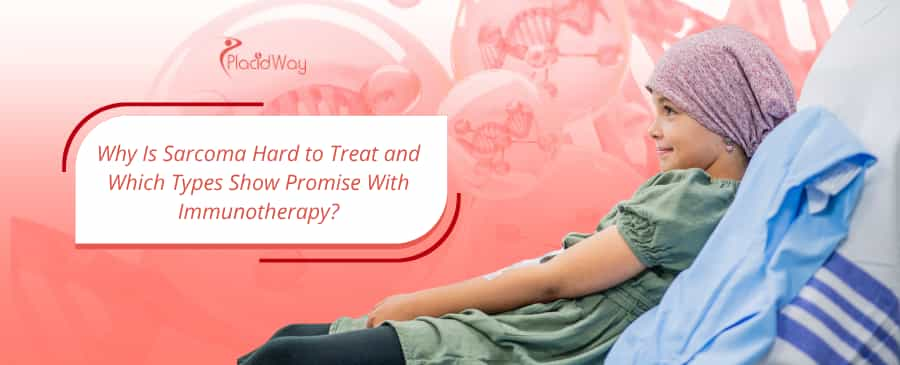
Sarcoma resists standard chemotherapy due to its 70+ rare subtypes, leaving families desperate. Fortunately, sarcoma immunotherapy in Mexico offers a powerful lifeline for alveolar soft part and pleomorphic sarcomas at a fraction of US prices.
Finding Hope: Your Cancer Journey in Mexico
- The Burden of Rarity: Sarcomas hide deep in connective tissues, making them incredibly difficult to isolate and treat with generic, harsh chemotherapy protocols.
- A Financial Lifeline: Treatment south of the border prevents the devastating financial toxicity of the US system, saving families from bankruptcy while fighting for life.
- Compassionate Care: Clinics emphasize a warm, highly personalized human touch, removing the cold, terrifying factory-feel of major US hospital networks.
- Immunotherapy Success: Checkpoint inhibitors are showing incredible promise for rare subtypes that have exhausted all other traditional options.
- Immediate Action: Bypassing endless US waitlists means getting life-saving medication into your system weeks or months faster.
Why is sarcoma generally considered so heartbreakingly hard to treat?
Hearing a sarcoma diagnosis is terrifying because these tumors originate in bones and deep soft tissues, making complete surgical removal risky. Their biological diversity means standard chemotherapy often fails, leaving patients physically drained and emotionally exhausted.
The deepest pain for a sarcoma patient often comes when the oncologist explains that standard treatments might not work. Unlike more common cancers, sarcoma is not a single disease. It represents a chaotic family of over seventy distinct malignancies. When a family is told that their loved one has a rare subtype, the ensuing scramble for specialized care is overwhelming, compounded by the fear that the tumor is aggressively intertwining with vital muscles and nerves.
Surgery is usually the first defense, but it is a brutal battle. Removing a tumor from deep connective tissue while trying to save a limb or organ requires monumental surgical skill. Even when a surgery is deemed successful, the insidious nature of sarcoma means microscopic cells often linger. The anxiety of waiting for follow-up scans, knowing the high risk of recurrence, takes an unimaginable psychological toll on patients and their caregivers.
Furthermore, sarcomas are biologically stubborn. Many are classified as cold tumors, meaning they actively block the immune system and shrug off the toxic assault of traditional chemotherapy. Watching a loved one endure the agonizing side effects of chemo, only to learn the tumor has continued to grow, is a devastating reality. This resistance is exactly why families desperately seek out innovative breakthroughs like targeted immunotherapy.
Which specific sarcoma types show the most promise with immunotherapy south of the border?
Hope shines brightest for patients with alveolar soft part sarcoma and undifferentiated pleomorphic sarcoma. Mexican oncologists are seeing remarkable responses in these subtypes when using advanced immune checkpoint inhibitors.
For patients who have been told there are no more options, the emergence of sarcoma immunotherapy in Mexico provides a profound beacon of hope. Specialists have discovered that certain sarcoma subtypes possess unique genetic flaws that make them highly visible to the immune system once the right drugs are applied. Undifferentiated pleomorphic sarcoma, which often affects older adults and grows rapidly, is highly mutated. Immunotherapy acts to unmask these mutations, empowering the patients own exhausted T-cells to finally strike back.
Alveolar soft part sarcoma is another diagnosis that strikes fear into the hearts of young patients and their parents, as it frequently affects adolescents and resists chemo entirely. However, this specific variant has demonstrated an astonishing sensitivity to targeted immunological therapies. In progressive clinics across Mexico, patients with this subtype are finding prolonged stabilization, buying them precious, high-quality time with their families.
Additionally, doctors are finding success treating angiosarcoma, a ruthless cancer of the blood vessels. By conducting deep biomarker testing, specialists can identify if the tumor exhibits high PD-L1 expression. When it does, the introduction of immunotherapy can dramatically shift the trajectory of the disease, shrinking tumors and alleviating the immense physical pain associated with the condition.
How does the sarcoma immunotherapy cost in Mexico relieve the financial toxicity of cancer?
The sarcoma immunotherapy cost in Mexico lifts a crushing weight off families, running 50 to 70 percent less than in the United States. Patients access identical, life-saving drugs without sacrificing their homes or life savings.
- Eradicating Medical Debt: In the US, a single cycle can cost upwards of $30,000, forcing families into devastating debt. In Mexico, costs are radically reduced, allowing you to focus on healing, not bills.
- Fair Drug Pricing: Mexican healthcare regulations prevent the catastrophic markups on pharmaceutical agents that are rampant in the American medical system.
- Affordable Diagnostics: Crucial molecular profiling and genetic sequencing are performed at a fraction of US prices, ensuring precision medicine is accessible to everyone.
- Transparent Billing: Reputable clinics provide clear, upfront pricing models. There are no hidden fees or terrifying surprise bills arriving months after your treatment.
- Sustained Treatment: Because the per-cycle cost is manageable, patients can actually afford the long-term, sustained therapy required to keep the cancer at bay.
What compassionate care can I expect at a sarcoma immunotherapy clinic in Mexico?
A premier sarcoma immunotherapy clinic in Mexico rejects the cold, clinical feel of US hospitals. They blend state-of-the-art oncology with profound warmth, ensuring you are treated as a human being, not just a chart number.
The trauma of navigating massive US hospital systems often leaves patients feeling utterly invisible. Doctors rush in and out, limited by strict insurance time constraints. Crossing the border changes this dynamic entirely. Mexican medical culture is rooted in deep empathy and familial warmth. Your oncologist will sit with you, hold your hand, and spend hours explaining your treatment plan until you and your family feel completely secure.
These clinics understand that healing requires more than just intravenous drugs; it requires peace of mind. Facilities are designed to be calming, often integrating integrative therapies to manage pain, reduce severe anxiety, and bolster your nutritional health. The nursing staff provides a level of attentive, maternal care that brings immense comfort to patients who are terrified and far from home.
Despite this warm approach, there is no compromise on medical excellence. These clinics utilize the exact same advanced medical technology and FDA-approved checkpoint inhibitors found in top-tier American institutions. You receive world-class, aggressive cancer intervention delivered with a level of humanity and dignity that truly nurtures the soul during the hardest fight of your life.
How does medical tourism in Mexico provide a safe haven for exhausted patients?
Engaging in medical tourism in Mexico offers rapid access to life-saving treatments without the agony of US waitlists. The geographical proximity provides a low-stress travel experience, serving as a critical sanctuary for vulnerable patients.
When you are fighting an aggressive tumor, time is the one luxury you do not have. The agonizing weeks spent waiting for approvals, second opinions, and scheduling in the US can allow the disease to progress rapidly. Medical tourism changes the timeline. Patients can often consult with a top-tier Mexican specialist within days and begin receiving powerful immune-boosting therapies almost immediately upon arrival.
The sheer proximity of Mexico is a massive relief for patients whose bodies are ravaged by previous treatments. Instead of enduring exhausting, multi-day international flights to Europe or Asia, US patients can access world-class care via a short domestic flight or even a brief drive across the border. This accessibility reduces physical strain and makes long-term, multi-cycle treatments entirely realistic and manageable.
Furthermore, destination clinics are acutely aware of the vulnerability of traveling patients. They provide comprehensive concierge services, managing every detail from border transfers to comfortable recovery accommodations. This blanket of logistical support allows the patient and their exhausted caregivers to finally drop their defenses and focus entirely on the emotional and physical work of healing.
How do advanced targeted therapies work alongside immunotherapy to fight the tumor?
Targeted therapies act like a battering ram, breaking down the tumors protective blood supply. Once the cancer is weakened and starved, immunotherapy is introduced to unleash your T-cells directly into the vulnerable tumor bed.
Sarcomas are incredibly resilient, often building a dense, hostile microenvironment that physically blocks immune cells from entering. To overcome this, Mexican oncology experts utilize a highly strategic one-two punch. First, they administer targeted therapies, such as tyrosine kinase inhibitors. These drugs seek out specific growth signals in the cancer and shut them down, effectively choking off the tumors blood supply and halting its expansion.
This targeted assault places the cancer cells under immense biological distress, weakening their defensive walls. Once the tumor microenvironment is compromised, the oncologists introduce the immunotherapy checkpoint inhibitors. Because the barrier is broken, the newly activated, aggressive T-cells can finally flood into the tumor bed, recognizing the cancer cells and systematically destroying them.
This combined approach requires masterful clinical precision. The medical teams in Mexico monitor blood panels and imaging constantly, adjusting dosages to maximize the destruction of the cancer while fiercely protecting the patients healthy organs. This synergy offers a powerful ray of hope for patients whose tumors previously shrugged off single-drug treatments.
What diagnostic testing is done in Mexico to ensure I get the right treatment?
Clinics utilize advanced Next-Generation Sequencing to deeply analyze the tumors DNA. They look for specific flaws, like high mutational burdens, to guarantee the prescribed immunotherapy will actually trigger a healing response.
- Next-Generation Sequencing: This profound genetic dive maps the exact mutations driving your specific sarcoma, treating your cancer as completely unique.
- Tumor Mutational Burden Analysis: Doctors measure how chaotic the cancer cells are. Highly mutated tumors are far easier for the newly boosted immune system to recognize and attack.
- PD-L1 Expression Testing: This test checks if the tumor is using a specific protein to hide from your immune cells, confirming if checkpoint inhibitors will successfully rip that mask off.
- Mismatch Repair Evaluation: Identifying a flawed DNA repair system in the tumor tells the doctors that the cancer is highly vulnerable to immunological intervention.
- Avoiding Pointless Toxicity: By running these affordable tests, Mexican doctors ensure you are never subjected to the physical pain and financial cost of a drug that your body biologically cannot respond to.
How are the intense side effects of immunotherapy managed with dignity?
Side effects stem from an overactive immune system, causing extreme fatigue or inflammation. Mexican medical teams prioritize your quality of life, using rapid intervention and supportive therapies to keep you comfortable and strong.
Unlike the hair loss and severe nausea associated with toxic chemotherapy, immunotherapy side effects occur because your immune system becomes hyper-aggressive and sometimes attacks healthy tissue. This can lead to profound, heavy exhaustion that makes getting out of bed feel impossible. The compassionate teams in Mexico understand this fatigue deeply and construct treatment schedules that prioritize rest, hydration, and nutritional fortification.
Patients may also experience severe skin rashes or gastrointestinal inflammation. Because you are treated as a priority patient, there is no waiting on hold to speak to a triage nurse. You have direct access to your care team, allowing them to intervene immediately with corticosteroids or soothing topical treatments the moment an autoimmune reaction begins to flare up.
The ultimate goal of the Mexican oncology approach is to attack the cancer without destroying the patient spirit. By closely monitoring your blood work and actively listening to your physical complaints without dismissal, the doctors can adjust infusion dosages on the fly. This ensures you maintain your dignity and quality of life while the medication does the heavy lifting internally.
Can I transition from US-based chemotherapy to immunotherapy in Mexico seamlessly?
Yes, making the transition is a critical step for many whose tumors have stopped responding to chemo. Your new oncology team will carefully design a timeline to flush toxins from your body before activating your immune system.
Making the terrifying realization that your current chemotherapy is no longer stopping the cancer is a dark moment. However, transitioning to a new protocol in Mexico is highly organized and entirely possible. The first step involves an extensive review of your US medical history. The Mexican tumor board needs to understand exactly how much toxicity your body has endured to calculate your current physical resilience.
You cannot simply stop chemotherapy on a Friday and start immunotherapy on a Monday. Chemotherapy actively suppresses the immune system, leaving your white blood cells depleted. Your new care team will establish a strategic washout period. During this time, they may utilize integrative therapies to detoxify your organs and rebuild your baseline strength, ensuring your body is ready to fight.
Once your immune markers recover to a safe level, the checkpoint inhibitors are introduced. This seamless handoff is managed with intense oversight. The goal is to safely pivot from a failed, defensive medical strategy to a highly aggressive, targeted offense, providing a renewed sense of purpose and genuine hope for remission.
Why Choose PlacidWay to guide your cancer journey?
PlacidWay removes the fear of the unknown, acting as your fiercely dedicated medical advocate. We connect you to fully vetted, world-class oncologists, ensuring you are protected, informed, and never alone in this fight.
When you are fighting for your life, navigating foreign healthcare logistics is a burden you should not have to carry. PlacidWay exists to be your shield and guide through this daunting process. Here is how we support your journey to healing:
- Strict Facility Vetting: We do not take chances with your life. We exclusively partner with internationally accredited oncology centers that possess proven track records in complex sarcoma management.
- Transparent Financial Advocacy: We secure all-inclusive price quotes directly from the hospitals, ensuring you are protected from hidden fees and can plan your finances without anxiety.
- Medical Record Coordination: Our dedicated case managers securely transfer your biopsies and complex medical history to the foreign tumor board, guaranteeing the specialists are prepared before you arrive.
- Expedited Specialist Access: We bypass the terrifying wait times, facilitating rapid virtual consultations and prioritizing your admission so life-saving treatment begins immediately.
- Compassionate Patient Support: From the first phone call to your final infusion, you are assigned a dedicated liaison who provides emotional support, clinical translation, and unwavering advocacy.
Frequently Asked Questions About Cross-Border Oncology
Is it safe to cross the border for advanced cancer treatment in Mexico?
Yes, it is highly safe when you partner with accredited institutions. Mexico boasts internationally certified hospitals with state-of-the-art oncology wings. Many of these facilities cater specifically to international patients, offering secure transport from the border or airport directly to the hospital, ensuring your safety and peace of mind during a vulnerable time.
How long do I need to stay in Mexico for my first immunotherapy cycle?
Patients generally plan to stay in Mexico for about two to three weeks for their initial cycle. This allows the oncology team to run comprehensive diagnostic panels, administer the first infusion, and monitor you closely for any adverse immune reactions before you return home.
Can I bring my US biopsy slides to Mexico for analysis?
Absolutely. Bringing your existing biopsy slides, pathology reports, and imaging discs is highly encouraged. The Mexican oncology board will review these alongside their own diagnostics to save you time and money, preventing the need for an unnecessary secondary biopsy.
Are the immunotherapy drugs used in Mexico FDA approved?
Yes, the major checkpoint inhibitors used in premier Mexican oncology centers are the exact same pharmaceutical brands approved by the FDA in the United States. The crucial difference is the drastically reduced cost of the medication and the clinical administration fees.
Do Mexican oncology centers accept US health insurance?
While standard US Medicare and basic domestic insurance plans do not cover international care, some premium PPO plans or medical sharing ministries offer partial reimbursement. Most patients pay out of pocket, utilizing the massive cost savings to self-fund their life-saving treatments without falling into debt.
Can I combine holistic therapies with my sarcoma immunotherapy?
Many Mexican clinics excel at integrative oncology. They understand the immense toll cancer takes on the body and spirit. Alongside cutting-edge immunotherapy, you can often access nutritional support, high-dose vitamin C IVs, and pain management therapies designed to support your overall well-being.
What happens if I have an emergency reaction while in Mexico?
Top-tier oncology centers in Mexico are equipped with full intensive care units and 24-hour emergency response teams. Before you even begin treatment, comprehensive protocols are established to manage potential immune-mediated side effects, ensuring you are never left without immediate, expert care.
How quickly can I get a consultation with a Mexican oncologist?
Unlike the US where you might wait months for an appointment with a specialist, Mexican clinics prioritize urgent cases. Through medical facilitators, you can often secure a virtual consultation within 48 hours and begin your on-site treatment plan within a week or two.
Will the doctors in Mexico speak English?
Yes, communication is a top priority. The leading oncologists and medical staff at facilities catering to international patients are fully bilingual. Furthermore, dedicated patient coordinators are always on hand to translate complex medical terms and ensure you feel completely heard and understood.
How do I transport my medical records securely across the border?
Your medical records can be securely transferred digitally via encrypted medical portals prior to your arrival. This allows the Mexican tumor board to review your case in advance. You should also carry hard copies and discs of your imaging in your personal carry-on luggage.





.png)
.png)
.png)
.png)


Share this listing