


All on 4 Dental Implants Cost in Cairo, Egypt?
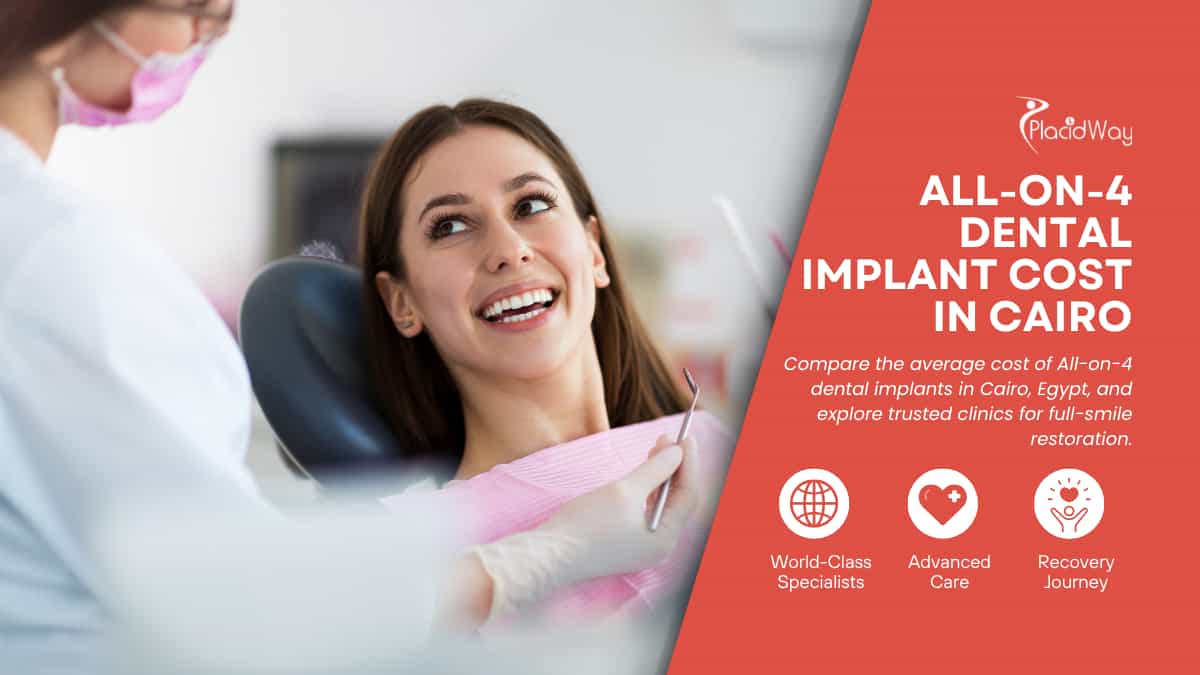
The average All on 4 dental implants cost in Cairo, Egypt typically ranges from $3,500 to $7,000 per arch. This estimate varies based on material choices, case complexity, and the specific facility chosen for your restorative care.
Key Takeaways
- Cost reductions are primarily driven by local economic factors, lower administrative overhead, and sensible living costs.
- The final treatment price is heavily influenced by the choice between standard acrylic and premium zirconia final prosthetics.
- Patients must proactively verify practitioner credentials through the Egyptian Dental Syndicate before committing to surgery.
- A complete arch restoration requires a minimum of two separate trips spaced several months apart to allow for proper bone healing.
- Travelers must accurately calculate the supplementary costs of flights, accommodations, and time away from work.
How Does the Price of Full Arch Restoration Compare Internationally?
Patients traveling from North America or Europe can expect to save a significant amount of money when seeking full arch restorations abroad. The economic differences between countries allow for substantial price reductions on complex surgical care.
In the United States, patients routinely face estimates exceeding twenty five thousand dollars per jaw for fixed prosthetics. These high fees are largely driven by domestic administrative overhead, expensive laboratory labor, and exorbitant malpractice insurance premiums. Such financial hurdles make comprehensive rehabilitation inaccessible for many individuals seeking to restore their oral function.
Conversely, providers in North Africa operate within a fundamentally different economic structure. Lower commercial rent, reduced utility costs, and sensible educational debt levels for medical professionals translate directly into lower patient fees. This allows practitioners to offer advanced reconstruction at a fraction of Northern prices without inherently sacrificing clinical safety.
It is vital to understand that this financial variance is tied to regional economics rather than clinical shortcuts. Many modern facilities maintain strict sterilization protocols and utilize advanced diagnostic imaging tools. Patients simply benefit from the favorable global currency exchange rate and localized market conditions.
| Procedure Category | Estimated US Cost | Estimated Egypt Cost |
|---|---|---|
| Full Arch Restoration (Acrylic) | $25,000 - $35,000 | $3,500 - $5,000 |
| Full Arch Restoration (Zirconia) | $35,000 - $50,000+ | $5,000 - $7,000 |
| Bone Grafting (Per Quadrant) | $400 - $1,200 | $200 - $450 |
What Factors Influence the Final Price of the Procedure?
The baseline cost of a full arch restoration is rarely the final amount paid, as several clinical and material variables impact the total invoice. Patients must secure an itemized treatment plan to understand these specific financial variables.
- Material Selection: The choice between a standard acrylic denture and a premium, highly durable zirconia bridge significantly alters the final price point of the restorative phase.
- Preparatory Surgeries: Patients lacking sufficient jawbone density may require extensive bone grafting or sinus lift procedures before the titanium posts can be safely anchored.
- Tooth Extractions: Removing remaining damaged or infected teeth prior to placing the surgical posts will add individual extraction fees to the overall treatment package.
- Anesthesia Requirements: Opting for deep intravenous sedation over standard local anesthesia requires specialized monitoring and incurs additional clinical costs.
- Diagnostic Imaging: Advanced 3D cone beam computed tomography scans are essential for safe surgical planning and are sometimes billed separately from the surgical intervention.
Are Premium Implant Materials Available in Egyptian Facilities?
Reputable facilities actively utilize internationally recognized, FDA cleared implant systems that are identical to those used by practitioners in North America. Global hardware brands are widely accessible across the region.
A frequent concern among international travelers is the assumption that lower geographic pricing equates to the use of substandard or generic surgical supplies. In reality, clinics focused on attracting international patients rely heavily on positive outcomes and prioritize the integration of proven, high quality global brands. These titanium posts are imported directly from leading manufacturers.
Titanium remains the undisputed industry standard for osseointegration, a vital biological process where the jawbone physically fuses to the surgical post. While these premium brands are accessible globally, patients must still act as their own advocates. It is highly recommended to request the exact brand name and material specifications from the provider before confirming travel arrangements.
Additionally, modern practices employ digital dentistry workflows to design and mill the final prosthetics. Computer aided design software allows technicians to create highly accurate and aesthetically pleasing zirconia bridges that rival the quality produced in any Western dental laboratory.
Did You Know?
Major global manufacturers distribute their specialized titanium hardware to authorized practitioners worldwide. A lower final invoice does not automatically mean the clinic is compromising on the structural integrity of the surgical materials.
How Can International Patients Verify Dentist Credentials Safely?
To promote a safe surgical outcome, prospective patients must verify a dentist's official credentials and specialty training. Confirming registration with local regulatory bodies is a crucial step in the planning process.
While operating a basic practice requires general licensing, surgically placing multiple titanium posts in a single jaw demands advanced, highly specialized training. Patients should never assume a provider is an experienced maxillofacial surgeon solely based on marketing materials. Thorough due diligence and independent credential verification are entirely the responsibility of the traveler.
Official verification begins by ensuring the practitioner holds active and unblemished registration with the Egyptian Dental Syndicate. Furthermore, the clinical facility must adhere to the strict sanitary and operational guidelines enforced by the Ministry of Health and Population. Patients have the right to request professional license numbers for independent review.
Beyond basic licensing, patients should look for documented postgraduate education in complex implantology from recognized academic institutions. Reputable surgeons are highly transparent regarding their clinical experience, their protocols for managing complications, and their portfolio of successful full arch rehabilitation cases.
What Makes This Destination Popular for Dental Rehabilitation?
The rising interest in medical tourism in Cairo, Egypt is fueled by a combination of highly trained medical professionals, favorable currency exchange rates, and a rich cultural landscape.
The region has invested heavily in modernizing its healthcare infrastructure to attract international visitors seeking complex care. A high volume of medical and dental graduates ensures a competitive local market, which naturally elevates the standard of care as clinics vie for international reputation. Many leading practitioners have completed supplementary training in Europe or North America.
Furthermore, the extreme affordability of local accommodations and transportation makes extended stays financially viable. Patients can recover in comfortable, medically supportive environments without rapidly depleting their savings. This economic reality significantly lessens the financial anxiety typically associated with major reconstructive surgery.
Finally, the opportunity to recover in a historically significant location provides a unique psychological benefit. While strict postoperative rest is mandatory, patients often appreciate spending their healing period in a welcoming environment, transforming a daunting medical procedure into a more manageable life experience.
How Many Visits Are Required for a Complete Arch Restoration?
Achieving a successful outcome for All on 4 dental implants in Cairo, Egypt generally requires at least two distinct trips. These visits are separated by a mandatory healing phase lasting three to six months.
A prevalent misconception in health travel is the idea that a patient can arrive, undergo surgery, and depart with permanent teeth in a matter of days. While same day immediate loading concepts exist, they invariably utilize temporary acrylic materials. The underlying jawbone needs several uninterrupted months to biologically fuse to the metal posts.
During the primary visit, the surgical team extracts failing teeth, performs necessary grafting, and anchors the implants. This crucial phase typically mandates a stay of seven to ten days to monitor initial tissue healing and ensure the patient is medically cleared to fly. The patient then returns to their home country wearing a functional but temporary prosthetic.
The secondary visit is scheduled only after radiological evidence confirms successful osseointegration. During this follow up trip, the provider takes highly accurate digital impressions and permanently secures the final custom milled bridge. Patients must strategically budget time off work and travel funds for both distinct phases.
What Hidden Logistical Expenses Should Patients Anticipate?
Focusing exclusively on the clinical invoice often leads to inaccurate budget planning. Travelers must account for the comprehensive costs of international flights, extended lodging, and potential lost domestic wages.
- Flight and Ground Transport: Securing round trip airfare for two separate visits, alongside daily taxi or private driver fees to and from the clinical facility, can add thousands to the final budget.
- Hotel Accommodations: Because complex surgeries require longer stays for monitoring and suture removal, patients must budget for two to three weeks of total hotel expenses across the treatment timeline.
- Specialized Dietary Needs: Postoperative care mandates a strict soft food diet. Purchasing specific compliant meals or arranging for specialized room service often costs more than standard dining.
- Unpaid Leave: Recovering from invasive jaw surgery often requires time away from physical labor or stressful professional environments, leading to a temporary loss of domestic income.
- Emergency Contingency Funds: Prudent travelers always set aside supplementary funds to cover unexpected flight changes, extended hotel stays, or local pharmacy expenses if minor healing delays occur.
What Are the Inherent Risks of Cross Border Surgical Care?
Seeking invasive care internationally introduces logistical and medical challenges, including fragmented follow up care, difficult communication during emergencies, and complex legal recourse.
The continuity of care is often disrupted when patients return home. Domestic dentists are frequently hesitant to manage complications arising from international surgeries due to professional liability concerns and a lack of familiarity with the specific hardware systems utilized abroad. This can leave patients struggling to find immediate help if an infection develops.
Important Consideration
The Centers for Disease Control and Prevention cautions that medical tourists face unique risks regarding antimicrobial resistance and infection. Patients must strictly obey all postoperative guidelines and avoid standard tourist activities until medically cleared.
Furthermore, standard surgical risks such as nerve injury, prolonged hematoma, and premature implant failure apply regardless of the geographical location. Managing these severe complications is exponentially more stressful when navigating different healthcare systems and attempting to communicate complex symptoms across varying time zones.
How Can Patients Find a Reliable All on 4 dental implants clinic in Cairo, Egypt?
Selecting a dependable facility requires meticulous independent research. Patients must evaluate clinical transparency, direct communication protocols, and verifiable patient testimonials before transferring any medical deposits.
A trustworthy clinical environment prioritizes comprehensive patient education over aggressive sales tactics. Reputable facilities will readily provide itemized quotes, detail the specific brands of hardware they utilize, and explain their exact protocols for handling surgical failures. Evasion of these direct questions is a significant warning sign.
Additionally, prospective travelers should request virtual consultations directly with the operating surgeon, not just a customer service representative. This interaction allows the patient to assess language proficiency, discuss their complex medical history, and determine if they feel personally comfortable with the provider assessing their case.
Finally, leveraging independent medical tourism facilitators or global healthcare platforms can provide an additional layer of information. These platforms often aggregate data regarding facility amenities, accreditation statuses, and general pricing structures, helping patients make a more educated final decision regarding their oral health.
Why Choose PlacidWay?
Navigating the complexities of international healthcare demands structured coordination and reliable information. PlacidWay operates as a dedicated global medical resource platform designed to connect patients with international providers.
- Global Network Access: Offers consumers a structured directory of medical centers and specialized dental professionals across numerous international destinations.
- Information Transparency: Delivers comparative data regarding clinical amenities, available restorative treatments, and realistic pricing estimates to aid in detailed research.
- Direct Clinical Communication: Facilitates the initial contact between prospective patients and foreign clinical teams to request customized, case specific medical evaluations.
- Educational Resources: Provides comprehensive articles, safety guidelines, and destination overviews to help users understand the clinical realities of cross border care.
- Streamlined Coordination: Assists patients in securely organizing their inquiries, digital imaging, and medical records before they commit to an international healthcare provider.
Frequently Asked Questions
Is bone grafting included in the standard package price?
Bone grafting is typically not included in the base price of a full arch restoration because not every patient requires it. If diagnostic imaging reveals severe bone loss, the surgeon must perform grafting prior to or during implant placement, which will incur an additional fee based on the volume of material needed.
Do local practitioners typically speak fluent English?
Many dental professionals who cater to international visitors are highly proficient in English. It remains essential for patients to verify language capabilities during the initial virtual consultation to guarantee that complex medical histories and treatment protocols can be discussed without miscommunication.
What type of prosthetic is provided during the first healing phase?
Following the surgical placement of the titanium posts, patients are typically fitted with a temporary acrylic denture. This temporary prosthetic allows for basic chewing and speaking functions while ensuring that the underlying implants are not subjected to excessive bite forces during the critical months of osseointegration.
How soon after surgery can patients safely board an airplane?
Surgeons generally advise patients to wait a minimum of 72 hours before flying after extensive oral surgery. Changes in cabin pressure can exacerbate swelling, increase discomfort, and elevate the risk of prolonged bleeding, making a brief recovery period in the destination city highly recommended.
Is intravenous sedation available for complex surgical cases?
Intravenous sedation is frequently available at advanced surgical centers to ensure patient comfort during lengthy arch restorations. Patients must explicitly request this service during the planning phase, as it requires the presence of a licensed anesthesiologist and typically involves a separate clinical fee.
What happens if an implant fails to integrate after returning home?
Managing complications across borders is a recognized challenge in medical tourism. While a facility may offer a replacement policy for the physical titanium hardware, the patient is almost always responsible for funding their own return travel, or they must seek corrective intervention locally at their own expense.
Are there specific dietary restrictions during the healing phase?
Patients must strictly adhere to a soft food diet for several months following the initial surgery. Consuming hard, crunchy, or chewy foods prematurely can exert undue pressure on the integrating posts, significantly increasing the risk of implant failure and requiring costly revision surgeries.
Can international health insurance cover treatments in North Africa?
Most standard domestic health and dental insurance plans do not provide direct coverage for elective procedures performed internationally. Patients should consult their specific insurance carrier to determine if out of network reimbursement is possible with translated, itemized medical receipts.
What payment methods are generally accepted by international providers?
Modern facilities generally accept major credit cards, direct bank wire transfers, and sometimes cash payments in major foreign currencies. Travelers must preemptively discuss transaction fees, currency exchange rates, and daily international card limits with both the provider and their banking institution.
Do visitors need a specialized medical visa for treatment?
Many international visitors can enter the country on a standard tourist e-visa for short term healthcare visits. However, immigration regulations change frequently, so patients must verify current passport validity and visa requirements with their local consulate long before scheduling their flights.
Compare Dental Implant Options
Evaluate transparent pricing, research international facilities, and gather the essential information required to make an educated decision regarding your oral rehabilitation.
Request Treatment InformationMedical & Pricing Disclaimer: Costs are estimates and vary by city, materials, and case complexity. This article is for informational purposes and does not constitute medical advice.
References
- Medical Tourism Guidelines – Centers for Disease Control and Prevention (CDC)
- Travel and Oral Health Guidelines – American Dental Association (ADA)
- Medical Tourism: A Case Series of Complications – National Institutes of Health (NIH)
- Prosthodontic complications of implant-supported prostheses – National Institutes of Health (NIH)
- Population-based Surveillance of Medical Tourism – Cambridge University Press
- Global Health Tourism Guidelines – World Health Organization (WHO)
-(1).png)


.png)
.png)
.png)

.png)










Share this listing