
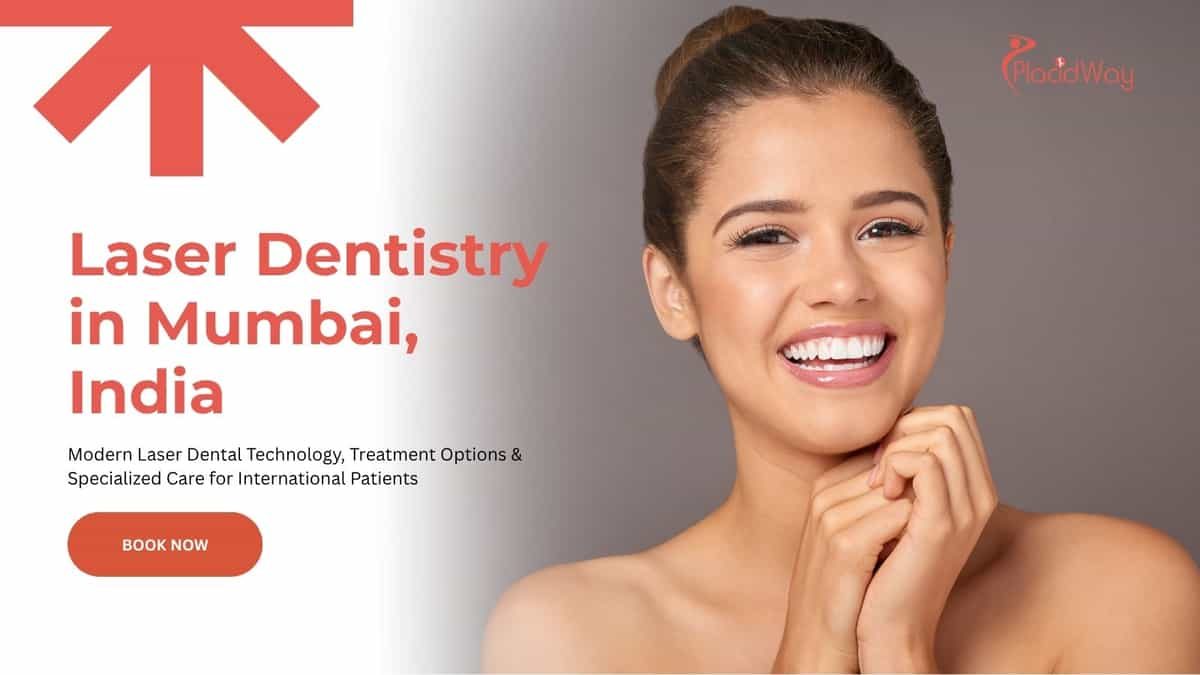
If dental anxiety or high clinic fees in your home country are keeping you from achieving optimal oral health, exploring advanced dental care abroad might be your ideal solution. You can access highly precise, minimally invasive procedures by choosing qualified specialists with verified Dental Council of India (DCI) credentials. This guide empowers you with everything you need to know about navigating costs, vetting NABH-accredited clinics, and planning a safe, comfortable medical journey.
Quick Answer Summary Box
- Estimated Cost: Typically ranges between $50 and $400 USD per session, depending on the exact procedure complexity.
- Safety Overview: Highly safe when performed by DCI-registered dentists using FDA-approved diode or erbium lasers.
- Ideal Candidate: Patients experiencing dental anxiety, needle phobia, sensitive gums, or those requiring precision tissue contouring.
- Recovery Time: Most patients resume normal activities within 24 hours with minimal swelling or bleeding.
- Why Mumbai, India: Offers English-speaking, internationally trained specialists operating in NABH-accredited facilities at a fraction of Western costs.
- Important Caution: Always verify that your chosen clinic holds a valid Clinical Establishments Act license and active registration with the Maharashtra State Dental Council (MSDC).
Why International Patients Choose General Dentistry Laser Treatment in Mumbai, India
Navigating dental issues can be intensely stressful, especially when faced with the steep costs of healthcare in regions like North America, Europe, or Australia. You might feel overwhelmed by long waiting times or the anxiety of traditional surgical instruments. Medical travelers increasingly look overseas to regain control over their oral health without draining their savings. The destination you choose matters significantly, and the local healthcare ecosystem must prioritize safety, modern technology, and regulatory compliance.
By traveling to a major medical hub, you gain access to state-of-the-art facilities specializing in minimally invasive techniques. Patients select this specific destination because it actively blends comprehensive regulatory oversight with advanced clinical practices.
- High Cost Savings: Patients often save 60% to 80% compared to out-of-pocket costs in the US, UK, or Australia.
- Advanced Technology Adoption: Top-tier clinics heavily invest in modern diode and erbium lasers for precise tissue management.
- Stringent Regulatory Oversight: Reputable centers adhere to the National Accreditation Board for Hospitals & Healthcare Providers (NABH) standards.
- No Language Barrier: English is the primary language used for medical education, clinical consultations, and legal documentation.
- Comprehensive Packages: Clinics often employ dedicated medical tourism coordinators to assist with airport transfers and accommodation.
- Primary Origin Countries: A significant portion of inbound patients travel from the USA, United Kingdom, Australia, Canada, and the UAE seeking affordable specialty care.
Inbound Dental Tourism Patient Volume Trends (2024–2026)
Documented annual growth of international patients seeking specialty dental care in major Indian metropolitan healthcare hubs.
Understanding the Science of General Dentistry Laser Treatment
To make an informed decision about your oral healthcare, you must understand exactly how clinical light amplification works inside the mouth. Traditional dentistry relies on mechanical rotary instruments, such as drills, or handheld scalpels to remove decay or reshape tissue. While effective, mechanical friction induces heat, vibration, and localized tissue trauma, which translates directly to patient discomfort and prolonged healing times.
A dental laser utilizes a highly focused beam of light energy to alter or remove tissue. When this concentrated light interacts with biological tissue, it produces a thermal reaction. Your dentist carefully calibrates the specific wavelength—often using a diode laser for soft gums or an erbium laser for hard enamel—to target specific cellular water content or tooth minerals.
Clinical Advantages Over Traditional Methods
Because the light beam cauterizes exposed nerve endings and small blood vessels simultaneously, the procedure greatly minimizes bleeding and post-operative swelling. Many patients report that this method reduces or completely eliminates the need for local anesthesia injections.
Patient Demographics for Dental Care in Mumbai, India
Understanding who travels for this specific medical service provides valuable context for your own journey. Data documented by health tourism registries between 2024 and 2026 indicates that patients spanning multiple generations actively seek advanced laser therapy. The motivations shift slightly depending on age; younger demographics often prioritize aesthetic contouring and needle-free procedures, while older demographics seek periodontal management and implant-supportive tissue care.
You may find it reassuring that clinics in this region cater to a diverse, global patient base. Medical coordinators are highly experienced in managing cross-cultural expectations, diverse dietary requirements, and specific international travel-health logistics.
Age Distribution of Inbound Dental Patients (2024–2026 Data)
Percentage breakdown of international patients utilizing dental clinics based on verified regional medical tourism demographics.
Evaluating the Cost of General Dentistry Laser Treatment in Mumbai, India
Financial transparency remains a primary concern for patients traveling abroad. While exact quotes depend entirely on your specific diagnosis, the required wavelength equipment, and the complexity of the intervention, the baseline affordability in this region is well documented. Clinics maintain lower operational overhead and benefit from local cost-of-living adjustments, allowing them to pass significant savings onto international patients without compromising clinical safety protocols.
You must always request an itemized written quote before traveling. Ensure your consultation clarifies whether the quoted price includes pre-operative X-rays, local anesthesia if required, the facility fee, and routine follow-up appointments. Hidden costs can emerge if specialized imaging, such as a CBCT scan, is unexpectedly required.
| Treatment Scope | Estimated Cost (USD) | Comparative Cost in USA/UK |
|---|---|---|
| Laser Gingivectomy (Gum Contouring) | $100 - $250 | $500 - $1,500 |
| Laser Frenectomy (Tongue/Lip Tie) | $80 - $180 | $400 - $900 |
| Periodontal Laser Pocket Therapy | $150 - $400 (per quadrant) | $600 - $2,000 (per quadrant) |
| Laser-Assisted Cavity Preparation | $50 - $120 (per tooth) | $250 - $500 (per tooth) |
How to Choose the Right Dental Hospital in Mumbai, India
Selecting a facility demands strict attention to regulatory compliance. You should never base your healthcare decision solely on marketing brochures or heavily discounted promotional packages. Instead, focus entirely on government licenses and national accreditation frameworks, which serve as objective markers for hygiene, safety protocols, and emergency preparedness.
In this specific region, the Clinical Establishments (Registration and Regulation) Act mandates basic facility standards. However, elite clinics voluntarily undergo rigorous audits to achieve higher levels of certification. By prioritizing these certifications, you significantly minimize your clinical risk.
Critical Facility Certifications to Verify
- NABH Accreditation: The National Accreditation Board for Hospitals & Healthcare Providers sets the highest national benchmark for patient safety, infection control, and facility management.
- Local Municipal Corporation License: Confirms the clinic meets urban health and safety regulations for biological waste disposal and infrastructure.
- ISO 9001 Certification: While non-medical, this demonstrates a structured quality management system for clinical operations and patient records.
- International Benchmarks: Facilities catering to international patients may also hold JCI (Joint Commission International) or Temos accreditation, though NABH remains the foundational national standard.
Verifying Your Dentist's Credentials in Maharashtra
The success and safety of your procedure rest entirely in the hands of your treating specialist. Operating a dental laser requires specific post-graduate training and a deep understanding of tissue physics. Misusing a laser can lead to tissue damage, making provider qualification your most important safety checkpoint.
Always verify the individual professional credentials of your attending doctor. They must possess a valid degree recognized by the national authorities and hold active registration within the state where they practice. Look for dentists who have completed specialized fellowship programs in laser dentistry from recognized academic institutions.
Mandatory Doctor Credentials Checklist
- Dental Council of India (DCI) Registration: The primary national regulatory body. Your doctor's name must appear in the national register.
- Maharashtra State Dental Council (MSDC): Required for legal clinical practice within the state limits.
- MDS Qualification: A Master of Dental Surgery indicates advanced post-graduate specialization beyond general dentistry.
- Professional Affiliations: Active membership in the Indian Dental Association (IDA) or international laser dentistry academies reflects ongoing professional education.
Evaluating Candidacy for General Dentistry Laser Treatment
While highly effective, light-based therapy does not suit every dental condition. You must undergo a thorough clinical assessment to determine if this approach aligns with your specific oral pathology. Lasers perform exceptionally well for soft tissue management and early decay removal, but they cannot replace traditional methods for every scenario.
During your initial virtual or in-person consultation, your specialist will review your dental history, current medications, and panoramic X-rays. Patients with certain pre-existing conditions or extensive restorative needs may require a combined approach utilizing both traditional tools and advanced light therapy.
Highly Suitable For:
- Patients with severe dental anxiety or needle phobia.
- Individuals requiring precision gum contouring or reshaping.
- Patients managing early-stage periodontal (gum) disease.
- Those needing minor cavity preparation without extensive drilling.
May Not Be Suitable For:
- Removing defective amalgam (silver) restorations or old crowns.
- Preparing teeth for deep dental bridges or complex crowns.
- Cavities located strictly between teeth where light access is blocked.
- Patients requiring extensive, deep root canal therapy shaping.
Travel and Visa Preparation for Medical Tourists in India
Organizing a cross-border healthcare journey involves careful administrative planning. You must ensure your travel documents align with the host country's immigration regulations. India has streamlined this process significantly for international patients by introducing a dedicated visa category designed to facilitate access to healthcare facilities.
Start your visa application only after receiving an official invitation letter from your chosen NABH-accredited facility. This document serves as proof of your scheduled medical appointment and is required by immigration authorities. Plan to arrive at least one to two days before your scheduled clinical consultation to allow your body to recover from travel fatigue.
Pre-Travel Action Timeline
- 4 Weeks Prior: Finalize clinic selection, request a formal invitation letter, and apply for the Indian e-Medical Visa.
- 3 Weeks Prior: Forward all recent digital dental records, panoramic X-rays, and medical history documents to your clinic coordinator.
- 2 Weeks Prior: Book flights and accommodation. Confirm airport transfer protocols with your clinic's international desk.
- 1 Week Prior: Review post-operative dietary restrictions and pack appropriate soft foods or supplements if required.
The Step-by-Step Consultation and Pre-Procedure Phase
Your treatment journey begins with a comprehensive, in-person clinical evaluation upon arrival. Even if you completed a robust virtual consultation, your dentist must physically examine your oral cavity and take fresh diagnostic imaging. This step ensures that no changes have occurred since your last X-ray and allows the specialist to map the precise treatment area.
During this phase, you will discuss the exact laser wavelength intended for use, the expected outcome, and the specific limitations of the procedure. You will also sign informed consent documents. Ensure you ask any lingering questions about pain management, expected sensations, and emergency contact procedures before sitting in the treatment chair.
The Clinical Application of General Dentistry Laser Treatment
The actual application of light energy inside the mouth follows a highly structured, strict safety protocol. Before the device is activated, both you and the clinical staff must wear specialized protective eyewear designed to filter out the exact wavelength of the laser being used. This prevents any accidental retinal exposure to reflected light.
Once safety protocols are established, the dentist directs the fiber-optic tip toward the target tissue. You may hear a slight popping or clicking sound, and you might feel a gentle warming sensation or a spray of cooling water. Because the light energy works rapidly to ablate tissue while simultaneously sealing blood vessels, the procedural timeframe is often considerably shorter than traditional surgical interventions.
Potential Risks and Safety Protocols
No medical or dental procedure is entirely risk-free. While lasers significantly reduce the risk of mechanical trauma and post-operative bleeding, they introduce unique clinical variables that require expert management. Tissue damage can occur if the device is set to an incorrect power output or if the operator exposes a single area for too long.
By selecting a highly credentialed specialist registered with the State Dental Council, you drastically reduce these risks. Reputable clinics follow strict continuous education requirements to ensure their staff remains updated on the latest tissue physics and safety guidelines.
| Potential Risk | Clinical Cause | Clinic Prevention Strategy |
|---|---|---|
| Thermal Tissue Damage (Burns) | Excessive power setting or prolonged exposure on one spot. | Use of pulsed light delivery and integrated water-cooling systems. |
| Ocular (Eye) Injury | Accidental exposure to scattered or reflected laser beams. | Mandatory wavelength-specific protective safety glasses for all persons in the room. |
| Delayed Wound Healing | Over-ablation of tissue or underlying patient systemic health issues. | Thorough pre-operative health screening and conservative tissue removal. |
Post-Procedure Recovery Timeline for General Dentistry Laser Treatment
Healing following light-assisted dental care is characteristically rapid compared to traditional scalpel surgery. Because the device promotes immediate blood clotting and sterilizes the surgical site during application, patients typically experience far less inflammation. However, proper tissue regeneration still requires careful adherence to post-operative guidelines.
Your individual healing speed depends entirely on your systemic health, immune response, and the extent of the procedure performed. Adhering to rest protocols and dietary restrictions during the first 72 hours dictates the overall success of your recovery.
| Timeframe | Biological Process | Patient Sensation | Action Required |
|---|---|---|---|
| First 24 Hours | Initial clot stabilization and fibrin network formation. | Mild tenderness, rare instances of minor swelling. | Consume only cold/room-temperature liquids. Avoid chewing on the treated side. |
| Days 2 to 3 | Cellular proliferation and initial epithelial tissue closure. | Tenderness subsides. Gum tissue may appear temporarily white or gray. | Begin warm saltwater rinses gently. Maintain a strictly soft diet. |
| 1 to 2 Weeks | Collagen remodeling and mature tissue integration. | Normal sensation restored. Visual signs of healing apparent. | Attend final post-op evaluation. Resume normal brushing techniques carefully. |
Long-Term Aftercare Following General Dentistry Laser Treatment in Mumbai, India
Securing a successful outcome extends beyond the clinic doors. While your dentist ensures clinical precision, your daily oral hygiene routine determines the longevity of the results. Failing to maintain a plaque-free environment can quickly reverse the benefits of periodontal laser therapy or compromise healing tissue.
Before you depart for your home country, establish a clear follow-up schedule with your international coordinator. Many top-tier facilities offer digital telemedicine consultations to monitor your progress once you return home. You should also secure a detailed treatment report and all post-operative X-rays to share with your local hometown dentist.
Comparing Laser Therapy Against Traditional Dental Procedures
Patients frequently ask how this technology fundamentally differs from standard dental practices. Traditional instruments rely heavily on physical force, which creates micro-fractures in enamel and significant trauma in soft gum tissues. This mechanical approach inherently requires stronger pharmaceutical intervention to manage patient pain during and after the session.
In contrast, optical energy approaches the tissue at a cellular level. By vaporizing water molecules within the targeted cells, the structure breaks apart cleanly without affecting surrounding healthy areas. This level of precision fundamentally alters the patient experience, turning historically painful procedures into highly tolerable, outpatient appointments.
Planning Your Return Journey and Travel Clearances
Flying shortly after medical or dental interventions requires clearance from your attending specialist. Fortunately, because laser treatments are minimally invasive, most patients receive clearance to fly within 48 to 72 hours following the procedure. Cabin pressure changes rarely affect superficial soft-tissue treatments.
However, if your procedure involved deeper tissue work or was combined with extractions or implant placements, your doctor may recommend remaining in the country for a full week. Always prioritize clinical healing timelines over travel convenience to prevent post-operative complications at high altitudes.
Frequently Asked Questions
Is General Dentistry Laser Treatment completely painless?
While it drastically reduces discomfort compared to traditional drilling, it is rarely entirely sensation-free. Most patients feel a minor warming sensation or light pressure. Depending on your pain threshold and the procedure's depth, your dentist may still recommend a mild local anesthetic to ensure total comfort.
How do I know if my dental clinic in Mumbai holds valid NABH accreditation?
You can verify a hospital or clinic’s accreditation status directly through the official website of the National Accreditation Board for Hospitals & Healthcare Providers (NABH). Additionally, reputable clinics will readily provide their active certification number upon request.
Can lasers cure periodontal (gum) disease permanently?
No dental treatment guarantees a permanent cure for periodontal disease. However, laser therapy effectively removes infected tissue and bacteria, deeply sanitizing the periodontal pockets. Long-term management requires strict adherence to daily oral hygiene and regular professional cleanings.
Are dental lasers safe for children requiring cavity treatment?
Yes, in many cases, pediatric dentists prefer lasers for minor cavity preparations and frenectomies. The lack of drill noise and reduced need for needles significantly lowers pediatric dental anxiety. Always consult a specialist to ensure the child is a suitable candidate.
What specific eye protection is required during the procedure?
Both the patient and the dental team must wear specialized, wavelength-specific safety glasses. These glasses are strictly calibrated to block the exact optical frequency emitted by the specific diode or erbium laser being used, preventing retinal damage.
Will I need to stay overnight in the hospital for this treatment?
No. General dentistry laser applications are strictly outpatient procedures. You can safely return to your hotel immediately following the appointment. Most patients resume non-strenuous daily activities within just a few hours.
Does the Indian e-Medical Visa cover dental treatments?
Yes, international patients seeking specialized dental care can apply for an e-Medical Visa. You will need a formal invitation letter from a recognized, licensed healthcare facility in India outlining your proposed treatment plan and estimated duration of stay.
How much does laser gum contouring cost in Mumbai compared to the USA?
Laser gingivectomy (gum contouring) in this region typically ranges between $100 and $250 USD. In contrast, patients in the United States often pay between $500 and $1,500 USD for the same procedure, presenting substantial savings for medical travelers.
Can lasers remove old amalgam fillings or dental crowns?
No. Dental lasers interact with biological tissue and water content. They cannot effectively cut through metallic amalgam restorations, gold, or porcelain crowns. Traditional mechanical instruments are still required for removing old restorations.
What should I do if I experience excessive bleeding after laser therapy?
Because lasers cauterize tissue, excessive bleeding is highly uncommon. However, if persistent bleeding occurs, apply gentle pressure with sterile gauze and contact your clinic's emergency support line immediately for clinical guidance.
Ready to Plan Your Treatment Journey?
Navigating international healthcare options can feel complex. PlacidWay can help you compare certified providers, understand exact treatment costs, and request essential medical records from vetted clinics.
Request Free Clinic InformationDisclaimer: This information is for educational purposes only and does not replace professional medical advice. Always consult a qualified healthcare provider before making medical decisions.
References
- Dental Council of India (DCI) – Regulatory Guidelines and Dentist Registry
- National Accreditation Board for Hospitals & Healthcare Providers (NABH) – Dental Facility Standards
- U.S. Food and Drug Administration (FDA) – Medical Lasers Safety Guidelines
- National Center for Biotechnology Information (NCBI) – Efficacy of Dental Lasers in Periodontal Therapy
- Government of India – Official e-Medical Visa Requirements and Guidelines
- Ministry of Tourism, Government of India – Medical Value Travel and Demographic Data 2024
- Maharashtra State Dental Council (MSDC) – Licensing and Verification





















Share this listing