
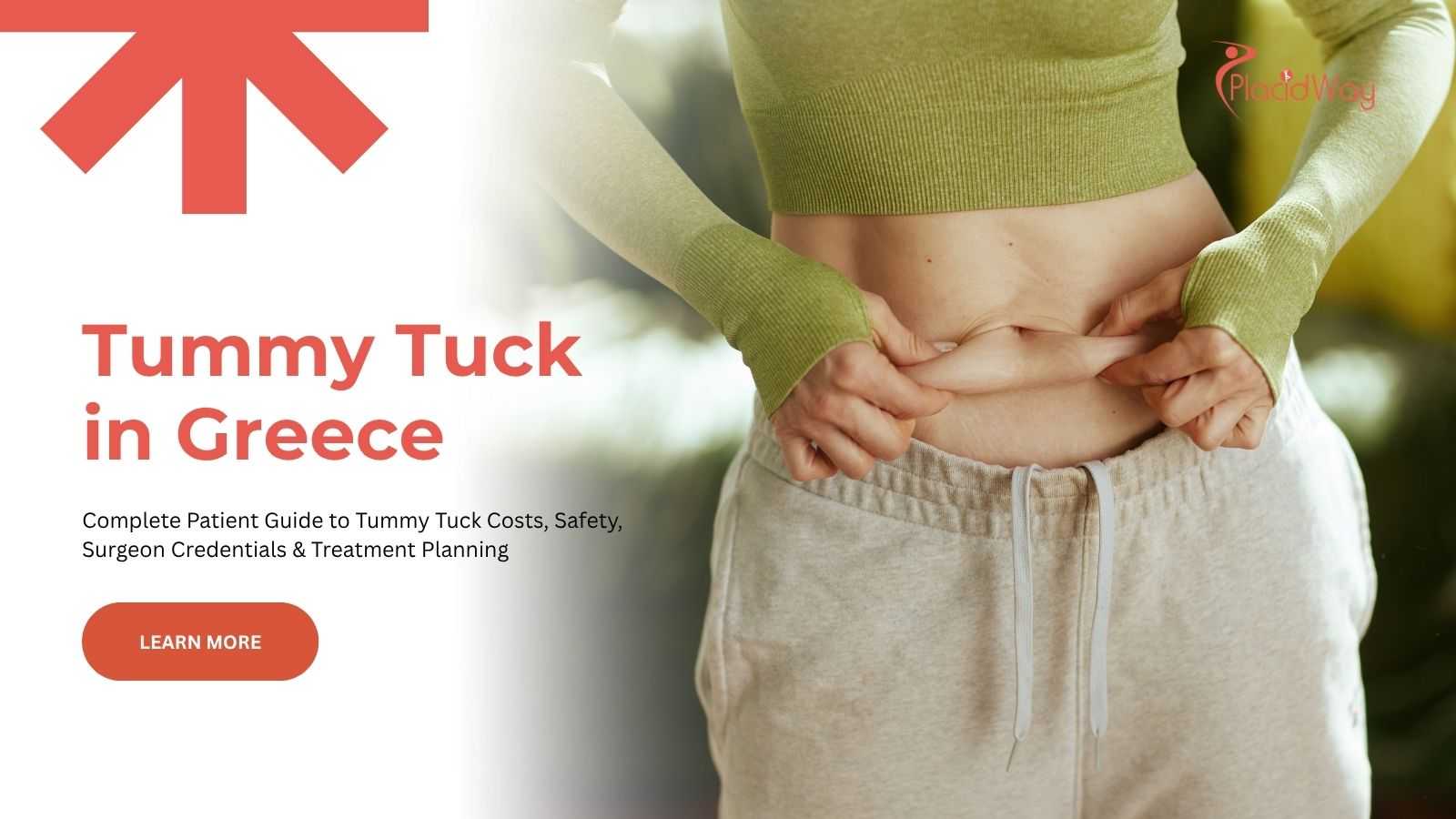
Struggling with loose abdominal skin after pregnancy or major weight loss often leaves you searching for affordable, high-quality cosmetic solutions abroad. If you are exploring the cost of abdominoplasty surgery in Europe, Greece offers an appealing balance of advanced medical care and lower out-of-pocket expenses compared to the UK or the US. When deciding on a provider, verifying your surgeon's active membership with the Hellenic Society of Plastic Reconstructive and Aesthetic Surgery (HESPRAS) ensures your procedure meets strict national safety standards.
Quick Summary: Tummy Tuck in Greece
- Estimated Cost: Typically ranges between $3,500 and $6,000 USD, depending on procedure complexity and clinic location.
- Safety & Certifications: Look for clinics licensed by the Greek Ministry of Health and surgeons registered with the Hellenic Medical Association and HESPRAS.
- Ideal Candidate: Non-smokers at a stable weight who have loose abdominal skin or separated abdominal muscles (diastasis recti).
- Recovery Time: Expect to stay in Greece for 10 to 14 days for initial recovery and post-operative clearance before flying home.
- Why Choose Greece: High EU healthcare standards, experienced board-certified plastic surgeons, transparent pricing, and a relaxing Mediterranean environment.
- Important Caution: Flying too soon after major surgery increases the risk of deep vein thrombosis (DVT); always wait for your surgeon's explicit clearance to travel.
Why Consider a Tummy Tuck in Greece?
Many international patients seeking body contouring choose European destinations for their strict regulatory frameworks and high medical standards. Deciding to undergo a tummy tuck (abdominoplasty) is a significant medical and financial commitment. Greece has emerged as a preferred destination because it actively combines modern surgical facilities with a highly regulated healthcare ecosystem.
When you look beyond your home country, you want assurance that the medical care equals or exceeds what you would receive locally. Greek plastic surgeons often train extensively across Europe and the United States, bringing advanced techniques back to private clinics in Athens, Thessaloniki, and Crete.
- EU Healthcare Standards: Private clinics adhere to stringent European Union medical guidelines regarding hygiene, sterilization, and patient care.
- Cost Transparency: Medical packages typically provide upfront pricing without the hidden hospital fees common in the US.
- Expertise in Body Contouring: Greek surgeons frequently handle complex postpartum reconstructions and massive weight loss cases.
- Favorable Exchange Rates: Patients from the US and the UK often benefit from favorable currency conversion rates.
- Comfortable Recovery Environment: The mild Mediterranean climate and privacy of recovery retreats help reduce post-operative stress.
Understanding the Abdominoplasty Procedure
A tummy tuck, clinically known as abdominoplasty, is a major surgical procedure designed to flatten the abdomen by removing excess fat and skin, and in most cases, tightening the abdominal wall muscles. It is not a weight-loss surgery, but rather a contouring procedure meant to address tissue laxity that does not respond to diet or exercise.
During the operation, the surgeon makes a horizontal incision between the pubic hairline and the belly button. The length of this incision depends on the amount of excess skin. Once the skin is lifted, the surgeon repairs weakened or separated abdominal muscles (diastasis recti) by suturing them together. This step creates a firmer abdominal wall and a narrower waistline.
The skin is then pulled downward, the excess is trimmed away, and the remaining skin is sutured back into place. A new opening is typically created for the belly button, bringing it through to the surface and stitching it into its new position. The procedure usually requires general anesthesia and takes between two to four hours to complete, depending on the complexity of your specific case.
Medical Fact: Diastasis recti occurs when the two large parallel bands of muscles that meet in the middle of the abdomen separate, often due to pregnancy. Abdominoplasty physically pulls these muscles back together, repairing the structural integrity of the core.
Ideal Candidates for Abdominoplasty in Greece
Determining your eligibility is the first crucial step before booking consultations abroad. A tummy tuck requires a healthy body capable of healing from significant surgical trauma. Surgeons evaluate your medical history, current body mass index (BMI), and aesthetic goals to ensure the procedure is safe for you.
Good candidates typically share several common physiological and lifestyle traits. If you are actively losing weight, your surgeon will likely recommend waiting until your weight stabilizes for at least six months. Fluctuations in weight after surgery can stretch the newly tightened skin and reverse the results.
You may be a suitable candidate if you meet the following criteria:
- You are physically healthy and do not suffer from chronic conditions that impair healing, such as uncontrolled diabetes or severe cardiovascular disease.
- You maintain a stable weight close to your ideal BMI.
- You have excess, sagging abdominal skin following pregnancy or substantial weight loss.
- You do not smoke, or you are willing to completely stop smoking and using nicotine products for at least four to six weeks before and after surgery.
- You have realistic expectations about the surgical outcomes and the permanence of the resulting horizontal scar.
Tummy Tuck Patient Demographics in Greece
Understanding who travels for this procedure can provide helpful context for your own journey. Recent demographic data spanning 2024 to 2026 indicates a steady volume of cross-border patients seeking aesthetic body contouring in Southern Europe. The data highlights specific age brackets and gender distributions among international patients utilizing Greek private medical facilities.
Women account for the vast majority of abdominoplasty patients, primarily seeking postpartum restoration or post-bariatric skin removal. The largest age cohort consists of individuals between 35 and 50 years old, which aligns with the typical timing for family completion and long-term weight stabilization.
Age Distribution of Abdominoplasty Patients in Southern Europe (2024 Data)
The steady flow of international patients highlights a strong reliance on European surgical expertise. Medical tourism registries note that international patients prioritize safety, board certification, and comprehensive aftercare protocols when selecting their overseas providers. This established patient pathway means clinics in Greece are highly experienced in managing cross-border medical logistics.
Documented Inbound Aesthetic Surgery Patients in Greece (2024-2026 Trends)
Types of Tummy Tuck Surgeries Available
Not every patient requires the same surgical approach. During your initial online consultation, your Greek surgeon will assess your abdominal anatomy to recommend the most appropriate technique. The chosen method directly impacts your recovery timeline, scarring, and final financial quote.
| Procedure Type | Target Area | Incision Profile | Muscle Repair |
|---|---|---|---|
| Full Abdominoplasty | Entire abdominal area above and below the navel | Hip-to-hip horizontally, plus an incision around the belly button | Yes, addresses full length of diastasis recti |
| Mini Abdominoplasty | Lower abdomen only (below the navel) | Shorter horizontal incision just above the pubic area | Rarely, or only the lower abdominal muscles |
| Extended Abdominoplasty | Abdomen, flanks, and lower back | Wraps around the hips into the lower back | Yes, comprehensive core repair |
Step-by-Step Patient Journey in Greece
Traveling for surgery requires meticulous planning. Knowing exactly what will happen from the moment you land in Greece until you board your flight home helps alleviate anxiety. Reputable clinics provide a dedicated patient coordinator to assist you through each phase of this timeline.
- Day 1: Arrival and Settling In. You arrive at the airport and transfer to your hotel. Rest and hydrate to recover from the flight.
- Day 2: In-Person Consultation. You visit the clinic to meet your surgeon. They will perform a physical examination, review pre-op blood tests, finalize surgical markings, and answer last-minute questions.
- Day 3: Surgery Day. You arrive at the hospital fasting. The procedure is performed under general anesthesia. You will typically spend one to two nights in the hospital for close monitoring.
- Days 4-7: Initial Recovery. You are discharged to your hotel or recovery facility. You must wear a compression garment and walk slightly bent over to reduce tension on the incision.
- Days 8-10: Follow-up and Drain Removal. You return to the clinic so the surgeon can inspect the incision, change dressings, and remove surgical drains if utilized.
- Days 11-14: Clearance for Travel. The surgeon performs a final evaluation to ensure you are medically fit to fly home.
Cost of a Tummy Tuck in Greece vs. Other Countries
Cost is a primary driver for medical travel, but it must be weighed carefully against safety and surgical expertise. The cost of a tummy tuck in Greece varies based on the surgeon's experience, the facility's location, the type of anesthesia used, and whether you require an overnight hospital stay.
A standard quote from a Greek clinic usually includes the surgeon's fee, operating room costs, anesthesia, and routine post-operative garments. However, always ask your coordinator for an itemized breakdown to avoid surprises related to pre-op blood work, post-op medications, or extended hospital stays.
| Country | Estimated Cost (USD) | Primary Cost Factors |
|---|---|---|
| Greece | $3,500 - $6,000 | Lower operational overhead, competitive EU pricing |
| United States | $8,000 - $15,000+ | High facility fees, expensive local anesthesia costs |
| United Kingdom | $7,500 - $12,000 | High private hospital fees, high cost of living |
| Turkey | $2,500 - $4,500 | Government subsidies for medical tourism, lower currency value |
How to Choose the Right Clinic in Greece
Your safety depends heavily on the facility where the surgery is performed. While Greece features excellent private healthcare facilities, you must verify their credentials before transferring any deposits. You should prioritize clinics that operate transparently and welcome inquiries about their safety protocols.
First, verify that the clinic or hospital holds a valid operating license from the Greek Ministry of Health. This is the foundational requirement for legal medical practice in the country. Many top-tier private hospitals in Athens and Thessaloniki also adhere to national accreditation systems that monitor infection rates and emergency preparedness.
Ensure the facility has an on-site Intensive Care Unit (ICU) or a formal, immediate transfer protocol to a major hospital in the rare event of a severe surgical complication. Ask the clinic about their exact emergency response procedures. Facilities equipped to handle emergencies demonstrate a commitment to comprehensive patient safety over simple aesthetic outcomes.
Selecting a Qualified Plastic Surgeon in Greece
The skill and credentials of your surgeon dictate your aesthetic results and clinical safety. In Greece, plastic surgery is a highly regulated specialty. You should never compromise on the verification of your doctor’s medical background.
Look for a surgeon registered with the Hellenic Medical Association. More importantly, they must be an active, board-certified member of the Hellenic Society of Plastic Reconstructive and Aesthetic Surgery (HESPRAS). Membership in HESPRAS ensures the surgeon has completed the mandatory years of specialized training specifically in plastic surgery, rather than general medicine.
Additionally, many leading Greek surgeons hold certification from the European Board of Plastic Reconstructive and Aesthetic Surgery (EBOPRAS). This certification indicates they meet rigorous, standardized European benchmarks for surgical excellence.
Patient Takeaway: During your consultation, ask the surgeon: "How many tummy tucks do you perform annually?" and "What is your specific protocol for managing post-operative complications for international patients?"
Preparation and Pre-Operative Guidelines
Proper preparation significantly reduces the risk of intraoperative and post-operative complications. Your Greek medical team will provide a detailed checklist several weeks before your departure. Adhering strictly to these guidelines is vital for a safe surgical outcome.
Nicotine constricts blood vessels, severely impairing blood flow to the skin. This can lead to tissue necrosis (skin death) and delayed wound healing along the incision line. Therefore, you must stop smoking and consuming all nicotine products at least four to six weeks prior to surgery. Your surgeon may cancel the operation if nicotine is detected in your pre-op bloodwork.
You must also inform your surgeon about every medication, vitamin, and herbal supplement you take. Certain over-the-counter drugs, such as aspirin and ibuprofen, act as blood thinners and increase the risk of severe bleeding during surgery. Your doctor will instruct you on which medications to pause and when it is safe to resume them.
Post-Operative Recovery Timeline and Travel Safety
Recovery from a tummy tuck is intense and requires patience. You will experience tightness, swelling, and discomfort, especially during the first few days. Understanding the biological timeline of healing helps you set realistic expectations for your time in Greece.
| Timeframe | Biological Process | Patient Experience | Action Required |
|---|---|---|---|
| Days 1-3 | Acute inflammatory phase; muscle repair stabilization | Significant soreness, tightness, grogginess from anesthesia | Rest, take prescribed pain medication, walk slightly bent over to relieve tension |
| Days 4-7 | Fluid drainage peaks; early tissue adhesion begins | Moderate pain, visible bruising, localized swelling | Wear compression garment 24/7, perform light walking to promote circulation |
| Days 8-14 | Incision begins surface healing; fluid production slows | Pain transitions to itching and tightness; energy slowly returns | Attend follow-up for drain removal; prepare for medical travel clearance |
| Weeks 3-6 | Internal dissolving sutures break down; collagen remodeling starts | Swelling fluctuates; numbness near incision is common | Gradually resume normal standing posture; avoid heavy lifting or core exercises |
Travel safety is a paramount concern. Flying too soon after major surgery significantly increases the risk of Deep Vein Thrombosis (DVT)—a dangerous blood clot that can form in the legs. You must strictly follow your surgeon's timeline for flying. Drink plenty of water, wear prescribed compression stockings, and perform seated leg exercises during your flight home.
Safety Warning: Never book your return flight earlier than recommended by your clinic. Most surgeons require international patients to remain in Greece for a minimum of 10 to 14 days after an abdominoplasty.
Potential Risks and Complications of Abdominoplasty
No surgical procedure is without risk. While traveling to Greece provides access to highly trained specialists, you must understand the clinical risks associated with major body contouring surgery. Informed consent requires acknowledging both the benefits and the potential complications.
Common, manageable side effects include swelling, bruising, and temporary numbness around the lower abdomen. However, surgical complications can occur. A seroma is a buildup of fluid under the skin that may require drainage by your surgeon. Hematomas (blood collection) and localized infections along the incision line are also possible.
More severe risks include poor wound healing, tissue necrosis, and blood clots. To mitigate these risks, your surgical team will prescribe antibiotics, utilize surgical drains, mandate compression garments, and encourage early, light mobilization to maintain healthy blood circulation.
Combining Procedures: The Mommy Makeover in Greece
Many patients traveling to Greece opt to combine their tummy tuck with other procedures to maximize the value of their travel and consolidate recovery time. This combined approach is frequently referred to as a "Mommy Makeover."
The most common procedures paired with abdominoplasty include breast augmentation, breast lifting (mastopexy), and liposuction of the flanks. While combining surgeries reduces overall facility fees and limits your exposure to general anesthesia to a single event, it significantly increases the trauma to your body and extends the acute recovery phase.
Pros of Combining Procedures
- Single period of general anesthesia.
- One consolidated recovery timeline.
- Lower total cost compared to separate trips.
- Comprehensive body contouring results.
Cons of Combining Procedures
- Longer time spent under anesthesia.
- More intense initial post-operative pain.
- Increased risk of surgical complications.
- Requires a longer stay in Greece before flying.
Dietary and Lifestyle Adjustments After Surgery
Your surgical outcome in Greece is only the beginning of your body contouring journey. Long-term results depend entirely on your post-operative lifestyle choices once you return home. An abdominoplasty removes existing excess skin and fat, but it does not prevent future weight gain or muscle separation from subsequent pregnancies.
To preserve your results, you must maintain a stable, healthy diet rich in lean proteins, which aid in cellular repair and wound healing. Minimize sodium intake during the first few months to help your body process and eliminate residual surgical swelling. Once your surgeon clears you for strenuous activity—typically around six to eight weeks post-op—incorporating a consistent fitness routine will help maintain your new abdominal contour.
What Happens if You Need a Revision?
A critical consideration for medical tourism is how complications or the need for revision surgeries are handled once you return home. Because your surgeon is in Greece, immediate in-person follow-up for delayed complications can be logistically challenging.
Before paying for your procedure, thoroughly review the clinic’s revision policy. Ask explicitly who covers the cost of medical care if a complication arises. Reputable clinics often cover the surgeon's fee for a revision but may require you to pay for the facility fees and return flights. Additionally, check if the clinic offers or accepts specialized medical complications insurance designed specifically for medical tourists.
Frequently Asked Questions
How long must I stay in Greece after a tummy tuck?
You typically need to stay in Greece for 10 to 14 days following your surgery. This allows your surgeon to monitor your early healing, remove drains, and ensure you are medically cleared to handle the physical stress of an international flight home without an elevated risk of blood clots.
Does a tummy tuck leave a noticeable scar?
Yes, abdominoplasty requires a horizontal incision across the lower abdomen, which leaves a permanent scar. However, experienced Greek surgeons strategically place this incision low enough on the bikini line so that it can be easily hidden under standard underwear or swimwear.
Can I have a tummy tuck if I plan to get pregnant again?
While physically possible, surgeons strongly advise against undergoing the procedure until you are finished having children. Future pregnancies can stretch the repaired abdominal muscles and newly tightened skin, largely reversing the surgical results and requiring revision surgery.
Is the procedure performed under general anesthesia?
Yes, because a full tummy tuck involves muscle repair and significant tissue removal, it is routinely performed under general anesthesia. You will be completely asleep and monitored by a board-certified anesthesiologist throughout the operation.
How do I verify a plastic surgeon in Greece?
You can verify their credentials by ensuring they are registered with the Hellenic Medical Association and checking their active membership with the Hellenic Society of Plastic Reconstructive and Aesthetic Surgery (HESPRAS) or the European Board (EBOPRAS).
When can I resume normal physical exercise?
Light walking is encouraged immediately to promote blood flow. However, you must avoid heavy lifting, strenuous cardio, and direct abdominal exercises for at least six to eight weeks. Your surgeon will provide specific milestones based on your healing progress.
Will insurance cover my tummy tuck in Greece?
Standard health insurance typically views abdominoplasty as an elective cosmetic procedure and does not cover it. In rare cases where it treats a documented medical issue like severe hernias, partial coverage might apply locally, but policies rarely cover cross-border elective treatments.
What is a seroma, and how is it treated?
A seroma is a pocket of clear fluid that can build up under the skin after tissue removal. Surgeons typically place temporary drains to prevent this. If a seroma develops after drains are removed, a doctor can safely extract the fluid using a simple needle procedure.
Are the cost estimates inclusive of everything?
Many Greek clinics offer all-inclusive packages covering the surgeon, facility, anesthesia, and early follow-up appointments. Always request an itemized written quote to confirm if items like pre-op blood tests, post-op garments, medications, and hotel stays are included.
Will there be a language barrier at the hospital?
Major private clinics in Greece catering to international patients typically employ fluent English-speaking medical staff. Many clinics also assign a dedicated multilingual patient coordinator to guide you through consultations, surgery, and discharge instructions.
Ready to Explore Your Options in Greece?
Navigating international healthcare choices can be challenging. PlacidWay can help you compare board-certified surgeons, review verifiable clinic credentials, and understand comprehensive treatment costs in Greece.
Request Free InformationDisclaimer: This information is for educational purposes only and does not replace professional medical advice. Always consult a qualified healthcare provider before making medical decisions.
References
- ISAPS Global Statistics on Aesthetic Procedures – International Society of Aesthetic Plastic Surgery
- Official Member Guidelines and Standards – Hellenic Society of Plastic Reconstructive and Aesthetic Surgery (HESPRAS)
- European Standards in Plastic Surgery – European Board of Plastic Reconstructive and Aesthetic Surgery (EBOPRAS)
- Abdominoplasty Safety and Risks – American Society of Plastic Surgeons
- Medical Tourism Travel Guidelines and DVT Risks – Centers for Disease Control and Prevention (CDC)
- Healthcare Regulations and Patient Rights – Ministry of Health, Hellenic Republic
























Share this listing