
Living with physical insecurities can heavily impact your daily confidence. You might want to address changes in your body after pregnancy or significant weight loss. However, you probably find that accessing aesthetic procedures in the United States or Canada feels financially impossible. You might struggle to justify spending thirty thousand dollars on a body contouring procedure when you have a family to support or a mortgage to pay. This guide helps you navigate affordable board certified plastic surgery in Tijuana Mexico. You can typically save 50% to 70% on procedures by traveling across the border. The key to a safe medical journey lies in verifying specific credentials. You must ensure your chosen clinic holds a valid COFEPRIS license from the Mexican government. Furthermore, you must verify your surgeon holds active certification from the CMCPER (Consejo Mexicano de Cirugía Plástica, Estética y Reconstructiva). We will show you exactly how to evaluate your healthcare provider, understand surgical biology, and plan a secure trip.

Key Takeaways:
- Estimated Investment: Expect to pay $3,500 to $12,000 USD depending on the complexity of your surgical plan. This generally saves you 50% to 70% compared to average US pricing.
- Safety Overview: Aesthetic surgery is clinically safe when you select a facility licensed by COFEPRIS and a surgeon credentialed by recognized national medical boards.
- Required Certifications: You must verify your doctor holds a Cédula de Especialidad and is actively certified by CMCPER. Membership in AMCPER is also strongly recommended.
- Ideal Candidate: You are typically a surgical candidate if your BMI (Body Mass Index) is under 30, you abstain from nicotine, and you have no unmanaged chronic conditions like diabetes or severe hypertension.
- Recovery Time: You should plan for a 1 to 3 week initial physiological recovery period. Your doctor will likely require you to stay in Mexico for 5 to 10 days before traveling home.
- Main Reason for Travel: Patients primarily travel to Tijuana to access affordable, comprehensive surgical packages combined with the logistical convenience of the San Diego border crossing.
- Important Caution: Never undergo invasive surgery with a provider labeled only as a "cosmetic surgeon." You must insist on a fully trained "plastic surgeon" (cirujano plástico) verified through the CMCPER registry.
Introduction to Plastic Surgery in Tijuana, Mexico
Making the decision to alter your body surgically requires immense thought. Traveling to a different country for that surgery adds logistical and emotional complexity to your decision. You deserve to feel comfortable in your own skin, but the reality of healthcare pricing at home often creates an insurmountable barrier. Opting for plastic surgery in Tijuana offers a viable pathway for patients willing to do diligent research.
Tijuana has developed into a major hub for cross-border healthcare over the last two decades. Biologically, the principles of surgical alteration remain identical whether you are in California or Baja California. Excising excess adipose tissue or repairing separated abdominal fascia requires the same anatomical understanding globally. When certified specialists perform these procedures in accredited Mexican facilities, clinical outcomes parallel those observed in the United States.
Primary Reasons Patients Choose Tijuana
- Geographic Proximity: The city sits immediately south of San Diego, allowing patients to drive across the border or take a short shuttle ride from the San Diego International Airport (SAN).
- Transparent Pricing Models: Clinics typically offer itemized, all-inclusive packages. These bundles usually cover the surgeon's fee, anesthesiologist, operating room, and post-operative garments.
- Specialized Physician Training: Many plastic surgeons operating in the region complete medical fellowships in the United States, Brazil, or Europe.
- Reduced Wait Times: Patients from countries with socialized healthcare systems, such as Canada, often bypass year-long waitlists by scheduling privately in Mexico.
- Comprehensive Aftercare: The medical ecosystem in Tijuana includes dedicated recovery boutiques employing registered nurses for 24/7 post-operative monitoring.
You must understand the scale of this medical ecosystem to grasp why it functions efficiently. The Latin American medical tourism sector experiences consistent annual growth. This expansion is driven by patient demand for accessible aesthetic interventions that do not require lifelong medical debt.
Medical Tourism Growth in Mexico (Market Size in Billions USD)
Patient Demographics: Who Travels to Tijuana?
Understanding who travels to Mexico for medical care can help you validate your own decision-making process. The overwhelming majority of international patients seeking plastic surgery in Tijuana originate from North America. Proximity dictates much of this demographic flow. Residents of California, Texas, Arizona, and Nevada make up a significant portion of the patient base due to easy driving access.
Clinically, cosmetic surgery appeals to different age groups for distinct biological reasons. Patients in their early twenties often seek contouring procedures, such as rhinoplasty or breast augmentation, to alter genetic anatomical traits. Conversely, patients in their 30s and 40s frequently request combination procedures to address physiological changes brought on by pregnancy and cellular aging. These changes often include stretched abdominal fascia and localized stubborn adiposity.
Age Demographics of Cosmetic Patients in Mexico
Data reflects primary demographic distribution for aesthetic interventions.
Your practical takeaway from this demographic data is significant. You are not an outlier in seeking care abroad. Thousands of individuals with similar physical goals and financial constraints make this exact trip annually. You can find robust online patient communities detailing recovery experiences specifically for your age bracket and procedure type.
The Financial Reality: Cost of Treatment in Tijuana vs. US
Financial transparency drives the core of medical tourism. In the United States, patients frequently suffer from opaque billing practices. You might receive separate invoices for your surgeon, the anesthesiologist, facility fees, and pre-operative bloodwork weeks after your surgery. Tijuana clinics operate on a distinct financial model designed for international patients. They typically provide upfront, all-inclusive package pricing. This enables you to calculate your complete financial liability before you ever book a flight.
You might wonder how these clinics offer such drastically reduced rates. Biologically, the consumable materials used during surgery carry global base costs. A silicone breast implant manufactured by a recognized brand costs relatively the same in Mexico as it does in California. The massive price disparity stems directly from lower systemic overhead. Surgeon labor costs, facility commercial real estate, and medical malpractice insurance premiums are fundamentally lower in Mexico. Clinics pass these operational savings directly to you.
| Procedure Type | United States Average | Tijuana, Mexico Average | Estimated Savings |
|---|---|---|---|
| Liposuction (Per Area) | $7,000 - $14,000 | $2,500 - $5,000 | ~65% |
| Breast Augmentation | $8,000 - $12,000 | $3,800 - $5,500 | ~55% |
| Tummy Tuck (Abdominoplasty) | $10,000 - $18,000 | $4,500 - $6,800 | ~60% |
| Mommy Makeover | $18,000 - $30,000 | $8,500 - $13,000 | ~60% |
| Rhinoplasty (Nose Reshaping) | $9,000 - $15,000 | $3,800 - $6,000 | ~60% |
Your practical implication here is profound. Instead of financing a single, limited procedure in your home country, you might comfortably afford a comprehensive surgical transformation in Mexico. However, you must explicitly demand an itemized quote. Ask your patient coordinator to confirm in writing that your quote includes anesthesia, operating room time, compression garments, overnight stays, and post-operative medications. Never accept a vague price estimate.
How to Choose a Hospital for Plastic Surgery in Tijuana?
Selecting the right surgical facility is just as vital as choosing the surgeon. A highly skilled doctor cannot protect you from complications if the operating room lacks stringent sterilization protocols or emergency cardiovascular equipment. In Mexico, medical facilities are rigorously regulated at the federal level. You have clear, objective markers of facility capability to verify before committing to surgery. You should prioritize fully equipped hospitals over small standalone outpatient clinics whenever your procedure requires general anesthesia.
From a clinical standpoint, invasive surgery induces a controlled trauma response in your body. Your cardiovascular and respiratory systems experience stress while under deep sedation. If your vital signs fluctuate during surgery, the facility must have the immediate capacity to stabilize your hemodynamics. Evidence-based healthcare standards dictate that facilities must possess advanced life support systems, designated sterile zones, and strict infection control protocols. The Mexican Ministry of Health enforces these standards.
Provider Vetting Checklist: Facility Credentials
- COFEPRIS License: The facility must hold an active operating license from the Federal Commission for the Protection against Sanitary Risk. This proves legal compliance.
- CSG Accreditation: Look for certification by the Consejo de Salubridad General. This is Mexico's equivalent to national hospital safety accreditation.
- On-Site ICU: Verify that the hospital maintains an Intensive Care Unit. Alternatively, they must possess a formalized, immediate transfer agreement with a nearby major hospital.
- In-House Laboratory: A facility with an on-site lab can quickly process pre-operative blood panels and evaluate your hemoglobin levels post-surgery.
You must actively advocate for your own safety by verifying these credentials directly. Never rely exclusively on marketing brochures or social media aesthetics. When you begin consultations, ask the patient coordinator to provide the facility's exact COFEPRIS license number. You can verify this identifier through official Mexican government health portals to ensure the clinic legally operates an invasive surgical theater.
Selecting Your Surgeon: Verifying Credentials
The distinction between a "cosmetic surgeon" and a "plastic surgeon" is the single most vital concept you must grasp before scheduling surgery in Mexico. Any physician possessing a general medical degree can legally take a brief seminar and market themselves as a cosmetic surgeon. Conversely, a recognized plastic surgeon undergoes six to eight years of rigorous, highly supervised surgical residency. Their training intensely focuses on deep tissue anatomy, complex reconstructive techniques, and critical complication management. You must ensure you are hiring a verified specialist.
Biologically, aesthetic surgery is highly invasive. Altering your body's deep fascial layers and delicate vascular networks requires an intimate understanding of human anatomy to prevent severe complications, such as tissue necrosis (cell death) or extreme asymmetry. Data consistently demonstrates that board-certified plastic surgeons achieve significantly lower complication rates. Their extensive medical training emphasizes physiological patient safety over simple aesthetic alteration.
Mandatory Board Certification Rule
You must verify your doctor holds two distinct legal and professional credentials in Mexico:
- Cédula de Especialidad: A specialty medical license proving they officially completed a recognized plastic surgery residency program.
- CMCPER Certification: Active certification by the Consejo Mexicano de Cirugía Plástica, Estética y Reconstructiva. This is the sole board in Mexico legally authorized to evaluate and certify plastic surgeons.
Your practical strategy is to cross-reference your prospective doctor's name directly on the official CMCPER directory website. Ask the clinic to provide your surgeon's full legal name and certification number. If you search their name in the registry and they do not appear as an active member, you should cancel your consultation immediately. Finding a qualified provider is paramount when evaluating your overall aesthetic surgery options abroad.
Detailed Surgeon Profiles: Verified Medical Professionals
When reviewing potential surgeons in Tijuana, evaluating individual academic background and clinical focus provides necessary context for your decision. Below, we detail two board-certified plastic surgeons practicing in the region. We examine their specific medical training, national board certifications, and areas of clinical procedure specialization based on verifiable registry data.
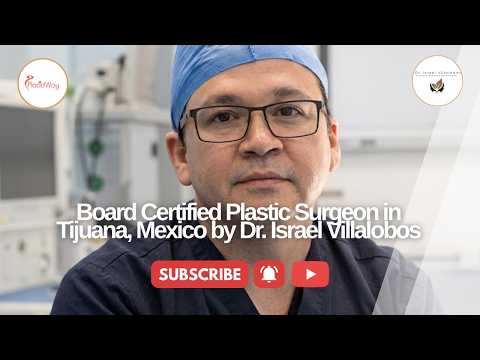
Dr. Israel Villalobos
Dr. Israel Villalobos Blasquez is a board-certified plastic, aesthetic, and reconstructive surgeon operating in Tijuana, Mexico. He completed his foundational medical degree at Universidad Autónoma Metropolitana, followed by a formal general surgery residency. Subsequently, he completed his specialized subspecialty training in plastic and reconstructive surgery at Universidad Autónoma de Nuevo León.
Clinically, his practice focuses heavily on body contouring procedures. These procedures include complex abdominoplasty (tummy tucks), extensive liposuction, and specialized facial feminization surgeries. To legally practice this specialty in Mexico, he holds a recognized medical specialty license (Cédula de Especialidad). You can review his clinical background and treatment focus by visiting Dr. Israel Villalobos.
His continuing medical education includes completing an international fellowship with the International Society of Aesthetic Plastic Surgery (ISAPS) in 2020. He maintains active board certification through CMCPER and serves as a member of the Mexican Association of Plastic, Aesthetic and Reconstructive Surgery (AMCPER).
Dr. Joaquin Ayala
Dr. Joaquin Ayala Del Muro is a board-certified plastic surgeon possessing over three decades of active clinical practice in Tijuana. He earned his medical degree from the University of Guadalajara. Following his foundational medical training, he completed his residency in plastic, aesthetic, and reconstructive surgery at the Old Civil Hospital. He further advanced his training by completing an international fellowship in plastic surgery at the globally recognized Ivo Pitanguy Clinic in Rio de Janeiro, Brazil.
His surgical practice primarily centers on complex facial rejuvenation, including deep plane facelifts and blepharoplasty, as well as extensive post-bariatric body contouring for patients who have undergone massive weight loss. Patients can evaluate his specific procedure list and clinical history directly at Dr. Joaquin Ayala.
He maintains active, verified board certification through the Mexican Council of Plastic, Aesthetic and Reconstructive Surgery (CMCPER). Furthermore, he demonstrates a sustained commitment to regional medical standards as a co-founder of the Baja California Plastic Aesthetic and Reconstructive College.
Most Requested Procedures: Clinical Mechanics
Patients travel to Tijuana seeking various interventions, but specific body contouring procedures dominate the market due to their transformative impact and high prohibitive costs in the US. These surgeries address stubborn adiposity (fat) deposits and severe skin laxity that diet and cardiovascular exercise simply cannot resolve biologically. You should clearly understand the anatomical mechanics of these surgeries before committing to a treatment plan.
Clinically, procedures like tumescent liposuction involve injecting a specialized fluid to swell the fat cells and constrict blood vessels. The surgeon then inserts a cannula into the subcutaneous layer to physically disrupt and suction out the adipocytes. In contrast, excisional surgeries like an abdominoplasty require the surgical removal of redundant skin and the internal suturing of the rectus abdominis muscles to correct diastasis (muscle separation). The Mommy Makeover aggressively combines these techniques with breast procedures to reverse physiological changes induced by pregnancy.
Mommy Makeover
Simultaneously addresses breasts (lift or augmentation) and abdomen (tuck and liposuction).
- Clinical Benefit: Consolidates anesthesia exposure and creates a single, albeit intense, recovery period.
- Consideration: Extended time in the operating room heavily increases physiological stress and recovery difficulty.
Brazilian Butt Lift (BBL)
Extracts fat from flanks/abdomen, purifies the tissue, and grafts it into the gluteal region.
- Clinical Benefit: Utilizes autologous (your own) tissue rather than synthetic implants for volume.
- Consideration: Requires strict postoperative positioning. You cannot sit directly on your buttocks for up to six weeks.
Your practical implication is that while combining procedures saves money, it severely impacts your mobility during recovery. Discuss your health history transparently with your surgeon. If you request multiple extensive procedures, a responsible doctor may recommend dividing them into two separate surgical stages to ensure your cardiovascular safety.
Safety Protocols and Potential Surgical Risks
Every surgical intervention introduces inherent risks to your body, regardless of geographic location. Acknowledging these risks constitutes a mandatory part of informed medical consent. You must approach cosmetic surgery with the understanding that it is real, invasive surgery. It involves significant tissue manipulation, fluid shifts, and deep sedation. While serious complications occur rarely under the care of certified experts, they remain biological possibilities.
From a clinical perspective, breaching the epidermal barrier immediately introduces the risk of bacterial infection. Prolonged immobility under general anesthesia slows venous blood return, increasing the risk of deep vein thrombosis (DVT). Evidence-based medical protocols mitigate these risks heavily. Surgeons utilize prophylactic intravenous antibiotics, apply pneumatic compression boots to your legs during surgery, and mandate early ambulation (light walking) during your hospital recovery.
| Potential Complication | Biological Cause | Clinical Prevention Protocol | Patient Action Required |
|---|---|---|---|
| Infection | Bacterial colonization inside surgical incisions. | Sterile operating environment; IV and oral antibiotics. | Take all prescribed antibiotics faithfully; keep incisions clean and entirely dry. |
| Hematoma | Pooling of blood under the skin from a severed vessel. | Precise surgical cauterization; placement of surgical drains. | Strictly avoid blood thinners (aspirin, NSAIDs, fish oil) before and after surgery. |
| Deep Vein Thrombosis (DVT) | Venous stasis (slow blood flow) causing clots in leg veins. | Compression boots during surgery; chemical blood thinners if indicated. | Walk lightly as soon as medically cleared; stay highly hydrated to maintain blood volume. |
| Tissue Necrosis | Inadequate oxygenated blood supply to healing skin flaps. | Careful surgical technique to preserve micro-vascular networks. | Strictly abstain from all nicotine products (vaping, smoking) for 4 weeks pre and post-surgery. |
You influence your own safety outcomes significantly through compliance. Withholding medical information from your anesthesiologist can cause fatal interactions. Disclose every single vitamin, supplement, recreational substance, and prescription medication you take during your pre-operative clearance. Furthermore, inquire about purchasing specialized medical tourism complications insurance to protect yourself financially.
Biological Process of Wound Healing and Recovery
Surgical recovery is not a passive resting phase; it represents an intense biological process of cellular repair. Setting realistic expectations regarding pain, acute swelling, and restricted mobility will protect your mental health post-surgery. Visually, your body will look worse before it looks better. Understanding the cellular science behind this visual distortion helps alleviate postoperative anxiety.
Biologically, your immune system initiates a massive inflammatory response immediately following tissue trauma. Vasodilation occurs, rushing white blood cells, plasma, and reparative fluids to the surgical sites. This necessary fluid accumulation causes severe swelling (edema) and tissue tightness. Research shows that peak inflammation typically occurs between days three and five. Following this, your lymphatic system slowly processes and excretes the excess fluid.
| Timeframe | Biological Process | Patient Sensation | Action Required |
|---|---|---|---|
| Days 1 - 3 | Acute inflammatory phase; massive fluid influx to surgical sites. | High pain, extreme tightness, grogginess from anesthesia, heavy bruising. | Maintain strict rest, stay ahead of pain medication schedule, perform short walks to prevent DVT. |
| Days 4 - 10 | Proliferation phase begins; fibroblasts start synthesizing new collagen. | Pain transitions to deep aching and surface itching. Bruising changes color. | Attend lymphatic drainage massages if approved; wear medical compression garments 24/7. |
| Weeks 3 - 6 | Maturation phase; incisions seal fully and fluid drains steadily. | Energy slowly returns, swelling subsides visibly, localized numbness persists. | Return to light desk work; continue to avoid heavy lifting or high cardiovascular exertion. |
| Months 3 - 6 | Deep tissue remodeling; scar tissue softens and organizes. | Normal nerve sensation returns; final body contour becomes apparent. | Resume all normal exercise routines; apply silicone scar gel daily to optimize incision healing. |
Your practical takeaway is that extreme patience is mandatory. The swollen results you observe in the mirror at week two do not represent your final surgical outcome. Purchase high-quality surgical compression garments (fajas) exactly as prescribed by your surgeon. These garments provide essential mechanical pressure that forces inflammatory fluid out of the interstitial spaces and back into your lymphatic system.
Travel Logistics and Crossing the US-Mexico Border
Organizing international medical travel requires structured planning, but reputable clinics in Tijuana manage this pipeline efficiently. For North American patients, the logistical barrier remains quite low. Tijuana borders San Diego, California, connecting via the San Ysidro port of entry. Patients typically fly directly into San Diego International Airport (SAN). From there, clinics dispatch private, medically equipped shuttles to transport patients safely across the border.
Logistically, crossing an international border post-surgery requires specific documentation. You must possess a valid, current passport to re-enter the United States smoothly. If your recovery mandates carrying prescription pain medication across the border, you must declare these specific medications to US Customs and Border Protection (CBP). You must also carry the physical, valid written prescription provided by your licensed Mexican physician.
Essential Travel Tool: The Medical Fast Pass
If you plan to drive your personal vehicle back into the United States, you must request a Medical Fast Pass (Pase Médico) from your clinic. The Tijuana municipal government issues these specific passes to certified medical providers. This pass grants your vehicle access to a dedicated, expedited lane at the San Ysidro border crossing. This drastically reduces your border wait time, which is biologically critical when sitting upright in a vehicle causes severe post-surgical discomfort.
Thorough preparation minimizes unnecessary stress during a highly vulnerable physical state. Coordinate all ground transportation exclusively through your clinic's patient coordinator. Reliable providers ensure a shuttle service retrieves you from the airport, delivers you to the hospital, and returns you safely to San Diego once your surgeon officially clears you for travel.
Medical Reality Check: Setting Expectations
It is vital to understand that aesthetic surgery enhances your natural anatomy; it does not create perfection. Asymmetry is a natural biological state, and minor differences between breasts or bodily contours remain normal post-surgery. Scars are a permanent biological response to incisions; they will fade, but they will never completely disappear. Always base your expectations on extensive consultations with a licensed professional, not on filtered social media images.
Frequently Asked Questions
Evaluating international surgical options naturally generates numerous questions regarding clinical safety, costs, and recovery logistics. Below, we address common patient concerns with factual, medically grounded explanations.
How much does a full mommy makeover cost in Tijuana?
A comprehensive mommy makeover in Tijuana generally costs between $8,500 and $13,000 USD. This package typically includes abdominoplasty, liposuction, breast enhancement, anesthesia fees, and hospital overnight stays. This presents a substantial savings compared to average US costs.
Are plastic surgeons in Tijuana properly board certified?
Qualified practitioners hold verifiable board certifications. However, you must actively verify their credentials. Ensure your surgeon is certified by the CMCPER, which acts as the official regulatory board for the plastic surgery specialty in Mexico.
How long must I remain in Mexico after a tummy tuck?
Surgeons typically mandate that patients remain in Tijuana for 7 to 10 days following a tummy tuck. This timeframe allows the medical team to monitor acute healing, manage pain protocols safely, and safely remove surgical drains before you travel.
What occurs if I experience a complication after returning home?
If you face a minor healing issue, your clinic offers virtual guidance. For acute, life-threatening emergencies, you must immediately visit your local emergency room. Securing dedicated medical tourism complications insurance before travel is highly recommended to mitigate unexpected domestic medical costs.
Is it safe to cross the border into Tijuana for medical care?
Medical tourism largely operates within secure, established medical districts like Zona Rio. Clinics enhance patient security by providing private, direct shuttle services from San Diego directly to the hospital facility, minimizing the need to navigate the city independently.
Do medical teams in Tijuana speak fluent English?
Facilities catering to international patients require bilingual staff. Your surgeon, anesthesiologist, and patient coordinators will communicate in English to ensure you fully comprehend your surgical consent, medical procedures, and aftercare protocols.
What distinguishes a cosmetic surgeon from a plastic surgeon in Mexico?
A plastic surgeon (cirujano plástico) completes a multi-year surgical residency and holds CMCPER certification. A cosmetic surgeon (cirujano estético) often holds only a general medical degree with brief certificate training. You should only select a certified plastic surgeon.
How can I verify a Mexican doctor's medical license?
You can request the doctor's Cédula de Especialidad (specialty license) number. You can verify this identifier online through the Mexican government's National Registry of Professionals (Registro Nacional de Profesionistas) and cross-reference it with the CMCPER directory.
Will my US health insurance cover elective surgery complications?
Standard domestic health insurance policies generally exclude coverage for treatments or complications arising from elective cosmetic surgery performed abroad. Purchasing specific medical tourism insurance remains a crucial step in financial planning.
Do Tijuana clinics offer financing options for surgery?
Numerous clinics partner with specialized third-party medical financing companies that facilitate cross-border healthcare loans. Patients can often apply for personal loans specifically designed to cover the entire cost of their medical packages.
Plan Your Medical Journey Safely
Evaluating international healthcare logistics requires diligent research, but you possess the tools to make informed decisions. Utilizing established medical tourism resources can help you safely compare licensed facilities and verify board-certified credentials.
You can review transparent treatment costs, evaluate specific surgeon backgrounds, and request detailed itemized quotes directly from vetted clinics to ensure your medical journey prioritizes clinical safety.
Request Free Quote NowDisclaimer: This information is for educational purposes only and does not replace professional medical advice. Always consult a qualified healthcare provider before making medical decisions. All surgical procedures carry biological risks, and individual patient healing results will vary. Verify all clinic licenses and surgeon board certifications independently prior to booking any medical travel.
References
- Global Survey on Aesthetic/Cosmetic Procedures – International Society of Aesthetic Plastic Surgery (ISAPS)
- Medical Tourism Travel Information and Safety – Centers for Disease Control and Prevention (CDC)
- Safe Surgery Saves Lives Checklist and Guidelines – World Health Organization (WHO)
- Federal Commission for the Protection against Sanitary Risk Regulations – COFEPRIS (Mexico)
- Patient Safety Standards and Procedural Risks – American Society of Plastic Surgeons (ASPS)





















Share this listing