


The Reality of Modern Autism Care: Why There Is No Single Best Treatment for Autism
Autism spectrum disorder is characterized by an immense degree of clinical heterogeneity. Two children diagnosed with autism may present with completely opposite behavioral profiles, sensory sensitivities, cognitive abilities, and medical comorbidities such as gastrointestinal distress or immune dysregulation. Because the underlying etiology of autism involves a complex interplay of genetic, environmental, and neurological factors, a standardized "one-size-fits-all" intervention is fundamentally ineffective. Recognizing this biological diversity is the first step for parents and clinicians seeking meaningful therapeutic progress.
Consequently, elite medical centers across the world have abandoned monolithic treatment models in favor of personalized medicine. Clinicians evaluate each patient through comprehensive metabolic, genetic, and neurological screenings before designing a customized care regimen. This bespoke approach ensures that interventions target the specific biological bottlenecks and behavioral challenges unique to the individual child. Whether a patient requires intensive communication therapy, sensory integration support, or targeted anti-inflammatory protocols, customization dictates clinical success.
Furthermore, the dynamic nature of childhood development means that treatment strategies must evolve over time. What works for a toddler experiencing speech delays may differ significantly from the vocational and social support required by an adolescent. The best autism treatment centers in the world excel by offering adaptive care pathways that continuously reassess progress and pivot in response to the child's changing developmental milestones, ensuring lifelong support rather than temporary fixes.
What Is the Most Successful Treatment for Autism Today? A Practical Overview
While no singular cure exists, clinical consensus highlights comprehensive multi-disciplinary intervention as the most successful framework for managing autism today. Modern medical protocols combine behavioral modification, speech-language pathology, occupational therapy, and biomedical support to address both the external behavioral manifestations and internal physiological drivers of autism. By treating the whole child—addressing gut health, immune function, and neurological connectivity simultaneously—treatment centers achieve profound improvements in daily functioning.
The integration of structured behavioral therapies with cutting-edge biomedical science represents the pinnacle of contemporary care. Leading facilities utilize advanced diagnostic tools to uncover hidden metabolic imbalances, such as oxidative stress or chronic neuroinflammation, which frequently exacerbate behavioral outbursts and cognitive fog. By stabilizing these internal biological environments, children become significantly more receptive to learning and behavioral skill acquisition.
Success in modern autism treatment is measured not by erasing neurodivergence, but by fostering functional independence, reducing anxiety, and enhancing communication. Families partnering with comprehensive treatment centers benefit from coordinated care teams where pediatricians, neurologists, therapists, and nutritionists collaborate under one roof to execute a unified, cohesive roadmap for the child's development.
-
Multi-Disciplinary Integration: Combining behavioral, speech, and biomedical therapies into a unified daily schedule.
-
Biomedical Optimization: Addressing underlying gastrointestinal issues, nutritional deficiencies, and metabolic dysfunctions.
-
Individualized Care Planning: Tailoring every intervention protocol to the specific neurological and behavioral profile of the patient.
-
Parent Training and Empowerment: Educating families to reinforce therapeutic strategies consistently within the home environment.
-
Continuous Progress Tracking: Utilizing standardized developmental metrics and biomarkers to measure treatment efficacy dynamically.
Behavioral and Developmental Foundations: ABA, OT, and Speech Therapy
At the core of established autism care remain foundational therapies that target communication, sensory processing, and adaptive behavior. Applied Behavior Analysis (ABA) has long served as a benchmark intervention, utilizing positive reinforcement to encourage desired behaviors and teach essential life skills. Modern ABA practices emphasize natural environment teaching and neurodiversity-affirming frameworks, ensuring that therapy respects the child's emotional well-being while fostering functional independence and social engagement.
Occupational therapy (OT) is equally critical, focusing heavily on sensory processing disorders that frequently overwhelm children with autism. Many individuals experience extreme hypersensitivity or hyposensitivity to sights, sounds, textures, and movement, which can trigger severe meltdowns or avoidance behaviors. Certified occupational therapists use specialized sensory integration techniques, such as weighted blankets, brushing protocols, and vestibular activities, to help children regulate their nervous systems and engage comfortably with their surroundings.
Speech-language pathology addresses the profound communication barriers inherent in autism, encompassing both verbal expression and non-verbal comprehension. Speech therapists employ augmentative and alternative communication (AAC) devices, picture exchange systems, and oral-motor exercises to give children a voice. By bridging the gap between internal thoughts and external expression, these foundational therapies dramatically reduce frustration, foster social connection, and unlock the child's true cognitive potential.
-
Applied Behavior Analysis (ABA): Building social, communication, and daily living skills through structured positive reinforcement.
-
Sensory Integration Occupational Therapy: Helping children process sensory inputs and regulate emotional responses effectively.
-
Speech-Language Pathology: Enhancing verbal articulation and providing alternative communication tools for non-verbal children.
-
Social Skills Training: Facilitating peer interaction and peer modeling in controlled, supportive group environments.
-
Motor Skill Development: Improving fine and gross motor coordination through targeted physical exercises and play.
Why Families Are Exploring Biological and Regenerative Approaches
As parents witness the limits of purely behavioral interventions, an increasing number are exploring biological and regenerative medicine to address the physiological roots of autism. Emerging medical research highlights chronic neuroinflammation, immune system dysregulation, and impaired cerebral perfusion as consistent biological hallmarks in children on the spectrum. Traditional behavioral therapies help children manage symptoms, but biological treatments aim to repair cellular function and calm systemic inflammation at the molecular level.
This shift has driven families toward specialized international clinics that specialize in regenerative therapies, such as mesenchymal stem cell (MSC) infusions and targeted mitochondrial support. These biological interventions operate on the premise that by reducing brain inflammation and restoring healthy immune function, cognitive processing and sensory regulation can improve naturally. Parents find compelling hope in medical protocols that offer tangible, physiological mechanisms for neurological repair.
Furthermore, the global expansion of medical tourism has made advanced biological treatments accessible and affordable. Families traveling to certified international centers gain access to state-of-the-art laboratory technologies and pioneering regenerative protocols that may not yet be widely available or approved through conventional domestic healthcare pathways. This pursuit of comprehensive care reflects a profound dedication to exhausting every scientifically viable option for their children.
-
Targeting Neuroinflammation: Calming chronic immune activation within central nervous system tissues.
-
Restoring Immune Balance: Modulating aberrant immune responses frequently identified in autistic children.
-
Enhancing Cerebral Perfusion: Promoting microvascular health to improve oxygen and nutrient delivery to the brain.
-
Mitochondrial Support: Boosting cellular energy production to combat chronic fatigue and cognitive sluggishness.
-
Holistic Synergism: Combining biological repair with traditional therapies to maximize overall developmental gains.
Stem Cell Therapy for Autism Spectrum Disorder: What the Science Actually Shows
Stem cell therapy has emerged as one of the most discussed frontiers in modern autism treatment. Clinical trials conducted by prestigious academic institutions, including Duke University, have demonstrated that infusions of umbilical cord blood and mesenchymal stem cells can be safely administered to children with autism. Published findings indicate favorable safety profiles and measurable improvements in social communication, eye contact, and behavioral stability among participating children.
The scientific mechanism underpinning stem cell therapy relies heavily on the paracrine signaling properties of mesenchymal stem cells. When introduced into the patient's body via intravenous or intrathecal delivery, these cells home in on sites of inflammation. They release bioactive molecules that suppress harmful pro-inflammatory cytokines, stimulate tissue repair, and encourage neuroplasticity. Rather than replacing damaged neurons directly, stem cells create an optimal healing environment that allows the brain's native neural networks to repair and reorganize.
Despite exciting clinical advancements, experts emphasize that stem cell therapy is not a magical cure. It functions as a powerful biological catalyst designed to be integrated into a broader, comprehensive care plan that includes ongoing speech, occupational, and behavioral therapies. Realistic expectations, rigorous patient screening, and adherence to sterile laboratory standards remain paramount to ensuring safety and maximizing therapeutic outcomes for children receiving cell-based treatments.
Cost-Effectiveness Compared to the USA and Latin America
The financial burden of long-term autism care in countries like the United States can be overwhelming for families. Comprehensive, multi-year behavioral therapies, specialized schooling, and private medical consultations often accumulate hundreds of thousands of dollars out-of-pocket, as insurance coverage for specialized care remains highly restricted. This economic pressure forces many parents to look abroad for high-quality, cost-effective treatment alternatives.
Latin American medical destinations, particularly Mexico, have become premier hubs for advanced regenerative treatments. Clinics in Tijuana and other major medical tourism centers offer comprehensive stem cell therapy packages that cost a fraction of experimental protocols in North America while maintaining rigorous international cleanroom standards. These all-inclusive packages typically cover medical evaluations, laboratory diagnostics, cell administration, accommodation, and bilingual concierge support.
When evaluating cost-effectiveness, families must weigh the initial travel and procedural expenses against the quality of care and potential developmental return on investment. International medical centers provide transparent pricing structures, allowing parents to budget effectively without sacrificing clinical excellence, safety, or individualized medical attention.
| Region / Country | Average Cost Range (USD) | Primary Care Focus | Inclusions / Value |
|---|---|---|---|
| United States | $50,000 - $150,000+ (Annual) | Standard behavioral & speech therapy | Local access; limited regenerative options |
| Mexico (Tijuana) | $8,000 - $25,000 (Per Protocol) | Mesenchymal stem cell therapy & support | All-inclusive packages, concierge, lab work |
| Turkey / Istanbul | $10,000 - $30,000 (Comprehensive) | Hospital-grade neurology & cell therapy | JCI-accredited hospitals, expert physicians |
| Southeast Asia (Thailand/Malaysia) | $9,000 - $22,000 (Regenerative) | Integrative stem cell & holistic therapy | Advanced clinical infrastructure, tourism support |
In Search of the Best Country for Autism Treatment: How Parents Compare Global Options
Choosing the right country for international medical travel involves evaluating regulatory standards, physician expertise, clinical reputation, and logistical convenience. Families often look for nations with robust medical tourism frameworks where top-tier hospitals and specialized clinics operate under strict governmental supervision. Below is an overview of prominent countries and leading institutions known for offering advanced autism treatment programs:
Mexico: Advanced Regenerative Proximity
Renowned for its geographical proximity to the United States and advanced regenerative medicine infrastructure, Mexico hosts leading facilities specializing in stem cell protocols for neurodevelopmental disorders.
-
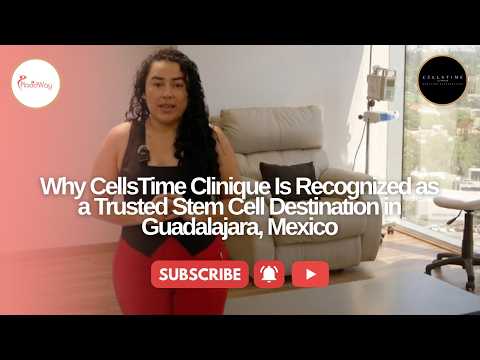
CellsTime Clinique — Tijuana, Baja California, Mexico: A premier center offering state-of-the-art sterile surgical suites, high-viability mesenchymal stem cell products, and dedicated bilingual support for international families.
CellsTime Clinique
Tijuana, Mexico
Japan: Cellular Precision and Regulatory Excellence
Japan is globally recognized for its stringent regenerative medicine regulations, technological precision, and advanced cellular research methodologies.
-
Cell Grand Clinic — Osaka, Japan: Specializes in precision regenerative medicine and customized cellular protocols for neurological health.
-
Helene Clinic — Tokyo, Japan: A renowned institution providing cutting-edge stem cell therapies backed by rigorous safety standards and expert clinical oversight.
Cell Grand Clinic
Osaka, Japan
Slovakia: European Neuro-Rehabilitation Hub
Slovakia offers specialized European clinical care centers focusing on neuro-rehabilitation and innovative cellular treatments for pediatric neurological conditions.
-
CellCenter — Bratislava, Malacky, Slovakia: Dedicated to advanced cell-based therapies and comprehensive neurological rehabilitation protocols.
CellCenter
Bratislava, Slovakia
Malaysia: High-Standard Biotechnology Integration
Malaysia has rapidly emerged as a leading healthcare destination in Southeast Asia, combining world-class hospital infrastructure with advanced biotechnology applications.
-
FIRSTCELL MALAYSIA — Kuala Lumpur, Malaysia: A specialized center providing advanced regenerative treatments and personalized care programs for international patients.
FIRSTCELL MALAYSIA
Kuala Lumpur, Malaysia
Turkey: JCI-Accredited Multi-Specialty Networks
Turkey bridges Europe and Asia as a medical tourism powerhouse, featuring JCI-accredited hospital networks equipped with cutting-edge pediatric neurology and regenerative departments.
-
Medical Park Hospitals Group — Istanbul, Turkey: A massive healthcare network offering multidisciplinary pediatric neurological care, advanced diagnostics, and integrated treatment options.
Medical Park Group
Istanbul, Turkey
Thailand: Progressive Holistic & Regenerative Clinics
Thailand is internationally celebrated for its exceptional hospitality, luxury medical tourism facilities, and progressive integrative medicine clinics.
-
Vega Clinic — Bangkok, Thailand: Offers specialized regenerative medicine protocols and holistic developmental support programs.
Vega Clinic
Bangkok, Thailand
Colombia: South American Clinical Excellence
Colombia has established itself as a South American leader in specialized medical care, offering high-standard clinical protocols at accessible pricing points.
-
Stem Cells Kyron Colombia — Cali, Colombia: Focuses on advanced mesenchymal stem cell therapies and comprehensive patient rehabilitation frameworks.
Stem Cells Kyron
Cali, Colombia
Jamaica: Restorative Biological Environments
Jamaica provides specialized regenerative medicine clinics catering to international patients seeking innovative biological treatments in a serene environment.
-
BIOregeneration — Kingston, Jamaica: Dedicated to cellular therapies and restorative medical protocols tailored to neurological wellness.
BIOregeneration
Kingston, Jamaica
Safety Standards and Clinical Protocols in Regenerative Autism Treatment
When evaluating international treatment centers, safety standards and laboratory protocols must remain the foremost consideration for parents. Reputable clinics adhere to rigorous regulatory frameworks, operating certified cleanroom laboratories that comply with Good Manufacturing Practice (GMP) standards. These stringent protocols ensure that biological products undergo thorough pathogen screening, sterility testing, and viability verification before clinical application, eliminating risks associated with contaminated or substandard cell lines.
Furthermore, ethical clinical governance dictates that treatment protocols are supervised by board-certified pediatric neurologists, cellular biologists, and immunologists. Pre-treatment evaluations must be comprehensive, reviewing the child's complete medical history, genetic panels, and immunological markers to confirm candidacy. Transparent informed consent, detailing realistic outcomes and potential mild side effects, reflects an institution's commitment to medical ethics and patient trust.
Post-procedure monitoring is another hallmark of world-class facilities. Safe clinical protocols do not end when the infusion is complete; instead, they include structured follow-up schedules, remote developmental tracking, and open communication channels between international medical teams and local pediatricians. This continuity of care ensures that every child's long-term health and developmental trajectory are safeguarded.
-
GMP-Certified Cleanrooms: Processing stem cells in sterile, highly regulated laboratory environments to guarantee purity.
-
Rigorous Donor Screening: Testing all perinatal tissue sources for infectious diseases, genetic abnormalities, and pathogens.
-
Board-Certified Oversight: Ensuring procedures are planned and executed by qualified pediatric and neurological specialists.
-
Comprehensive Candidacy Review: Evaluating baseline health and metabolic markers prior to treatment approval.
-
Structured Post-Treatment Follow-Up: Maintaining ongoing communication and tracking developmental progress over subsequent months.
Success Rates and Long-Term Observations in Stem Cell Therapy for Autism
Evaluating success rates in autism treatment requires a nuanced understanding of developmental milestones rather than expecting a sudden cure. Long-term clinical observations from leading regenerative centers indicate that a significant percentage of children exhibit measurable improvements following stem cell therapy combined with supportive therapies. These improvements are most commonly observed in enhanced eye contact, increased verbal communication, expanded social engagement, and a reduction in repetitive self-stimulatory behaviors.
Clinical data suggests that younger children often demonstrate the most pronounced developmental gains, as their nervous systems exhibit higher levels of native neuroplasticity. When neuroinflammation is successfully mitigated early in life, neural pathways can form and reorganize more efficiently. However, older children and adolescents also report substantial benefits, particularly regarding reductions in severe anxiety, improved sleep quality, and greater emotional regulation during daily activities.
Long-term tracking underscores the importance of booster protocols and continued behavioral therapy. Because autism is a lifelong neurodevelopmental condition, biological treatments create an open window of opportunity for learning and skill acquisition. Families who maintain consistent speech, occupational, and behavioral support following cellular therapy consistently report the most enduring, positive transformations in their children's independence and overall quality of life.
-
Enhanced Social Engagement: Improved eye contact, reciprocal smiling, and meaningful peer interactions.
-
Communication Progress: Increased verbal vocabulary and more effective use of alternative communication tools.
-
Anxiety and Meltdown Reduction: Greater emotional stability and decreased frequency of severe behavioral outbursts.
-
Sleep Quality Improvements: Deeper, more restorative sleep patterns benefiting the entire family household.
-
Sustained Developmental Momentum: Long-term skill acquisition when biological repair is paired with ongoing therapy.



.png)

.png)

.png)
.png)
.png)
.png)








Share this listing