

The recovery route · Six days · Five nights
Hair Transplant in Istanbul, Turkey: the week around your procedure
Arrive, agree a graft plan, have treatment, protect the grafts and fly back to the UK only after your clinic has checked you. This is a recovery-first itinerary, not a sightseeing challenge.
The trip at a glance
Arrive and settle near the clinic.
Confirm the plan and have the procedure.
Rest, attend checks and wash only as directed.
Continue gentle recovery, complete the final check and travel home.
This route assumes one FUE or session and a companion travelling with you from the United Kingdom. The traveller and companion are illustrative composites, not accounts of actual patients. Your surgeon may change the schedule because of the graft count, your health, the technique used or how your scalp heals. Ask the clinic to confirm the appointment and flight timetable before paying for non-refundable travel.
Before you choose a flight
Make the graft plan more specific than the package name
A quoted graft count is a proposed use of your donor hair, not a target to reach at any cost. Ask who assesses your hair loss, who draws the hairline, who makes the recipient sites and who extracts and places the grafts. Find out which steps the surgeon performs personally and which are performed by other trained team members. Request the clinician’s name and qualifications, the clinic’s applicable licensing or accreditation details, and an explanation of how your donor area will be protected if hair loss progresses.
Send clear photographs in advance, but expect an in-person assessment to confirm whether you are suitable and whether the quoted graft range still makes sense. Discuss medicines, allergies, previous scalp treatment and any concerns about ongoing hair loss. A responsible plan may include a different graft count or advice to postpone treatment. FUE and describe approaches to harvesting and implantation, not a promise that one will suit every scalp. Your clinician should explain the practical reason for recommending either technique.
For a UK traveller, timing matters as much as price. Direct flights serve Istanbul from several UK airports, but airport choice, transfer time and traffic can make an apparently convenient itinerary tiring. Istanbul Airport and Sabiha Gökçen Airport are on different sides of the city. Check which airport the package transfer covers, where the clinic and hotel are, and how long you can remain in the room before a late flight. Leave room for a final examination rather than booking the first departure you can find.
Check current passport and entry requirements on the UK government’s Turkey travel advice before booking. Ask your insurer in writing whether elective hair surgery, complications, changed flights and a companion’s extra stay are covered. Do not assume a UK Global Health Insurance Card pays for planned private treatment abroad. Keep your clinic’s emergency number and your procedure records available on your phone and offline.
Day 1 · Arrival checklist
Get to the hotel, not to the attractions
Medical milestone. If the clinic has arranged an arrival assessment, allow time for photographs, a health-history review and clarification of medicines or supplements. Otherwise, the milestone is simpler: arrive rested enough to make an informed decision at the consultation. Do not change prescribed medicines on your own. Follow any pre-procedure instructions your clinic has provided, including its advice on washing your hair and eating before treatment.
Travel-tired, hungry and a little keyed up. Even without a procedure yet, a flight and an Istanbul transfer can use up the day’s energy.
Confirm the next appointment, save the clinic address in Turkish, check the transfer contact and make sure you both know which number to call outside office hours.
Gentle local experience. If your hotel is in ?i?li, sit for a short Turkish tea in its lobby or a quiet nearby café, then return to your room. It gives you a sense of the neighbourhood without making the first day depend on your flight arriving on time. Have a straightforward dinner, drink water and prioritise sleep. This is also a good moment for your companion to buy bottled water and easy snacks for the next two days.
Day 2 · Treatment checklist
Agree the plan before the first graft
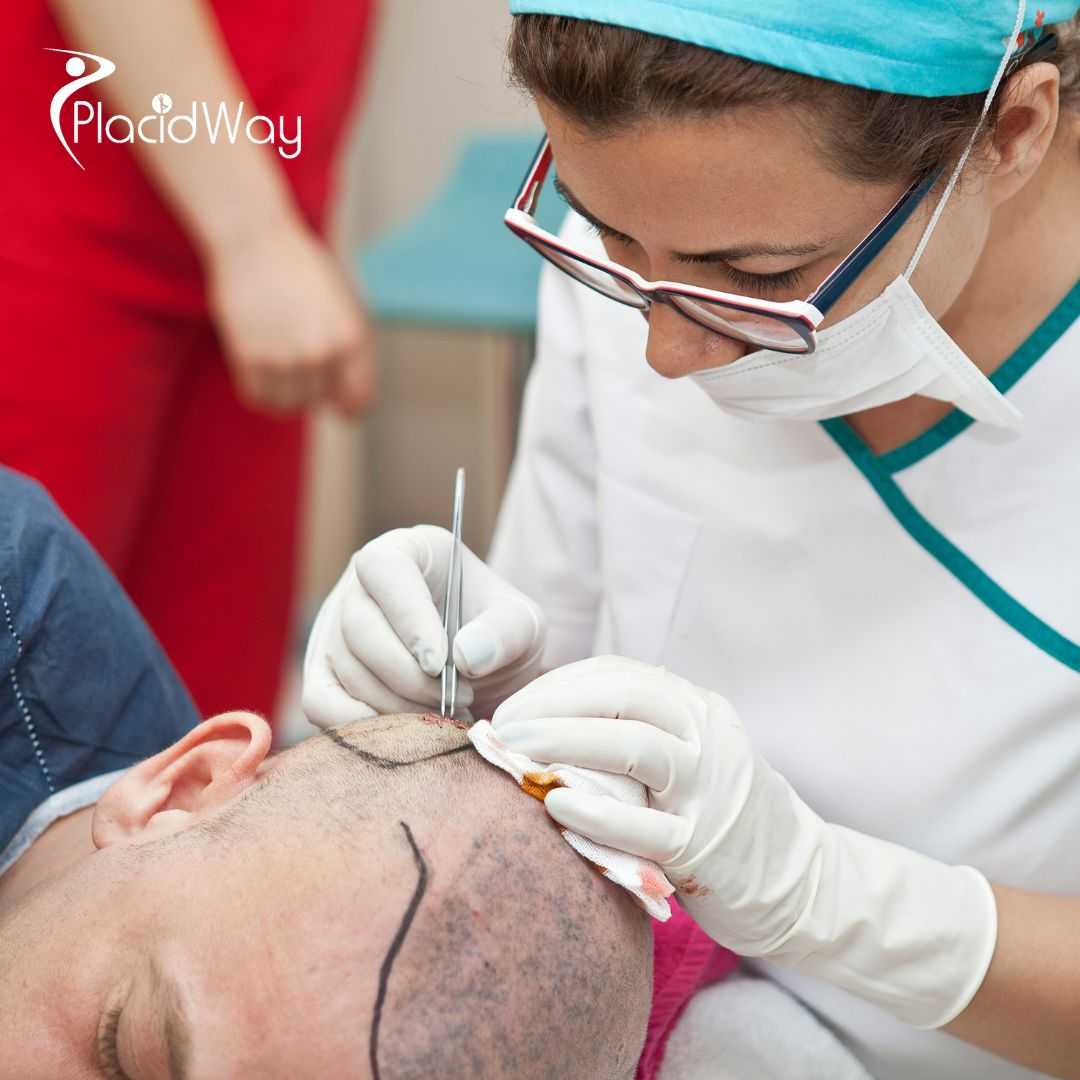
This is usually the longest clinic day. The consultation should settle the intended graft range, donor and recipient areas, hairline design, anaesthesia plan, breaks, medicines and who performs each stage. Ask what could change the plan on the day and whether that would change the price. You should have the chance to understand the consent documents before signing them.
Medical milestone: The team carries out the transplant under its agreed protocol and explains dressing, sleeping and first-wash instructions before you leave. Ask for those instructions in writing.
What your body may tell you: The local anaesthetic may involve discomfort, and later you may feel tired, tender or tight around the donor area. A long day of sitting can make you want quiet more than conversation. Tell staff promptly if pain or other symptoms feel unexpected.
Gentle local experience: Make it a hotel-room evening. Your companion could bring back lentil soup from a neighbourhood lokanta in ?i?li, if that sounds appealing. Eating a local meal indoors counts as experiencing Istanbul today.
Companion’s role: Collect medicines and the written schedule, note the clinic’s urgent contact details, organise the ride back and help keep luggage or doorframes away from your scalp. They should not remove dressings or alter your care unless the clinic has specifically shown them how.
Once back at the hotel, follow your clinician’s instructions for head position, pillows and any dressing. Avoid touching or rubbing the recipient area. Leave alcohol, exercise, swimming and sightseeing out of the plan.
Day 3 · Rest-day checklist
Keep the day deliberately small
The medical milestone may be a clinic check, removal of a dressing, or simply following the immediate aftercare plan. Clinics use different schedules. Do not decide that it is time for the first wash because another patient did so at this point. Confirm when and how your own team wants you to wash, and which areas you should avoid rubbing.
Physically, mild swelling, tenderness, tightness and visible redness can be part of early healing. You may be more tired than you expected. Report symptoms that worsen or worry you rather than treating an itinerary as a test of what is normal. Protect the grafted area from knocks, friction and direct sun. Rest in the room between any essential clinic visits.
Have tea or a simple meal from a local ?i?li café delivered to the hotel, and watch the street from your room if you feel like it. There is no planned walk. A quieter day now is more useful than trying to fit in a landmark.
Your companion can collect food, keep the medication schedule handy, check whether you have enough pillows and send the clinic any photographs it specifically requests. They can also confirm tomorrow’s appointment and ask about extending the hotel stay if recovery is not going to plan. Their main contribution today is making it easy for you to rest.
Day 4 · Aftercare checklist
Learn the wash you will repeat at home
The first wash or a supervised demonstration may fall around this point, but the timing is clinic-specific. Have the team demonstrate the water pressure, product, hand movements and drying method they want you to use. Ask when any dressing comes off, how to care for the donor area and what to do if a crust catches. Written instructions are especially valuable once you are back in the UK and cannot step into the clinic.
The team checks healing and answers questions about washing. Your scalp may still look conspicuously red or feel sensitive. Feeling slightly more mobile does not mean the grafts are ready for rubbing, a tight hat, heavy lifting or a gym session.
Watch the demonstration if you want help remembering it. Photograph product labels, save the written instructions and check whether the provided supplies will last until you can obtain suitable replacements at home.
Gentle local experience. If the clinic agrees that a short outing is sensible, take a car to a quiet indoor café close to your ?i?li hotel and sit briefly away from crowded doorways. If you are tired or the weather is hot, have the same café’s food brought to the room instead. There is no benefit in walking farther to make the day feel productive.
Day 5 · Follow-up checklist
Use the extra day as a buffer
By now, a clinic may review the donor and recipient sites and check that you can manage the prescribed routine yourself. Ask for a copy of the operative record, including the actual graft count, medicines given and any instructions for a UK clinician if you need care after returning. Confirm the date and method of remote follow-up, and ask who answers messages outside normal hours.
How you may feel: More independent, perhaps, while still looking and feeling like someone in early recovery. Redness or crusting may remain visible. Follow your own clinician’s advice about washing and activity rather than assuming that improved energy means unrestricted movement.
Gentle local experience: Choose a short seated break at an indoor café in Ni?anta??, reached by car if needed and only if your clinician is comfortable with the outing. Keep it brief, avoid crowded spaces where your head might be bumped, and return to the hotel if you feel tired.
Companion’s role: Ask the questions you may forget, confirm tomorrow’s collection time and help identify a calm route through the airport. They can make sure any aftercare liquids meet airline cabin-baggage rules or are packed appropriately.
Treat this day as useful spare capacity, not lost holiday time. An extra night can make room for a delayed appointment or another check without immediately colliding with your flight.
Day 6 · Departure checklist
Have the final check before heading to the airport
Medical milestone: Attend the planned final assessment and ask directly whether the clinic has any concerns about you travelling that day. Discuss symptoms rather than waiting until you are through airport security. Confirm how to contact the clinic from the UK, when to send progress photographs, which changes to expect and which require a call. If your clinician advises a delay, follow that advice and contact the airline and insurer about the practical next steps.
How you may feel: Ready for home, but still tender and conscious of your scalp around people and luggage. A journey from hotel to airport, a queue, a flight and the onward trip in Britain add up. Allow extra time and keep your aftercare instructions accessible.
A low-effort local moment: Pick up a simit from a neighbourhood bakery in ?i?li and eat it seated at the hotel before checkout, if it fits your clinic schedule. This is not the day for a last-minute Bosphorus trip. Your companion can handle bags, arrange the booked transfer and help you avoid overhead luggage that could brush your head.
Plan a quiet trip home rather than going straight to work or a social event. Your scalp will not have finished healing when your flight ends. Keep the clinic’s number, treatment record and prescribed instructions together. Ask in advance how the provider handles a concern that cannot be assessed reliably by photograph, and know how you would access appropriate local medical care if needed.
Keep this visible on your phone
When a change needs a call
Call your clinic promptly for increasing rather than settling pain, spreading redness or warmth, pus or an unpleasant smell, a fever, bleeding that does not stop as instructed, or swelling that seems severe or continues to worsen. Also call if you accidentally knock the grafted area, cannot follow the washing instructions, or are unsure whether a medicine is causing a reaction. Your own team can judge these symptoms against what was done during your procedure.
Seek urgent medical help for serious symptoms such as breathing difficulty, severe allergic symptoms, fainting, or eye symptoms including a change in vision. In Turkey, the emergency number is 112. In the UK, call 999 for an emergency. Do not wait for a reply to a routine clinic message when urgent help is needed.
Weather changes the route. In warm weather, use air-conditioned transfers and indoor breaks rather than exposing the scalp to direct sun or sweating through a long walk. In rain or wind, a short car journey may be easier than managing an umbrella in a crowd. Ask your clinic when headwear is safe and what type it permits, because a snug cap can rub the recipient area. Follow its restrictions on exercise, swimming, alcohol and sun exposure after you return home as well as during the trip.
Expect the appearance of the transplant to change over months, not during this six-day stay. Some transplanted hairs may shed before growth becomes visible. Discuss your clinician’s expected timeline and any ongoing hair-loss treatment before you leave. The amount and timing of growth vary, and a package cannot guarantee a particular result.
The decision behind the itinerary
Compare providers first, destinations second
Istanbul’s package format can make the first quote easier to read, but it can also obscure who performs the surgery and which costs arise if plans change. If you are comparing Istanbul with Antalya, Izmir, Budapest or Athens, use the same questions for every provider. Give the most weight to clinician qualifications and clinic credentials, followed by safety and clinical standards. Then compare total cost, aftercare, UK travel access and how clearly the quote lists inclusions. A lower advertised figure should not outweigh an unclear graft plan or uncertain follow-up.
Approximate treatment-market ranges in US dollars are $1,800–$4,500 for Istanbul, $1,800–$4,200 for Antalya and $1,700–$4,200 for Izmir. Budapest is approximately $2,700–$6,500, while Athens is approximately $3,000–$7,000. A private procedure in the UK is approximately $4,500–$13,000. These broad estimates are not like-for-like quotations. Turkish offers may include a hotel and local transfers, whereas accommodation and flights are often separate in Budapest and Athens. Graft count, technique and surgeon involvement can change any quote substantially.
For someone paying from a UK bank account, compare the final amount in pounds, including card or transfer fees and the exchange rate applied when you pay. Private UK hair restoration is commonly an out-of-pocket expense, so the relevant comparison is the complete trip against a written UK treatment quote, not surgery prices alone. Istanbul may offer a shorter and simpler journey than some alternatives for your particular departure airport, but check actual flights and the clinic’s location before treating travel access as a fixed advantage.
Transparent cost box
Hair transplant in Istanbul: approximately $1,800–$4,500
That is an approximate market range for an FUE or session, not a quote for this six-day trip. As a rough budgeting illustration only, it is about £1,400–£3,500 using £0.78 per US dollar. The live exchange rate, graft requirement, technique, clinician involvement and package terms can move the sterling total. Ask each provider for a written, itemised quote before paying a deposit.
Often included in an international-patient package
- Consultation and the specified transplant session
- Local airport and clinic transfers
- Several hotel nights
- Initial medication, washing supplies or early aftercare
- One or more in-person checks before departure
None of these items is universal. Confirm the hotel category, number of nights, transfer airports and exactly which medicines and visits are included.
Often excluded or charged separately
- UK–Istanbul flights and travel insurance
- Companion flights, meals and any room supplement
- Extra hotel nights, changed flights and additional transfers
- Further medication, later treatment and UK-based appointments
- Charges arising if the final graft plan differs from the estimate
Ask what happens financially if treatment is postponed, fewer grafts are appropriate, or you need to stay longer. Get the answer in writing.
The traveller and companion in this route are composites. The schedule, clinical advice and costs are illustrative. Your treating clinician’s instructions and your provider’s written quotation take priority.























Share this listing