
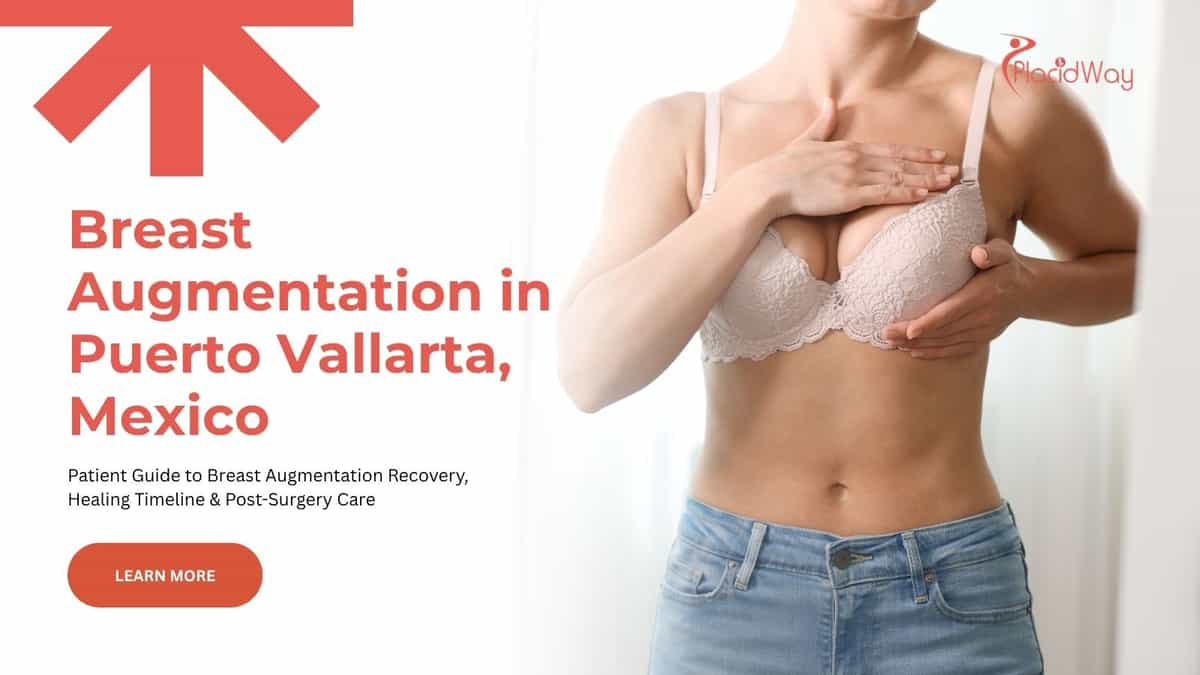
Many women considering cosmetic enhancements look across borders to find high-quality care without the heavy financial burden experienced at home. When you explore your options you will discover that modern clinics in Mexico offer significant surgical savings alongside exceptional medical expertise. As you plan your journey it is crucial to verify that your chosen facility is regulated by COFEPRIS and your surgeon holds board certification from CMCPER to ensure your safety. Focusing on these verified credentials helps you make a confident and secure decision about your body and your health.
- Estimated Cost: Typically ranges between $3,500 and $5,500 USD depending on the implant type and clinic.
- Safety Overview: Highly safe when performed in COFEPRIS-licensed hospitals by board-certified plastic surgeons.
- Ideal Candidate: Healthy non-smokers seeking to enhance breast volume or restore lost volume after weight loss or pregnancy.
- Recovery Time: Most patients return to light activities within one week and resume normal exercise after six weeks.
- Why Puerto Vallarta: Offers a combination of top-tier private medical facilities, experienced bilingual medical staff, and a peaceful recovery environment.
- Certifications to Look For: Always verify your surgeon is certified by the Mexican Council of Plastic, Aesthetic and Reconstructive Surgery (CMCPER) and the clinic is licensed by COFEPRIS.
Why Patients Travel for Breast Augmentation in Puerto Vallarta Mexico
Making the decision to undergo cosmetic surgery is deeply personal and choosing to travel for it adds another layer of consideration. International patients frequently look beyond their local healthcare systems to find specialized care that aligns with their financial and medical needs. Puerto Vallarta has established itself as a premier destination for cosmetic treatments by blending advanced medical infrastructure with a highly appealing recovery setting.
- Access to highly experienced board-certified plastic surgeons who frequently train internationally.
- Significant cost savings compared to private healthcare pricing in the United States and Canada.
- Direct and short flight routes from major North American cities.
- English is widely spoken across major clinics and recovery centers.
- Private hospitals equipped with modern technology and intensive care units.
- The ability to recover in a calm private setting away from the stress of daily life.
You may find that the level of personalized care in private Mexican hospitals exceeds standard expectations. Medical tourism coordinators often assist with every detail of your journey ensuring a seamless transition from your initial virtual consultation to your final postoperative checkup before flying home.
Patient Demographics and Medical Travel Trends
Understanding who travels for cosmetic procedures can help validate your own decision-making process. The demographic profile of patients visiting Mexico for breast enhancement reflects a broad range of ages and backgrounds. Most international patients arriving in Puerto Vallarta originate from the United States and Canada driven by the pursuit of high-quality care without prohibitive costs.
Recent clinical registry data from 2024 indicates distinct trends in patient ages and motivations. Women seek this procedure for various reasons including primary augmentation to balance body proportions or restorative augmentation following significant weight loss or pregnancy.
The majority of these patients are between the ages of 35 and 50 often seeking mommy makeover combinations or standalone implant procedures. This robust data underscores how common and trusted international travel for these clinical procedures has become in recent years.
Understanding Your Breast Implant Options and Materials
During your initial consultation your surgeon will help you choose the right implant based on your anatomical framework and aesthetic goals. There is no universally perfect implant. The best choice depends entirely on your existing breast tissue chest width and the look you wish to achieve.
Modern breast implants are generally categorized by their fill material shape and surface texture. Your doctor may recommend specific variations depending on your body type.
| Implant Type | Characteristics | Ideal For |
|---|---|---|
| Silicone Gel | Pre-filled with viscous silicone mimicking natural tissue feel. | Patients wanting the most natural feel and appearance. |
| Highly Cohesive (Gummy Bear) | Thick form-stable silicone that retains shape even if ruptured. | Patients looking for a teardrop shape or enhanced structural integrity. |
| Saline | Filled with sterile saltwater after insertion requiring smaller incisions. | Patients seeking smaller surgical scars or those under 22 years old. |
Silicone implants remain the most requested option globally due to their soft natural texture. Cohesive gel implants offer additional peace of mind regarding ruptures while saline implants allow for minor volume adjustments during the surgery itself.
Surgical Incisions and Implant Placement Techniques
How and where the implant is placed within your chest will significantly impact your final result and recovery experience. Your surgeon will evaluate your skin elasticity and breast tissue volume to recommend the safest and most effective surgical approach.
There are varying levels of postoperative discomfort depending on implant placement. Submuscular placement generally involves a longer and more uncomfortable initial recovery period compared to subglandular placement but often yields a more natural slope and lowers the risk of visible implant rippling.
The most common incision locations include the crease under the breast the edge of the areola or the armpit. Each approach has unique biological advantages.
- Inframammary Incision: Placed in the fold under the breast offering the surgeon maximum visibility and control. It leaves a scar hidden by the natural breast fold.
- Periareolar Incision: Made along the border of the areola. It conceals the scar well but may carry a slightly higher risk of affecting nipple sensation.
- Transaxillary Incision: Created in the armpit resulting in no scarring on the breast itself though it requires specialized endoscopic tools for precise placement.
Evaluating the Cost of Breast Augmentation in Puerto Vallarta Mexico
Financial considerations are a major factor for patients exploring medical tourism. It is vital to understand exactly what you are paying for when comparing estimates. Prices vary by patient condition the specific hospital chosen the complexity of the procedure and the brand of implants utilized.
In North America procedure costs often exclude anesthesia operating room fees and postoperative garments. In contrast many clinics in Mexico provide comprehensive pricing.
| Country | Estimated Average Cost (USD) | Typical Inclusions |
|---|---|---|
| United States | $7,000 - $12,000 | Often excludes facility and anesthesia fees. |
| Canada | $8,000 - $11,000 | Usually procedure only out-of-pocket. |
| Puerto Vallarta, Mexico | $3,500 - $5,500 | Often all-inclusive (surgeon, facility, anesthesia, implants). |
Always ask for an itemized written quote before committing to any treatment. This transparency ensures you can accurately compare your international options against your local healthcare providers.
What Your Surgical Package Will Typically Include
When you receive a quote from a clinic in Puerto Vallarta it frequently comes as a bundled medical package. This approach simplifies the financial process for international patients so you do not receive unexpected bills from different hospital departments.
A comprehensive surgical package typically covers the primary medical necessities of your procedure. However you should always verify the exact details with your chosen coordinator.
- Surgeon fees and surgical assistant fees
- Anesthesiologist fees and required medications
- FDA-approved or CE-marked breast implants
- Operating room time and hospital facility charges
- Pre-operative bloodwork and cardiovascular evaluation
- Post-operative recovery garments (surgical bra)
- Follow-up consultations before flying home
Keep in mind that flights hotel accommodations food and medical complication insurance are generally not included in the baseline surgical fee. You must budget for these travel essentials separately.
Choosing the Right Hospital and Clinic in Mexico
Your safety and surgical outcome depend heavily on the environment where your procedure is performed. You should never compromise on facility standards to secure a lower price. Medical tourism requires diligent research into hospital credentials and emergency preparedness.
Start by evaluating the licensing of the surgical center. High-quality facilities operate transparently and will happily provide their accreditation details upon request.
The clinic must be licensed by COFEPRIS (Federal Committee for Protection from Sanitary Risks). This is the Mexican equivalent of the FDA and ensures the facility meets strict national hygiene equipment and safety protocols.
Ensure the clinic either has an on-site Intensive Care Unit (ICU) or a formalized transfer agreement with a major hospital nearby. Dedicated surgical centers must have advanced life support equipment in every operating room.
You may also look for hospitals recognized by the General Health Council (CSG) in Mexico which functions as a premier national accreditation system. While international accreditations like JCI are excellent trust signals many top-tier Mexican clinics operate safely and effectively under rigorous national regulations alone.
Verifying Your Surgeon and Medical Credentials
The qualifications of your surgeon are the single most critical factor in your surgical journey. In Mexico it is imperative to distinguish between a general cosmetic doctor and a board-certified plastic surgeon.
A qualified surgeon will have completed extensive specialized medical training in reconstructive and aesthetic procedures. You can verify their standing through official medical councils.
- Are they certified by CMCPER (Consejo Mexicano de Cirugía Plástica, Estética y Reconstructiva)?
- Are they an active member of AMCPER (Asociación Mexicana de Cirugía Plástica, Estética y Reconstructiva)?
- Do they have a valid national medical license (Cédula Profesional) specifically for plastic surgery?
- How many times do they perform this specific breast enhancement procedure annually?
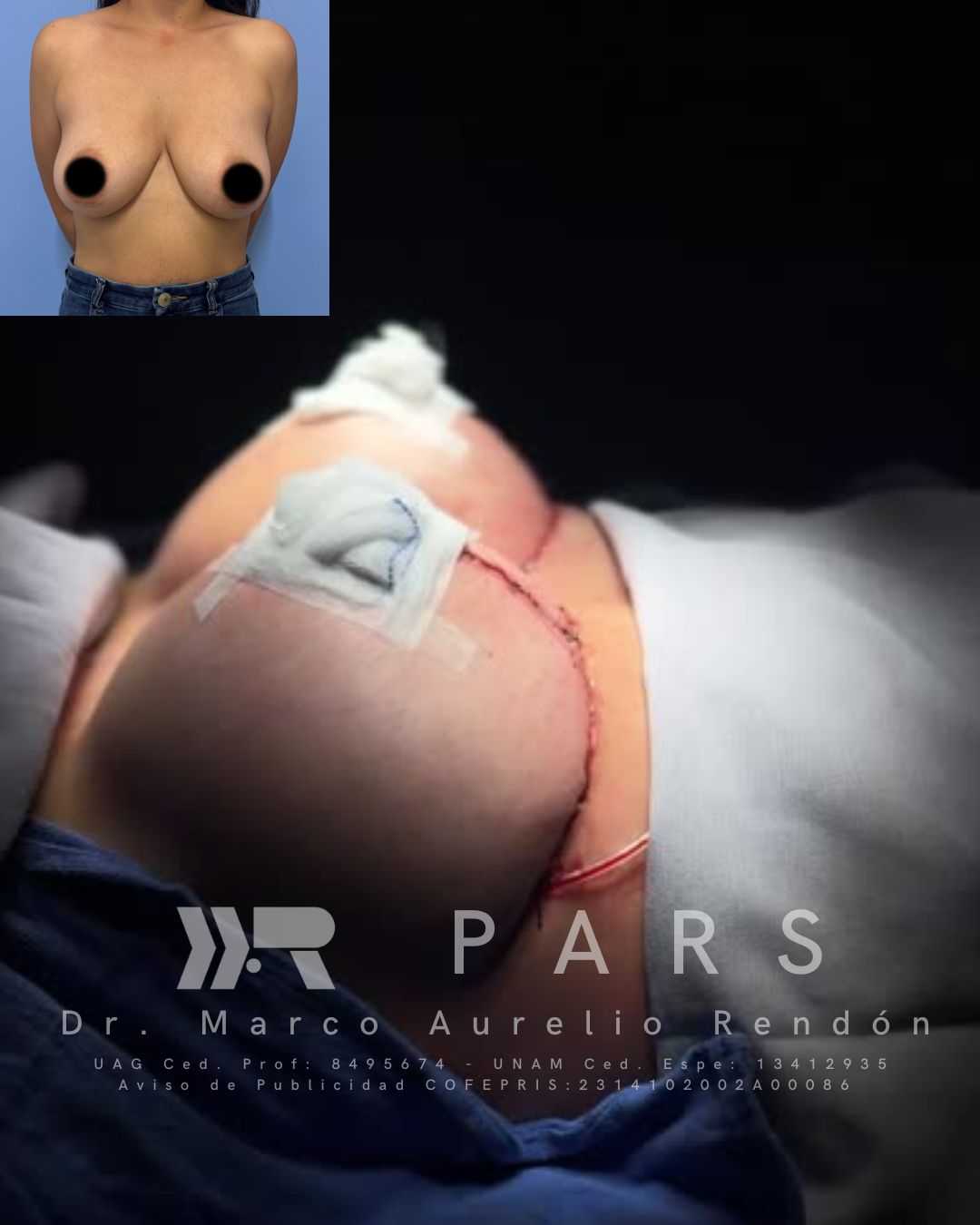
Do not hesitate to request before and after photos of their previous patients specifically looking for body types that match yours. A confident and transparent surgeon will welcome these questions and proudly share their professional credentials.
Ideal Candidates for Breast Enhancement Surgery
Not every patient is immediately ready for cosmetic surgery. Your doctor will conduct a thorough medical evaluation to ensure you can safely undergo anesthesia and achieve a positive outcome.
Ideal candidates share several clinical and psychological traits that contribute to successful long-term results. Your surgeon will ask detailed questions about your medical history during your initial consultation.
- Physical Health: You should be in good overall health with no active infections untreated autoimmune conditions or unmanaged chronic diseases.
- Stable Weight: Significant weight fluctuations after surgery can alter your aesthetic results.
- Non-Smokers: Nicotine constricts blood vessels which severely impairs wound healing and increases complication risks. You must commit to stopping all nicotine use weeks before and after surgery.
- Realistic Expectations: You should understand that implants enhance your natural shape but cannot achieve physical perfection or fix underlying emotional issues.
If you are currently pregnant nursing or planning a pregnancy in the near future your doctor may recommend postponing the procedure as physical changes during pregnancy can alter the appearance of breast enhancements.
Preparing for Your Procedure Abroad
Thorough preparation minimizes anxiety and sets the foundation for a smooth surgical experience. Planning your medical trip involves more than just booking a flight it requires coordinating your health protocols with your travel itinerary.
Your clinic will provide a detailed preoperative packet. You must follow these clinical instructions precisely to avoid having your surgery canceled upon arrival.
| Timeline | Patient Action Required |
|---|---|
| 4 Weeks Before | Stop smoking and using all nicotine products. Discontinue blood-thinning supplements like Vitamin E and fish oil. |
| 2 Weeks Before | Complete required pre-operative lab work (EKG, blood panels) and send results to your coordinator. |
| 1 Week Before | Arrange your recovery space, pick up prescribed medications, and pack loose-fitting button-up clothing. |
| 24 Hours Before | Follow fasting instructions carefully (typically no food or water past midnight). |
Arrive in Puerto Vallarta at least one or two days before your scheduled surgery. This allows time for your in-person consultation physical examination and adjustment to the climate.
The Surgical Process Step by Step
Knowing what happens on the day of surgery can significantly reduce your anxiety. When you arrive at the clinic the medical staff will guide you through the final admission steps.
You will meet with your surgeon one last time to review the operative plan. They will make surgical markings on your chest while you are standing upright. You will also consult with the anesthesiologist who will explain how they will monitor your vitals throughout the operation.
- Anesthesia: You are safely sedated using general anesthesia ensuring you feel no pain and are entirely asleep.
- Incision: The surgeon makes precise incisions in the predetermined locations to minimize visible scarring.
- Pocket Creation: A pocket is carefully formed either directly behind the breast tissue or underneath the pectoral muscle.
- Placement: The sterile implant is inserted into the pocket and positioned for optimal symmetry.
- Closure: Incisions are closed using layered sutures skin adhesives or surgical tape.
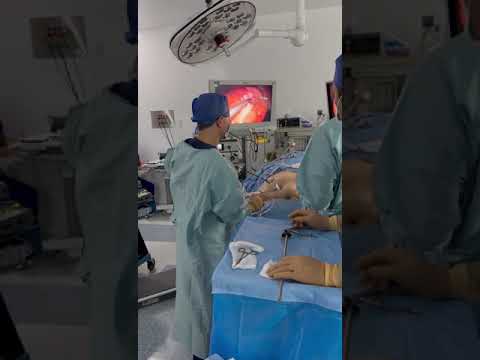
The entire procedure typically takes one to two hours. You are then moved to a dedicated recovery room where nurses monitor you closely as you wake up from the anesthesia.
Recovery Timeline and Healing Expectations
Healing is a gradual biological process that requires patience and strict adherence to your surgeon’s guidelines. Your initial recovery will take place in Puerto Vallarta before you are medically cleared to fly home.
Expect to feel tightness muscle soreness and fatigue during the first few days. Your chest will appear swollen and the implants may initially sit higher on your chest than expected. This is entirely normal.
| Timeframe | Clinical Process & Sensation | Action Required |
|---|---|---|
| Days 1-3 | Acute inflammation. High tightness and moderate soreness. | Rest constantly. Take prescribed pain medication. Sleep on your back elevated. |
| Week 1 | Swelling peaks and begins to subside. Bruising may appear. | Attend follow-up visits. Take short, light walks to promote circulation. |
| Weeks 2-4 | Implants begin to settle ("drop and fluff"). Incisions start closing completely. | Resume light work. Avoid heavy lifting or raising arms high above the head. |
| Months 3-6 | Internal tissues heal around the implant forming a natural capsule. | Resume all normal activities and exercise as cleared by your doctor. |
Most surgeons require you to stay in Mexico for at least 7 to 10 days post-surgery. Flying too soon increases the risk of blood clots and complications related to cabin pressure changes.
Potential Risks and How Providers Manage Complications
All surgical procedures carry inherent risks regardless of where they are performed. Being informed allows you to recognize warning signs early and seek prompt medical attention.
Reputable clinics manage risks through rigorous preoperative screening sterile operating environments and structured postoperative care protocols. However you must be aware of potential clinical complications.
- Capsular Contracture: The immune system creates a tight scar tissue capsule around the implant distorting its shape. This may require revision surgery.
- Infection: A rare but serious risk. Providers mitigate this by administering intravenous antibiotics during surgery.
- Implant Rupture: Saline implants will deflate noticeably while cohesive gel ruptures are silent and require MRI detection.
- Changes in Sensation: Nipple or breast skin may become temporarily or permanently hyper-sensitive or numb.
Before traveling ask your clinic about their complication policy. Many high-quality providers offer medical complications insurance or cover revision surgery fees if an immediate medical issue arises within a specific timeframe.
Long Term Care and Implant Maintenance
Breast implants are medical devices and they are not intended to last a lifetime. While many patients enjoy their results for decades you should plan for eventual replacement or removal.
Maintaining your health and monitoring your implants will ensure long-lasting satisfaction. You must continue regular health screenings and communicate with your local healthcare provider about your surgical history.
- Routine Screenings: Continue routine mammograms but ensure the technician knows you have implants so they can use specific displacement techniques.
- MRI Monitoring: For silicone implants the FDA recommends periodic MRI screenings to detect silent ruptures usually starting a few years after placement.
- Weight Management: Maintaining a stable weight preserves the aesthetic balance of your surgical results.
- Skin Care: Using clinical-grade scar gels as recommended by your surgeon can help incisions fade into barely visible lines over a year or two.
If you experience sudden pain swelling or changes in breast shape years after your procedure you should consult a qualified healthcare provider immediately.
Frequently Asked Questions
How long do I need to stay in Puerto Vallarta after my breast surgery?
You should plan to stay in Mexico for at least 7 to 10 days following your procedure. This allows your surgeon to monitor your initial healing, remove any drains if used, and medically clear you for the pressure changes associated with air travel.
Is it safe to fly after getting breast implants?
Yes, it is generally safe to fly once your surgeon clears you, usually around one week post-op. However, you must move your legs frequently during the flight to prevent blood clots and arrange for someone to carry your luggage, as you cannot lift heavy items.
Will my implants feel like natural breast tissue?
Silicone gel and cohesive gel implants closely mimic the density and feel of natural breast tissue. Saline implants can sometimes feel slightly firmer or ripple under the skin, especially in patients with very little natural breast tissue.
What happens if I experience a complication when I return home?
Before your trip, you should secure medical tourism complications insurance. Additionally, establish a relationship with a local primary care physician or plastic surgeon who can manage minor postoperative concerns once you return to your home country.
Do Mexican clinics use the same implant brands as the US?
Yes, reputable, licensed clinics in Puerto Vallarta use the exact same FDA-approved and CE-marked implant brands used in the United States and Europe, such as Mentor, Allergan, or Motiva. Always ask your surgeon to provide the implant warranty cards.
When can I swim in the ocean or pool in Puerto Vallarta?
You must completely avoid swimming in oceans, pools, or hot tubs for at least four to six weeks following surgery. Submerging healing incisions in unsterilized water significantly increases your risk of severe bacterial infection.
How do I verify a Mexican plastic surgeon is board certified?
You can verify a surgeon's credentials by checking the official directory of the Mexican Council of Plastic, Aesthetic and Reconstructive Surgery (CMCPER) online. Only surgeons who have completed rigorous specialty training are listed there.
Will breast augmentation affect my ability to breastfeed?
Many women successfully breastfeed after augmentation. However, the risk of milk duct interference is slightly higher if the surgeon uses a periareolar incision (around the nipple). Discuss your future pregnancy plans with your doctor during the consultation.
Can I finance my procedure abroad?
Yes, many international clinics work with third-party medical financing companies. You can also use medical credit cards or secure personal health loans from financial institutions in your home country to cover the cost of overseas treatments.
What is the difference between submuscular and subglandular placement?
Submuscular placement positions the implant partially beneath the chest muscle, providing a more natural slope and better tissue coverage. Subglandular placement sits above the muscle but under the breast tissue, which may result in a faster recovery but a rounder, more pronounced look.
Ready to Explore Your Options?
PlacidWay can help you compare top-rated providers, understand comprehensive treatment costs, review specialized treatment options, and request detailed information directly from trusted clinics.
Request Information TodayDisclaimer: This information is for educational purposes only and does not replace professional medical advice. Always consult a qualified healthcare provider before making medical decisions.
References
- Global Survey 2024 Release – International Society of Aesthetic Plastic Surgery (ISAPS)
- Risks and Complications of Breast Implants – U.S. Food and Drug Administration (FDA)
- Official Certified Surgeon Directory – Consejo Mexicano de Cirugía Plástica, Estética y Reconstructiva (CMCPER)
- Hospital and Clinic Regulations – Federal Committee for Protection from Sanitary Risks (COFEPRIS)
- Breast Augmentation Safety Data – American Society of Plastic Surgeons (ASPS)
- Medical Tourism Guidelines – Centers for Disease Control and Prevention (CDC)
- Complication Rates in Primary Breast Augmentation (2024 Update) – National Institutes of Health (NIH)




















Share this listing