
If you are considering plastic surgery in Mexicali from California, Arizona, another U.S. state, Canada, or elsewhere, the most important comparison is not simply price. You need to know who will operate, whether the surgeon's specialty credentials can be independently verified, where the procedure will take place, what happens if a complication develops, and how recovery fits with your return travel. This guide focuses on two plastic surgeons in Mexicali Dr. Alejandro Paredes Vallejo and Dr. Luis Tamez Pedroza and the checks that matter before you make a medical decision.

Quick Summary:
- Credential check: verify the surgeon through the Consejo Mexicano de Cirugía Plástica, Estética y Reconstructiva (CMCPER) and confirm the specialty professional license.
- Facility check: ask for the surgical facility's current sanitary authorization for surgical procedures and its responsible medical officer information.
- Cost: there is no authoritative citywide 2026 price average for all plastic surgery in Mexicali. Request an itemized quote after medical assessment rather than relying on a headline price.
- Who commonly considers Mexico?: 2024 ISAPS survey data found that the United States, Canada, and Colombia were the most frequently cited origins of foreign aesthetic patients treated in Mexico.
- Recovery: the safe time to drive or fly home depends on the procedure, anesthesia, mobility, complications, and your individual blood-clot risk.
- Important caution: “best” should not be interpreted as a medical ranking. The right surgeon is the qualified specialist whose training, procedure experience, facility, communication, and follow-up plan fit your case.
Why Patients Consider Plastic Surgery in Mexicali, Mexico?
Mexicali is directly across the border from Calexico, California, which makes it a practical destination for some North American patients who want to compare private cosmetic surgery options without taking a long international flight. The city can be especially relevant for people living in Southern California, Imperial Valley, Arizona, and nearby regions because follow-up visits may be more manageable than they would be after long-haul medical travel.
The decision should still be treated like any other surgical decision. Cosmetic surgery involves anesthesia, incisions, tissue healing, infection risk, bleeding risk, scarring, and procedure-specific complications. Traveling for surgery also adds border logistics, accommodation, postoperative transportation, and the possibility that your operating surgeon will be in another country after you return home.
Plastic Surgeons in Mexicali: What to Know?
The two surgeons below are presented as options to research, not as a first-to-second ranking. A surgeon may be appropriate for one procedure and not another, and a credential does not replace an individual medical consultation. Ask each surgeon how often they perform your exact operation, where they operate, who provides anesthesia, and how they handle complications or revisions.
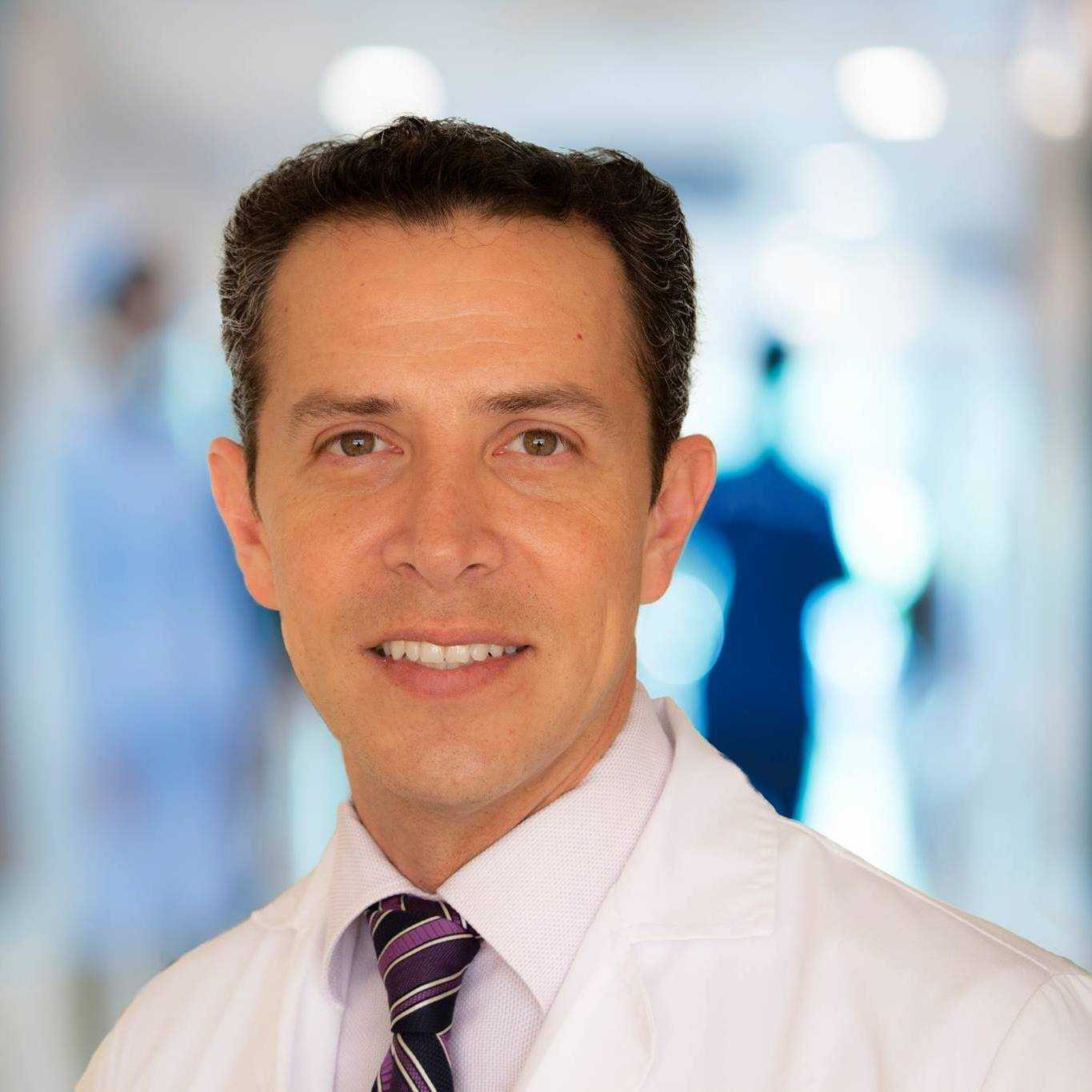
Dr. Alejandro Paredes Vallejo
Dr. Alejandro Paredes Vallejo is a plastic surgeon practicing in Mexicali, Baja California. The Mexican Association of Plastic, Aesthetic and Reconstructive Surgery (AMCPER) directory identifies him in Mexicali and lists professional license 785995, specialty license 7605829, and certification number 394. The association's directory displays his status as Vitalicio.
His background includes specialty training in plastic and reconstructive surgery associated with Guadalajara. Procedures connected with his practice include body contouring, breast surgery, rhinoplasty and other facial surgery. Those broad categories do not prove equal experience in every technique, so patients considering revision surgery, complex body contouring, combined procedures, or a specific implant approach should ask for procedure-specific experience.
Dr. Luis Tamez Pedroza
Dr. Luis Tamez Pedroza practices plastic, aesthetic, and reconstructive surgery in Mexicali. CMCPER's published results for the 2026 first-period certification examination list Dr. Luis Tamez Pedroza among the physicians who passed the examination. Because certification records can be updated after examination results are published, patients should confirm his current issued certificate and directory status directly with CMCPER before surgery.
His training background includes medicine at the Autonomous University of Baja California, general surgery training associated with the Autonomous University of Nuevo León, plastic and reconstructive surgery training associated with UNAM, and aesthetic surgery fellowship training in Barcelona. His clinical focus includes facial surgery, breast surgery, body contouring, and reconstructive procedures. As with any surgeon, the important question is not whether a procedure appears on a service list, but how frequently the surgeon performs that specific operation and manages its known complications.
How to Verify a Plastic Surgeon in Mexicali Before You Book?
Mexico has a defined specialist credential pathway for plastic surgery. CMCPER advises patients to confirm that the doctor has formal specialty training in plastic, aesthetic, and reconstructive surgery, a legally registered specialty professional license, and an appropriate certification status. For certificates that require renewal, CMCPER describes a five-year recertification cycle.
Do the verification yourself even if a coordinator sends screenshots or certificates. Search the surgeon's full name and compare the spelling, location, license information, and status. If anything is inconsistent, ask the surgeon to explain it before you pay a non-refundable deposit.
| Credential | What It Tells You? | What It Does Not Tell You? | Your Next Check |
|---|---|---|---|
| Specialty cédula | The physician holds a legally issued specialty credential | Current procedure volume or cosmetic outcomes | Match the number to the surgeon's legal name |
| CMCPER status | Specialty certification or certification pathway | Whether the surgeon is the best match for your exact case | Check current status directly before surgery |
| Professional membership | Association participation and professional identity | Facility licensing or complication rate | Verify the facility separately |
| Before-and-after photos | A visual sense of cases the surgeon chooses to show | Overall complication rate or whether photos are typical | Ask for comparable anatomy and consistent photo conditions |
How to Check the Hospital or Surgical Facility in Mexicali?
The surgeon's qualifications are only one part of surgical safety. COFEPRIS states that facilities where surgical procedures are performed require appropriate sanitary authorization, and its updated guidance for aesthetic surgery describes requirements involving legal documentation, infrastructure, equipment, anesthesia, infection control, clinical records, and arrangements for higher-level care when needed.
Ask for the exact name and address of the facility before you travel. A consultation office and an operating facility are not necessarily the same place. You should know where the surgery will occur, whether that location is authorized for surgical procedures, who is responsible for anesthesia, and where you would be transferred if a complication requires more intensive treatment.
Plastic Surgery Costs in Mexicali: What Should Be in Your Quote?
There is no single authoritative 2026 citywide price for plastic surgery in Mexicali because “plastic surgery” covers procedures with very different operating times, anesthesia requirements, implants, surgical complexity, and recovery needs. A rhinoplasty quote cannot be meaningfully compared with a mommy makeover, and even two tummy tucks can differ if one includes extensive muscle repair or liposuction.
For context, the American Society of Plastic Surgeons reports a latest average U.S. surgeon fee of $8,174 for abdominoplasty. That figure does not include anesthesia, operating-room facilities, or other related expenses. This is why a patient comparing Mexicali with the United States should compare total written costs rather than a single surgeon-fee number.
| Cost Item | Ask Whether Included | Why It Changes the Final Cost? |
|---|---|---|
| Surgeon's professional fee | Yes | Depends on operation, complexity and surgeon |
| Anesthesiologist | Yes | Varies with anesthesia type and surgical duration |
| Operating room / hospital | Yes | Facility and length of stay can materially change price |
| Implants or devices | When applicable | Brand, type and warranty may differ |
| Preoperative testing | Yes | Additional testing may be needed based on health history |
| Compression garments / supplies | When needed | Not always included in procedure fees |
| Follow-up visits | Number and duration | Remote and in-person follow-up can differ |
| Complication or revision care | Ask explicitly | Unexpected care can become the largest additional expense |
Treat any price as an estimate until the surgeon has reviewed your medical history, goals, photographs where appropriate, and relevant test results. A quote should also state its validity period and cancellation or rescheduling terms. If a quote changes after medical assessment, ask for the reason in writing.
Which Plastic Surgery Procedures Do Patients Commonly Research in Mexico?
National 2024 data from the International Society of Aesthetic Plastic Surgery recorded 734,082 surgical aesthetic procedures in Mexico. The five highest-volume surgical categories were liposuction, breast augmentation, eyelid surgery, buttock augmentation, and abdominoplasty. These are national estimates, not procedure counts for Mexicali or for either surgeon in this guide.
The numbers are useful because they show which operations are commonly performed in Mexico, but popularity is not evidence that a procedure is appropriate for you. For example, body-contouring surgery may require careful assessment of blood-clot risk, skin quality, previous scars, weight stability, smoking, and the safety of combining several operations in one session.
| Procedure | Mexico 2024 Estimate | Important Preoperative Discussion |
|---|---|---|
| Liposuction | 98,754 | Treatment areas, fluid management, clot prevention and realistic contour goals |
| Breast augmentation | 67,893 | Implant type, incision, placement, future imaging and revision possibilities |
| Eyelid surgery | 65,305 | Dry-eye history, eyelid position, vision symptoms and facial anatomy |
| Buttock augmentation | 62,717 | Technique, fat-transfer safety, anatomy and postoperative positioning |
| Abdominoplasty | 52,762 | Muscle repair, scar location, drains, mobility and clot-risk assessment |
Who Travels to Mexico for Aesthetic Surgery?
The 2024 ISAPS survey provides useful medical-tourism context. For Mexico, participating surgeons reported a median of 12.0% foreign patients and an average of 23.4%. The United States was the most frequently cited origin of foreign patients, followed by Canada and Colombia. These are national survey findings and should not be interpreted as Mexicali-specific patient counts.
That pattern is consistent with Mexicali's border geography. A patient from Imperial Valley can reach Mexicali very differently from a patient traveling from Toronto or the U.S. East Coast, so travel risk and follow-up planning should be individualized. The more difficult it would be for you to return to the surgeon, the more important it is to arrange local postoperative support before leaving home.
Medical-Tourism Snapshot for Mexico
Source: ISAPS 2024 Global Survey medical-tourism data. National survey estimates, not city-level counts.
Age and gender also vary substantially by procedure. ISAPS reported that women accounted for 83.9% of surgical aesthetic procedures worldwide in 2024 and men for 16.1%. For rhinoplasty, 60.1% of procedures were performed in patients aged 18–34, while liposuction was distributed more evenly between ages 18–34 and 35–50. These global patterns can help explain why a surgeon's patient population may differ by procedure.
Recovery and Travel Planning After Plastic Surgery in Mexicali
Recovery should be planned around biology, not a return ticket. Swelling, bruising, pain, fatigue, reduced mobility, wound care, and the need for follow-up vary by operation. Major body contouring generally requires more assistance and longer functional recovery than a smaller facial procedure, while combined operations can increase the physical burden of early recovery.
The CDC warns that surgery and long periods of sitting can both increase the risk of blood clots. It also advises medical tourists to consider the added difficulty of managing complications once they have returned home. Your surgeon should give you procedure-specific guidance about mobility, compression, wound care, showering, driving, flying, lifting, work, exercise, and emergency symptoms.
| Timeframe | Biological / Clinical Process | Patient Sensation | Activity Level | Action Required |
|---|---|---|---|---|
| First 24–48 hours | Early inflammation, bleeding surveillance and anesthesia recovery | Pain, tightness, swelling, fatigue or nausea may occur | Restricted; short assisted movement may be advised | Stay near care, follow instructions and keep urgent contact available |
| Days 3–7 | Wound healing and swelling continue | Bruising, stiffness, numbness or drainage can vary | Light activity only as cleared | Attend scheduled review and do not travel merely because a package ends |
| Weeks 2–6 | Deeper tissues continue healing and scars begin maturing | Residual swelling or altered sensation may persist | Gradual return according to procedure | Obtain clearance before strenuous exercise or heavy lifting |
| Following months | Scar remodeling and gradual settling of swelling | Appearance can continue to change | Increasingly normal if healing is uncomplicated | Continue planned follow-up and report persistent or new problems |
Plastic Surgery Risks, Red Flags and a Safer Decision Checklist
Plastic surgery can involve bleeding, infection, fluid collections, wound separation, delayed healing, visible scarring, asymmetry, sensory changes, anesthesia complications, blood clots, fat embolic events, implant-related problems, and the possibility of revision. The specific risk profile changes with the operation and with factors such as smoking, obesity, diabetes, clotting history, medications, previous surgery, and how many procedures are combined.
A 2026 CDC report on travel-related cosmetic procedures highlighted infections and other adverse outcomes among U.S. residents who traveled for elective cosmetic care. The lesson is not that surgery abroad is automatically unsafe; it is that infection control, facility standards, postoperative surveillance, and communication across locations matter. Patients need a plan that remains workable after they cross the border home.
Red flags before booking
- Pressure to pay before a medical consultation
- Refusal to provide the surgeon's full legal name or credentials
- Vague answers about where surgery will occur
- Promises of guaranteed results or “zero risk”
- Encouragement to hide medical conditions or medications
- No written complication or aftercare plan
Reassuring signs
- Independent credential verification is easy
- The surgeon explains limitations and alternatives
- The facility and anesthesia team are identified in advance
- The quote is itemized and written
- Follow-up responsibilities are clear
- You are given time to decide without pressure
Final 12-point checklist before paying a deposit
- Verify the surgeon's full legal name.
- Verify the specialty professional license.
- Verify the current CMCPER status or certification documentation.
- Ask how often the surgeon performs your exact procedure.
- Confirm the exact surgical facility and its sanitary authorization.
- Ask who administers anesthesia and how they are credentialed.
- Review your full medical history, medications, allergies and previous operations.
- Request an itemized written quote.
- Understand cancellation, rescheduling, complication and revision policies.
- Plan enough time in Mexicali for postoperative review.
- Arrange a responsible adult and safe local transport during early recovery.
- Plan who will manage follow-up after you return home.
Frequently Asked Questions
Who are the plastic surgeons covered in this Mexicali guide?
This guide focuses only on Dr. Alejandro Paredes Vallejo and Dr. Luis Tamez Pedroza. They are presented as surgeons to research rather than as a numerical ranking. Patients should independently verify current credentials, procedure experience, facility details, anesthesia arrangements, and follow-up before choosing care.
How can I verify a plastic surgeon in Mexicali?
Use the surgeon's full legal name to check the relevant Mexican professional directories and confirm the specialty professional license. CMCPER advises patients to verify plastic-surgery certification and its current status. Compare the directory information with what the surgeon provides during consultation.
Is Dr. Alejandro Paredes Vallejo listed by AMCPER?
Yes. AMCPER's Baja California directory lists Dr. Alejandro Paredes Vallejo in Mexicali and provides professional and specialty license information. Patients should still confirm the current details directly before surgery because professional records can be updated.
What is the current certification information for Dr. Luis Tamez Pedroza?
CMCPER's official results for the first 2026 certification examination list Dr. Luis Tamez Pedroza among the physicians who passed. Before booking, ask for his current issued certificate details and verify the latest directory status directly through CMCPER.
How much does plastic surgery cost in Mexicali?
There is no reliable single citywide price because costs differ by procedure, surgical complexity, anesthesia, facility, implants, testing, and aftercare. Request an individualized, itemized quote after medical assessment and confirm which services are included before comparing it with another provider.
What should I check about a surgery facility in Mexicali?
Confirm the exact facility where the procedure will take place and ask for its current sanitary authorization for surgical procedures. Also ask about the anesthesia professional, infection-control systems, emergency equipment, transfer arrangements, postoperative monitoring, and overnight coverage when relevant.
Is plastic surgery in Mexicali safe for U.S. patients?
No surgery or destination can be described as universally safe. Risk depends on your health, procedure, surgeon, facility, anesthesia, infection control, postoperative care, and travel plan. U.S. patients should also consider how complications would be managed after they return across the border.
How long should I stay in Mexicali after cosmetic surgery?
There is no single safe stay length for every procedure. Your surgeon should base travel clearance on the operation, anesthesia, mobility, wound status, blood-clot risk, and early follow-up findings. Do not schedule departure only around the shortest package itinerary.
Can I fly home immediately after plastic surgery?
Immediate air travel may be inappropriate after some procedures. Surgery and prolonged immobility can both raise blood-clot risk, and certain operations require additional time before flying. Obtain individualized clearance from the treating surgeon based on your procedure and health.
What should I ask about revisions or complications?
Ask who pays professional, facility, anesthesia, implant, travel, or hospitalization costs if revision becomes necessary. Also ask which complications the surgeon will manage directly, how long follow-up is provided, and what happens if the problem develops after you return home.
Should I choose the surgeon with the lowest quote?
Price is one part of the decision, not a quality measure. Compare credential verification, procedure-specific experience, facility authorization, anesthesia, emergency planning, communication, follow-up, revision terms, and total cost. A cheaper quote can become expensive if essential services are excluded.
Compare Your Plastic Surgery Options in Mexicali
PlacidWay can help you request information, compare treatment options, understand what different quotes include, and prepare the right questions before speaking with a provider. Use that information alongside independent credential verification and a personal medical consultation.
Disclaimer
Disclaimer: This information is for educational purposes only and does not replace professional medical advice. Always consult a qualified healthcare provider before making medical decisions.
References
- Dr. Alejandro Paredes Vallejo – Asociación Mexicana de Cirugía Plástica, Estética y Reconstructiva (AMCPER)
- 2026 First-Period Certification Examination Results – Consejo Mexicano de Cirugía Plástica, Estética y Reconstructiva (CMCPER)
- Protocol for Choosing and Verifying a Plastic Surgeon – CMCPER
- Updated Sanitary Directive for Facilities Performing Aesthetic Surgery – COFEPRIS
- Medical Tourism and Cosmetic Tourism Safety – U.S. Centers for Disease Control and Prevention
- ISAPS International Survey on Aesthetic/Cosmetic Procedures Performed in 2024 – International Society of Aesthetic Plastic Surgery
- Tummy Tuck Cost and Fee Components – American Society of Plastic Surgeons
- Mexico Travel Advisory – U.S. Department of State
.jpg)



.jpg)
.png)



.jpg)
.jpg)
.jpg)
.jpg)









Share this listing