

A Complete Patient Guide to Medical Tourism in Mexicali, Mexico
The warm desert breeze greets you as you cross the straightforward border from Calexico, leaving the familiar Californian landscape behind for the bustling, sun-drenched capital of Baja California. Within minutes of arrival, a bilingual coordinator hands you a freshly brewed local coffee inside a high-tech clinic, immediately putting your cross-border anxieties to rest.
Exploring medical tourism in Mexicali, Mexico, offers this exact blend of seamless geographic accessibility and advanced surgical care set against a backdrop of rich local heritage. You find yourself navigating not just a journey toward physical healing, but a welcoming introduction to a unique desert city renowned for its surprising cultural fusions.
Key Takeaways
- Patients traveling to Baja California's capital typically save between 50% and 70% on major medical and dental procedures compared to United States pricing.
- The city features a dedicated medical border lane that drastically reduces wait times for patients returning to the United States after surgery.
- Top-tier local clinics maintain stringent hygiene protocols regulated by COFEPRIS, the Mexican equivalent of the FDA.
- The local fusion of Mexican and Chinese culture provides unique, soft-diet friendly culinary options ideal for patients recovering from dental or bariatric treatments.
- Winter months offer an optimal healing climate with daytime temperatures hovering comfortably around 70°F (21°C), perfect for light post-operative walking.
Why Choose the Capital for Your Healthcare Journey
Making the decision to travel for healthcare often brings a mix of hope and apprehension, especially when venturing across international borders. Choosing this vibrant border city means you are securing top-tier medical expertise while recovering in a location celebrated for its robust civic infrastructure.
- Capital City Infrastructure: Unlike smaller border towns, this city features wide, paved avenues and reliable utilities that ensure your transportation from the hotel to the clinic is remarkably smooth and comfortable.
- Unparalleled Proximity: Located directly adjacent to Calexico, California, the destination allows you to fly into domestic US airports like El Centro or San Diego before taking a short, scenic drive through the desert.
- Integrated Medical Districts: The urban layout concentrates world-class hospitals, boutique recovery hotels, and quiet parks in specific zones, minimizing travel fatigue for healing visitors.
- Exceptional Hospitality: Local culture places a massive emphasis on familial warmth, meaning nurses and hotel staff consistently treat you with a level of personalized empathy rarely found in high-volume northern hospitals.
- Bilingual Convenience: Because of the heavy daily cross-border traffic, English is widely spoken in the medical districts, restaurants, and shopping centers, eliminating stressful language barriers during your stay.
Top Procedures Drawing Patients Across the Border
It is completely understandable to wonder if your specific medical need is routinely handled in Baja California before you commit to the trip. The local medical community has specialized in several high-demand fields, expertly combining complex surgical interventions with localized recovery tourism.
- Bariatric Weight Loss Surgery: Clinics here perform thousands of gastric sleeve and bypass operations annually, offering comprehensive packages that include nutritional counseling and guided post-op walks through the serene Bosque de la Ciudad park.
- Advanced Dental Restorations: From single implants to full-mouth All-on-4 restorations, dental tourists flock here to restore their smiles while enjoying the region's famous soft-food culinary scene during the initial healing phase.
- Cosmetic and Plastic Surgery: Highly trained aesthetic surgeons provide tummy tucks, facelifts, and breast augmentations in private, spa-like facilities that overlook the tranquil desert landscape.
- Orthopedic Joint Replacements: Patients seeking relief from chronic joint pain find affordable knee and hip replacements, supported by physical therapy sessions conducted in mild, sun-drenched winter weather.
- Fertility and IVF Treatments: Seeking fertility care is emotionally taxing, but the discreet, compassionate clinics here provide advanced reproductive technologies at a fraction of the cost, surrounded by a peaceful, stress-reducing environment.
A Deep Dive into Healthcare Cost Savings
Financial concerns are often the primary catalyst for patients seeking care outside their home countries, and it is completely normal to scrutinize every expense. By looking closely at the financial landscape of Baja California, you will discover that high standards of care do not have to result in crippling debt.
The following comparative data illustrates the stark contrasts between northern American pricing and the transparent fees found just south of the border. Keep in mind that these estimates typically encompass facility fees, surgical team costs, and standard medical hardware as of late 2023.
| Medical Procedure | Average US Cost | Average Local Cost | Estimated Savings |
|---|---|---|---|
| Gastric Sleeve Surgery | $15,000 - $20,000 | $4,500 - $5,500 | Up to 70% |
| All-on-4 Dental Implants | $24,000 - $30,000 | $8,000 - $11,000 | Up to 65% |
| Knee Replacement | $35,000 - $45,000 | $10,000 - $13,000 | Up to 70% |
| Tummy Tuck (Abdominoplasty) | $8,000 - $12,000 | $4,000 - $5,500 | Up to 55% |
| In Vitro Fertilization (IVF) | $12,000 - $15,000 | $5,000 - $7,000 | Up to 60% |
Navigating Your Arrival at the Calexico Border
Anxiety about crossing an international border is one of the most common hurdles patients face when planning their itinerary. Fortunately, the entry points connecting Imperial Valley to Baja California are highly streamlined, featuring dedicated resources that make your transition safe, fast, and entirely stress-free.
- Flight Options: Many patients prefer the convenience of flying into the Imperial County Airport (IPL) in nearby El Centro or San Diego International (SAN), followed by a straightforward highway drive through visually stunning desert valleys.
- Two Ports of Entry: You can choose between the bustling Downtown crossing or the quieter East port; medical coordinators usually recommend the East crossing for its lower congestion and smoother driving conditions.
- Clinic Concierge Pick-Up: Premium healthcare providers frequently send private, air-conditioned shuttles directly to the US side of the border, meaning you never have to navigate unfamiliar roads yourself.
- The Medical Fast Pass: Upon discharge, qualified clinics provide you with a "Pase Médico," a specialized pass that grants you access to an exclusive lane, reducing your border wait time to minutes instead of hours.
- Immediate Cultural Shift: The moment you cross, you will notice a vibrant shift in architecture and energy, as well as an abundance of highly visible, clearly marked pharmacies and medical plazas catering specifically to visitors.
The Unique Fusion of Baja California Recovery
Healing requires more than just sterile hospital walls; it requires an environment that stimulates your spirit without exhausting your body. This distinct destination offers a fascinating historical tapestry that allows you to experience international tourism at a gentle, recovery-appropriate pace.
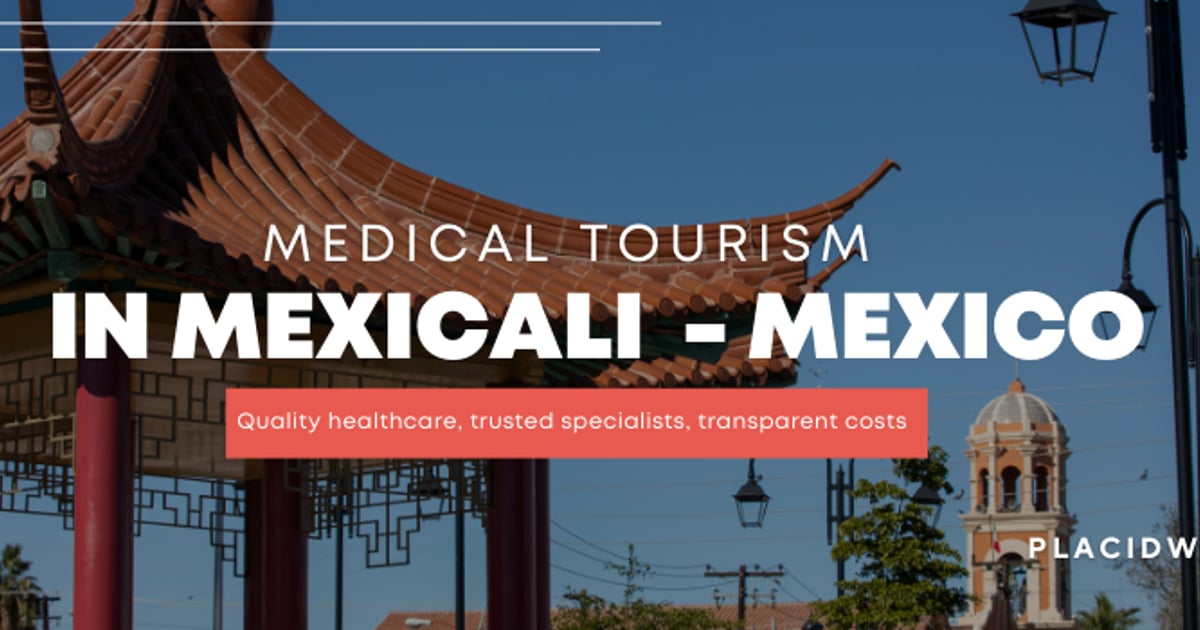
- La Chinesca District: You can gently stroll through the largest Chinatown in Mexico, exploring a unique architectural blend of Asian and Mexican influences that provides beautiful, low-exertion sightseeing.
- Underground History: For traveling companions or patients cleared for light activity, the historic subterranean tunnels of La Chinesca offer a cool escape from the desert sun and a captivating look at early 20th-century immigrant life.
- Paseo de la Reforma: The city features beautifully maintained boulevards lined with palm trees, offering flat, even sidewalks that are ideal for the mandatory post-operative walking required after orthopedic or bariatric surgeries.
- Art and Architecture: You do not need to walk far from the medical district to admire vibrant street murals and distinct desert architecture, giving your trip a vacation feel despite its clinical purpose.
- Relaxed Urban Pace: Unlike the chaotic tourist traps of coastal resort towns, this inland capital moves at a deliberate, business-oriented rhythm, ensuring you get the peace and quiet necessary for optimal physical recovery.
Top Culinary Experiences During Your Stay
It is easy to worry that traveling for surgery means resigning yourself to bland, uninspired hospital meals for the duration of your trip. However, local chefs have perfected the art of creating nutrient-dense, easily digestible dishes that celebrate regional flavors while accommodating strict post-operative dietary guidelines.
- Authentic Chinese-Mexican Fusion: Dental patients limited to soft diets will delight in the locally famous, slow-cooked Cantonese soups and soft noodles that require zero chewing but deliver maximum flavor.
- Traditional Broths and Consommés: Bariatric patients on liquid diets can enjoy rich, heavily strained traditional Mexican chicken and beef broths, providing essential hydration and comfort during the first few days of healing.
- Baja Med Cuisine: For companions and patients cleared for solid foods, upscale restaurants near the hotel zone offer Baja Med dishes, blending Mediterranean techniques with fresh Mexican seafood and desert produce.
- Local Craft Beverages: While alcohol is strictly prohibited post-surgery, traveling companions can explore the city’s booming craft beer scene, while patients can enjoy artisanal, non-citrus infused waters (aguas frescas).
- Room Service Convenience: Most recovery boutiques partner with top-rated local kitchens, ensuring that these culinary delights can be delivered directly to your bed if you are not yet feeling up to a restaurant visit.
Understanding Local Accreditation and Safety Standards
Feeling apprehensive about the safety and sterility of foreign medical facilities is a protective instinct that you should never ignore or suppress. Rest assured, the facilities catering to international visitors adhere to rigorous federal regulations and frequently match or exceed the hygienic standards found in your local hometown hospitals.
- COFEPRIS Oversight: Every legitimate clinic operates under the strict surveillance of COFEPRIS, the Mexican governmental body that enforces pharmaceutical and medical facility safety across the nation.
- CSG Certification: The most elite hospitals hold certification from the Consejo de Salubridad General (CSG), a national accreditation modeled heavily on international safety benchmarks.
- Surgeon Board Certification: Just as in the United States, top local surgeons are board-certified by the Mexican Association of Plastic, Esthetic and Reconstructive Surgery (AMCPER) or relevant specialty boards.
- Advanced Infection Control: Clinics prioritize advanced HEPA filtration systems in operating rooms and utilize modern sterilization autoclaves, minimizing the risk of post-operative complications.
- Transparent Safety Data: Reputable coordinators will gladly provide you with clinical outcome statistics, infection rates, and verifications of their doctors' licenses upon your initial consultation.
Boutique Accommodations for Healing Travelers
Where you sleep and spend your waking hours recovering is just as vital to your medical journey as the time spent inside the operating room. The hospitality sector here has evolved specifically to cater to medical travelers, offering accommodations that blend luxury tourism amenities with practical, medical-grade accessibility.
By choosing accommodations in the designated "Zona Hotelera," you ensure you are within minutes of emergency medical support while enjoying a vacation-like atmosphere. Review the typical lodging options below to determine which style best fits your recovery needs.
| Accommodation Type | Medical Features | Tourism & Leisure Features |
|---|---|---|
| Dedicated Recovery Houses | 24/7 on-site nursing, hospital beds, accessible bathrooms, daily vital checks. | Communal lounge areas, curated soft-diet menus, peaceful garden courtyards. |
| Luxury Business Hotels | Elevator access, proximity to major clinics, in-room refrigerators for medications. | High-speed Wi-Fi, premium room service, on-site spas for traveling companions. |
| Extended-Stay Suites | Kitchenettes for dietary control, spacious living areas for stretching and mobility. | Proximity to upscale shopping centers, outdoor seating, local desert views. |
Exploring the Guadalupe Canyon Hot Springs
While your primary goal is healing, understanding the spectacular natural wonders surrounding the city helps frame your trip as a true wellness retreat. Though you must strictly follow your surgeon's advice regarding water exposure post-surgery, the nearby wilderness offers incredible experiences for companions or for you prior to your procedure.
- Desert Oasis Beauty: Located outside the city, the Guadalupe Canyon features stunning natural hot springs nestled among rocky desert cliffs, providing a breathtaking backdrop for relaxation.
- Pre-Surgery Stress Relief: Visiting these mineral-rich waters a day or two before your dental or cosmetic procedure can significantly lower your cortisol levels and ease pre-operative anxiety.
- Companion Excursions: If you are traveling with family members, booking them a day trip to the canyons ensures they enjoy a remarkable vacation while you rest safely at the clinic.
- Medical Precautions: It is critical to note that soaking in any natural body of water or hot tub is strictly prohibited immediately following surgery due to the high risk of incision infection.
- Scenic Desert Drives: Even if you cannot swim, simply taking a guided, air-conditioned driving tour through the rugged Baja wilderness offers incredible photography opportunities and mental stimulation.
Getting Around: Transportation in the Capital
Navigating a foreign city immediately after undergoing a medical procedure can feel daunting, which is why transportation logistics should be planned well in advance. The local transit ecosystem is heavily optimized for international visitors, ensuring you can move from your hotel to the clinic safely and affordably.
- Private Clinic Transport: The vast majority of premium healthcare packages include door-to-door chauffeur services, utilizing spacious vans that allow orthopedic patients to stretch their legs comfortably.
- Rideshare Availability: Uber operates extensively and legally throughout the city, providing you with a reliable, cash-free way to visit local tourist attractions or shopping plazas at transparent prices.
- Regulated Taxi Services: Official city taxis are readily available at designated stands near major hotels; they are safe, though you should always negotiate and confirm the fare in dollars or pesos before entering.
- Flat City Terrain: Unlike hilly coastal cities, the capital boasts flat, even terrain that makes getting in and out of vehicles significantly easier for patients dealing with abdominal incisions or joint pain.
- Secure Parking: If you choose to drive your own vehicle across the border, nearly all reputable clinics and recovery hotels offer 24-hour gated and guarded parking facilities for your peace of mind.
Desert Climate and the Best Times to Visit
Your physical comfort during recovery is heavily influenced by the weather, making it essential to understand the unique meteorological patterns of the Sonoran Desert. By timing your visit correctly, you can turn your mandatory post-op recovery walks into delightful strolls through a sunlit paradise.
- The Mild Winter Advantage: Visiting between November and March offers spectacular daytime temperatures around 70°F (21°C), which is the absolute ideal climate for comfortable healing and outdoor tourism.
- Intense Summer Heat: From June to September, temperatures frequently exceed 100°F (38°C), meaning you will spend the entirety of your recovery enjoying the powerful air conditioning of your clinic and hotel.
- Low Humidity Healing: The dry desert air is remarkably beneficial for surgical recovery, as lower humidity levels can actually help reduce post-operative swelling and minimize skin maceration around bandages.
- Cool Desert Nights: Regardless of when you visit, evening temperatures can drop significantly, allowing you to enjoy a restful, cool night of sleep which is crucial for cellular repair.
- Year-Round Sunshine: With over 300 days of sunshine annually, the bright environment naturally boosts serotonin levels, helping to combat the temporary "post-surgery blues" many patients experience.
Language, Currency, and Cross-Cultural Communication
It is completely natural to worry about feeling isolated or misunderstood when receiving medical care in a country where you do not speak the primary language. However, the heavy integration of cross-border commerce has created a highly bilingual, financially flexible environment that caters effortlessly to North American travelers.
- Widespread English Proficiency: From the front desk receptionist at your hotel to your primary surgeon, nearly all professionals interacting with medical tourists speak fluent, medical-grade English.
- US Dollar Acceptance: You rarely need to exchange large sums into Mexican Pesos, as the US Dollar is universally accepted at hospitals, pharmacies, restaurants, and local tourist markets.
- Credit Card Convenience: Major credit cards like Visa and Mastercard are accepted almost everywhere; just be sure to inform your bank of your travel plans to avoid unexpected fraud alerts during payment.
- Cultural Empathy: Mexican culture places a high value on polite, warm communication, meaning you will often be treated with a level of personal respect and patience that significantly reduces travel stress.
- Translation Apps: While largely unnecessary in the medical district, having a translation app on your phone can be a fun and useful tool if you choose to explore deeper into the local, non-tourist neighborhoods.
Cultural Landmarks to Visit Post-Treatment
Once your doctor clears you for light activity, remaining confined to your hotel room can lead to unnecessary restlessness and cabin fever. The city offers several easily accessible, low-impact cultural sites that allow you to soak in the local heritage without jeopardizing your healing incisions or dental work.
- Catedral de la Virgen de Guadalupe: This beautiful, centrally located cathedral features stunning architecture and provides a quiet, peaceful sanctuary for reflection and gentle walking.
- Museo Sol del Niño: If you are traveling with children or grandchildren, this interactive science museum is a fantastic, air-conditioned distraction that will keep them entertained while you rest on nearby benches.
- Bosque y Zoológico de la Ciudad: The city's largest park and zoo is characterized by flat, paved pathways and dense shade trees, making it the perfect destination for the mandatory, gentle walking required after bariatric procedures.
- Plaza La Cachanilla: As one of the largest shopping malls in the region, it offers a safe, climate-controlled environment where you can buy local souvenirs and practice walking in a highly secure setting.
- Casa de la Cultura: Housed in a beautifully preserved historic building, this center frequently hosts small art exhibits and cultural displays, offering a brief, enriching outing for you and your companion.
Packing Essentials for a Baja Medical Trip
Preparing your suitcase for a health-focused international trip requires balancing standard tourist necessities with specific post-operative requirements. Arriving with the right documents, clothing, and comfort items will vastly improve your experience in the days following your procedure.
- Vital Documentation: Always pack a valid passport, physical copies of your US or Canadian medical records, a list of current medications, and the printed confirmation letters from your chosen clinic.
- Adaptive Clothing: Bring loose, oversized button-up shirts and elastic-waist pants; these are critical because you will have limited mobility and need to avoid pressing fabric against fresh surgical sites.
- Sun Protection: The Baja sun is notoriously intense even in winter; pack a wide-brimmed hat, UV-protective sunglasses, and high-SPF sunscreen to protect sensitive skin and prevent fresh scars from darkening.
- Comfort Electronics: Bring an e-reader or tablet pre-loaded with movies and books, as well as an extra-long phone charging cable, since hospital bed outlets are often located inconveniently far from the mattress.
- Specialized Pillows: A U-shaped travel neck pillow and a soft abdominal binder or small cushion (for pressing against your stomach if you cough) are invaluable assets for a comfortable ride back to the border.
A Typical Patient Journey: From Arrival to Aftercare
To truly grasp how these elements come together, it helps to view the process through the eyes of a typical traveler from the United States. Please note that while the following sequence is illustrative, it accurately reflects the meticulously structured itinerary experienced by thousands of patients each year.
Your journey begins at the San Diego airport, where a dedicated private driver meets you at baggage claim, loading your luggage before beginning the scenic drive eastward. Upon crossing the border at Calexico, the driver takes you directly to a modern clinic where a patient coordinator, fluent in English, guides you through pre-operative blood work and final surgeon consultations.
Following a successful procedure, you are transferred to a recovery boutique hotel, where nurses check your vitals daily while you enjoy soft room-service meals crafted by local chefs. On your final day, the clinic provides you with a medical fast pass, ensuring your shuttle glides through the dedicated border lane, returning you safely to the US with a newly restored sense of health.
Frequently Asked Questions
Is it safe to travel to this city for medical procedures?
Yes, the medical tourism districts in the capital are heavily monitored and considered very safe for international visitors. Clinics provide door-to-door transportation, and patients spend their time in secure, highly regulated zones dedicated entirely to healthcare and recovery.
Do I need a passport to cross the border for surgery?
Yes, all United States and Canadian citizens must present a valid passport or an approved Western Hemisphere Travel Initiative (WHTI) document, such as a passport card, to legally re-enter their home countries after their medical treatment.
How does the medical fast pass work at the border?
A medical fast pass, or "Pase Médico," is a specialized document issued by participating clinics upon your discharge. It allows you to use a dedicated border lane, drastically reducing wait times from several hours to roughly twenty minutes.
Can my family accompany me during my medical trip?
Absolutely. Most recovery hotels offer spacious suites designed for companions, and the city features numerous parks, museums, and culinary attractions to keep your family comfortably entertained while you undergo surgery and rest.
What language is primarily spoken in the clinics?
While Spanish is the national language, the doctors, nurses, and coordinators in the medical tourism sector speak fluent English. You will not face a language barrier during consultations, surgery, or your hotel recovery phase.
Are the doctors board-certified in Mexico?
Yes, reputable surgeons practicing here hold rigorous certifications from Mexican national medical boards. Many also undergo specialized training internationally and hold memberships in prestigious global medical associations pertaining to their specialty.
How much money can I save on dental implants?
Patients typically save between 50% and 65% on complex dental procedures. For example, an All-on-4 dental implant restoration that costs up to $30,000 in the US generally ranges between $8,000 and $11,000 across the border.
What is the weather like for post-operative recovery?
The region features a dry desert climate. Winters are incredibly pleasant with temperatures around 70°F (21°C), which is ideal for recovery walks. Summers are intensely hot, requiring patients to rely on the robust air conditioning found in all modern facilities.
Can I use my US health insurance in Baja California?
Standard US domestic health insurance plans generally do not cover international medical procedures. However, the exceedingly low cash-pay prices offered in Mexico often total less than the out-of-pocket deductibles required by American insurance policies.
What should I eat while recovering from bariatric surgery?
Bariatric patients must strictly adhere to the liquid or soft diet prescribed by their surgeon. Fortunately, local restaurants and hotel kitchens specialize in preparing nutritious, clear traditional broths and strained soups that comply perfectly with these medical restrictions.
Ready to Explore Your Healthcare Options?
It is completely understandable to feel overwhelmed when planning international healthcare. Our compassionate coordination team is here to answer your questions, verify clinic accreditations, and provide transparent pricing without any pressure. Take the first step toward your health goals by discovering the trusted pathways of Medical Tourism in Mexicali, Mexico.
References
- Travelers' Health: Mexico – Centers for Disease Control and Prevention (CDC)
- Healthcare Regulation and Sanitation Standards – Federal Commission for the Protection against Sanitary Risk (COFEPRIS)
- Mexico International Travel Information – U.S. Department of State
- Global Patient Safety Standards and Protocols – World Health Organization (WHO)
- Board Certification Standards for Reconstructive Surgery – Mexican Association of Plastic, Esthetic and Reconstructive Surgery (AMCPER)
- National Hospital Accreditation Guidelines – General Health Council of Mexico (CSG)
- Regional Climate and Tourism Infrastructure – Baja California State Tourism Board
- Bariatric Surgery Procedures and Recovery Guidelines – American Society for Metabolic and Bariatric Surgery (ASMBS)
Medical Disclaimer: The information provided in this article is intended for general educational and informational purposes only and does not constitute medical advice, diagnosis, or treatment recommendations. Prices, procedures, and medical regulations are subject to change. Readers must consult with a qualified, licensed physician or healthcare provider regarding any medical condition or treatment plan before making any health-related or travel decisions. We do not guarantee specific medical outcomes or the services of any individual healthcare provider.
























Share this listing