
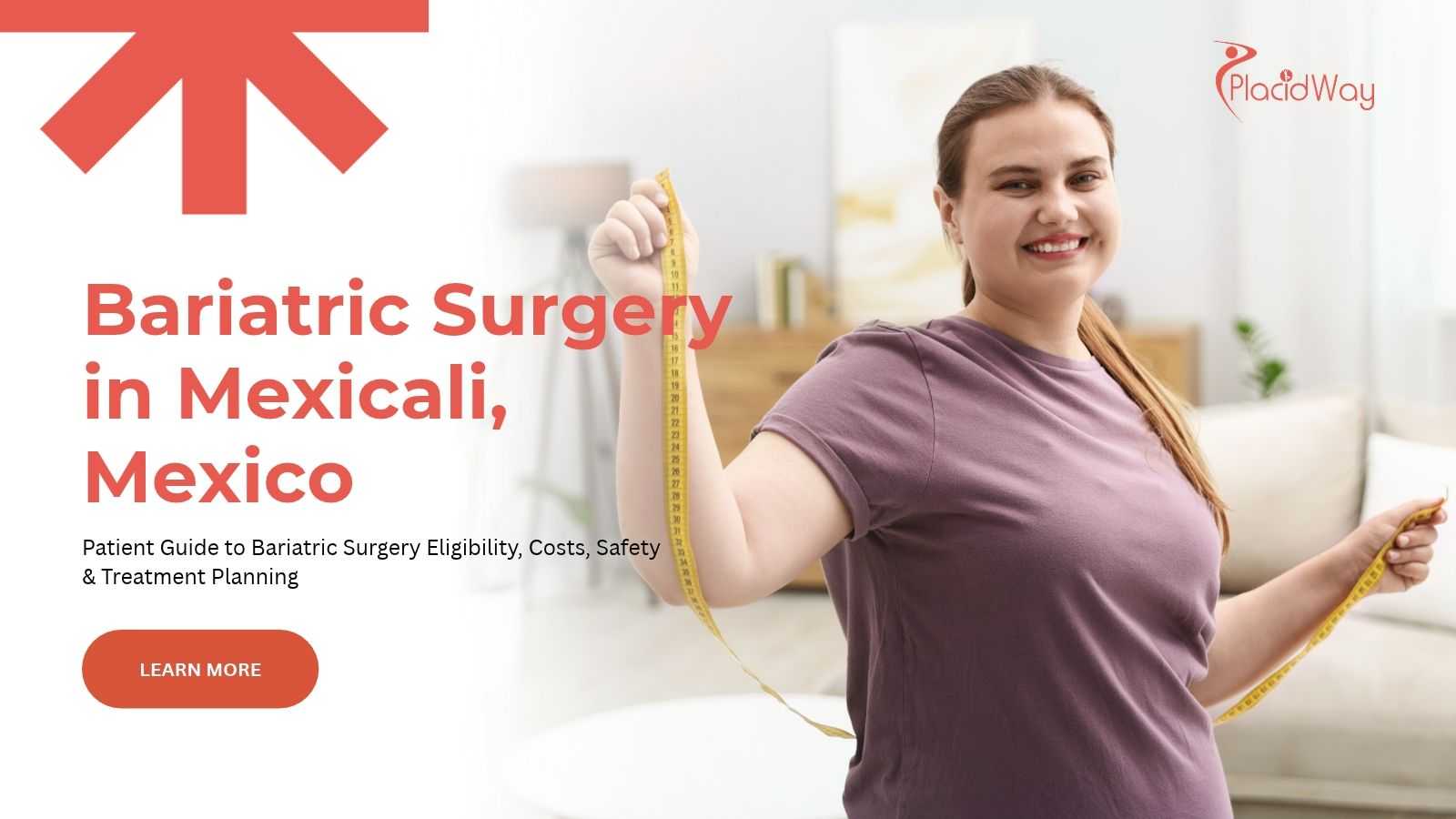
Many international patients search for weight loss solutions across the border to find relief from high healthcare prices without compromising medical quality. Traveling to a border city offers the convenience of driving directly to top rated medical facilities while saving thousands of dollars on your procedure. Before making this life changing decision you need to carefully evaluate estimated treatment costs and verify that your chosen clinic holds essential credentials like COFEPRIS licensing and CMCOEM surgeon certifications.
- Estimated Cost: Typically ranges between $4,000 and $7,500 USD depending on the specific procedure and package inclusions.
- Safety Overview: Generally safe when performed at COFEPRIS licensed hospitals by board certified bariatric surgeons.
- Ideal Candidate: Individuals with a BMI over 30 who have not achieved long term success with diet and exercise alone.
- Recovery Time: Most patients return to light activities within one to two weeks with a full dietary transition taking several months.
- Why Patients Choose Mexicali: Proximity to the US border allows for easy driving access bypassing the need for commercial air travel.
- Important Caution: Always verify that your surgeon is registered with the Mexican College of Surgery for Obesity and Metabolic Diseases to ensure specialty training.
Understanding Weight Loss Surgery In Mexicali Mexico
Bariatric surgery alters your digestive system to help you lose weight and improve obesity related health conditions. Patients often look beyond their home borders when insurance coverage falls short or out of pocket expenses become insurmountable. A border destination provides a unique blend of accessible healthcare and advanced medical technology tailored for international visitors.
You can find specialized clinics operating exclusively for metabolic and bariatric care. These facilities prioritize patient safety by offering comprehensive packages that include ground transportation hospital stays and structured follow up care.
Why Patients Travel To Mexicali For Bariatric Procedures
The primary motivation for seeking medical care abroad is often financial but convenience plays a massive role in this specific location. Instead of boarding a flight patients from California Arizona and Nevada can simply drive to the border. Clinics typically arrange secure pick ups directly from the US side.
Medical tourism in this region has evolved to meet strict international patient expectations. Facilities feature bilingual staff dedicated coordinators and specialized post operative wards.
| Primary Reasons For Travel | Patient Benefits |
|---|---|
| Geographic Proximity | Eliminates flying restrictions immediately after surgery |
| Affordability | Saves patients up to seventy percent compared to US prices |
| Specialized Care | Surgeons perform a high volume of these specific procedures annually |
| Comprehensive Packages | Includes hotel stays transportation and nutritional consultations |
Exploring The Different Types Of Bariatric Surgery Available
Your doctor will recommend a specific surgical approach based on your body mass index medical history and weight loss goals. The most commonly performed procedures utilize minimally invasive laparoscopic techniques. These methods involve smaller incisions which can lead to reduced pain and faster recovery times.
Each surgical method works differently. Some restrict the amount of food your stomach can hold while others bypass a portion of the small intestine to limit calorie absorption.
Involves removing approximately eighty percent of the stomach leaving a banana sized tube. This restricts food intake and reduces hunger inducing hormones.
Creates a small stomach pouch and connects it directly to the small intestine. This method provides both restriction and malabsorption for significant weight loss.
How Much Weight Loss Surgery Costs In Mexicali Compared To The US
Cost transparency is a critical factor for anyone considering self pay healthcare options. Medical facilities in this region typically bundle their services into all inclusive packages. This approach helps patients avoid unexpected bills and makes financial planning much more manageable.
Prices vary depending on the complexity of the surgery your baseline health and the length of your required hospital stay. Revision surgeries usually carry a higher price tag due to increased surgical complexity and time.
| Procedure Type | Estimated Cost In Mexicali USD | Estimated Cost In US USD |
|---|---|---|
| Gastric Sleeve | $4,000 to $5,500 | $15,000 to $25,000 |
| Gastric Bypass | $5,500 to $7,000 | $20,000 to $35,000 |
| Mini Gastric Bypass | $5,000 to $6,500 | $18,000 to $30,000 |
| Revision Surgery | $5,500 to $7,500 | $22,000 to $40,000 |
Evaluating Hospital And Clinic Safety Standards In Mexico
Your safety depends heavily on the facility where the surgery takes place. You must ensure the clinic or hospital operates legally and follows strict infection control protocols. The Mexican government regulates medical facilities through specific health authorities.
Do not rely solely on modern aesthetics or marketing materials. Look for official documentation and licensing numbers provided by federal health commissions.
- COFEPRIS License: The Federal Commission for the Protection against Sanitary Risk must license every operating medical facility.
- CSG Accreditation: The General Health Council provides national accreditation showing adherence to high hospital safety standards.
- On Site ICU: Ensure the facility has an Intensive Care Unit for emergency management.
Finding A Qualified Bariatric Surgeon In Mexicali
The experience and qualifications of your surgeon directly impact your clinical outcome and safety. Surgeons performing weight loss operations should have dedicated fellowship training in bariatric and metabolic surgery. They must also maintain active memberships in specialized national medical boards.
Ask prospective surgeons about their annual case volume complication rates and specific experience with the procedure you are considering. A qualified specialist will transparently share their track record.
- Verify active certification with CMCOEM Colegio Mexicano de Cirugía para la Obesidad y Enfermedades Metabólicas.
- Check their national medical license number known as a Cédula Profesional.
- Confirm membership in the Mexican Association of General Surgery.
- Ensure they have a structured complication management protocol.
Preparing For Your Border Crossing And Medical Journey
Planning your travel logistics carefully will minimize pre surgery stress. Most patients fly into San Diego California or Yuma Arizona before taking a dedicated shuttle to the clinic. Alternatively many drive directly to Calexico California and walk or drive across the border port of entry.
You must carry a valid passport for your return trip to the United States. Many clinics coordinate the logistics entirely ensuring you have medical clearance letters and fast lane border passes ready.
| Timeline | Patient Action Required |
|---|---|
| Two Weeks Prior | Begin prescribed pre op liquid diet and organize travel documents |
| Day Of Arrival | Complete pre operative bloodwork EKG and specialist consultations |
| Surgery Day | Admit to hospital undergo procedure and begin initial recovery ward stay |
| Discharge Day | Receive post op medications dietary guidelines and travel via medical fast lane |
Patient Demographics And Medical Tourism Trends
Understanding who travels for metabolic interventions can help you feel more confident in your decision. Recent health tourism data from 2024 shows a steady increase in cross border care driven by inflation and rising domestic healthcare barriers. The majority of individuals seeking care in this border region originate from western states.
Data indicates that women make up the largest percentage of patients seeking these interventions. However the number of men seeking metabolic treatments has grown consistently due to increased awareness of obesity related cardiovascular risks.
Recent reports spanning 2024 to 2025 highlight a surge in medical border crossings. Facilities have expanded capacity to handle the influx of self pay individuals seeking surgical weight management. The graph below illustrates the documented growth in cross border patient volume for metabolic procedures in northern Mexico.
Understanding The Recovery Process After Weight Loss Surgery
Healing begins immediately after your operation but full recovery happens in distinct phases. During your hospital stay medical staff will monitor your vitals manage pain and ensure you can tolerate clear liquids. You will be encouraged to walk within a few hours to prevent blood clots.
Once discharged you must follow strict physical and dietary guidelines to protect your healing stomach. Fatigue is common during the first few weeks as your body adjusts to a significantly reduced caloric intake.
| Recovery Timeframe | Biological Process | Patient Activity Level |
|---|---|---|
| Days 1 to 3 | Initial stomach healing and inflammation reduction | Short frequent walks resting in hospital |
| Weeks 1 to 2 | Incision healing and adaptation to liquid diet | Light household activities no heavy lifting |
| Weeks 3 to 4 | Transition to pureed foods continued internal healing | Return to desk work light cardio exercises |
| Months 2 to 3 | Stabilization of new digestive anatomy | Regular exercise routine introduction of solid foods |
Managing Post Op Nutrition And Long Term Aftercare
Surgery is merely a tool and long term success requires permanent lifestyle changes. Because your stomach size is reduced you must prioritize nutrient dense foods. Your clinic will provide a phased dietary plan starting with clear liquids and slowly advancing to solid proteins.
Malabsorption procedures require lifelong vitamin supplementation to prevent severe nutritional deficiencies. You will likely need daily bariatric multivitamins calcium iron and vitamin B12.
Never skip your required nutritional supplements. Failing to take prescribed vitamins after metabolic surgery can lead to irreversible neurological issues severe anemia and bone density loss over time. Always schedule follow up blood tests with your local primary care physician.
Assessing Your Eligibility For Bariatric Interventions
Not everyone struggling with weight is an ideal candidate for surgical intervention. Surgeons adhere to strict clinical guidelines to determine if the benefits outweigh the surgical risks for your specific body type. A thorough medical evaluation is required before any scheduling takes place.
Your doctor will review your medical history current medications and psychological readiness. Emotional preparedness is crucial because the postoperative dietary changes are permanent and challenging.
- Body Mass Index BMI of 40 or higher.
- BMI of 35 or higher accompanied by severe weight related comorbidities like type 2 diabetes or sleep apnea.
- Documented previous unsuccessful attempts at medically supervised weight loss.
- Commitment to lifelong dietary and lifestyle changes.
Important Risks And Complications You Must Consider
All surgical procedures carry inherent risks and bariatric operations are no exception. While minimally invasive techniques have improved safety profiles complications can still occur during or after the procedure. It is vital to discuss these possibilities with your surgeon prior to crossing the border.
Some complications present immediately while others may develop months or years later. Choosing a highly credentialed surgeon significantly lowers these risks but cannot eliminate them entirely.
| Potential Complication | Prevention And Management Strategy |
|---|---|
| Gastric Leak | Surgeons use staple line reinforcements and perform leak tests before completing surgery |
| Blood Clots | Patients wear compression garments and begin walking immediately post surgery |
| Dumping Syndrome | Avoid foods high in refined sugars and eat small frequent meals |
| Nutritional Deficiencies | Strict adherence to daily bariatric specific vitamins and routine bloodwork |
Frequently Asked Questions About Bariatric Surgery In Mexicali
Is it safe to drive across the border after gastric sleeve surgery?
Yes in most cases it is perfectly safe to travel by car after discharge. Clinics typically provide medical passes to expedite border crossing minimizing wait times in the vehicle while you recover.
What happens if I experience complications once I return home?
Reputable clinics offer comprehensive aftercare programs and 24/7 tele-health support. Your Mexican surgeon will coordinate with your local primary care physician or refer you to a local hospital if immediate emergency care is required.
Do medical tourism packages cover companion travel?
Many all inclusive packages allow you to bring one companion at no extra cost for the hotel stay and ground transportation. However you will need to cover their food and personal expenses.
How long do I need to stay in Mexico for a gastric bypass?
Most patients spend three to four nights total. This typically includes two nights recovering inside the hospital and one to two nights resting in a partnered recovery hotel before traveling back.
Can I pay for my procedure using medical financing?
Yes many clinics accept third party medical financing companies. You can often secure loans specifically designed for medical tourism to cover the entire cost of the package.
Are the hospitals in Mexicali regulated by the government?
Yes legal hospitals must hold active licensing from COFEPRIS the Mexican federal health authority. You should always request to see the facility's license number before booking.
Will my US health insurance pay for surgery in Mexico?
Generally standard US health insurance plans do not cover elective procedures performed outside the country. Patients typically pay out of pocket or use private financing options.
How much weight can I expect to lose in the first year?
Weight loss varies widely based on adherence to diet and the specific procedure. Patients typically lose between fifty to seventy percent of their excess body weight within the first twelve to eighteen months.
What type of diet must I follow before arriving at the clinic?
Surgeons require a strict pre op liquid diet lasting anywhere from one to three weeks. This shrinks your liver making the laparoscopic surgery safer and significantly reducing operative risks.
Do surgeons speak English fluently?
Top medical facilities catering to international patients employ fully bilingual surgeons and staff. Many doctors have also completed additional training or attended medical conferences in the United States.
Ready to take the next step in your weight loss journey?
PlacidWay can help you compare highly rated providers understand transparent pricing and verify crucial medical credentials before you travel.
Request Free Information NowDisclaimer: This information is for educational purposes only and does not replace professional medical advice. Always consult a qualified healthcare provider before making medical decisions.
References
- Bariatric Surgery Procedures – American Society for Metabolic and Bariatric Surgery
- Federal Commission for Protection against Sanitary Risks – COFEPRIS Mexico
- Directory of Certified Surgeons – Mexican College of Surgery for Obesity and Metabolic Diseases
- Medical Tourism Guidelines – Centers for Disease Control and Prevention
- Mexico Healthcare Travel Data 2024 – Medical Tourism Association
- Potential Candidates for Weight-loss Surgery – National Institute of Diabetes and Digestive and Kidney Diseases
- General Health Council Hospital Certification – Consejo de Salubridad General






















Share this listing