
Pregnancy causes specific anatomical changes to the abdominal fascia and breast tissue that diet and physical therapy often cannot reverse. If you are dealing with diastasis recti or loss of glandular breast volume, surgical intervention is the standard medical approach. A Mommy Makeover addresses these issues concurrently. Because surgical fees in the United States and Canada are highly variable, many patients evaluate providers in Mexico. This clinical guide explains the biological processes involved, outlines standard financial estimates, and details how to verify mandatory facility licenses (COFEPRIS) and surgeon board certifications (CMCPER) to ensure your safety.

Quick Answer Summary:
- Estimated Cost: Typically ranges from $6,500 to $11,500 USD. Prices vary based on surgical complexity, anesthesia duration, and specific implant types.
- Safety Certifications: Look for hospitals holding a COFEPRIS sanitary license. For structural safety, CSG accreditation is a significant national indicator.
- Surgeon Credentials: Your operating doctor must hold active certification from CMCPER (Consejo Mexicano de Cirugía Plástica, Estética y Reconstructiva).
- Ideal Candidate: Patients should be at least six months postpartum, finished breastfeeding, maintain a BMI under 30, and abstain from nicotine.
- Recovery Timeline: Medical protocols require a 10 to 14-day stay in Mexico for drain management and vital sign monitoring before commercial air travel is permitted.
- Primary Reason for Travel: Patients typically reduce total out-of-pocket expenses compared to average North American clinical fees.
Clinical Reasons Patients Consider a Mommy Makeover in Mexico
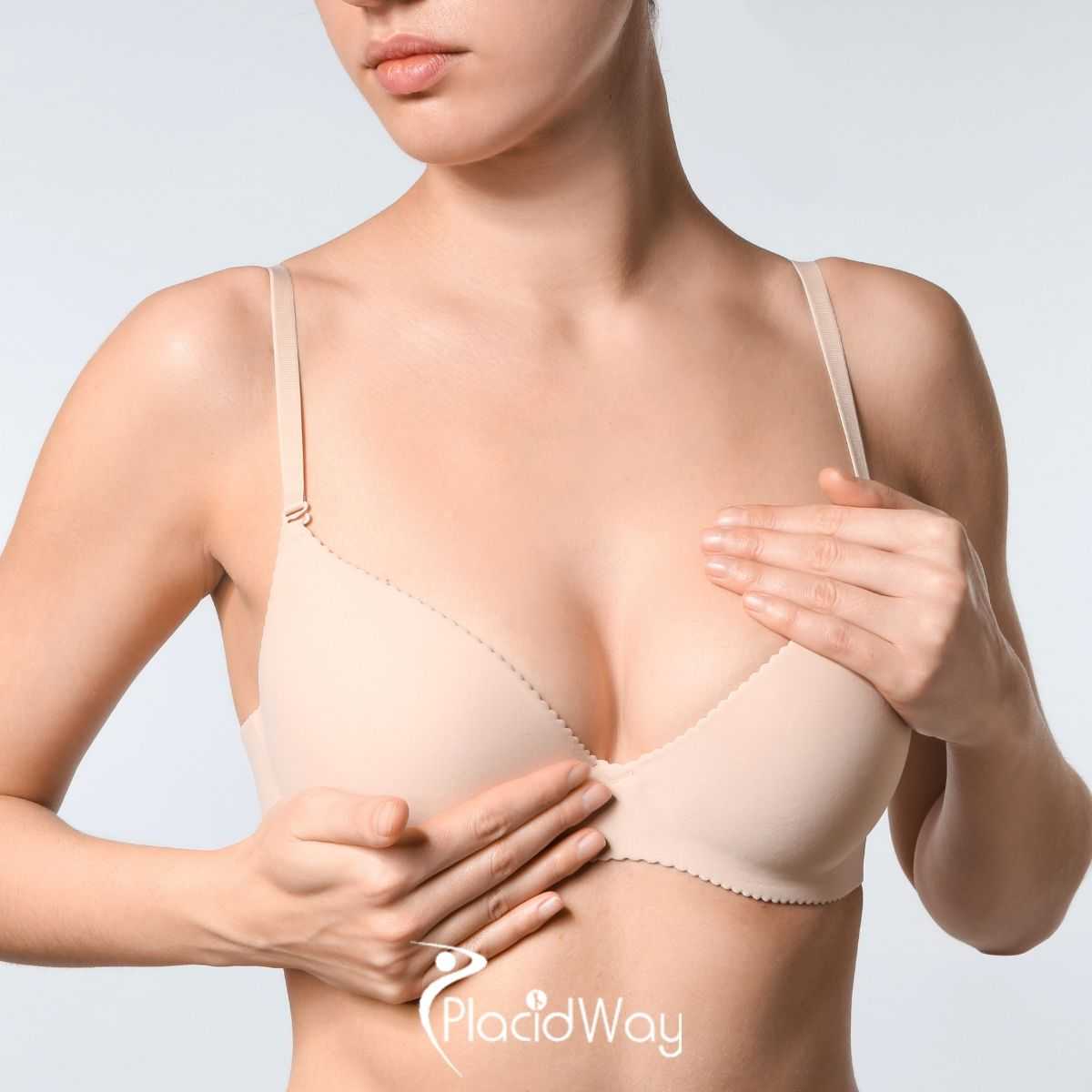
A Mommy Makeover is not a single operation but a combination of surgical procedures performed during one session under general anesthesia. The goal is to restore the anatomical baseline of the female torso following the physiological stress of gestation. This typically involves excising redundant skin, repairing separated abdominal muscles, and reshaping or augmenting the breasts.
In North America, these procedures are categorized strictly as elective cosmetic surgeries, meaning they are not covered by standard health insurance. The out-of-pocket burden for the surgeon's fee, anesthesiologist, and facility use drives thousands of patients to research cross-border alternatives. Mexico possesses a highly developed medical infrastructure focused on elective surgical interventions for international patients.
Primary Factors Influencing Medical Travel
- Consolidated Pricing: Mexican clinics generally offer packages that bundle the surgical suite, medical team, and immediate post-operative care into a single estimate.
- High Clinical Volume: Certified plastic surgeons in border cities frequently perform a high volume of combination body contouring surgeries.
- Structured Aftercare: Many surgical centers coordinate with specialized medical recovery facilities that provide continuous vital sign monitoring during the acute inflammatory phase.
- Accessibility: Direct flights and land border crossings make medical hubs like Tijuana, Cancun, and Guadalajara accessible.
- Stringent Regulatory Bodies: Patients can identify specialists operating in compliant facilities by verifying CMCPER and COFEPRIS registrations.
Cross-Border Patient Volume Trends (2019-2023)
*Data indicates general medical tourism volume trends based on international survey data.
Patient Demographics for Mommy Makeover in Mexico
Evaluating patient demographics provides clinical context regarding who is medically cleared for this combination surgery. Patients seeking a Mommy Makeover in Mexico primarily originate from the United States and Canada. These individuals are typically seeking a solution to post-pregnancy structural changes after conservative methods, such as diet and exercise, have failed to produce anatomical correction.
From a biological standpoint, ideal candidates are females aged 30 to 45. By this age, most patients have completed their families, which is a critical surgical requirement. Subsequent pregnancies can stretch the repaired rectus abdominis muscle, effectively undoing the internal fascial plication performed during the abdominoplasty. Patients are evaluated strictly on their Body Mass Index (BMI) and absence of cardiovascular comorbidities prior to traveling.
Origin of International Patients
- United States (Approx. 75-80%): High volume originates from border states like Texas, Arizona, and California due to land accessibility.
- Canada (Approx. 10-15%): Patients frequently utilize direct flight routes to Cancun or Puerto Vallarta.
- Other Regions (Approx. 5-10%): Includes patients from Europe and South America seeking specific surgeons known for specialized body contouring techniques.
Patient Age Distribution
Anatomical Focus: What Procedures are Included?
A Mommy Makeover is clinically customized based on the patient's specific tissue laxity and fat distribution. The procedures aim to correct the structural damage caused by the expansion of the abdominal cavity and the engorgement of breast tissue during lactation. Your surgeon will physically evaluate your anatomy to determine the exact surgical protocol required to achieve functional and aesthetic restoration.
The duration of the combined surgery is a critical safety factor. Prolonged general anesthesia increases the risk of complications such as deep vein thrombosis (DVT). Therefore, your surgeon in Mexico will limit the number of simultaneous procedures to ensure the operation does not exceed safe time thresholds, typically four to six hours.
Core Procedures Breakdown
| Procedure Type | Anatomical Target | Clinical Purpose |
|---|---|---|
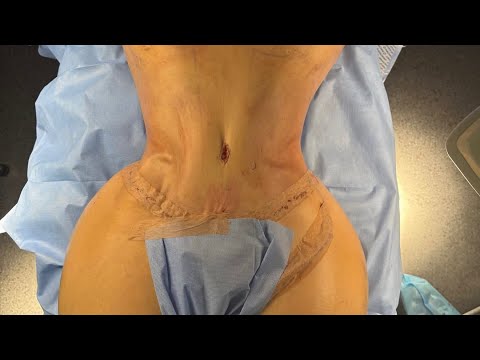
| Abdominoplasty (Tummy Tuck) | Rectus abdominis muscle, abdominal fascia, excess dermis. | Repairs diastasis recti (muscle separation) by suturing the fascia. Excises redundant skin below the umbilicus. Repositions the belly button. |
| Mastopexy (Breast Lift) | Glandular breast tissue, skin envelope, nipple-areolar complex. | Removes excess skin to correct ptosis (sagging). Elevates the nipple to a biologically youthful position on the chest wall. |
| Breast Augmentation | Subglandular or submuscular chest space. | Restores lost volume using silicone or saline medical-grade implants. Often combined with a mastopexy. |
| Liposculpture | Subcutaneous fat deposits (typically flanks and back). | Extracts localized adipocytes (fat cells) using a cannula to contour the waistline and improve overall torso proportions. |
Cost Analysis of Mommy Makeover in Mexico vs. North America
The financial difference is a primary driver for cross-border surgical care. In the United States, medical billing is highly fragmented. A patient is typically billed separately by the principal surgeon, the anesthesiologist, and the surgical facility (per hour). In contrast, medical hubs in Mexico utilize a consolidated pricing model.
A standard quote from a Mexican clinic generally encompasses the entire clinical episode, from the operating room to the initial post-operative medications. However, exact prices fluctuate based on the patient's BMI, the specific brand of breast implants selected, and the duration of the surgical intervention. Patients must secure a written, itemized estimate prior to finalizing travel plans.
Estimated Average Procedure Costs (USD)
| Procedure Combination | Estimated Mexico Price | Estimated US Price | Estimated Canada Price |
|---|---|---|---|
| Tummy Tuck + Breast Lift | $6,500 - $8,500 | $16,000 - $20,000 | $18,000 - $22,000 |
| Tummy Tuck + Breast Implants | $7,000 - $9,500 | $18,000 - $23,000 | $20,000 - $25,000 |
| Tummy Tuck + Lift with Implants + Lipo | $8,500 - $11,500 | $22,000 - $30,000 | $24,000 - $32,000 |
Understanding Variable Clinical Costs
Quotes falling significantly below the average range often exclude essential clinical components. Verify if your quote includes pre-operative blood panels, electrocardiogram (EKG), compression garments (fajas), overnight hospital monitoring, and take-home prophylactic antibiotics. Always request transparency regarding complication management protocols.
Verifying Hospital Credentials and Facility Safety in Mexico
A Mommy Makeover is a major surgical trauma that requires induction into general anesthesia. Consequently, it must be performed in an environment equipped to handle acute medical emergencies, not a standard outpatient consultation room. The Mexican government regulates surgical facilities through specific federal health licenses.
Before remitting any deposit, patients must verify the regulatory standing of the clinic or hospital. You must look for the official government acronyms that denote sanitary compliance and structural safety.
COFEPRIS Sanitary License
The Comisión Federal para la Protección contra Riesgos Sanitarios (COFEPRIS) operates similarly to the FDA in the United States. It is the fundamental legal requirement for any facility performing surgery in Mexico. This license confirms the facility meets baseline standards for infection control, medical waste disposal, and equipment sterilization. Ask the provider for their COFEPRIS license number.
CSG Accreditation
The Consejo de Salubridad General (CSG) provides a higher tier of national accreditation. Facilities with CSG accreditation adhere to stringent protocols regarding patient safety goals, emergency response times, and intensive care capabilities. It is a strong indicator of elevated clinical standards.
International accreditations, such as those from the Joint Commission International (JCI), are also present in several major Mexican hospitals. However, many specialized plastic surgery clinics operate under COFEPRIS and national health ministry guidelines safely.
How to Verify Your Plastic Surgeon's Credentials?
The competency of the operating surgeon is the primary variable in mitigating surgical risks. In Mexico, medical professionals hold a general medical degree (médico cirujano). However, performing a complex Mommy Makeover requires years of specialized surgical residency. You must differentiate between a doctor who simply practices cosmetic medicine and a formally trained, board-certified plastic surgeon.
To ensure your surgeon possesses the requisite anatomical knowledge and complication management skills, you must verify their standing with the national medical boards governing plastic surgery in Mexico.
Mandatory Credential Checklist
- CMCPER Certification: The Consejo Mexicano de Cirugía Plástica, Estética y Reconstructiva is the sole academic board authorized to certify plastic surgeons in Mexico. A surgeon must complete general surgery and plastic surgery residencies to qualify. If the doctor does not appear in the active CMCPER directory, do not proceed with the surgery.
- AMCPER Membership: The Asociación Mexicana de Cirugía Plástica, Estética y Reconstructiva is the professional society for certified surgeons. Membership indicates adherence to ethical standards and ongoing medical education.
- Cédula Profesional de Especialidad: This is the official government-issued license to practice a specific medical specialty. You can verify this number via the Mexican government's national registry of professionals.
- Anesthesia Team: Confirm that a dedicated, board-certified anesthesiologist will be present strictly to monitor your vitals, allowing the surgeon to focus solely on the operative procedure.
Prominent Plastic Surgeons for Mommy Makeover Procedures
Identifying a surgeon with specific, high-volume experience in body contouring is essential. Below is a detailed review of medical professionals practicing in Mexico who focus on post-pregnancy anatomical restoration. These profiles detail their clinical focus regarding abdominal wall repair and breast restructuring techniques.
Dr. Ary Papadopulos
Dr. Ary Papadopulos is a plastic and reconstructive surgeon whose clinical practice heavily features post-pregnancy body contouring. When performing a Mommy Makeover, he evaluates the specific degree of diastasis recti—the separation of abdominal muscles—to determine the appropriate surgical repair technique. His approach to breast surgery involves assessing tissue laxity to recommend either a standard mastopexy or a combination of lifting with autologous fat transfer or silicone implants. By focusing on the structural integrity of the abdominal wall and the proportional balance of the chest, he aims to restore functional and anatomical baselines that are often altered permanently after multiple pregnancies. Patients consulting with him undergo detailed physical evaluations to ensure they meet the physiological requirements for combined procedures.
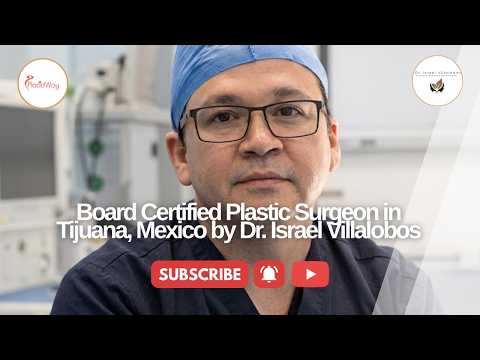
Dr. Israel Villalobos
Dr. Israel Villalobos specializes in aesthetic plastic surgery with a specific concentration on complex body contouring protocols required for the Mommy Makeover. His surgical plans typically involve integrating full abdominoplasty with multi-area liposuction, adhering to strict safety limits regarding total fat extraction and surgical time. For the breast component of the makeover, he utilizes precise preoperative measurements to address postpartum volume loss and ptosis (sagging). He requires patients to be at least six months postpartum and finished with breastfeeding before scheduling these interventions, ensuring the glandular tissue has stabilized. His clinical methodology prioritizes minimizing tissue trauma to facilitate a more structured, predictable recovery phase for international patients traveling for these extensive combined surgeries.
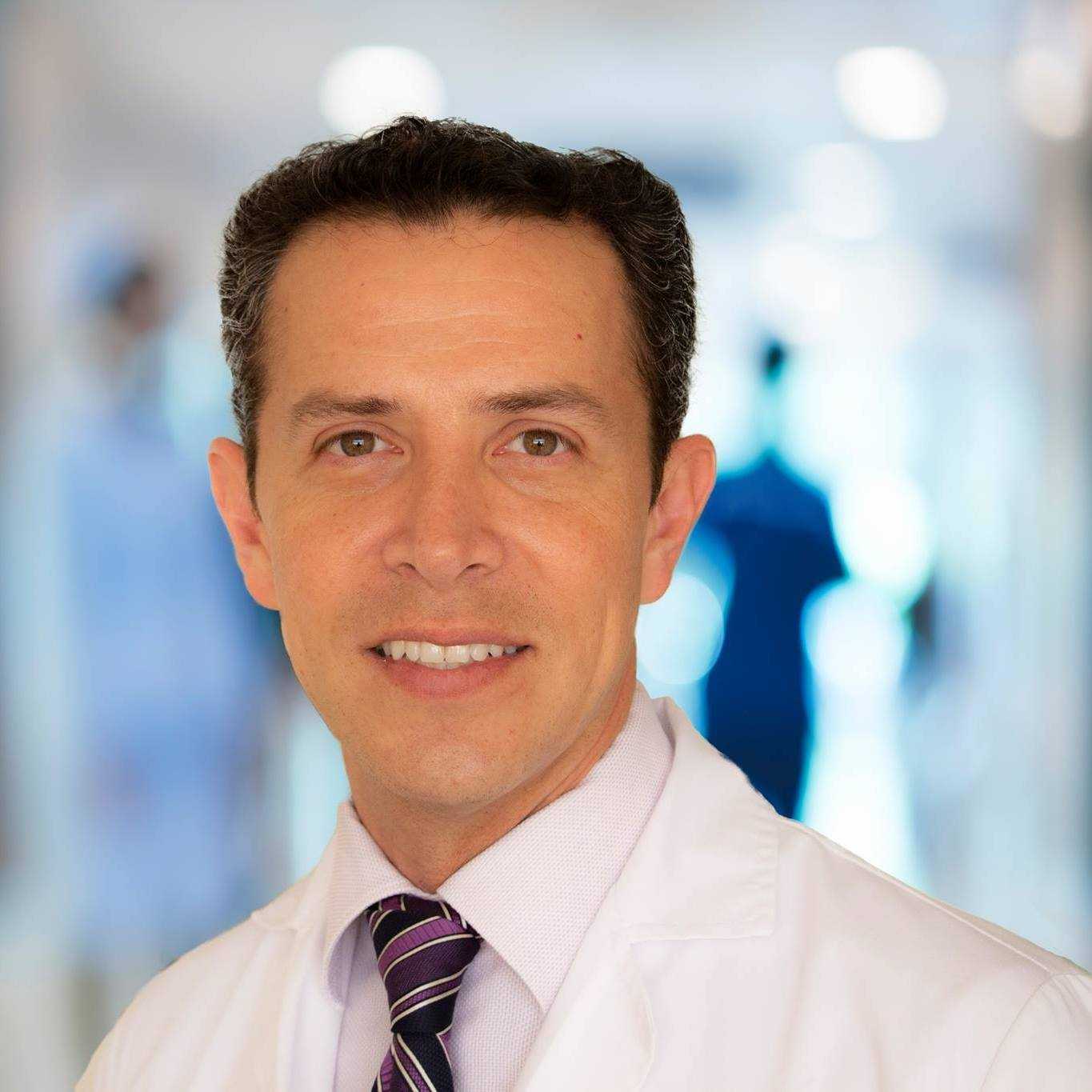
Dr. Jorge Sandoval
Dr. Jorge Sandoval is formally trained in cosmetic and reconstructive surgery, frequently managing cases that require extensive tissue removal and repositioning following significant postpartum body changes. His Mommy Makeover procedures are customized based on the patient's body mass index (BMI) and skin elasticity. He routinely performs full tummy tucks that involve umbilical transposition (repositioning the belly button) and the removal of excess skin below the umbilicus. In conjunction with abdominal work, he addresses breast deflation through various lift patterns, such as the peri-areolar or anchor incisions, depending on the severity of the ptosis. He emphasizes rigorous preoperative cardiovascular screening and strictly limits combined surgeries to patients without underlying systemic health conditions like uncontrolled diabetes or hypertension.
Dr. Ernesto Javier Acosta Abeyta
Dr. Ernesto Javier Acosta Abeyta provides comprehensive body restoration surgeries for women experiencing physical changes after childbirth that are resistant to diet and physical therapy. His Mommy Makeover strategy often incorporates advanced liposculpture techniques to contour the flanks and lower back, seamlessly blending these areas with the anterior abdominal repair. He pays clinical attention to the fascial plication process during the tummy tuck, essentially acting as an internal corset to restore core stability. Regarding breast procedures, he educates patients on the biomechanical differences between anatomical and round implants if volume restoration is requested alongside a lift. He follows strict postoperative monitoring protocols, particularly during the first 72 hours, to track fluid levels and prevent common seroma formations.
Dr. Hector Jose Alvarez Trejo
Dr. Hector Jose Alvarez Trejo focuses on the precise anatomical restoration of the female torso post-pregnancy. His approach to the Mommy Makeover is highly analytical, beginning with a detailed assessment of skin redundancy, subcutaneous fat distribution, and muscle separation. He frequently combines standard abdominoplasty with targeted liposuction to refine the waistline, a technique that requires careful management of the abdominal blood supply to prevent tissue necrosis. When addressing the breasts, he evaluates the parenchymal volume to determine if an implant is necessary or if a lift using the patient's own tissue will suffice. He mandates that international patients commit to a structured 10 to 14-day recovery period in Mexico to allow for proper drain management and early ambulation under medical supervision.
Dr. Joaquin Ayala
Dr. Joaquin Ayala is an aesthetic surgeon who regularly performs the combined procedures that constitute a Mommy Makeover. His surgical focus is on achieving proportional harmony between the upper and lower torso after the anatomical shifts caused by gestation. During the abdominal phase, he focuses on excising redundant skin and repairing the rectus abdominis muscle, taking care to minimize tension on the final incision line to optimize scar healing. His breast contouring techniques aim to correct asymmetry and elevate the nipple-areolar complex to a youthful position on the chest wall. He requires all prospective patients to undergo comprehensive blood panels and electrocardiograms to verify their fitness for prolonged general anesthesia, a standard requirement for surgeries combining multiple operative sites.
Dra. Karla Sandoval Diaz
Dra. Karla Sandoval Diaz brings a specialized clinical perspective to female body contouring and the specific physiological impacts of motherhood. Her Mommy Makeover procedures are deeply rooted in restoring the functional anatomy of the abdominal wall and the aesthetic form of the breasts. She routinely addresses severe skin laxity and striae (stretch marks) located below the navel through precise surgical excision. For breast rejuvenation, she offers varying degrees of mastopexy, carefully managing the glandular tissue to maintain blood flow and nerve function. She is highly specific about postoperative care, strictly prescribing compression garments (fajas) to control edema and instructing patients on the exact mobility restrictions required to prevent deep vein thrombosis during the critical initial recovery weeks.
Dr. Arturo Valdez
Dr. Arturo Valdez integrates modern body contouring technologies with traditional surgical excisions in his Mommy Makeover procedures. He often utilizes energy-assisted liposuction to safely extract stubborn fat deposits from the hips and back, minimizing blood loss during the extensive surgery. This is typically combined with an abdominoplasty that repairs the stretched fascial layer. For the breast component, he meticulously plans the incision patterns to correct ptosis while maximizing the viability of the tissue flaps. He emphasizes the importance of a stabilized body weight prior to surgery, warning that subsequent significant weight fluctuations can compromise the surgical outcomes. His preoperative consultations include a detailed review of the patient's medical history to identify any risk factors for poor wound healing.
Dr. David Flores Soto
Dr. David Flores Soto is a plastic surgeon whose practice encompasses the full spectrum of post-pregnancy anatomical corrections. In his Mommy Makeover surgeries, he prioritizes physiological safety by carefully calculating the total operative time and standardizing anesthesia protocols. He approaches the tummy tuck by focusing on multi-layer closure techniques, which serve to reduce tension on the skin and improve the aesthetic appearance of the final scar. When performing breast lifts or augmentations concurrently, he monitors tissue perfusion constantly. He educates his patients extensively on the biological phases of healing, preparing them for the inflammatory response that causes swelling in the initial weeks and outlining the timeline for complete scar maturation, which can take up to a full year.
Dr. Enrique Garcia Murray
Dr. Enrique Garcia Murray specializes in extensive body contouring interventions, frequently managing patients requiring significant surgical rehabilitation after multiple pregnancies or massive weight loss. His Mommy Makeover approach is systematic, addressing the abdomen and breasts in a single operative session to consolidate the recovery period. He focuses on restoring core mechanics through deep muscle plication and addresses breast ptosis through varying techniques depending on the grade of sagging. He maintains strict protocols regarding patient selection, heavily advising against nicotine use for at least six weeks before and after surgery due to its well-documented detrimental effects on microcirculation and tissue survival. He ensures that all patients have a clear, written postoperative plan detailing medication schedules, wound care, and activity modifications.
Clinical Recovery Timeline and Travel Restrictions
Recovering from a Mommy Makeover involves managing the simultaneous healing of multiple surgical sites. The body initiates a systemic inflammatory response, leading to significant edema (swelling) and fatigue. Because this process demands significant metabolic energy, strict rest and adherence to medical protocols are mandatory.
Patients traveling to Mexico must remain in the country for a minimum of 10 to 14 days post-operation. During this period, the medical team will monitor surgical drains, assess incision site perfusion, and ensure no acute complications arise. Boarding a commercial flight prematurely introduces severe risks related to cabin pressure changes and blood clot formation.
Biological Healing Phases
| Timeframe | Biological Process | Patient Sensation | Clinical Action Required |
|---|---|---|---|
| Days 1-3 | Acute inflammation; hemostasis occurs; fluid accumulates at surgical sites. | High discomfort, tightness in the abdominal wall, grogginess from anesthesia. | Maintain a flexed position to reduce tension on incisions. Administer prescribed analgesics and antibiotics. Perform light, assisted walking to promote circulation. |
| Days 4-7 | Early proliferative phase; angiogenesis begins to restore blood supply. | Moderate pain transitioning to soreness. Extreme tightness when attempting to stand upright. | Attend clinical follow-up for surgical drain evaluation. Wear the medical compression garment (faja) continuously. |
| Days 10-14 | Epidermal closure of incisions; peak swelling begins to slowly subside. | Localized itchiness near sutures. Fatigue sets in quickly upon exertion. | Surgical drains are typically removed. The surgeon performs a final evaluation to provide medical clearance for air travel. |
| Weeks 3-6 | Deep tissue remodeling; fascial sutures stabilize the rectus abdominis. | Nerve regeneration causes sporadic tingling. Swelling fluctuates based on daily activity. | Gradually increase mobility. Strictly avoid lifting objects over 5-10 lbs. Abstain from vigorous cardiovascular exercise. |
| Months 3-6 | Scar maturation phase; internal inflammation resolves completely. | Surgical areas feel integrated and normal. Scars transition from hyper-pigmented to a softer, faded appearance. | Apply recommended topical scar treatments. Resume normal exercise protocols as cleared by your primary care physician. |
Clinical Risks and Complication Management
All surgical interventions carry inherent risks, which are compounded when procedures are combined. General anesthesia depresses the respiratory and cardiovascular systems, requiring continuous expert monitoring. When planning surgery abroad, transparency regarding your full medical history is non-negotiable.
Surgeons in Mexico will require preoperative laboratory diagnostics, including complete blood counts, coagulation profiles, and often a mammogram, to verify your fitness for surgery. Understanding the potential complications allows you to adhere more strictly to preventative postoperative care instructions.
Specific Surgical Complications
| Complication | Pathophysiology | Clinical Prevention Strategy |
|---|---|---|
| Deep Vein Thrombosis (DVT) | Formation of blood clots in deep veins (usually legs) due to venous stasis from immobility and tissue trauma. | Utilize sequential compression devices during surgery. Mandate early, supervised ambulation. Strictly prohibit flying for 14 days post-op. |
| Seroma Formation | Accumulation of sterile serous fluid in the dead space created between the skin and abdominal wall after tissue excision. | Proper placement and maintenance of closed-suction surgical drains. Continuous use of fitted compression garments. |
| Tissue Necrosis | Death of tissue, commonly near the surgical incisions or umbilicus, due to inadequate blood perfusion (ischemia). | Absolute cessation of all nicotine products 4-6 weeks pre and post-surgery, as nicotine acts as a potent vasoconstrictor. |
| Infection | Bacterial colonization of the surgical wound, potentially leading to systemic sepsis if left untreated. | Adherence to sterile surgical techniques in COFEPRIS-approved facilities. Completion of the full prophylactic antibiotic regimen prescribed. |
Frequently Asked Questions
Patients traveling internationally for elective surgery often have specific questions regarding medical logistics and clinical safety. Review these factual answers based on standard medical tourism protocols in Mexico.
Is it medically safe to combine these surgeries in Mexico?
Combining procedures is clinically safe when performed by a CMCPER board-certified surgeon within a CSG-accredited hospital, provided the total operative time does not exceed safe limits (usually 4 to 6 hours) and the patient has no underlying comorbidities.
How is the anesthesiologist assigned to my surgery?
In certified Mexican hospitals, an independent, board-certified anesthesiologist is assigned to manage your airway and monitor vital signs continuously throughout the surgery, independent of the operating plastic surgeon.
Why must I stay in Mexico for 14 days after surgery?
A 10 to 14-day stay is a strict medical requirement. It allows the clinical team to manage surgical drains, monitor for acute early complications like hematomas, and ensure you are past the highest risk window for developing travel-related deep vein thrombosis.
Are the breast implants used in Mexico authentic?
Licensed facilities utilize internationally distributed, medical-grade implant brands (such as Mentor, Motiva, or Allergan). Your surgeon will provide the manufacturer's serial number and warranty cards following the procedure.
What occurs if a complication arises after I return home?
Prior to surgery, you must establish a relationship with a local primary care physician who is informed of your surgical plans. Additionally, clarify your Mexican clinic's revision policy and inquire about medical complications insurance before traveling.
How strictly is the BMI limit enforced?
Surgeons enforce strict BMI limits (typically under 30) because higher fat volume drastically increases the risks of anesthesia complications, poor wound healing, and post-operative respiratory distress.
Can I undergo a Mommy Makeover if I plan to breastfeed in the future?
Surgeons highly advise waiting until your family is complete. Mastopexy (breast lift) techniques often involve severing milk ducts, which can permanently impair future lactation capabilities. Furthermore, pregnancy will stretch the repaired abdominal fascia.
Do Mexican clinics provide medical records in English?
Clinics catering to international patients typically provide translated operative reports and post-operative instructions. Ensure you request copies of all surgical notes, implant registries, and laboratory results before departing.
Why are compression garments (fajas) mandatory?
Compression garments apply mechanical pressure to the surgical sites. This physically prevents the accumulation of fluid (seromas), reduces severe edema, and supports the newly sutured abdominal fascia as it begins to heal.
How do I verify the COFEPRIS license of a clinic?
You must ask the clinic administration directly for their COFEPRIS registration number. This number can then be cross-referenced with the Mexican federal health registry to ensure the facility meets structural and sanitary standards.
Plan Your Medical Travel with Factual Data
Navigating foreign healthcare regulations and verifying surgeon credentials requires precision. PlacidWay assists patients by providing data on CMCPER-certified surgeons, explaining consolidated clinical costs, and facilitating direct communication with medical facilities.
Request InformationDisclaimer: This information is for educational purposes only and does not replace professional medical advice. Always consult a qualified healthcare provider before making medical decisions. Treatment outcomes, recovery times, and costs vary based on individual physiological conditions and the selected medical providers.
References
- Global Statistics on Cosmetic Procedures – International Society of Aesthetic Plastic Surgery (ISAPS)
- Official Directory of Certified Plastic Surgeons – Consejo Mexicano de Cirugía Plástica, Estética y Reconstructiva (CMCPER)
- Mommy Makeover Safety and Risks – American Society of Plastic Surgeons (ASPS)
- Medical Tourism Traveler Safety Guidelines – Centers for Disease Control and Prevention (CDC)
- National Health Quality Guidelines – Secretaría de Salud México



















Share this listing