
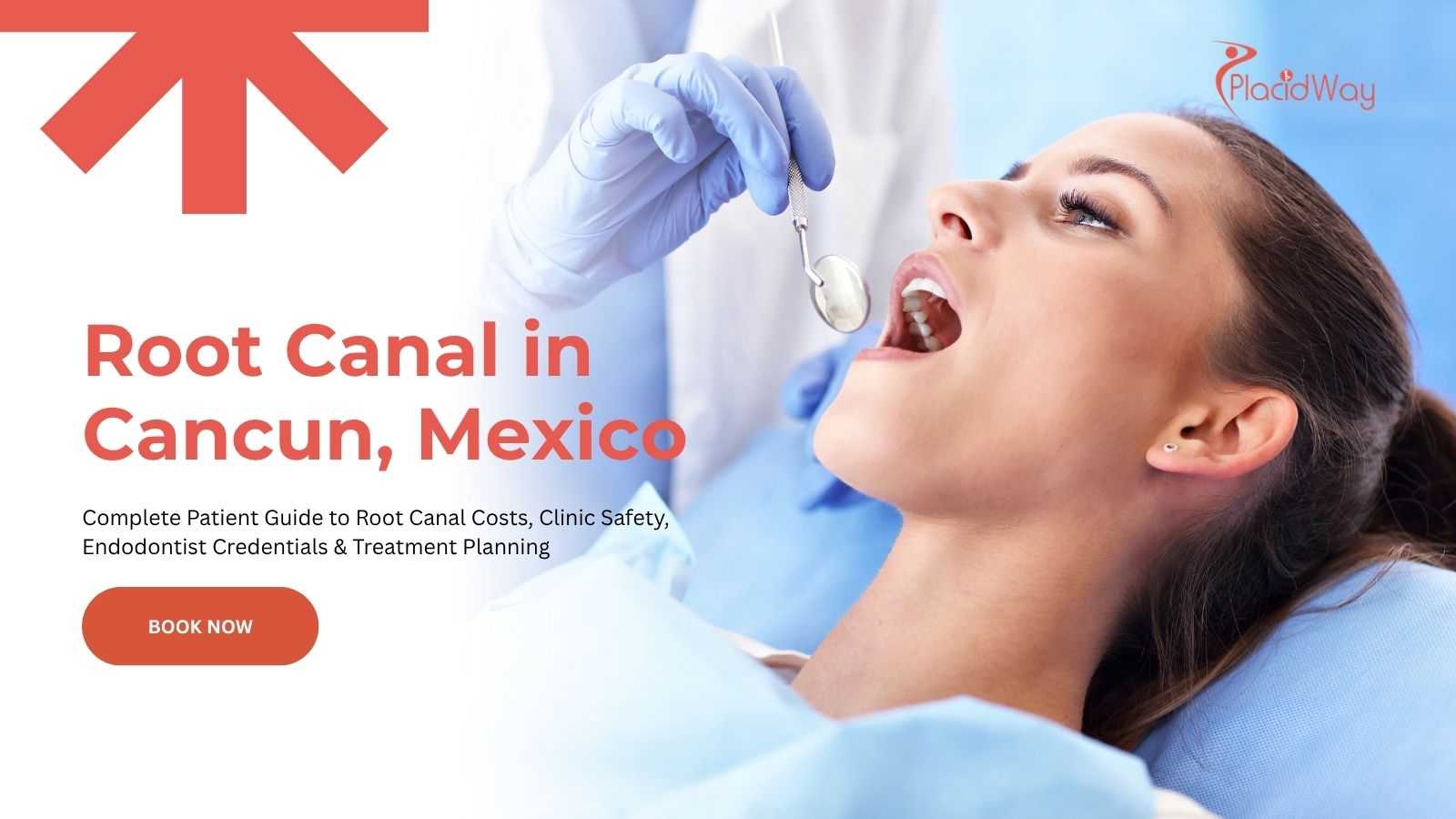
Dealing with severe tooth pain only to face staggering treatment estimates at your local dentist can leave you searching for reliable alternatives. Many North American patients are turning to root canal therapy in Cancun, Mexico, to access skilled endodontic specialists without the steep financial barriers. Before booking your flight, it is critical to understand the expected costs, recognize the importance of COFEPRIS clinic certification, and verify that your procedure is performed by an active member of the Mexican Association of Endodontics.
Quick Answer Summary
- Estimated Cost: Typically $250 to $550 USD per tooth, depending on the number of roots and complexity.
- Safety Overview: Generally safe when receiving care at facilities regulated by COFEPRIS and adhering to international sterilization standards.
- Ideal Candidate: Individuals with deep dental decay, infected dental pulp, or tooth trauma who are medically cleared for travel.
- Recovery Time: Most patients resume normal activities within 24 to 48 hours, managing mild sensitivity with standard pain relievers.
- Why Cancun, Mexico: Combines access to board-certified endodontists and advanced microscopic technology with substantial cost savings.
- Important Certifications: Look for dentists registered with the Mexican Dental Association (ADM) and the Mexican Association of Endodontics.
- Important Caution: Flying too soon after treatment can cause pressure-related tooth pain; follow your endodontist's travel clearance timeline.
Understanding Root Canal Therapy Abroad
A root canal is a restorative dental procedure designed to save a severely damaged or infected tooth. Inside your tooth sits the dental pulp, a soft tissue containing nerves and blood vessels. When bacteria breach the hard outer enamel and infect this pulp, it causes intense pain and swelling. During the treatment, a specialist removes the infected pulp, cleans the internal canals, and seals the space to prevent future reinfection.
Many patients feel apprehensive about receiving dental care in another country. However, the biological process and clinical protocols remain identical across borders when performed by qualified specialists. The focus must always be on diagnostic accuracy, sterile environments, and precise execution using appropriate dental technology.
Advantages of Treatment in Cancun
- Access to modern microscopic endodontics
- Significant reduction in out-of-pocket costs
- Shorter wait times for specialist appointments
- English-speaking patient coordinators on staff
Considerations for Travelers
- Need to factor in flight and accommodation costs
- Potential discomfort when flying shortly after treatment
- Requirement to return for permanent crown placement if not done simultaneously
- Varying levels of regulatory oversight among clinics
Why Patients Choose Cancun for Endodontic Care
The decision to travel across international borders for a root canal is rarely taken lightly. Patients evaluate multiple factors before choosing this coastal Mexican city for their restorative dental needs.
- Cost Relief: North American patients often face estimates exceeding $1,500 just for the root canal, excluding the crown.
- Proximity: Cancun offers direct, short-haul flights from numerous major airports in the United States and Canada.
- Specialized Care: The destination hosts dedicated endodontic clinics, rather than relying solely on general dentists for complex root systems.
- Vacation Integration: Some individuals prefer recovering in a calm, stress-free environment away from their daily obligations.
- No Insurance Limitations: Uninsured or underinsured patients can access comprehensive care without worrying about strict annual coverage maximums.
Cost of Treatment in Cancun Compared to Home
Understanding the financial landscape is a primary reason patients research this destination. Dental pricing fluctuates based on the specific tooth involved. An anterior (front) tooth has only one root and is simpler to treat, while molars have up to four roots, requiring more time and expertise.
When reviewing financial estimates, you must ask clinics for a completely itemized quote. Standard quotes may only cover the root canal itself. Be aware that most teeth requiring a root canal will also need a post, core buildup, and a permanent crown to restore structural integrity.
| Treatment Type | Average Cost (US / Canada) | Estimated Cost (Cancun) |
|---|---|---|
| Anterior Root Canal (Front Tooth) | $900 - $1,200 | $250 - $350 |
| Premolar Root Canal | $1,000 - $1,400 | $300 - $400 |
| Molar Root Canal | $1,200 - $1,800 | $400 - $550 |
| Post and Core Build-up | $300 - $600 | $100 - $200 |
Healthcare Regulations and Licensing in Mexico
Navigating a foreign healthcare system requires diligence. In Mexico, medical and dental facilities operate under national regulatory frameworks. The primary governing body is the Federal Commission for the Protection against Sanitary Risk (COFEPRIS). This government agency inspects and licenses clinics, ensuring they meet national hygiene, sterilization, and operational safety standards.
For a dental clinic to operate legally, it must hold a current COFEPRIS health license. Reputable clinics will proudly display this certification. While international accreditations like JCI (Joint Commission International) exist, they are less common for standalone dental practices. Instead, focus heavily on the national regulatory compliance and the specific credentials of the practicing dentists.
Selecting an Endodontist and Verifying Credentials
One of the most critical decisions in your dental tourism journey is selecting the right specialist. While a general dentist can perform simple root canals, complex molar treatments or retreatment of failed root canals should strictly be handled by an endodontist. An endodontist completes two to three years of additional specialty training focusing exclusively on diagnosing tooth pain and performing root canal therapy.
When vetting a dental provider in Cancun, request their professional registration number (Cédula Profesional). You can verify this number through the Mexican government's online registry. Additionally, look for memberships in recognized professional societies.
- Mexican Dental Association (Asociación Dental Mexicana - ADM): The national body representing professional dentistry.
- Mexican Association of Endodontics (Asociación Mexicana de Endodoncia - AME): Indicates specific commitment to the endodontic specialty.
- American Association of Endodontists (AAE): Many top-tier specialists in Mexico maintain international affiliate memberships to stay updated on global clinical protocols.
Dental Technology and Diagnostic Equipment
The success rate of endodontic treatment relies heavily on the technology utilized. Modern root canals differ drastically from those performed decades ago. Ask prospective clinics about their diagnostic and procedural equipment.
Cone Beam Computed Tomography (CBCT) provides a 3D image of your tooth, allowing the endodontist to map out hidden canals and assess the exact extent of infection before beginning. During the procedure, the use of a dental operating microscope is considered the gold standard. It provides intense illumination and magnification, ensuring the specialist can meticulously clean the microscopic anatomy of the root system without leaving bacteria behind.
Patient Demographics and Dental Travel Data
Recent data underscores a continuing trend in cross-border healthcare. Thousands of patients travel specifically for restorative dentistry, driven largely by financial pressures in their home healthcare systems. The demographic makeup of these patients spans various age groups, though those requiring extensive endodontic or prosthetic work often fall into specific brackets.
According to 2024–2025 healthcare travel indices and border health surveys, the majority of dental tourists visiting Mexican border towns and resort cities like Cancun are middle-aged adults. These individuals often require multiple procedures, combining endodontic care with crowns or implants to maximize the value of their trip.
Reported Age Demographics of Dental Tourists to Mexico (2024-2025)
Furthermore, outbound patient flow from the United States and Canada has shown measurable adjustments. Based on cross-border travel data spanning 2024 to early 2026, the volume of international patients seeking specialty dental services continues to exhibit distinct seasonal peaks, particularly during winter months when Northern residents seek milder climates alongside their healthcare needs.
Cross-Border Dental Tourism Volume Index (2024-2026)
Step-by-Step Procedure Timeline
Knowing exactly what to expect helps alleviate clinical anxiety. A standard root canal is typically completed in one or two visits, depending on the severity of the infection and the protocol of the treating endodontist.
| Phase | Clinical Action | Patient Experience |
|---|---|---|
| Diagnosis | 3D CBCT scan or digital X-rays to map the root anatomy. | Painless imaging; consultation to discuss treatment plan. |
| Anesthesia & Isolation | Local anesthetic injection and placement of a rubber dam to keep the tooth dry. | Brief pinch from injection, followed by complete numbness. |
| Cleaning & Shaping | Removal of infected pulp; canals are disinfected using rotary files. | Sensation of pressure and slight vibration, but no pain. |
| Sealing | Canals filled with gutta-percha (a biocompatible material) and sealed. | Temporary filling placed; appointment concludes. |
Post-Procedure Recovery and Rest
Recovery is generally straightforward. After the local anesthesia wears off, the treated tooth and surrounding jaw may feel sensitive or bruised. This biological response is normal and typically results from tissue inflammation near the root tip.
Your endodontist will likely recommend over-the-counter anti-inflammatory medication. You should chew on the opposite side of your mouth until the permanent restoration (crown) is placed. Avoid extremely hot or cold beverages for the first 24 hours to prevent unnecessary discomfort.
Flying After a Root Canal
One unique aspect of medical tourism is navigating travel logistics immediately following a procedure. Changes in cabin pressure during flights can occasionally trigger barodontalgia—a condition where trapped air inside a dental restoration expands, causing acute pain.
To minimize this risk, endodontists generally advise waiting at least 24 to 48 hours after treatment before boarding a commercial flight. Discuss your specific travel itinerary with your specialist during your initial consultation so they can time your procedure safely before your departure date.
Potential Risks and Complication Management
While root canals have high success rates, they are intricate medical procedures with inherent risks. Complications can include incomplete removal of the infection, undetected microscopic cracks in the root, or the separation of a tiny endodontic file inside the canal.
Before committing to treatment, ask the clinic about their revision policy. Reputable clinics maintain clear protocols for managing complications. Clarify whether they provide ongoing support via telemedicine once you return home and what steps they will take if the treatment requires modification. Access to local emergency care in Cancun is standard, but you must ensure you have a structured plan in place before traveling.
Combining Treatments: Posts, Cores, and Crowns
A tooth that requires a root canal has often lost significant structural integrity due to decay or trauma. Consequently, the endodontic therapy is only the first phase of saving the tooth. Once the internal infection is resolved, the tooth becomes brittle over time.
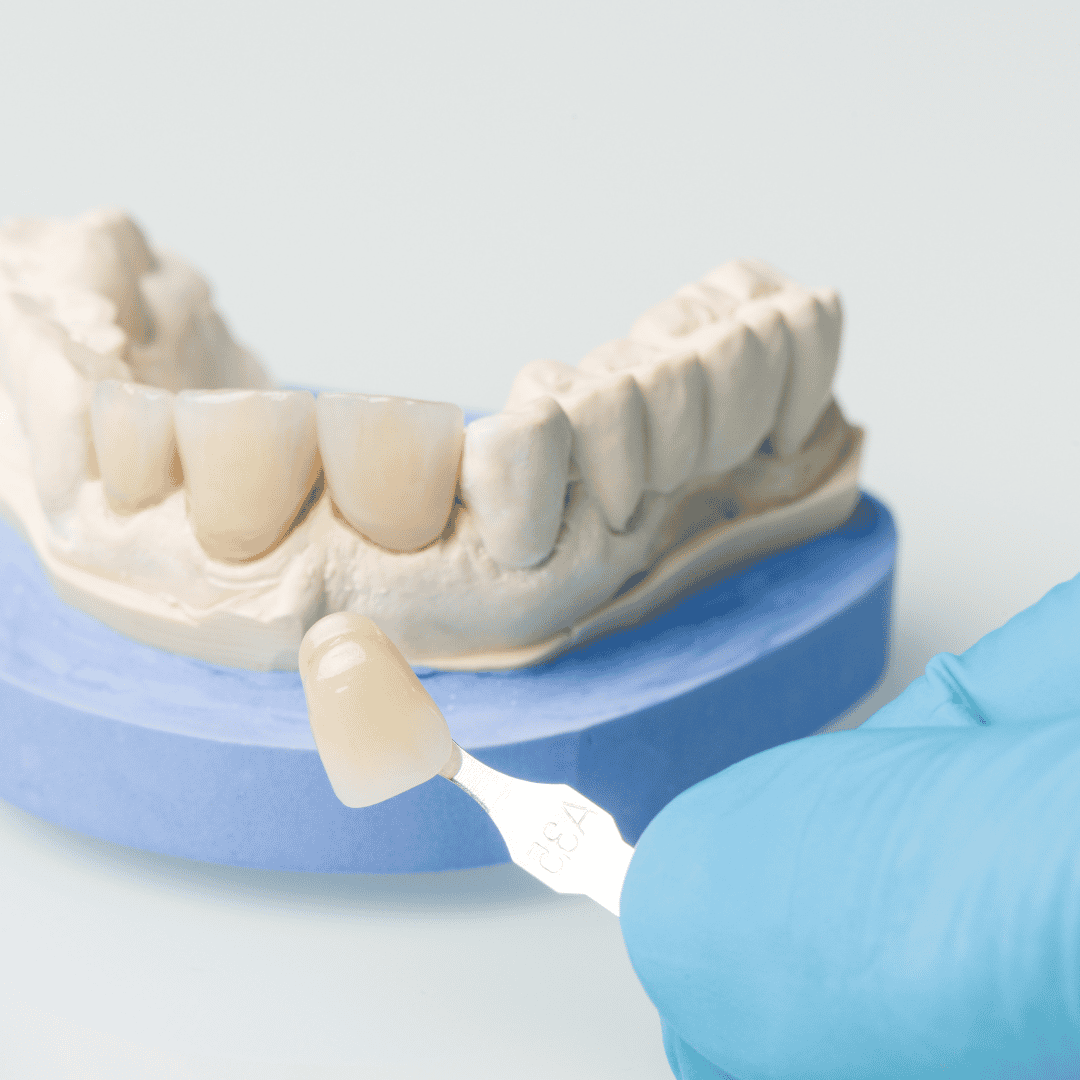
In many cases, the specialist will recommend placing a post inside the treated canal to provide an anchor. A core build-up is then applied to recreate the tooth's shape. Finally, a dental crown is cemented over the entire structure. Many patients arrange to have their temporary crown or even a permanent CAD/CAM milled crown placed in Cancun to complete the restoration in a single trip.
Alternatives to Consider
If a tooth cannot be saved through endodontic therapy, your dentist may discuss extraction as the primary alternative. Removing the tooth resolves the infection but leaves an empty space in your dental arch. To prevent neighboring teeth from shifting and to restore chewing function, the missing tooth must usually be replaced with a dental implant or a dental bridge.
While an extraction is initially cheaper, the subsequent cost of an implant makes saving your natural tooth with a root canal a highly practical and clinically preferred choice whenever possible.
Frequently Asked Questions
Are root canals in Mexico as safe as in the US or Canada?
Yes, when performed by licensed endodontists in COFEPRIS-certified clinics. Medical standards and sterilization protocols at top clinics often match or exceed North American requirements.
How long do I need to stay in Cancun for treatment?
Most patients stay between 3 to 7 days. The root canal can be completed in one to two days, but additional time may be required if a custom dental crown is manufactured by an external lab.
Will the procedure hurt?
Modern endodontic therapy is highly manageable. Clinics use strong local anesthesia to completely numb the area, making the procedure itself comparable to getting a standard cavity filling.
Can I go to the beach or swim after a root canal?
You should avoid swimming or strenuous physical activity for at least 24 to 48 hours to minimize blood pressure spikes and reduce the risk of introducing bacteria to the healing area.
Do clinics in Cancun speak English?
Yes, clinics catering to international patients typically employ bilingual dentists and dedicated English-speaking patient coordinators to ensure clear communication.
What happens if the root canal fails after I return home?
Check the clinic's guarantee or revision policy beforehand. Reputable clinics will cover the cost of retreatment, though you would typically be responsible for your return travel expenses.
Is a general dentist or an endodontist better for this procedure?
An endodontist is always preferred, particularly for complex molar teeth. They have specialized training in dental pulp diseases and use advanced microscopic tools.
Are hidden fees common in Mexican dental clinics?
To avoid unexpected costs, always request a fully itemized treatment plan before traveling. Ensure it details consultations, X-rays, the root canal, post, core, and crown.
Do I need a passport to travel to Cancun for dental care?
Yes, all US and Canadian citizens flying into Mexico require a valid passport. Tourist visas are generally granted upon arrival for medical and leisure trips.
Can I pay with US dollars or credit cards?
Most international clinics accept US dollars, major credit cards, and sometimes even medical financing options. Inform your bank before traveling to prevent blocked transactions.
Ready to Plan Your Dental Care Journey?
Navigating foreign healthcare options doesn't have to be confusing. PlacidWay can help you compare vetted dental providers, understand itemized treatment costs, review doctor credentials, and ask the right questions before making a decision.
Request Information TodayDisclaimer: This information is for educational purposes only and does not replace professional medical advice. Always consult a qualified healthcare provider before making medical decisions.
References
- What is a Root Canal? – American Association of Endodontists (AAE)
- Federal Commission for the Protection against Sanitary Risk – COFEPRIS
- National Dental Regulations and Professional Standards – Asociación Dental Mexicana (ADM)
- Endodontic Specialty Certifications – Asociación Mexicana de Endodoncia (AME)
- Medical Tourism Travel Health Guidelines – Centers for Disease Control and Prevention (CDC)
- 2024–2025 Patient Demographics and Outbound Healthcare Travel Data – Patients Beyond Borders
- Cross-Border Dental Care Utilization Trends (2024 Report) – Health Affairs























Share this listing