
If you are struggling with chronic back pain and discomfort from large breasts, traveling for a breast reduction in Colombia offers a pathway to relief without the prohibitive prices found in North America. Before booking your procedure, it is critical to understand the expected financial investment, typically starting around $3,500, and exactly how to verify a surgeon's credentials through the Colombian Society of Plastic Surgery (SCCP). This comprehensive guide walks you through essential safety protocols, clinic accreditations from the Ministry of Health (MinSalud), and what to expect during your recovery so you can make a confident, well-informed healthcare decision.
Quick Summary: Breast Reduction in Colombia
- Estimated Cost: Typically ranges from $3,500 to $5,500 USD, depending on the city, clinic, and whether the procedure includes liposuction.
- Surgeon Certifications to Verify: Always look for active membership in the Colombian Society of Plastic Surgery (Sociedad Colombiana de Cirugía Plástica, or SCCP).
- Clinic Accreditations: Ensure the facility is authorized by the Ministry of Health and Social Protection (MinSalud) and the regional health department (Seccional de Salud).
- Ideal Candidate: Women experiencing physical pain (neck, back, shoulder), skin irritation, or restricted physical activity due to excessively large breasts (macromastia).
- Recovery Timeframe: Plan to stay in Colombia for at least 10 to 14 days post-surgery for follow-up appointments and safe clearance to fly.
- Important Caution: Never choose a provider based on price alone; prioritize board certification and verifiable facility safety protocols over discounted vacation packages.
Understanding Why International Patients Choose Colombia
Every year, thousands of women decide to travel abroad for breast reduction surgery, also known as reduction mammaplasty. Colombia has emerged as a premier destination for this specific procedure, combining highly specialized medical expertise with a robust healthcare infrastructure. Patients often face long wait times for public health coverage in countries like Canada or high out-of-pocket deductibles in the United States, prompting them to look for safe, accessible alternatives.
When you research healthcare options internationally, you will find that Colombia’s medical sector is heavily regulated and home to globally recognized medical universities. The primary reasons patients select this South American country for their surgery include:
- Access to highly trained surgeons who frequently specialize in complex body contouring and reconstructive procedures.
- Significant reduction in overall treatment expenses without compromising on clinical safety or facility hygiene.
- Comprehensive, patient-focused aftercare programs, including dedicated recovery houses (casas de recuperación) designed specifically for post-operative care.
- Advanced surgical facilities equipped with modern technology and intensive care units.
- Proximity to North America, with direct, relatively short flights from major cities in the US and Canada.
Growth in Aesthetic Procedures in Colombia (2024 Data Projection)
Based on recent ISAPS global registry trends indicating consistent year-over-year recovery and growth in cross-border surgical volume.
What is Reduction Mammaplasty?
Breast reduction, clinically referred to as reduction mammaplasty, is a surgical procedure designed to remove excess breast fat, glandular tissue, and skin to achieve a breast size more proportionate to your body. For many patients, this is not merely an aesthetic choice, but a necessary medical intervention to alleviate the physical and emotional burden of macromastia (abnormally large breasts).
During the procedure, the surgeon reshapes the remaining breast tissue and repositions the nipple and areola higher on the chest wall. The goal is to create a lighter, firmer, and more elevated breast contour while resolving the functional issues associated with heavy breasts. Your surgeon will evaluate your anatomy and discuss the most appropriate surgical technique based on your current size and desired outcome.
Clinical Benefits
- Relief from chronic back, neck, and shoulder pain.
- Elimination of deep shoulder grooves caused by bra straps.
- Reduction of skin irritation and rashes beneath the breast crease.
- Improved ability to participate in cardiovascular and physical activities.
Important Considerations
- Permanent surgical scarring is unavoidable, though it fades over time.
- Potential temporary or permanent changes in nipple sensation.
- Ability to breastfeed in the future may be compromised.
- Requires significant downtime and activity restriction during healing.
Patient Demographics for Aesthetic Surgery
Medical tourism data from 2024 indicates a clear demographic trend among patients traveling to Colombia for body contouring and breast procedures. The majority of international patients originate from the United States, Canada, and Spain, driven by the combination of high healthcare standards and favorable exchange rates. Understanding who travels can provide context for the comprehensive support networks—such as specialized bilingual recovery centers—that have developed in cities like Bogotá, Medellín, and Cali.
Breast reduction patients typically fall into distinct age brackets, reflecting different life stages. Younger patients often seek surgery to resolve congenital macromastia and improve their quality of life during their active years. Conversely, patients in their 40s and 50s frequently pursue this procedure to address tissue changes related to gravity, weight fluctuations, or post-pregnancy alterations, often combining it with other procedures.
Age Distribution of Breast Surgery Patients (2024 Global Data Reference)
Visual representation based on International Society of Aesthetic Plastic Surgery (ISAPS) recent demographic data for breast reduction procedures.
Evaluating the Cost of Treatment
One of the primary drivers for medical travel is the significant cost difference between countries. In Colombia, the lower cost of living, reduced administrative overhead, and different medical liability insurance structures allow clinics to offer procedures at a fraction of North American prices. However, it is crucial to understand that cheaper does not always mean better. You must ensure that the quoted price includes standard safety measures, highly qualified personnel, and proper facility fees.
A typical breast reduction in Colombia costs between $3,500 and $5,500 USD. This variance depends heavily on the surgeon's expertise, the complexity of your specific case, the city where the surgery takes place, and whether the clinic uses advanced techniques or combines the surgery with lateral chest liposuction to improve the overall contour.
| Country | Estimated Low Range (USD) | Estimated High Range (USD) | Typical Wait Time |
|---|---|---|---|
| United States | $8,000 | $15,000+ | 2 to 4 months |
| Canada (Private) | $7,500 | $12,000+ | 6 to 18 months (Publicly funded) |
| Colombia | $3,500 | $5,500 | 2 to 6 weeks |
Understanding What is Included in Your Quote
When you receive a price estimate from a Colombian clinic, you must ask for an itemized breakdown. Medical tourism packages vary widely. Some clinics provide a "surgery-only" quote, which leaves you responsible for all logistical and aftercare expenses, while others offer "all-inclusive" packages tailored for international visitors.
To accurately budget for your medical journey, you must factor in elements beyond the surgeon's fee. Hidden costs can quickly add up if you are not adequately prepared. Always ask your prospective clinic which of the following items are explicitly covered in your written quote.
| Expense Category | Typically Included in Quote? | Action Required |
|---|---|---|
| Surgeon & Anesthesiologist Fees | Yes | Verify both doctors are board-certified. |
| Operating Room & Facility Fees | Yes | Ensure the clinic is MinSalud approved. |
| Pre-operative Medical Clearance Tests | Varies | Ask if bloodwork and EKGs are included. |
| Post-operative Compression Garments (Fajas) | Varies | Budget for at least two surgical bras. |
| Prescription Medications | No | Allocate $50-$100 for antibiotics and pain relief. |
| Medical Complications Insurance | Varies | Highly recommended to purchase if not included. |
How to Verify Surgeon Credentials in Colombia
Choosing the right surgeon is the single most critical decision you will make regarding your breast reduction. In Colombia, any doctor with a basic medical degree can legally perform cosmetic procedures, which presents a significant risk to uninformed patients. Therefore, you must rigorously verify that your chosen doctor has completed specialized training in plastic and reconstructive surgery.
The gold standard for credential verification in Colombia is membership in the Sociedad Colombiana de Cirugía Plástica Estética y Reconstructiva (SCCP). To become a member, a surgeon must complete a rigorous, multi-year residency in plastic surgery at a recognized university and pass comprehensive peer evaluations. Do not accept alternative or confusingly named certifications; active membership in the SCCP is your primary indicator of specialized surgical expertise.
Patient Checklist: Vetting Your Surgeon
- Verify their name in the official SCCP online directory.
- Confirm they hold a valid medical license registered with the Colombian Ministry of Health (ReTHUS database).
- Ask about their specific experience with reduction mammaplasty and their annual case volume.
- Request to see comprehensive before-and-after photos of patients with similar body types and skin tones.
- Inquire about their personal revision policy in the event of severe asymmetry or wound healing complications.
Evaluating Clinic and Hospital Safety Standards
Even the most skilled surgeon requires a safe, well-equipped environment to perform complex operations safely. Colombia has a strict national regulatory framework for healthcare facilities, but enforcement can vary. As an international patient, you must take responsibility for ensuring the clinic meets high safety standards before you travel.
Look for facilities that are licensed and periodically inspected by the Secretaría Seccional de Salud (the regional health department) and authorized by MinSalud. High-quality clinics will proudly display their operational licenses. Furthermore, inquire about the facility's emergency protocols. Because breast reduction is performed under general anesthesia, the clinic should either have an on-site Intensive Care Unit (ICU) or a formalized, rapid-transfer agreement with a nearby major hospital in case of unexpected surgical complications.
Preparing for Your Surgery Abroad
Thorough preparation is essential to minimize risks and ensure a smooth recovery. Preparing for a surgery abroad involves both physical health optimization and careful logistical planning. Your surgeon will require you to complete a series of medical tests—such as blood panels, an EKG, and potentially a mammogram or breast ultrasound—either in your home country or immediately upon arrival in Colombia.
You must also follow strict pre-operative guidelines regarding your lifestyle and medications. Certain substances can severely impact your body's ability to heal or react properly to anesthesia. Communication with your surgical team during the weeks leading up to your trip is vital to ensure you are medically cleared for the procedure.
| Timeline | Required Patient Action |
|---|---|
| 4 Weeks Before | Stop smoking and using all nicotine products to prevent tissue necrosis and poor wound healing. |
| 3 Weeks Before | Arrange your flights, accommodation, and secure medical complication insurance. |
| 2 Weeks Before | Cease taking aspirin, ibuprofen, vitamin E, herbal supplements, and any blood-thinning medications as directed by your doctor. |
| 1 Week Before | Ensure all pre-operative lab work is submitted and approved by the anesthesiologist. |
The Surgical Procedure: Techniques and Approaches
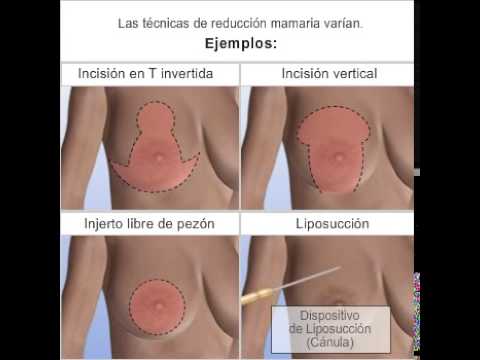
A breast reduction is typically performed under general anesthesia and takes between two to four hours to complete, depending on the volume of tissue being removed and the complexity of the reshaping. The surgical technique your doctor selects will dictate the incision pattern and the resulting scars. The choice of technique is based on your current breast size, degree of ptosis (sagging), and the desired final cup size.
The two most common approaches are the anchor technique (inverted-T) and the lollipop technique (vertical). The anchor technique is generally required for patients needing significant tissue reduction and major lifting. It involves an incision around the areola, vertically down to the breast crease, and horizontally along the crease. The lollipop technique is suitable for moderate reductions and involves an incision around the areola and vertically down, avoiding the horizontal scar.
Recovery Timeline and Expectations in Colombia
Post-operative care is just as important as the surgery itself. Following a breast reduction, your body requires time, rest, and proper wound management to heal correctly. Because you will be far from home, planning an adequate stay in Colombia is mandatory. Surgeons typically require international patients to remain in the country for 10 to 14 days post-surgery.
During this period, you will attend several follow-up appointments where the medical team will monitor your incisions, remove surgical drains (if used), and ensure there are no signs of infection. Many patients opt to stay in a "casa de recuperación" (recovery house), which provides meals, transportation to medical appointments, and basic nursing assistance during the critical first week of healing.
| Timeframe | Biological Process | Patient Sensation | Action Required |
|---|---|---|---|
| Days 1-3 | Acute inflammatory response and tissue swelling. | Significant soreness, tightness, fatigue, and grogginess from anesthesia. | Strict bed rest, take prescribed pain medication, keep upper body elevated. |
| Days 4-7 | Initial wound sealing and reduction of acute fluid buildup. | Decreasing sharp pain, onset of itching around incisions, bruising visible. | Attend follow-up for drain removal; begin very light, short walks to promote circulation. |
| Weeks 2-3 | Collagen production begins at incision sites; deeper tissues begin adhering. | Mild discomfort, skin sensitivity or numbness, continued swelling. | Wear surgical compression bra 24/7; avoid lifting arms above shoulders. |
| Weeks 4-6 | Major swelling subsides; scars begin initial maturation phase. | Feeling mostly normal, though breasts may feel firm or randomly tingle. | Gradual return to normal daily activities; clearance needed for heavy exercise. |
Managing Potential Risks and Complications
Like any major surgical intervention, reduction mammaplasty carries inherent medical risks. While choosing a board-certified surgeon in a regulated facility significantly minimizes these risks, it does not eliminate them entirely. Your surgeon will discuss these possibilities during your consultation, and you must weigh them against the anticipated benefits before providing informed consent.
Common, manageable issues include temporary bruising, swelling, and minor wound healing delays at the T-junction of the incisions. More severe, though less common, complications include hematoma (blood pooling), seroma (fluid accumulation), severe infection, and partial or total loss of the nipple-areolar complex due to compromised blood supply. Changes in nipple sensation, ranging from hypersensitivity to permanent numbness, are also possible.
Emergency Warning Signs
You must contact your surgical team immediately if you experience:
- Sudden, severe, or asymmetrical swelling in one breast.
- A fever exceeding 101°F (38.3°C) or chills.
- Excessive, foul-smelling drainage or increasing redness around the incisions.
- Shortness of breath or chest pain (this requires immediate emergency room attention).
Combining Procedures: Is it Safe?
Many international patients consider combining their breast reduction with other body contouring procedures, such as abdominal liposuction or a tummy tuck, to maximize the value of their trip. This approach, often referred to as a "Mommy Makeover," can provide comprehensive aesthetic results with a single recovery period.
However, combining surgeries increases the total time you spend under general anesthesia, which directly elevates the risk of complications such as Deep Vein Thrombosis (DVT) and significant blood loss. Reputable surgeons in Colombia adhere to strict safety guidelines regarding combined procedures. They will evaluate your BMI, age, and overall health to determine if a combined approach is medically safe, or if the procedures should be staged months apart.
Logistics: Visa, Travel, and Accommodation
Planning the travel logistics for your medical trip requires careful attention to detail. Citizens of the United States, Canada, the European Union, and the UK generally do not need a visa to enter Colombia for short-term medical procedures; a valid passport and proof of onward travel are typically sufficient for entry as a tourist. However, always verify current entry requirements with the Colombian consulate before booking flights.
When booking flights, opt for direct routes whenever possible to minimize travel stress. Post-surgery, you will have limited mobility and cannot carry heavy luggage. Ensure you have arranged reliable airport transfers in Colombia and booked accommodation that caters to medical tourists. Ground-floor rooms or buildings with reliable elevators are essential, as climbing stairs will be difficult in the early days of recovery.
Returning Home and Long-Term Aftercare
The journey does not end once you board your flight home. Flying post-surgery increases the risk of blood clots, so your doctor may recommend wearing compression socks, staying hydrated, and performing gentle leg exercises during the flight. You must have medical clearance from your Colombian surgeon before you are allowed to fly.
Once home, it is highly recommended to have a local primary care physician or a general surgeon who is aware of your medical travel. In the rare event of a late-onset infection or a delayed healing issue, having a local doctor willing to provide post-operative assessment is crucial. Continue to follow your Colombian surgeon's guidelines regarding scar care, sun avoidance, and the gradual reintroduction of exercise to ensure optimal, long-lasting results.
Frequently Asked Questions
Is it safe to get a breast reduction in Colombia?
Yes, it can be safe if you choose a highly qualified provider. Safety depends on selecting a board-certified plastic surgeon (SCCP member) and a clinic authorized by MinSalud. Thoroughly vetting your provider mitigates the inherent risks of medical travel.
How much does a breast reduction typically cost in Colombia?
The procedure generally costs between $3,500 and $5,500 USD. This price typically includes the surgeon's fee, anesthesia, and facility costs, but you must ask for a detailed quote to understand exactly what post-operative supplies are covered.
How long should I stay in Colombia after the surgery?
Surgeons typically require international patients to remain in Colombia for 10 to 14 days after surgery. This timeframe allows for necessary follow-up appointments, drain removal, and medical clearance for safe air travel.
Will my health insurance cover surgery abroad?
Standard US and Canadian health insurance plans do not cover elective or medical procedures performed abroad. You will be responsible for the full out-of-pocket cost. Specialized medical tourism insurance is recommended to cover unexpected complications.
What is a recovery house (casa de recuperación)?
A recovery house is a specialized accommodation facility designed for medical tourists. They provide post-operative care, including specialized meals, nursing assistance, medication management, and transportation to your follow-up medical appointments.
Can I combine breast reduction with liposuction?
Yes, in many cases, surgeons combine reduction mammaplasty with lateral chest liposuction to improve the contour under the arms. However, combining it with major abdominal liposuction requires careful medical evaluation to ensure it is safe.
Will I lose nipple sensation after the procedure?
Temporary changes in nipple sensation are very common. While most patients regain normal feeling within a few months, there is a small risk of permanent loss of sensation, depending on the surgical technique required for your breast size.
What is the SCCP and why is it important?
The SCCP stands for the Sociedad Colombiana de Cirugía Plástica Estética y Reconstructiva. It is the premier professional board for plastic surgeons in Colombia. Membership indicates the surgeon has completed recognized specialized training.
How visible will the surgical scars be?
Scarring is inevitable. Most reductions utilize an anchor or lollipop incision. Initially, scars will be red and raised, but they typically fade and flatten significantly over 12 to 18 months with proper scar care and sun protection.
How do I arrange a consultation with a Colombian surgeon?
Most clinics offer initial virtual consultations. You will need to submit your medical history and clear photos of your chest. The surgeon will review these to determine your candidacy and provide an initial surgical plan and quote.
Ready to Plan Your Medical Journey?
Navigating international healthcare options can feel complex. PlacidWay can help you compare top-rated, board-certified surgeons in Colombia, understand treatment costs, and ask the right questions before making your decision.
Request Free Clinic InformationDisclaimer
Disclaimer: This information is for educational purposes only and does not replace professional medical advice. Always consult a qualified healthcare provider before making medical decisions. Statistics and surgical outcomes vary by individual patient circumstances.
References
- ISAPS Global Statistics on Aesthetic Procedures – International Society of Aesthetic Plastic Surgery
- Verify a Board-Certified Plastic Surgeon – Sociedad Colombiana de Cirugía Plástica Estética y Reconstructiva (SCCP)
- ReTHUS National Registry of Human Talent in Health – Ministerio de Salud y Protección Social (MinSalud Colombia)
- Breast Reduction Surgery Overview and Risks – American Society of Plastic Surgeons (ASPS)
- Clinical Outcomes and Patient Satisfaction in Reduction Mammaplasty (2024 Study) – National Center for Biotechnology Information (NCBI)
- Traveler's Health Information and Medical Tourism Advice for Colombia – Centers for Disease Control and Prevention (CDC)





















Share this listing