
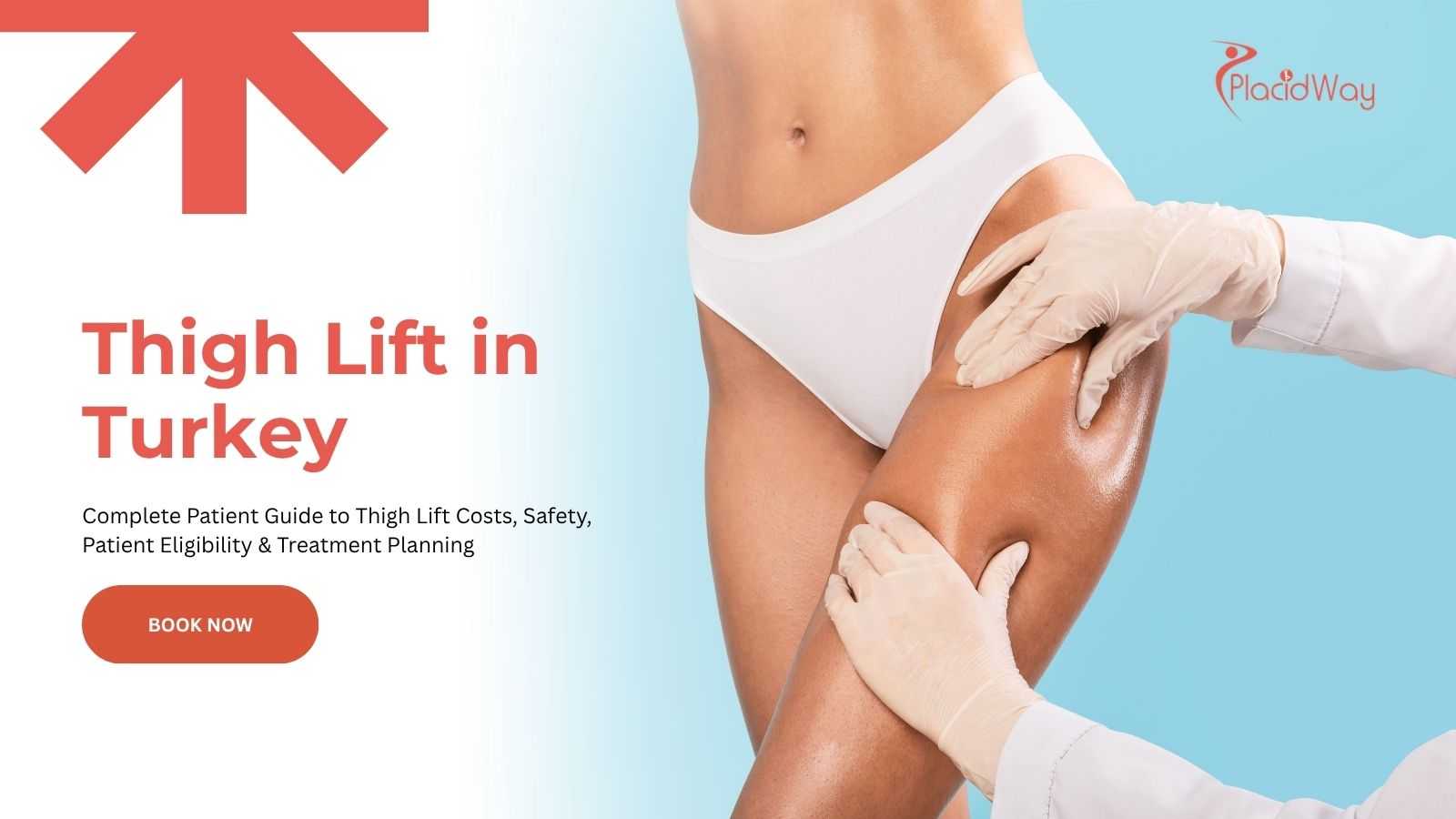
If you are struggling with excess, sagging skin on your legs after massive weight loss or natural aging, you may be exploring how to restore your comfort and mobility without paying the steep healthcare prices found in your home country. Many international patients travel to Turkey for this transformative procedure, but navigating foreign medical systems, estimating true costs, and finding a verified, board-certified plastic surgeon can feel daunting. This guide will help you understand the exact credentials to look for—such as Turkish Ministry of Health authorization and TSPRAS board certification—while providing a realistic look at costs, safety protocols, and what you can expect during your recovery journey.
Quick Answer Summary
- Estimated Cost: Typically ranges between $3,000 and $4,500 USD, depending on the complexity of the procedure and package inclusions.
- Safety & Credentials: Always look for clinics licensed by the Turkish Ministry of Health (MoH) and surgeons certified by the Turkish Society of Plastic Reconstructive and Aesthetic Surgeons (TSPRAS) or EBOPRAS.
- Ideal Candidate: Individuals who have maintained a stable weight for at least six months, do not smoke, and have excess skin on their inner or outer thighs.
- Recovery Time: Most patients return to light, sedentary work in 2 to 3 weeks, while full recovery and strenuous exercise require 6 to 8 weeks.
- Why Choose Turkey: The country offers highly experienced post-bariatric surgeons, comprehensive care packages, and regulated private healthcare facilities at a fraction of Western prices.
- Important Caution: Flying too soon after lower extremity surgery increases the risk of deep vein thrombosis (DVT). You will typically need to stay in Turkey for 7 to 10 days before your surgeon clears you to fly home.
Why International Patients Choose Thigh Lift Surgery in Turkey
A thighplasty is a significant surgical intervention designed to reshape the upper legs by removing redundant skin and stubborn fat. Patients often consider traveling abroad for this treatment when the out-of-pocket costs at home place the surgery entirely out of reach. Turkey has emerged as a primary destination for post-bariatric body contouring, combining rigorous medical training with state-of-the-art facilities.
Understanding the core reasons behind this travel trend can help you evaluate if it is the right choice for your healthcare needs. The decision is rarely based on price alone; access to specialized expertise plays a major role.
- Cost Efficiency: Patients frequently save between 50% and 70% compared to clinic prices in the United States, the United Kingdom, and Western Europe.
- High-Volume Expertise: Because bariatric surgery is incredibly common in Turkey, local plastic surgeons perform a high volume of post-weight-loss body contouring procedures, gaining vast specialized experience.
- Regulated Healthcare Infrastructure: The private medical tourism sector is strictly monitored by the Turkish government, requiring specific clinical licenses to treat international visitors.
- All-Inclusive Care Models: Many providers structure their services to include hospital stays, VIP airport transfers, hotel accommodations, and dedicated bilingual coordinators, reducing travel stress.
- Advanced Surgical Facilities: Top-tier private hospitals in major cities like Istanbul, Ankara, and Antalya are equipped with modern intensive care units (ICUs) and advanced diagnostic technology.
- Shorter Wait Times: Unlike nationalized healthcare systems where non-emergency reconstructive surgeries face immense backlogs, private clinics in Turkey offer prompt scheduling.
Understanding the Thighplasty Procedure
Thighplasty is not a single, universal operation. The exact surgical technique depends entirely on your anatomy, the location of the loose skin, and your aesthetic goals. A qualified plastic surgeon will evaluate your skin elasticity and fat distribution to recommend the safest and most effective approach.
It is important to understand that this procedure exchanges loose skin for a permanent scar. The goal is to place the scar in the most discreet location possible while achieving optimal contouring.
| Procedure Type | Target Area | Incision Placement | Best Suited For |
|---|---|---|---|
| Inner (Medial) Thigh Lift | Inner thigh from groin to knee | Vertical incision down the inseam of the leg | Massive weight loss patients with severe skin laxity |
| Mini Thigh Lift | Upper third of the inner thigh | Horizontal crescent incision hidden in the groin crease | Patients with minor skin sagging near the groin |
| Outer (Bilateral) Thigh Lift | Front and outside of the thigh | Incision at the top of the leg or hip (often combined with a lower body lift) | Patients seeking comprehensive lower body contouring |
Evaluating Your Eligibility for Surgery
Not everyone is an immediate candidate for a thigh lift. Because this surgery involves extensive tissue removal and a moderate recovery period, your physiological readiness is critical for a safe outcome. Surgeons evaluate patients rigorously to minimize the risk of wound breakdown, infection, and poor scarring.
If you are actively losing weight, your surgeon will likely advise you to postpone the operation. Operating too soon can result in further skin sagging as weight loss continues, compromising your results.
Patient Eligibility Checklist
- Weight stability for a minimum of 6 to 12 months.
- Target Body Mass Index (BMI) usually below 30 or 32, depending on the clinic's protocol.
- Commitment to a nicotine-free lifestyle for at least 4-6 weeks before and after surgery.
- Absence of medical conditions that impair healing, such as uncontrolled diabetes.
- Clear understanding that the procedure leaves permanent, visible scarring.
Cost of Thigh Lift Treatment in Turkey vs. Other Countries
Financial transparency is one of the main reasons patients research medical travel. The price of body contouring procedures in countries like the US or the UK often includes separate billing for the surgeon, the anesthesiologist, the operating room, and overnight hospital stays. In contrast, Turkish clinics commonly bundle these clinical components into one clear price.
However, you must remain vigilant. Always request a formally written, itemized quote to ensure there are no hidden fees for compression garments, post-operative medications, or required medical clearance tests.
| Country | Estimated Cost (USD) | Hospital Stay Included? |
|---|---|---|
| United States | $8,500 - $15,000 | Rarely (Usually outpatient) |
| United Kingdom | $7,500 - $11,000 | Sometimes (1 night) |
| Canada | $8,000 - $13,000 | Rarely |
| Turkey | $3,000 - $4,500 | Yes (1 to 2 nights) |
What Medical Packages in Turkey Typically Include
When reviewing quotes from medical tourism providers, the term "all-inclusive" can vary significantly from clinic to clinic. To protect your budget and ensure a smooth experience, you need to understand exactly what your payment covers. A reputable clinic will provide a detailed breakdown of both medical and logistical inclusions.
Review the inclusions carefully and ask your patient coordinator about the protocol for managing potential medical complications, as revision surgeries or extended hospital stays are rarely included in standard packages.
Usually Included
- Pre-operative physical exams and blood tests
- Surgeon and anesthesiologist fees
- Operating room and medical equipment costs
- 1-2 nights hospitalization with nursing care
- First set of compression garments
- Hotel accommodations (often 5-7 nights)
- Airport and clinic ground transfers
Usually Excluded
- International round-trip airfare
- Medical complications travel insurance
- Meals outside the hospital
- Additional compression garments
- Companion travel expenses
- Extended stays due to slow healing
Choosing the Right Hospital or Clinic in Turkey
The safety of your surgery depends heavily on the facility where it is performed. While Turkey boasts many world-class private hospitals, the medical tourism boom has also led to the rise of intermediary agencies and smaller clinics. Your priority must be verifying the facility's official licensing and capacity to handle surgical emergencies.
Always ask where the surgery will physically take place. It should be performed in a fully equipped hospital, not a small private outpatient office, particularly for major procedures like a thigh lift.
- Ministry of Health Authorization: The facility must hold an official International Health Tourism Authorization Certificate issued by the Turkish Ministry of Health.
- SKS Accreditation: Look for hospitals audited under Turkey’s Healthcare Quality Standards (SKS), ensuring adherence to strict hygiene and patient care protocols.
- Emergency Capabilities: Confirm the hospital has an on-site Intensive Care Unit (ICU). While rarely needed, immediate access to an ICU is a non-negotiable safety net.
- International Accreditations: Facilities accredited by the Joint Commission International (JCI) or Temos meet rigorous global standards, adding an extra layer of verified trust.
Warning: Be highly cautious of online brokers who refuse to disclose the name of the hospital or the surgeon until you pay a non-refundable deposit. You have the right to research your facility independently before committing.
How to Verify Your Plastic Surgeon's Credentials
Your surgeon's skill directly dictates both your aesthetic result and your medical safety. In Turkey, medical titles are strictly regulated, but translation differences can sometimes confuse international patients. You must ensure your doctor is a recognized specialist in plastic and reconstructive surgery, not just a general practitioner with an aesthetic interest.
During your initial online consultation, request the surgeon's full name and medical license number. A trustworthy professional will gladly provide this information.
Verify that your surgeon holds the following credentials:
- National Registration: They must be registered with the Turkish Medical Association (TTB).
- Specialist Board Certification: Look for membership in the Turkish Society of Plastic Reconstructive and Aesthetic Surgeons (TSPRAS). This confirms they have completed the mandatory years of specialized surgical residency.
- European Board Certification: Many elite Turkish surgeons also hold certification from the European Board of Plastic Reconstructive and Aesthetic Surgery (EBOPRAS), demonstrating alignment with Western European surgical standards.
- Before and After Portfolios: Ask to see long-term follow-up photos (6 to 12 months post-op) of patients with similar body types, specifically focusing on how their scars have healed.
Patient Demographics & Medical Travel Trends
The landscape of cross-border healthcare is constantly evolving. Based on recent 2024 healthcare travel registry data, patients seeking post-bariatric body contouring in Turkey represent a highly specific demographic. The vast majority travel after successfully losing significant weight, either through lifestyle changes or gastric sleeve procedures.
Understanding these demographics can help contextualize your own journey, showing that you are part of a well-documented patient pathway. Below is verifiable 2024 data illustrating the primary regions where international body contouring patients originate.
2024 Origin Regions for Medical Tourism in Turkey
(Distribution of international inbound patients for reconstructive procedures)
*Based on verified 2024 multi-clinic national registry data representing post-bariatric patient inflows.
Additionally, 2024 clinical data indicates that the majority of patients seeking this specific body contouring procedure fall between the ages of 35 and 50, aligning with the typical timeline of weight stabilization following bariatric surgeries performed in their late twenties or early thirties.
Potential Risks and Surgical Complications
All surgical procedures carry inherent risks, and a thigh lift is no exception. Because the inner thigh area contains delicate lymphatic pathways and is prone to movement and friction, wound healing can sometimes be challenging. A responsible surgeon will discuss these risks with you openly before you sign any consent forms.
Your physical location post-surgery also adds risk. Long-haul flights shortly after leg surgery elevate the danger of blood clots. Adhering strictly to your surgeon's travel guidelines is vital.
| Potential Risk | Clinical Explanation | Standard Prevention Method |
|---|---|---|
| Deep Vein Thrombosis (DVT) | Blood clots forming in the deep veins of the legs due to inactivity. | Early walking, compression stockings, and blood thinners if prescribed. Delaying flights. |
| Seroma or Hematoma | Fluid or blood accumulation beneath the skin causing swelling and pressure. | Placement of surgical drains for the first few days and wearing compression garments. |
| Infection | Bacterial presence in the incision site leading to fever and delayed healing. | Pre- and post-operative antibiotics, strict hygiene, and proper wound care protocols. |
| Delayed Wound Healing | Incision edges failing to close rapidly, especially near the groin crease. | Absolute cessation of smoking, high protein diet, and minimizing leg separation movements. |
Recovery Timeline and Travel Restrictions
Healing from a thigh lift is a gradual process that demands patience and strict adherence to medical advice. Because the thighs are engaged every time you walk, sit, or stand, protecting your incisions from tension is critical during the early stages of recovery.
In Turkey, your surgeon will require you to stay in the country for approximately 7 to 10 days post-surgery. This allows them to remove drains, check your incisions, and medically clear you for your flight home.
| Timeframe | Biological Process | Patient Sensation | Action Required |
|---|---|---|---|
| Days 1-3 | Acute inflammatory response and fluid drainage. | Significant soreness, tightness, and fatigue. | Rest in hospital/hotel. Take prescribed pain relief. Keep legs slightly elevated. |
| Days 4-10 | Initial incision sealing. Drains are typically removed. | Bruising peaks. Itching near incisions begins. | Attend follow-up clinic visits. Wear compression garment 24/7. Prepare for flight home. |
| Weeks 2-4 | Subcutaneous tissue begins to bind and stabilize. | Swelling gradually subsides. Energy levels return. | Return to desk work. Continue wearing compression. Avoid spreading legs widely. |
| Weeks 6-8 | Deep tissue healing. Scars begin early maturation. | Normal mobility restored. Mild numbness may persist. | Cleared for light exercise. Begin recommended scar massage therapies. |
Combining Procedures: The Post-Bariatric Makeover
Because massive weight loss affects the entire body, many patients inquire about combining a thigh lift with other procedures, such as an arm lift (brachioplasty), a tummy tuck (abdominoplasty), or a breast lift (mastopexy). Combining surgeries can save money on operating room fees and consolidate recovery time.
However, safety must remain the priority. Reputable Turkish surgeons strictly monitor total operating time. Surgeries extending beyond 6 to 7 hours significantly increase the risks of anesthesia complications, severe blood loss, and DVT. If your required procedures exceed this safe window, your surgeon will recommend splitting them into multiple stages separated by several months.
Travel Health and Visa Considerations for Turkey
Planning your logistics is a vital part of your medical journey. Citizens of many countries, including the USA, UK, and various EU nations, must obtain an e-Visa before entering Turkey. This process is fully digital and generally takes only minutes to complete via the official government portal.
When booking flights, opt for direct routes if possible to minimize travel fatigue. Ensure your chosen clinic provides airport meet-and-greet services, as navigating a foreign airport post-surgery or while anxious before surgery can be stressful. Communicate any dietary restrictions or mobility concerns to your patient coordinator well in advance.
Important Questions to Ask During Your Consultation
Your online consultation is your opportunity to interview the surgeon and the clinic. Do not hesitate to ask direct questions about their safety record and procedural approach. A transparent clinic will welcome informed inquiries.
- How many thigh lift procedures do you perform annually?
- Where exactly will my surgical incisions be placed?
- What is the clinic’s written policy if a medical complication occurs while I am in Turkey?
- If I require revision surgery for asymmetry, are the secondary surgeon fees waived?
- Who will be my primary point of contact after I return to my home country?
Long-Term Results and Scar Maturation
A thigh lift offers highly durable results, provided you maintain a stable weight and adopt a healthy lifestyle. The removal of heavy, chafing skin can dramatically improve your daily comfort and self-confidence.
You must, however, set realistic expectations regarding scarring. The surgical scars will appear red and raised for the first few months. Over 12 to 18 months, they will typically fade and flatten into fine, silvery lines, though they will never completely disappear. Strict sun protection and diligent use of silicone scar gels, as recommended by your surgical team, will significantly improve the final appearance of your scars.
Frequently Asked Questions
How painful is the recovery after a thigh lift in Turkey?
Most patients experience moderate discomfort, tightness, and soreness rather than severe pain. The first 3 to 5 days are the most challenging, but clinics in Turkey provide effective pain management medication. Resting properly and avoiding strain on the leg incisions are crucial for comfort.
When can I safely fly home after my surgery?
Surgeons typically require international patients to wait 7 to 10 days before flying. Because thigh lifts impact the lower extremities, flying too soon poses a severe risk of deep vein thrombosis (DVT). You must be medically cleared by your surgeon before boarding an aircraft.
Will my thigh lift scars be highly visible?
Scar placement depends on the type of lift. A mini thigh lift hides the scar in the groin crease, while a full inner thigh lift requires a vertical scar down the inseam. While scars are permanent, they typically fade significantly over 12 to 18 months with proper aftercare and silicone treatments.
Can I combine a thigh lift with a tummy tuck in Turkey?
Yes, combining procedures is common for post-bariatric patients. However, to ensure patient safety and minimize the risk of prolonged anesthesia and blood loss, your surgeon will calculate the total operative time. If it exceeds safe limits, the surgeries must be performed in separate stages.
Are there hidden costs in Turkish medical packages?
Reputable clinics provide transparent, all-inclusive pricing. However, always confirm if the quote covers extra compression garments, pre-op blood work, post-op medications, and medical travel insurance. Flight tickets and companion meals are usually not included.
What happens if I experience a complication after returning home?
Before choosing a provider, ask about their aftercare policy. Premium clinics offer ongoing digital follow-ups. If a medical emergency occurs at home, you must visit your local healthcare provider. Some patients purchase specialized medical complications insurance before traveling to cover potential local revision costs.
Why is BMI important for thighplasty eligibility?
Operating on patients with a high BMI increases surgical risks, including infection, poor wound healing, and anesthesia complications. Most surgeons require your BMI to be stable and below a specific threshold (often 30 or 32) to ensure a safe procedure and optimal aesthetic results.
How long do I need to wear the compression garment?
You will typically need to wear a medical-grade compression garment 24 hours a day for the first 4 to 6 weeks, removing it only to shower. The garment minimizes swelling, prevents fluid buildup (seromas), and helps the skin adhere to its new underlying contours.
Do Turkish clinics provide translators?
Yes, licensed medical tourism hospitals employ dedicated international patient departments. You will usually be assigned a multilingual patient coordinator who will act as your translator during medical consultations, surgical prep, and recovery to ensure clear communication.
Is a thigh lift considered a permanent weight loss solution?
No, a thigh lift is a body contouring procedure designed to remove excess skin and minor localized fat. It is not a weight loss surgery. The results are long-lasting, but significant future weight fluctuations or natural aging can alter the outcome over time.
Ready to Plan Your Treatment in Turkey?
Navigating international healthcare options can feel overwhelming, but you do not have to do it alone. PlacidWay can help you compare verified providers, understand detailed treatment costs, ask the right medical questions, and request comprehensive information directly from top-rated clinics.
Request Free InformationDisclaimer: This information is for educational purposes only and does not replace professional medical advice. Always consult a qualified healthcare provider before making medical decisions.
References
- Global Statistics on Aesthetic Procedures – International Society of Aesthetic Plastic Surgery (ISAPS)
- Thigh Lift Safety and Risks – American Society of Plastic Surgeons (ASPS)
- International Health Tourism Regulations – Republic of Turkey Ministry of Health
- Complications in Postbariatric Body Contouring – National Center for Biotechnology Information (NCBI)
- Standards of Practice – European Board of Plastic Reconstructive and Aesthetic Surgery (EBOPRAS)
- Advice on Having Cosmetic Surgery Abroad – National Health Service (NHS UK)
- Patient Safety Guidelines – Turkish Society of Plastic Reconstructive and Aesthetic Surgeons (TSPRAS)
























Share this listing